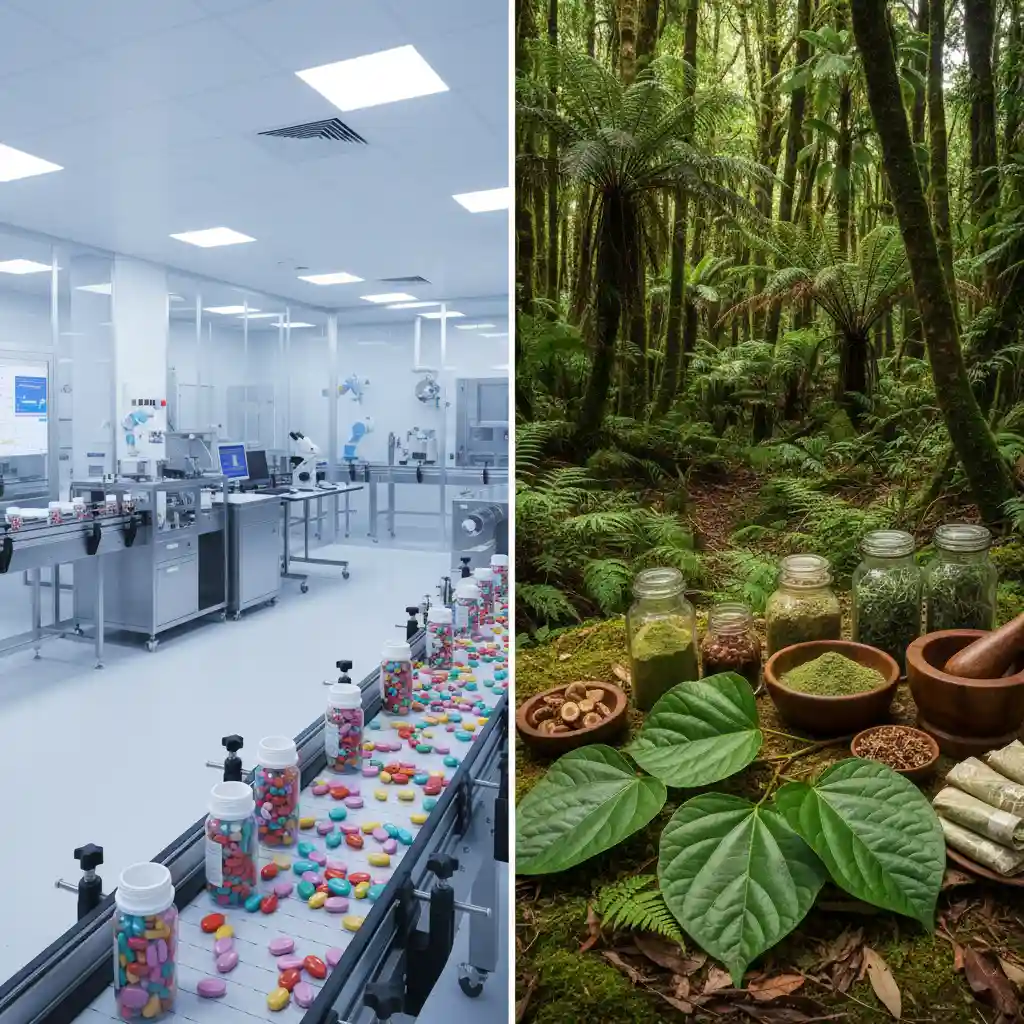
To import herbal NZ ingredients successfully (visit our Home page), you must strictly comply with the Ministry for Primary Industries (MPI) Import Health Standards (IHS) and New Zealand Customs regulations. The process requires verifying the specific plant species on the Plant Biosecurity Index (PBI), obtaining a Phytosanitary Certificate from the country of origin, and often securing a formal Import Permit prior to shipment to ensure the materials do not pose a biosecurity threat to New Zealand’s unique ecosystem.
Understanding New Zealand’s Biosecurity Framework
New Zealand possesses one of the most unique and isolated ecosystems in the world. Because of this isolation, the country is free from many pests and diseases that plague agriculture and horticulture elsewhere. Consequently, the government enforces some of the strictest biosecurity laws globally. For businesses and practitioners within the NZ Integrated Herbal Medicine & Rongoā Māori Hub, understanding these laws is not just a regulatory hurdle; it is an ethical obligation to protect the local flora and fauna.
The primary agency responsible for managing these risks is the Ministry for Primary Industries (MPI). Their role is to ensure that any biological matter entering the country does not carry hitchhiker pests, fungi, viruses, or seeds that could devastate New Zealand’s primary industries or native bush. When you plan to import herbal NZ products, you are effectively asking permission to bring biological risk across the border. Therefore, the default stance of border control is caution.
Whether you are importing dried roots for Traditional Chinese Medicine (TCM), Ayurvedic powders like Golden Milk: The Science of Haldi Doodh, or Western herbal tinctures, the regulations apply to the botanical name of the plant, the part of the plant used (leaf, root, seed), and its state of processing (dried, Bird’s nest, fresh, powdered, extracted). Failure to adhere to these frameworks can result in the immediate destruction of goods, heavy fines, and potential prosecution.
MPI Requirements and the Plant Biosecurity Index
The cornerstone of importing any plant material into New Zealand is the Plant Biosecurity Index (PBI). Before you spend a single dollar on purchasing stock, you must consult this database.
Using the Plant Biosecurity Index (PBI)
The PBI lists thousands of plant species and their regulatory status. When searching the PBI, you must use the scientific (Latin) name of the herb, not its common name. For example, searching for “Echinacea” might yield different results than searching for “Echinacea purpurea“.
The PBI will categorize the plant into one of several statuses:
- Basic: Usually requires no permit, but must be clean and free of pests.
- See 155.02.05: Refers to a specific Import Health Standard (IHS) regarding seeds or nursery stock.
- Requires Permit: You cannot import this without prior written approval from MPI.
- Prohibited: The entry is banned entirely due to high biosecurity risk.
Import Health Standards (IHS)
If the plant is listed as permissible, you must then look at the relevant Import Health Standard (IHS). The IHS serves as the rulebook for that specific commodity. For herbal medicine, the most common standard relates to “Dried Plant Products.” This document details exactly what treatments (such as heat treatment or fumigation) the herbs must undergo before leaving the export country. It also specifies the wording required on official documentation.
For more detailed information on searching these databases, you should refer to the official Ministry for Primary Industries (MPI) website.
Documentation and Permits Needed for Import
Documentation is the currency of international trade. Without the correct paperwork, your herbal ingredients will never leave the Customs warehouse. The specific documents required depend on the classification found in the PBI and IHS, but generally include the following:
1. Phytosanitary Certificate
For many herbal imports, especially those that are not heavily processed (like whole dried roots or leaves), a Phytosanitary Certificate is mandatory. This is an official government-to-government document issued by the National Plant Protection Organization (NPPO) of the exporting country. It certifies that the shipment has been inspected and is free from quarantine pests. It must contain specific “Additional Declarations” as required by the New Zealand IHS.
2. Import Permit
If the PBI indicates that a permit is required, you must apply for this through MPI before the goods are shipped. The permit will outline the specific conditions the exporter must meet. Never attempt to ship goods before receiving the permit; the permit number usually needs to be referenced on the commercial invoice and Phytosanitary Certificate.
3. Manufacturer’s Declaration
For processed products, such as powders, tablets, or extracts (referencing Understanding Potency: 6C, 30C, 200C), a Manufacturer’s Declaration may be accepted in lieu of a Phytosanitary Certificate. This document must be on the manufacturer’s letterhead and signed by a senior company official. It generally needs to state:
- The scientific name of the plant material.
- The country of origin.
- The processing method (e.g., “Kiln dried at 80°C for 4 hours” or “Boiled in water for 30 minutes”).
- That the product is free from soil, seeds, and animal material.

Customs Procedures for Herbal Materials
While MPI handles the biological risk, the New Zealand Customs Service handles the border security, revenue collection, and prohibited items list. When you import herbal NZ products, you are dealing with two separate government entities that communicate with each other.
Tariffs and GST
All goods imported into New Zealand are subject to Goods and Services Tax (GST) of 15% if the value of the shipment exceeds the current low-value threshold (generally NZD $1000). In addition to GST, certain goods may attract tariffs depending on their classification code and the country of origin (e.g., if there is a Free Trade Agreement in place).
Customs Client Code
If you are importing goods for commercial purposes or if the value exceeds NZD $1000, you must obtain a Customs Client Code. This is a unique identifier for your business entity. Without this code, your freight forwarder cannot file an import entry, and your goods will remain stuck at the port, accruing storage fees.
CITES and Endangered Species
Many herbs used in Traditional Chinese Medicine and other modalities are listed under the Convention on International Trade in Endangered Species of Wild Fauna and Flora (CITES). Examples include certain species of Ginseng, Orchids, and Hoodia. If your herbal product contains a CITES-listed species, you must have a CITES export permit from the country of origin and a CITES import permit from New Zealand Department of Conservation (DOC). Customs enforces these rules strictly; failure to declare CITES material is a serious criminal offense.
For specific tariff codes and CITES enforcement, consult the New Zealand Customs Service.
Quarantine Restrictions and Inspection Processes
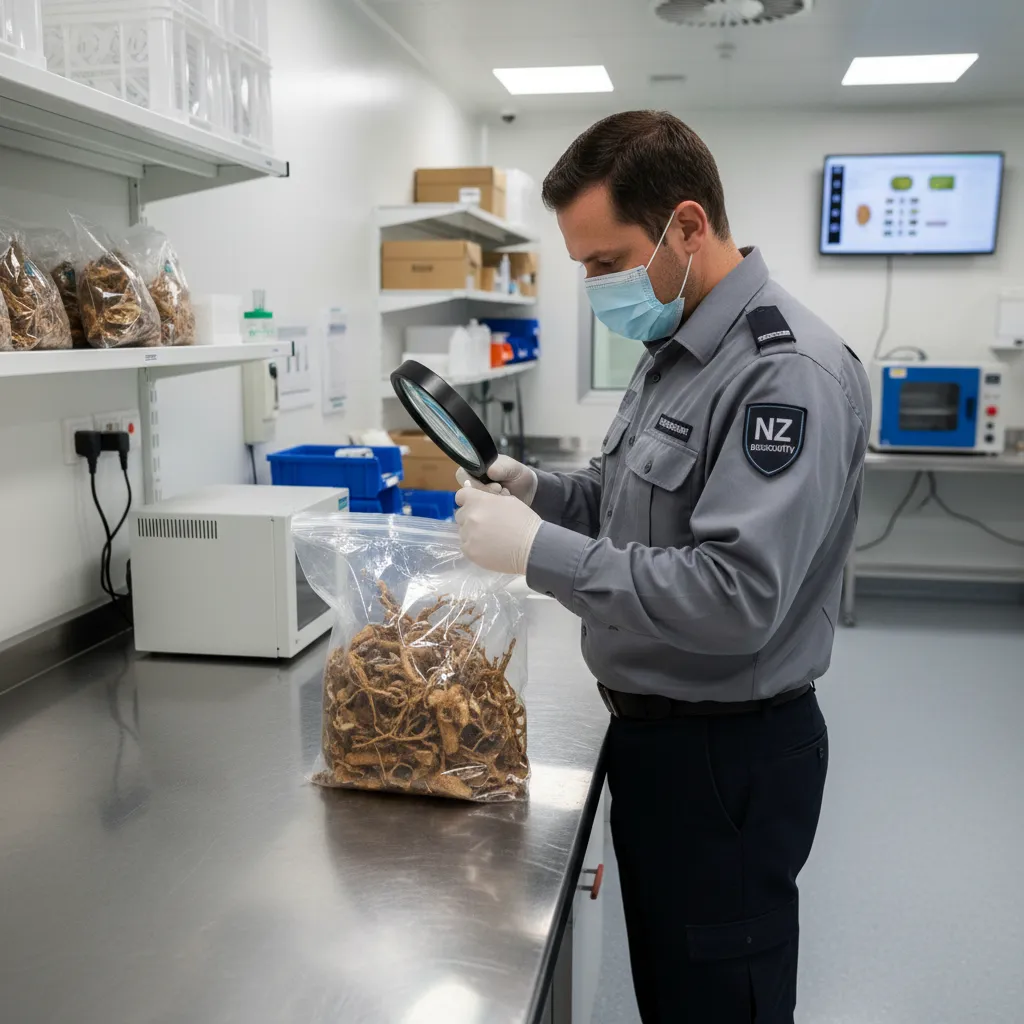
Once your goods arrive in New Zealand, they enter a transitional facility. Here, biosecurity officers assess the documentation and the physical goods.
Physical Inspection
MPI officers may physically inspect a percentage of your shipment. They are looking for:
- Live Insects: Beetles, mites, or larvae in the dried herbs.
- Contaminants: Soil, animal feces, or seeds from other plants (weed seeds).
- Packaging Issues: Use of prohibited packaging materials like dirty straw or untreated wood pallets.
Biosecurity Directions
If an inspector finds a problem, they will issue a Biosecurity Direction. You will generally be given three options:
- Treat: The goods are sent for fumigation (e.g., Methyl Bromide) or heat treatment at your expense. Note that this may degrade the medicinal quality of the herbs.
- Re-ship: The goods are sent back to the country of origin (also at your expense).
- Destroy: The goods are destroyed by deep burial or incineration.
It is crucial to note that “organic” certification does not exempt goods from fumigation if pests are found. If you import organic herbs and live insects are detected, you will be forced to fumigate them, stripping them of their organic status, or have them destroyed.
Commercial vs. Personal Importation Rules
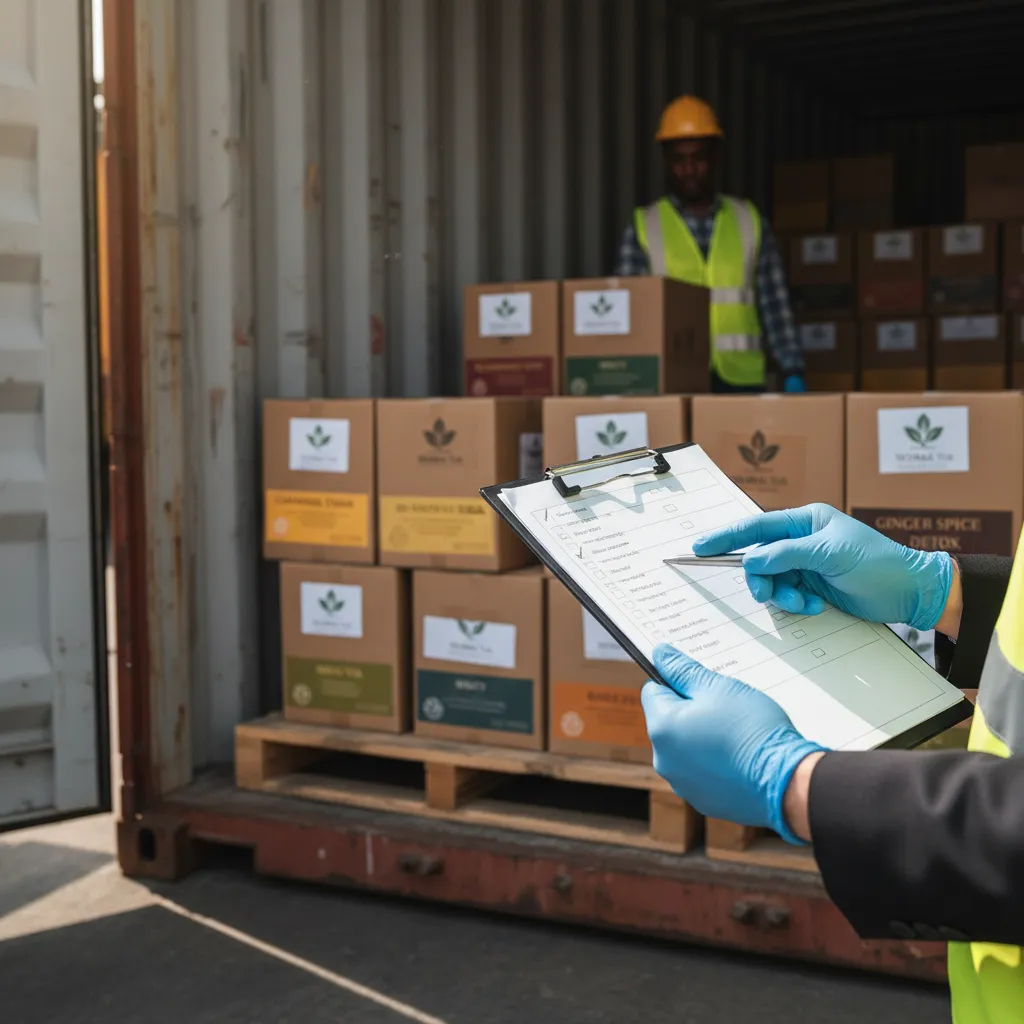
The intent behind your import changes the regulatory landscape slightly, although biosecurity rules remain constant regardless of quantity.
Personal Use
Individuals importing small quantities of herbal medicines for their own use are still subject to biosecurity checks. You cannot import prohibited plants just because it is for personal consumption. However, for fully manufactured and commercially packaged products (like a bottle of herbal capsules bought online), the requirement for a Phytosanitary Certificate is often waived, provided the packaging is sealed and clearly labeled with ingredients.
Commercial Use
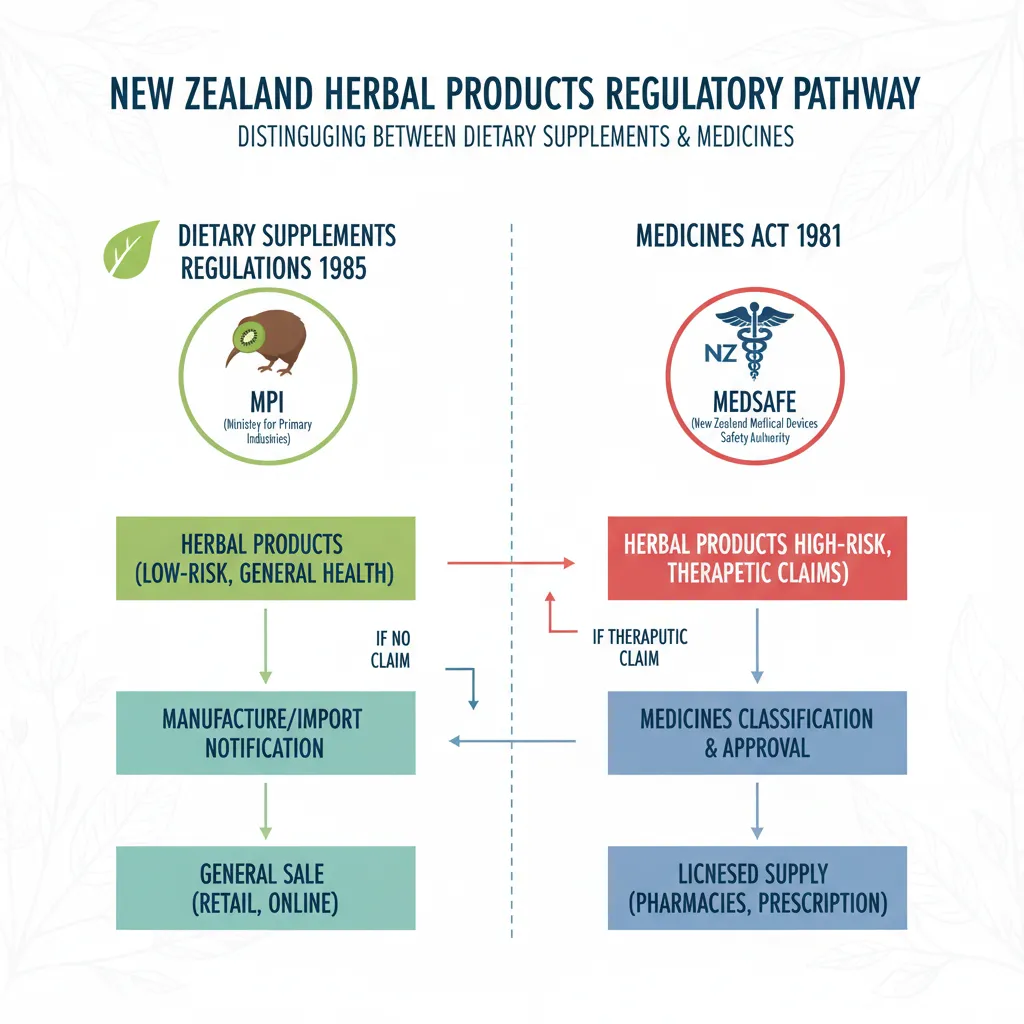
Commercial importers face higher scrutiny. You are expected to have a full audit trail. If you are supplying the NZ Integrated Herbal Medicine market, you must also consider the Medicines Act 1981 and the Dietary Supplements Regulations 1985. While MPI cares about the pests on the plant, Medsafe (a division of the Ministry of Health) cares about the safety and efficacy of the herb for humans. You must ensure your product does not contain scheduled medicines or restricted substances under New Zealand law.
Step-by-Step Checklist for Herbal Importers
To summarize the complex process of how to import herbal NZ ingredients, follow this chronological checklist:
- Identify the Herb: Get the full scientific name (Genus and species).
- Check the PBI: Search the Plant Biosecurity Index on the MPI website. Is it prohibited? Does it need a permit?
- Check CITES: Is the plant endangered? Do you need conservation permits?
- Consult the IHS: Read the “Dried Plant Products” standard to understand processing and certification requirements.
- Apply for Permit (if needed): Submit an application to MPI for an Import Permit.
- instruct Supplier: Send clear instructions to your overseas supplier regarding the Phytosanitary Certificate declarations and packaging requirements.
- Arrange Logistics: Hire a Customs Broker to handle the clearance and potential inspection booking.
- Wait for Clearance: Do not distribute the goods until you have received the release notification from both Customs and MPI.
By following these rigorous steps, you contribute to the safety of New Zealand’s environment while ensuring a reliable supply chain for the herbal medicine community.
Can I bring dried herbs into NZ for personal use?
Yes, you can bring dried herbs into NZ for personal use, but they must be declared upon arrival. They must be commercially prepared and packaged. If they are loose leaf or home-dried, they will likely be inspected and may be confiscated if they pose a biosecurity risk or cannot be identified.
Do I need a permit to import tea into NZ?
Generally, commercially packaged tea (Camellia sinensis) and herbal teas do not require an import permit if they are for personal use or standard commercial retail. However, they must be clean, free of seeds/pests, and clearly labeled. Bulk imports of unfamiliar herbs may require a permit based on the Plant Biosecurity Index.
What plant products are prohibited in NZ?
Plant products listed as “Prohibited” in the Plant Biosecurity Index are banned. This often includes fresh fruit, certain seeds, soil, and plant species known to be invasive weeds or carriers of diseases like Foot and Mouth or specific fruit flies. CITES-listed endangered species are also prohibited without special permits.
How do I check if a herb is allowed in NZ?
You must check the Ministry for Primary Industries (MPI) Plant Biosecurity Index (PBI). Search using the scientific (Latin) name of the plant. The index will tell you if the plant is “Basic” (allowed with conditions), requires a permit, or is prohibited.
What is the fine for undeclared plant items in NZ?
Failing to declare biosecurity risk goods, including herbal items, can result in an instant infringement fine of NZD $400 or $1,000. Serious breaches or deliberate smuggling can lead to prosecution, a criminal conviction, and fines of up to NZD $100,000 or imprisonment.
Does MPI charge for inspecting herbal imports?
Yes, MPI recovers costs for their services. If your goods require inspection, sampling, or testing, you will be charged an hourly rate for the biosecurity officer’s time. You are also responsible for costs associated with fumigation, destruction, or re-shipping if the goods fail inspection.