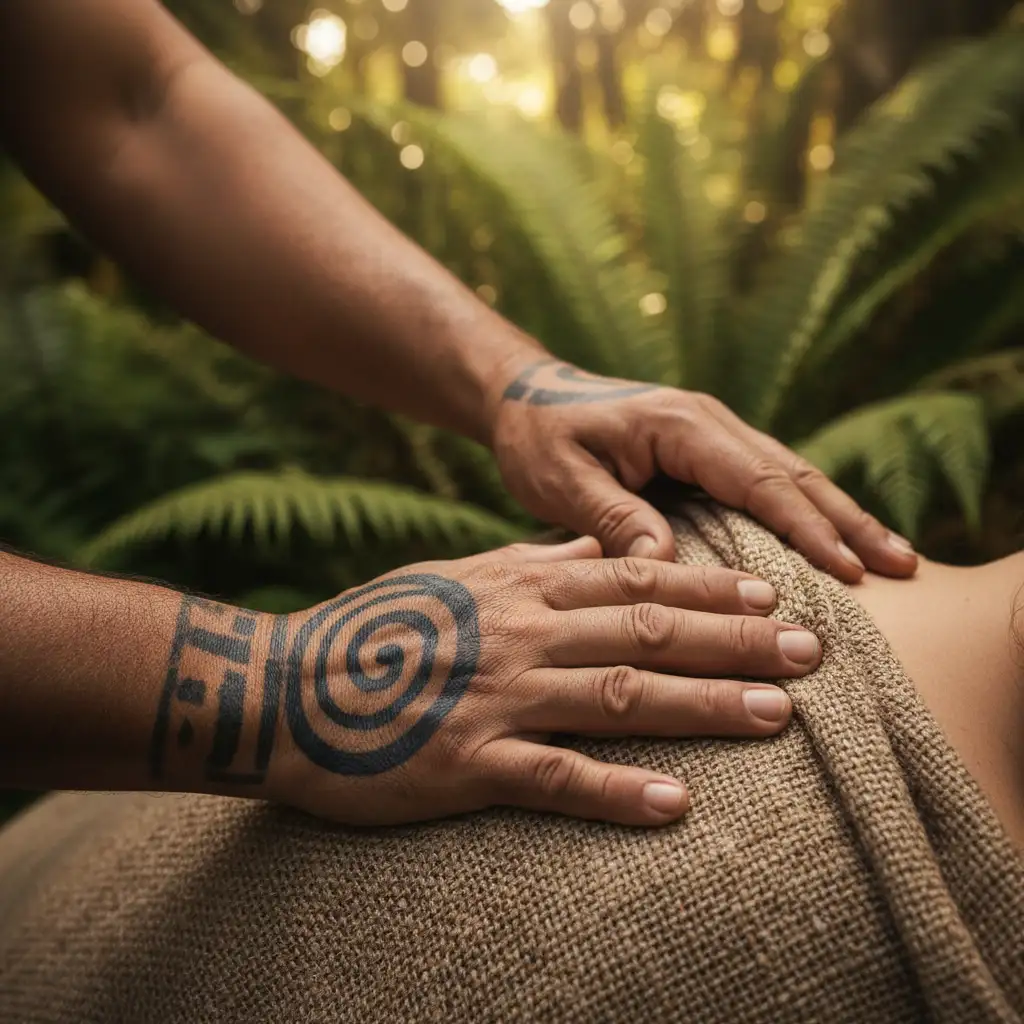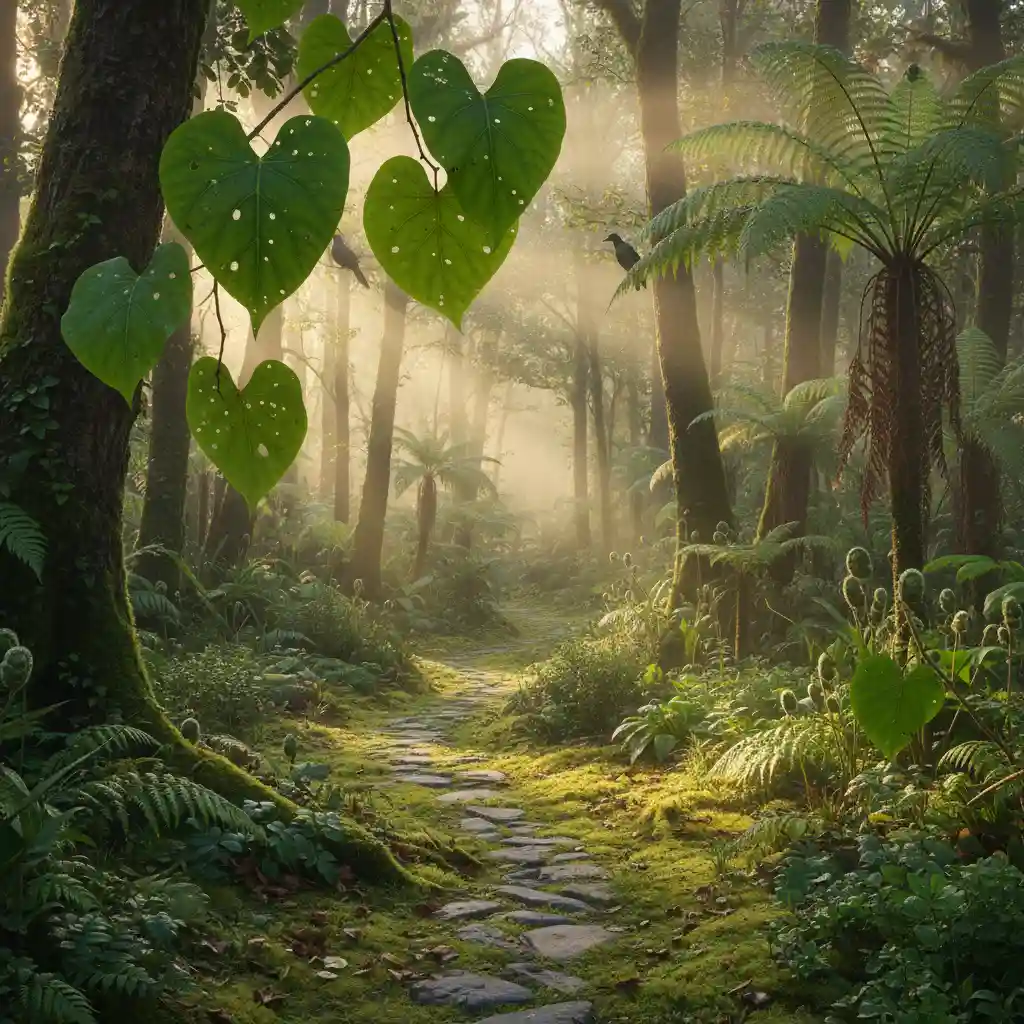
An authentic Rongoā practitioner is a traditional healer grounded in Mātauranga Māori (Māori knowledge) who operates under strict tikanga (cultural protocols). Authenticity is primarily verified through whakapapa (genealogy or lineage of learning), recognition by the local hapū or iwi, and increasingly through registration with professional bodies like Te Kāhui Rongoā. They focus on holistic well-being and health in the Home, balancing the physical, spiritual, mental, and social dimensions of health.
Defining Authenticity in Rongoā Māori
In the landscape of New Zealand integrated herbal medicine, Rongoā Māori holds a distinct and sacred place. Unlike a Basic First Aid Kit with NZ Herbal Remedies, general naturopathy, or western herbalism, Rongoā is not merely the application of plant properties to physical ailments. It is a holistic system of healing that is inextricably linked to the spiritual world (Te Taha Wairua) and the natural environment (Te Taiao).
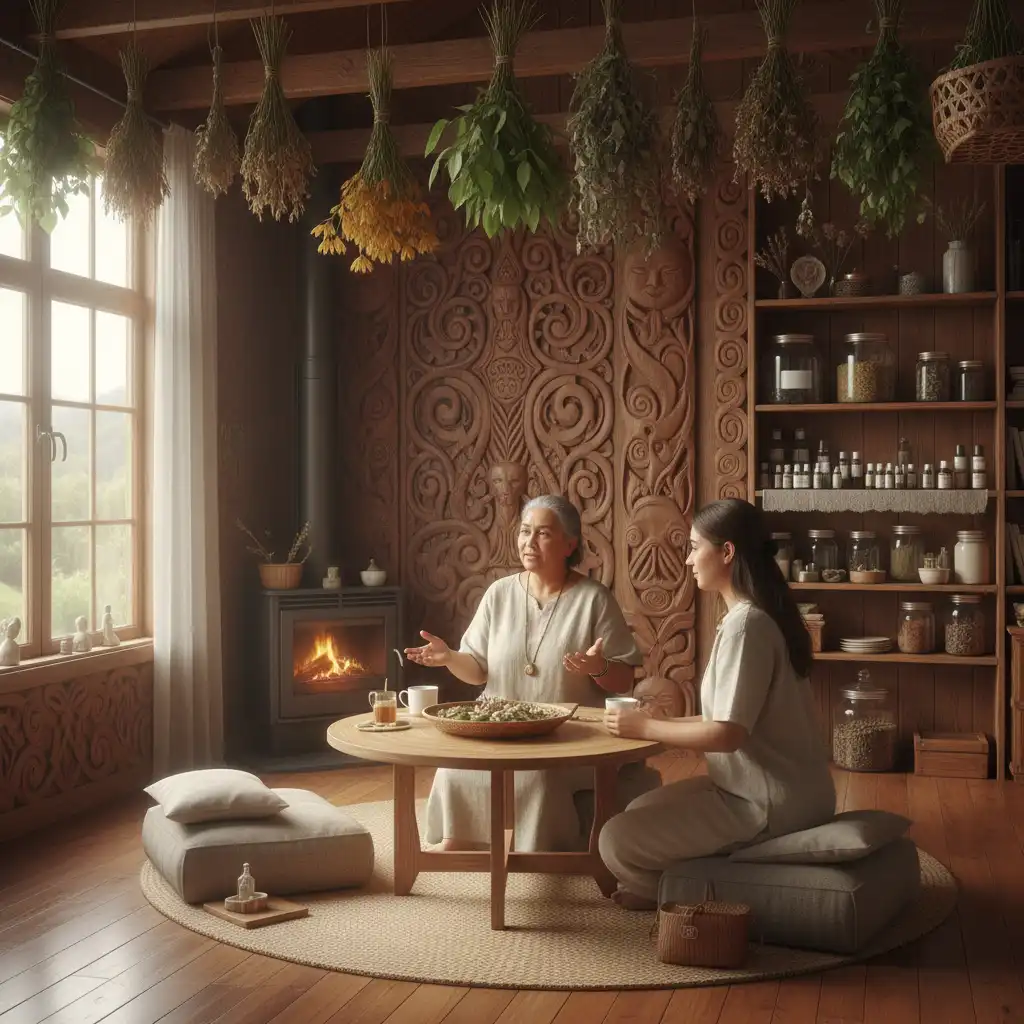
Identifying an authentic Rongoā practitioner requires shifting one’s perspective from purely clinical qualifications to cultural legitimacy. An authentic practitioner, often referred to as a Kaimirimiri (for bodywork) or possessing knowledge of Rongoā Rākau (plant medicine), does not view themselves as the source of the healing. Instead, they view themselves as a vessel or conduit for healing energy, facilitated through karakia (prayer) and connection to the ancestors.
Authenticity is defined by adherence to Tikanga—the correct way of doing things. This involves how plants are harvested (with gratitude and sustainability), how the medicine is prepared, and how the patient is treated. A legitimate practitioner understands that the physical symptoms are often manifestations of a spiritual or emotional imbalance. Therefore, an authentic Rongoā session will almost always involve checking in on the client’s spiritual well-being, family connections, and mental state, aligning with the Te Whare Tapa Whā model of health.
The Critical Role of Whakapapa and Lineage
In the world of Rongoā, who taught you is often more important than what certificate hangs on your wall. Whakapapa usually refers to genealogy, but in the context of learning Rongoā, it refers to the lineage of knowledge transmission. Traditionally, knowledge was passed down orally from generation to generation, often from a grandparent to a grandchild who showed an aptitude for healing.
When seeking an authentic Rongoā practitioner, understanding their “knowledge whakapapa” is essential. This does not mean every practitioner must have a bloodline connection to a famous Tohunga (expert), but they must be able to articulate who their Kaiako (teachers) were and where their knowledge originates. This transparency ensures accountability.
The transmission of knowledge involves long periods of observation and service (manaakitanga). It is rare for authentic knowledge to be acquired solely through short weekend workshops or online courses without a significant component of face-to-face, hands-on mentorship within a cultural context. The practitioner’s standing is often validated by their community; if a healer is supported and utilized by their local Marae, hapū, or iwi, this is the highest form of endorsement available.
Understanding the Modalities of Rongoā
To identify the right practitioner, one must understand that Rongoā is a broad term encompassing several disciplines. An authentic practitioner may specialize in one or multiple areas. Knowing these distinctions helps in finding the specific resource required for your health needs.
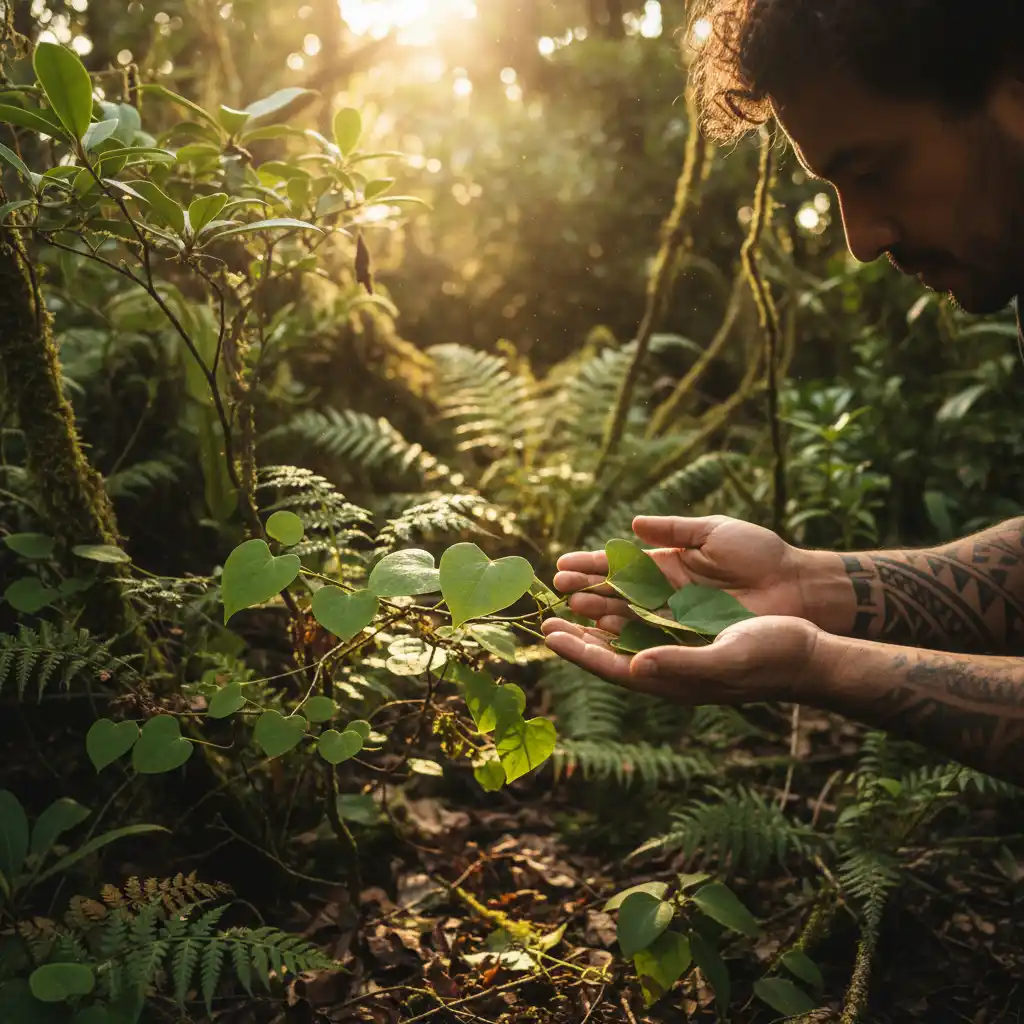
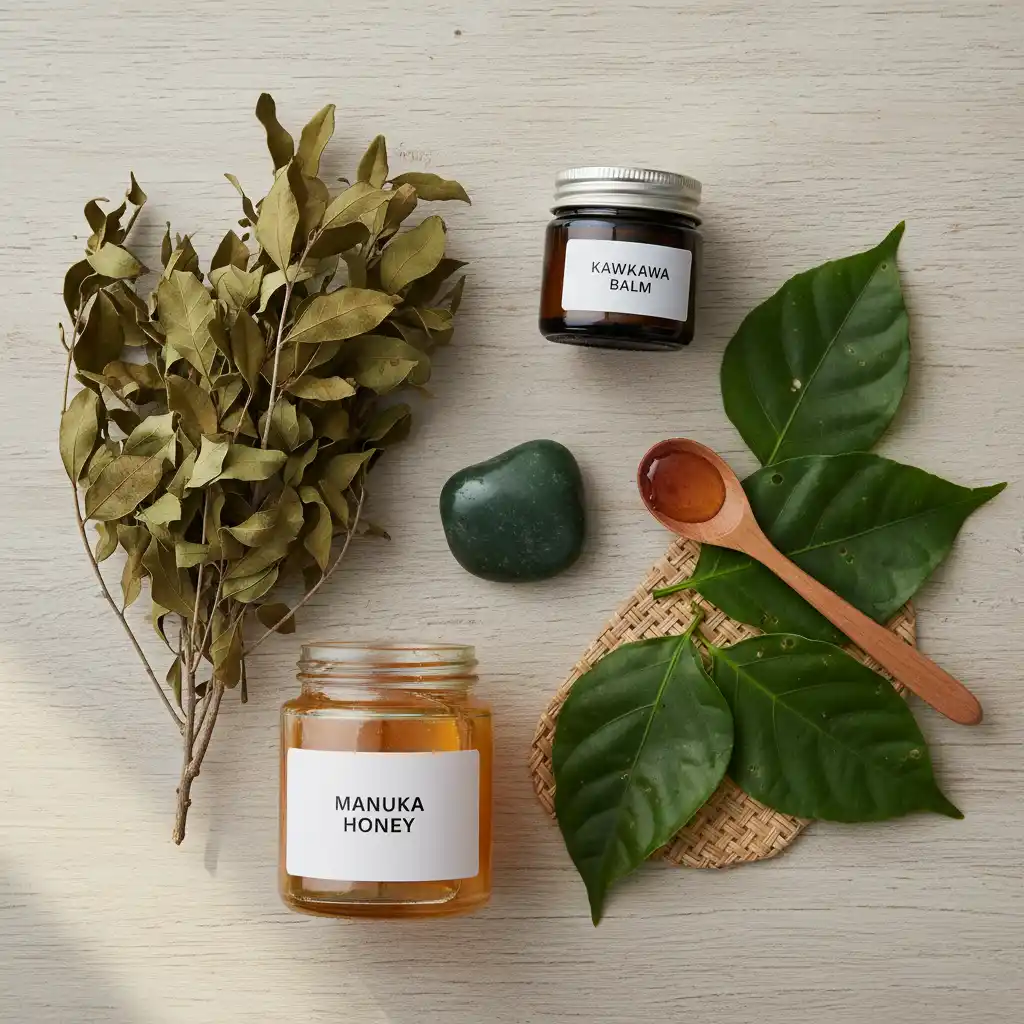
- Rongoā Rākau: The use of native plant medicines (flora) to treat ailments. This includes tonics, salves, and poultices made from plants like Kawakawa, Kūmarahou, and Manuka. Authenticity here involves strict harvesting protocols.
- Mirimiri and Romiromi: Traditional bodywork and massage. While Mirimiri is often soft tissue work to release tension, Romiromi is a more vigorous, deep-tissue practice intended to release blocked energy and trauma stored in the body.
- Wairuatanga: Spiritual healing. This involves clearing spiritual blockages, often through karakia (incantation/prayer) and water cleansing rites.
Understanding these modalities prevents confusion. For example, if you are seeking physical manipulation for back pain, you would look for a practitioner skilled in Mirimiri or Romiromi, whereas for an internal infection, a specialist in Rongoā Rākau would be appropriate.
Questions to Ask When Seeking a Practitioner
Navigating the search for a healer can be daunting, especially for those unfamiliar with Te Ao Māori (the Māori world). However, asking respectful questions is encouraged and is a sign that you value the integrity of the practice. A legitimate practitioner will be happy to answer inquiries about their background and methods.
1. “Who is your Kaiako (teacher) or mentor?”
As mentioned, lineage is key. An authentic practitioner will honor their teacher by naming them. If someone is evasive about where they learned their skills or claims to be entirely “self-taught” without any community guidance, proceed with caution.
2. “What tikanga (protocols) do you follow?”
You might ask how they harvest their plants or prepare their space. Answers should reflect concepts of sustainability, respect for nature, and spiritual safety. For example, they should mention asking permission from the forest (Te Waonui a Tāne) before harvesting.
3. “Are you registered with any organization?”
While registration is not mandatory for all traditional healers, many are now registered with Te Kāhui Rongoā (the national collective of Māori healers) or are approved providers for ACC (Accident Compensation Corporation). This provides an added layer of safety and verification for the public.
Red Flags: Spotting Cultural Appropriation
With the global rise in interest regarding indigenous wisdom and Ethnobotany: Learning from Global Herbal Practices, Rongoā Māori is unfortunately susceptible to cultural appropriation and commercialization. It is vital to distinguish between those genuinely practicing the art and those exploiting it for profit.
High Costs for “Sacred” Knowledge: Traditionally, Rongoā was often exchanged for koha (donation/gift) rather than a fixed commercial fee, though modern practitioners must cover overheads and make a living. However, be wary of individuals charging exorbitant amounts for “secret” cures or claiming to sell the “spiritual essence” of Māori healing without any community connection.
New Age Fusion: Authentic Rongoā is distinct from general “New Age” spirituality. Be cautious of practitioners who mix Rongoā indiscriminately with crystals, reiki, or other modalities without a clear understanding of the boundaries between them. While integration is possible, the core of Rongoā must remain grounded in Māori philosophy.
Lack of Te Reo Māori: Language is the carrier of culture. While a practitioner does not need to be fluent to be effective, a complete lack of understanding of basic Rongoā terminology or mispronunciation of plant names can indicate a lack of depth in their training.
Reputable Organizations and Educational Pathways
For those seeking treatment or those wishing to learn, turning to established organizations is the safest route. These bodies uphold the standards of the practice and ensure safety for both the healer and the patient.
Te Kāhui Rongoā
Te Kāhui Rongoā is the national professional body for Rongoā Māori healers in Aotearoa. They work to protect, nurture, and promote the practice. They maintain a register of healers who have been vetted for their authenticity and safety. This is the gold standard for finding a verified practitioner.
ACC (Accident Compensation Corporation)
In a historic move recognizing the validity of traditional medicine, ACC now funds Rongoā Māori services for injured New Zealanders. Practitioners who are ACC-registered have met specific criteria regarding their qualifications and safety standards. You can search for ACC-registered Rongoā providers directly through the ACC website or by asking your case manager.
For further reading on the history and cultural significance of these practices, Te Ara – The Encyclopedia of New Zealand offers comprehensive resources.
Educational Institutions
For those interested in learning, avoid unverified online courses. Look for programs offered by Wānanga (Māori tertiary institutions) such as Te Wānanga o Aotearoa or Te Wānanga o Raukawa. These institutions offer accredited diplomas in Rongoā that are taught by recognized experts and include the necessary cultural immersion.
Integrating Rongoā with Western Medicine
An authentic Rongoā practitioner respects the place of western medicine. They generally do not advise clients to stop taking prescribed medication without consulting a doctor. Instead, they work in a complementary fashion. This is known as “integrated care.”
The Ministry of Health (Manatū Hauora) acknowledges the importance of Rongoā in improving health outcomes, particularly for Māori. Authentic practitioners often collaborate with GPs and hospitals to ensure that the patient receives the best of both worlds—acute medical care alongside holistic support for recovery. For more on the government’s stance on traditional health, you can visit the Ministry of Health website.
People Also Ask
Is Rongoā Māori covered by ACC?
Yes, ACC (Accident Compensation Corporation) covers Rongoā Māori services for accepted injury claims. You must use an ACC-registered Rongoā practitioner. The funding can cover sessions for Mirimiri (bodywork), Romiromi, and sometimes Rongoā Rākau (plant medicine) depending on the specific arrangement and provider.
What is the difference between Rongoā and Naturopathy?
While both use plants for healing, Rongoā Māori is deeply rooted in Māori culture, spirituality (Wairua), and connection to the land (Whenua). Naturopathy is generally based on Western or European herbal traditions. Rongoā involves strict cultural protocols (tikanga) like karakia (prayer) during harvesting and preparation, which are not standard in general naturopathy.
Can anyone learn Rongoā Māori?
Yes, anyone can learn, but it requires deep respect for the culture and protocols. It is not just about learning plant properties but understanding the Māori worldview. Traditionally, knowledge was selected for specific individuals, but today, Wānanga (tertiary institutions) offer courses to the public that teach the practice safely and respectfully.
How do I know if a Rongoā healer is safe?
To ensure safety, check if the healer is registered with Te Kāhui Rongoā or is an ACC-approved provider. Ask about their lineage (who taught them) and observe if they follow safety protocols (hygiene, boundaries). A safe healer will also respect any western medical treatments you are currently undergoing.
What are the main types of Rongoā healing?
The main types include Rongoā Rākau (plant herbal medicine), Mirimiri (soft tissue massage), Romiromi (deep tissue and energetic manipulation), Wairuatanga (spiritual healing), and Karakia (prayer/incantation). Authentic practitioners may specialize in one or combine several.
Is Rongoā Māori regulated in New Zealand?
Rongoā Māori is self-regulated primarily through Te Kāhui Rongoā, the professional body for practitioners. While not regulated by the same statute as doctors, the inclusion of Rongoā in ACC funding has introduced standardized criteria for safety and professional conduct among approved providers.