Herbal vinegar recipe NZ enthusiasts rely on the ancient art of acetous extraction, where high-quality vinegar (usually apple cider) serves as a solvent to pull minerals and therapeutic compounds from plant material. To create these potent infusions in Aotearoa, one combines native botanicals like Kawakawa or Manuka with vinegar in a sealed glass vessel, allowing them to macerate for 2 to 6 weeks before straining for culinary or medicinal use. Visit our Home page for further information.
The Science and Tradition of Herbal Vinegars
Herbal vinegars, technically known as acetous tinctures, have been a staple in apothecaries and kitchens for thousands of years. While alcohol is often considered the gold standard for extracting alkaloids and resins, vinegar offers a unique chemical profile that makes it superior for specific types of extraction. Understanding the chemistry behind your herbal vinegar recipe NZ creates a foundation for making potent, effective remedies.
Vinegar is a solution of acetic acid and water. This acidity makes it an excellent solvent for extracting minerals, particularly calcium, magnesium, and potassium, from nutrient-dense plants. Unlike alcohol, vinegar does not destroy the enzymes in fresh plant material if used raw, and it is generally safe for populations who must avoid alcohol, including children and those in recovery. In the context of New Zealand integrated herbal medicine, vinegar acts as a bridge between food and medicine, transforming wild weeds and native flora into functional tonics, similar to how warmth is used in Moxibustion: Heat Therapy Explained.
Historically, “Four Thieves Vinegar” is the most famous example—a blend used during the plague believed to offer protection. Today, in Aotearoa, we adapt these traditions using the abundant Rongoā Māori (traditional Māori medicine) plants available to us, which is rooted in Understanding Te Ao Māori (Māori Worldview) in Rongoā, creating distinct flavour profiles and therapeutic benefits found nowhere else in the world.

Choosing the Right Vinegar Base
The quality of your solvent dictates the quality of your final product. When formulating an herbal vinegar, you must match the vinegar type to your intended outcome—whether it is a medicinal tonic, a gourmet salad dressing, or a household cleaner.
Apple Cider Vinegar (ACV)
For medicinal preparations, organic Apple Cider Vinegar (ACV) with the “mother” is the preferred choice. The “mother” is a colony of beneficial bacteria and yeast (probiotics) that supports gut health. ACV typically has an acidity of around 5%, which is sufficient for preservation and extraction. Its flavour profile pairs exceptionally well with most medicinal herbs, particularly nutritive weeds like nettle and dandelion.
White Distilled Vinegar
While lacking the nutritional profile of ACV, white vinegar is indispensable for cleaning vinegars. It is inexpensive, clear, and has a sharp acidity that cuts through grease and grime. Infusing white vinegar with citrus peels or antimicrobial herbs like Thyme creates a powerful, non-toxic surface cleaner.
Wine Vinegars (Red, White, Balsamic)
These are best reserved for culinary-focused infusions. A red wine vinegar infused with rosemary and garlic makes a sophisticated base for vinaigrettes, while white wine vinegar is delicate enough for edible flowers like nasturtium or borage.
New Zealand Native Botanicals for Infusion
The true power of an herbal vinegar recipe NZ lies in the unique botanicals of Aotearoa. When harvesting native plants, it is vital to adhere to tikanga (cultural protocols), which includes saying a karakia (prayer/acknowledgment), harvesting sustainably (taking only what you need), and respecting the plant’s lifecycle.
Kawakawa (Macropiper excelsum)
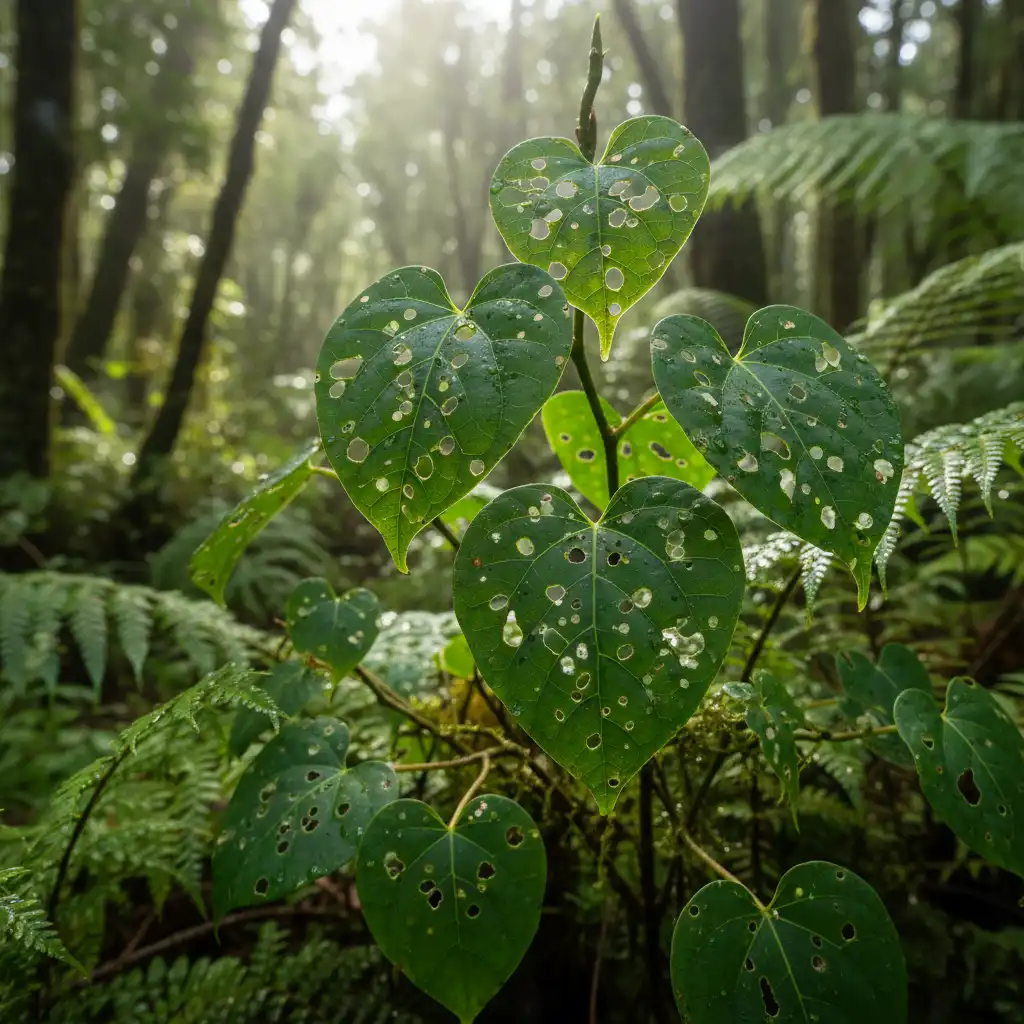
Kawakawa is perhaps the most versatile herb for vinegar infusions. Known for its heart-shaped leaves, it supports digestion, circulation, and reduces inflammation. A Kawakawa-infused vinegar can be taken as a daily tonic to settle the stomach or used topically as a hair rinse to soothe an itchy scalp.
Manuka (Leptospermum scoparium)
Both the leaves and flowers of the Manuka tree contain antimicrobial properties. Infusing Manuka into vinegar creates a gargle for sore throats or a base for salad dressings that helps combat winter ills. The flavour is aromatic, earthy, and slightly bitter.
Horopito (Pseudowintera colorata)
Known as the New Zealand pepper tree, Horopito leaves have a hot, spicy kick and potent antifungal properties. This is an excellent addition to a “Fire Cider” style blend, replacing cayenne pepper. It warms the circulation and fights yeast overgrowth.
Common Weeds
Do not overlook the introduced “weeds” abundant in NZ gardens. Chickweed, Cleavers, and Dandelion leaves are mineral powerhouses. Soaking these in vinegar extracts their calcium and magnesium, making a “multivitamin” vinegar that costs nothing to produce.
Step-by-Step Herbal Vinegar Recipe NZ
The beauty of making herbal vinegar lies in its simplicity. While you can measure by weight, the “folk method” (measuring by volume) is widely accepted and effective for home herbalists.
Equipment Needed
- Clean glass jars with wide mouths (sterilized).
- Plastic lids OR parchment paper (to prevent corrosion).
- Chopstick or glass stirring rod.
- Muslin cloth or fine mesh strainer.
- Amber bottles for final storage.
The Process
- Harvest and Prep: Gather your herbs. If using fresh herbs, wash and dry them thoroughly to remove surface moisture, which can dilute the vinegar and cause spoilage. Chop the herbs to increase surface area.
- Fill the Jar:
- Fresh Herbs: Fill the jar 3/4 full loosely packed.
- Dried Herbs: Fill the jar 1/3 to 1/2 full (they will expand).
- Pour the Vinegar: Pour your chosen vinegar (usually ACV) over the herbs, filling the jar to the very top. Ensure all plant material is completely submerged. Exposed herbs can mold.
- Remove Air Bubbles: Use a chopstick to poke around the jar, releasing trapped air bubbles. Top off with more vinegar if the level drops.
- Seal Correctly: Vinegar corrodes metal lids rapidly. Use a plastic lid, or place a piece of wax paper or parchment paper between the jar rim and a metal lid.
- Macerate: Place the jar in a cool, dark cupboard. Shake it daily (or whenever you remember) for 2 to 6 weeks.
- Strain and Bottle: Strain the liquid through muslin cloth, squeezing out every drop of liquid from the plant material. Compost the spent herbs. Pour the finished vinegar into clean bottles and label with the date and ingredients.

Advanced Techniques: Oxymels and Fire Ciders
Once you have mastered the basic infusion, you can elevate your preparations by combining your herbal vinegar with honey. This preparation is known as an Oxymel (from the Greek oxy meaning acid and mel meaning honey).
The NZ Fire Cider
Fire Cider is a traditional spicy tonic used to ward off colds and flus. To make a Kiwi version, fill a jar with chopped onion, garlic, ginger, and turmeric. Instead of cayenne, add fresh Horopito leaves. Add lemon zest and Kawakawa. Cover with ACV and infuse for 4 weeks. Strain, then mix with high-quality Manuka honey to taste. This creates a potent immune-boosting elixir.
For more on the history of medicinal preparations, Wikipedia’s entry on Herbal Tonics offers a broad overview of global traditions.
Culinary, Medicinal, and Cleaning Applications
Your finished vinegar is a multi-purpose tool. Here is how to utilize your herbal vinegar recipe NZ creations effectively.
Health Tonics
Take 1 tablespoon of mineral-rich vinegar (like Nettle or Chickweed) in a glass of water before meals. The acidity can help stimulate stomach acid production, aiding in the digestion of proteins and absorption of minerals. For respiratory issues, a Thyme and Kawakawa oxymel can be taken by the spoonful to soothe coughs.
Culinary Delights
Herbal vinegars add complexity to food. A nasturtium vinegar adds a peppery bite to salads, while a fennel seed vinegar is excellent drizzled over roasted root vegetables. Integrating these into your diet is the easiest way to consume medicine daily without it feeling like a chore.
Green Cleaning
If you have infused white vinegar with lemon rinds, rosemary, or pine needles, dilute it 1:1 with water in a spray bottle. This makes an effective all-purpose cleaner for glass, countertops, and bathroom surfaces. The acetic acid kills bacteria and dissolves mineral deposits.
Storage, Safety, and Shelf Life
Vinegar is a self-preserving medium due to its low pH. However, proper storage ensures potency.
- Shelf Life: Strained herbal vinegars typically last 1-2 years if stored in a cool, dark place. However, the medicinal potency of the herbs may begin to fade after 12 months.
- Visual Checks: If you see mold growing on the surface (fuzzy, blue/green/white islands), discard the batch. This usually happens if plant material was floating above the vinegar line during maceration.
- Sediment: A little sediment at the bottom is normal, especially if you used powdered spices or pollen-heavy flowers. Simply shake before use.
- Container Safety: Never store vinegar in metal containers or jars with exposed metal lids, as the acid will leach heavy metals into your medicine.
For authoritative guidelines on food safety and preservation in New Zealand, resources from Ministry for Primary Industries (MPI) provide excellent standards for home processing.

Frequently Asked Questions
What is the best vinegar for herbal extraction?
Organic Apple Cider Vinegar (ACV) is generally considered the best for medicinal herbal extraction. It contains the “mother,” has a palatable flavour, and possesses a pH level that effectively extracts minerals and alkaloids while preserving the plant material.
Can I use fresh herbs for herbal vinegar?
Yes, you can use fresh herbs. However, it is crucial to wash and thoroughly dry them to remove external moisture. Excess water can dilute the vinegar’s acidity, potentially reducing shelf life or allowing spoilage. Fill the jar loosely when using fresh plants.
How long does herbal vinegar last?
When prepared and stored correctly in a cool, dark place, herbal vinegars can last for 1 to 2 years. While they remain safe to consume for a long time, the potency of the herbal flavours and medicinal compounds is best within the first year.
What are the benefits of drinking herbal vinegar?
Drinking herbal vinegar can aid digestion, regulate blood sugar levels, and provide a bioavailable source of minerals like calcium and magnesium. Specific benefits depend on the herbs used; for example, Kawakawa aids digestion, while Thyme supports respiratory health.
Why do you use plastic lids with vinegar?
Vinegar is highly acidic and will corrode metal lids rapidly. This corrosion can ruin the flavour of your vinegar and leach unwanted metallic compounds into your tincture. Always use plastic lids or place a barrier like wax paper between the jar and a metal lid.
Which NZ native plants are safe for vinegar infusions?
Popular and generally safe NZ native plants for vinegar infusions include Kawakawa (digestive), Manuka (antimicrobial), Horopito (fungal/spicy), and Kumarahou (respiratory). Always ensure you can positively identify the plant and harvest from a pollution-free area.