
Natural menopause supplements are botanical remedies, vitamins, and minerals used to alleviate symptoms of perimenopause and menopause, such as hot flashes, night sweats, and mood changes, without the use of synthetic Hormone Replacement Therapy (HRT). Effective options include Black Cohosh and Red Clover for vasomotor symptoms, alongside adaptogens like Ashwagandha for adrenal support and hormonal balance, or anti-inflammatory solutions like Golden Milk: The Science of Haldi Doodh.
Understanding the Natural Transition
Menopause is not a disease to be cured but a natural biological transition marking the end of a woman’s reproductive years. However, the fluctuation and eventual decline of estrogen and progesterone can trigger a cascade of physiological changes that range from mildly annoying to debilitating. In the realm of Integrative Health, the goal is not merely to suppress symptoms but to support the body’s innate ability to find a new equilibrium.
While Hormone Replacement Therapy (HRT) is a standard conventional treatment, many women seek natural menopause supplements due to personal preference, contraindications to hormones, or a desire for a holistic approach. Herbal support, such as the resources found at our Home page, focuses on nourishing the endocrine system, mitigating inflammation, and providing the raw materials the body needs to adapt to lower hormone levels.
Managing Hot Flashes: The Powerhouses
Vasomotor symptoms, commonly known as hot flashes and night sweats, are the most frequent complaints during perimenopause. They result from the hypothalamus—the body’s thermostat—misinterpreting drop-offs in estrogen as a sign that the body is overheating. Several herbal allies have shown significant promise in regulating these temperature spikes.

Black Cohosh (Actaea racemosa)
Black Cohosh is arguably the most well-researched herb for menopausal relief. Native to North America, this root has been used for centuries by indigenous peoples for gynecological issues. Unlike phytoestrogens, Black Cohosh does not mimic estrogen directly; rather, modern research suggests it may act on neurotransmitters like serotonin and dopamine, which influence thermoregulation.
Clinical studies have yielded mixed but generally positive results, particularly for reducing the frequency and severity of hot flashes. It is often the first line of defense in natural medicine protocols. Standardized extracts (often measuring triterpene glycosides) are recommended to ensure potency.
Red Clover (Trifolium pratense)
Red Clover is a rich source of isoflavones, a type of phytoestrogen that mimics the structure of endogenous estrogen. These compounds can bind to estrogen receptors in the body, potentially compensating for the decline in natural hormone levels. This mechanism makes Red Clover particularly useful for women experiencing moderate hot flashes and vaginal dryness.
Integrative practitioners often suggest Red Clover teas or tinctures as a gentle, nutritive way to introduce these isoflavones. However, consistency is key; unlike pharmaceutical interventions, herbal supports like Red Clover build up in the system over weeks.
Bone Health: Protecting Density Naturally
Estrogen plays a critical role in osteoblast activity (bone formation). When levels drop, the rate of bone resorption can outpace formation, leading to osteopenia or osteoporosis. For women avoiding HRT, a proactive strategy involving specific nutrients is non-negotiable.
The Calcium-Magnesium Synergy
While calcium is the building block of bone, magnesium is the architect. Without sufficient magnesium, calcium cannot be effectively utilized by the bone matrix and may end up depositing in soft tissues. A ratio of 2:1 or 1:1 (Calcium to Magnesium) is often cited in integrative literature. Forms like magnesium glycinate or malate are preferred for their high absorption rates and lack of digestive side effects.
Vitamin K2 and D3
Vitamin D3 ensures calcium is absorbed from the gut into the bloodstream, but Vitamin K2 is required to direct that calcium into the bones and teeth. Natural menopause supplements focusing on skeletal health should always include this pair. According to the National Institutes of Health, adequate Vitamin D levels are essential for preventing bone fractures in postmenopausal women.
Trace Minerals and Silica
Herbs like Horsetail (Equisetum arvense) and Nettle are high in silica, a trace mineral vital for collagen production. Since bone is largely collagen mineralized with calcium, maintaining collagen integrity is just as important as mineral density, a process further supported by Shilajit: Mineral Pitch and Mitochondria.
Adrenal Support for Hormonal Transitions
One of the most overlooked aspects of menopause is the role of the adrenal glands. Before menopause, the ovaries are the primary producers of estrogen. After menopause, the ovaries retire, and the adrenal glands take over the production of estrone (a weaker form of estrogen). If a woman enters menopause in a state of chronic stress, her adrenal glands may be too fatigued to produce these backup hormones efficiently.

The Role of Adaptogens
Adaptogens are a unique class of herbs that help the body resist stressors of all kinds—physical, chemical, or biological. By supporting adrenal function, these herbs can smooth the menopausal transition.
- Ashwagandha: Known for reducing cortisol levels and improving sleep quality. It helps combat the “tired but wired” feeling often associated with hormonal shifts.
- Rhodiola Rosea: Excellent for energy and mental clarity. It helps combat the “brain fog” that many women report during perimenopause.
- Maca Root: A Peruvian tuber that nourishes the hypothalamus and pituitary glands. While it contains no hormones, it encourages the body to balance its own production.
Supporting the adrenals is essentially “upstream” medicine; by fixing the stress response, the downstream hormonal symptoms often become more manageable.
Phytoestrogen Safety and Efficacy
The topic of phytoestrogens—plant compounds that structurally resemble estrogen—often causes confusion. Foods like soy, flaxseeds, and herbs like Red Clover contain these compounds. The primary concern usually stems from women with a history of estrogen-sensitive cancers.
Selective Estrogen Receptor Modulators (SERMs)
Current research suggests that phytoestrogens act as Selective Estrogen Receptor Modulators (SERMs). This means they can have pro-estrogenic effects in some tissues (like bone and brain) while potentially having anti-estrogenic effects in others (like the breast and uterus). This duality is why many integrative oncologists view dietary phytoestrogens differently than synthetic estrogens.
However, safety is paramount. Women with a history of hormone-positive cancers should always consult their oncology team before starting concentrated supplements like Red Clover or Dong Quai. For the general population, studies indicate that moderate consumption of phytoestrogens is generally safe and may offer protective cardiovascular benefits.
How to Choose Quality Supplements
The supplement industry is loosely regulated, meaning the quality of natural menopause supplements can vary wildly. To ensure safety and efficacy, consider the following criteria:
- Standardization: Look for labels that state the percentage of active ingredients (e.g., “Black Cohosh standardized to 2.5% triterpene glycosides”). This ensures you are getting a therapeutic dose.
- Third-Party Testing: reputable brands will have their products tested by independent organizations like NSF International, USP, or ConsumerLab to verify purity and potency.
- Full Spectrum vs. Isolates: In herbal medicine, the “entourage effect” suggests that using the whole plant is often safer and more effective than isolating a single chemical constituent.
- Clean Inactive Ingredients: Avoid supplements packed with artificial fillers, colors, or common allergens like gluten and dairy.
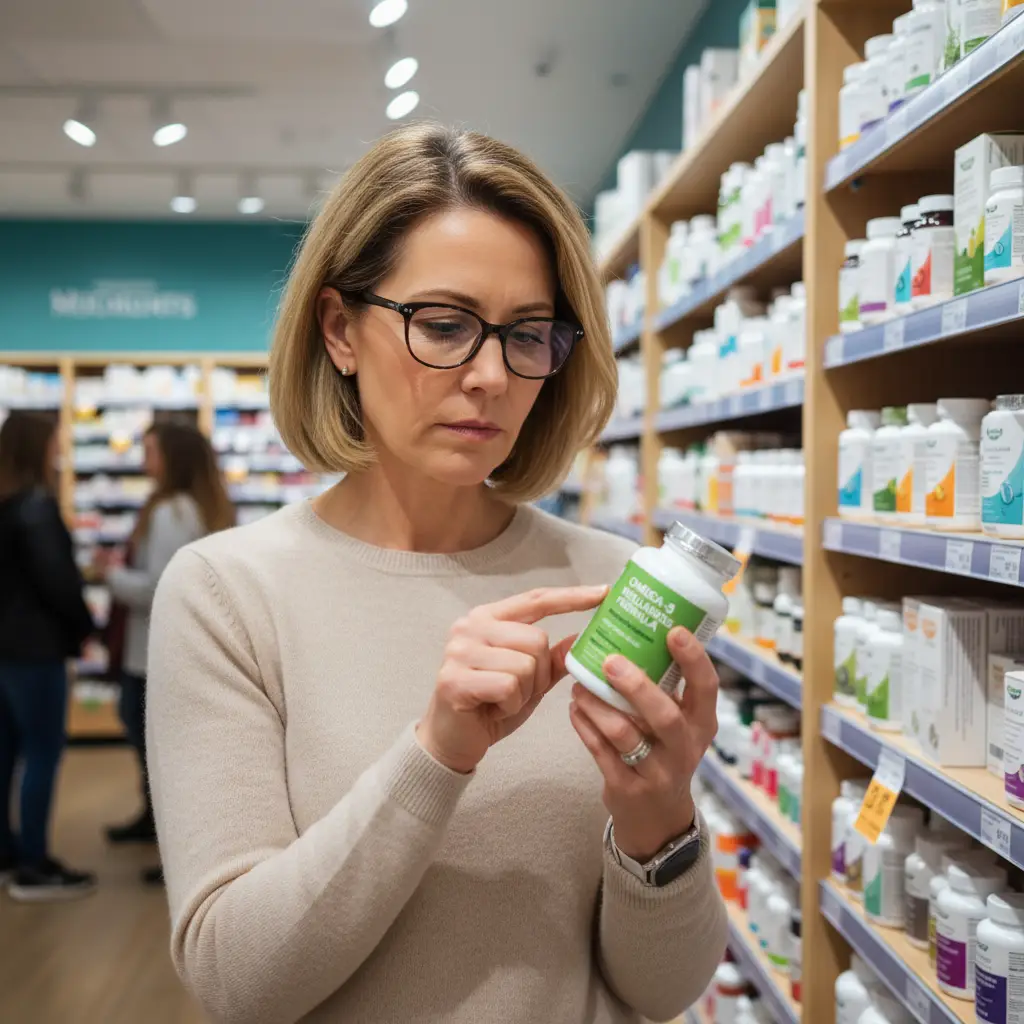
Navigating menopause naturally is a journey of listening to your body. What works for one woman may not work for another. It is often beneficial to start with adrenal support and lifestyle changes (diet, sleep, stress reduction) before adding specific herbal remedies for hot flashes. Always introduce one new supplement at a time to monitor how your body responds.
People Also Ask
What is the best natural supplement for menopause?
There is no single “best” supplement, as effectiveness depends on individual symptoms. However, Black Cohosh is widely regarded as the most effective for hot flashes, while Magnesium and Vitamin D are essential for bone health and sleep support.
How can I treat menopause without HRT?
Treating menopause without HRT involves a multi-faceted approach: dietary changes (increasing phytoestrogens and calcium), lifestyle modifications (stress reduction, weight-bearing exercise), and the use of targeted herbal supplements like Red Clover, Black Cohosh, and adaptogens to manage specific symptoms.
Does Black Cohosh actually work?
Yes, for many women. Multiple studies suggest Black Cohosh is effective in reducing the frequency and severity of vasomotor symptoms (hot flashes). It is approved in Germany for this use as a non-prescription medicine, though results can vary by individual.
Are phytoestrogens safe for breast cancer survivors?
This is a complex area. While dietary phytoestrogens (like those in whole soy foods) are generally considered safe and potentially protective, concentrated supplements (like Red Clover isoflavones) are often cautioned against for women with estrogen-receptor-positive breast cancer. Always consult an oncologist.
What vitamins are lacking during menopause?
During menopause, women often have increased needs for Calcium and Vitamin D due to bone density loss. B Vitamins (especially B6 and B12) are also crucial for energy and mood regulation, while Magnesium is often depleted by stress.
How long does it take for herbal supplements to work?
Unlike pharmaceutical drugs which may act quickly, herbal supplements typically require time to build up in the system. Most practitioners recommend taking a supplement consistently for 4 to 8 weeks before deciding whether it is effective for your symptoms.