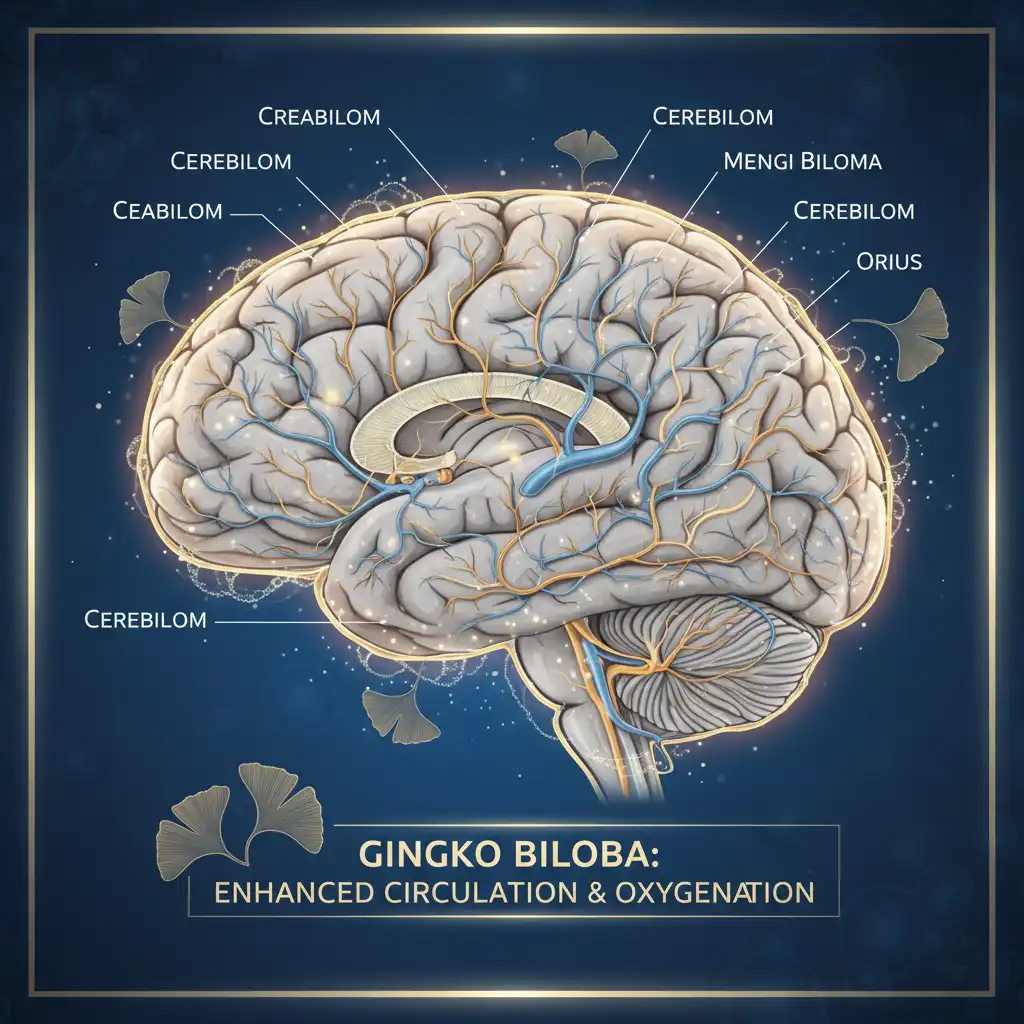
Ginkgo biloba cognitive benefits derive primarily from the plant’s potent ability to enhance cerebral blood flow and neutralize oxidative stress through specific compounds known as flavonoids and terpenoids. By improving microcirculation and mitochondrial function, standardized Ginkgo extracts support memory retention, mental processing speed, and focus, particularly in individuals experiencing age-related cognitive decline or vascular insufficiency, all found at our Home directory.
The Science of Cognitive Enhancement: Vasodilation and Neuroprotection
Ginkgo biloba, often referred to as a “living fossil,” is one of the oldest tree species in existence. While its leaves have been used in Traditional Chinese Medicine for millennia, modern integrative health focuses heavily on the pharmacological mechanisms that drive its cognitive benefits, emphasizing Ethical Sourcing and Sustainable Harvesting of Rongoā Plants. The efficacy of Ginkgo hinges on two distinct groups of active constituents: flavonoid glycosides and terpene lactones (specifically ginkgolides and bilobalide).
The primary mechanism by which Ginkgo supports brain health is vasodilation. The brain is a metabolically demanding organ, consuming roughly 20% of the body’s oxygen despite representing only 2% of its weight. As we age, the microcapillaries that feed neuronal tissue can become constricted or less efficient. Ginkgo biloba extracts help to dilate these blood vessels and reduce blood viscosity (thickness), ensuring a steady supply of oxygen and glucose to neurons. This improved perfusion is critical for maintaining synaptic plasticity and preventing neuronal death.
Furthermore, the neuroprotective properties of Ginkgo extend to the cellular level. Oxidative stress—damage caused by free radicals—is a major contributor to neurodegenerative diseases. The flavonoids found in Ginkgo act as powerful antioxidants, scavenging these free radicals and protecting the mitochondrial membranes within brain cells. By safeguarding the “power plants” of the cells, Ginkgo helps maintain energy production in the brain, which is essential for complex cognitive tasks such as memory recall and executive function.
Analyzing the Research: Dementia and Age-Related Decline
The application of Ginkgo biloba for dementia and Alzheimer’s disease has been the subject of extensive clinical research. While results have been mixed regarding the prevention of Alzheimer’s in healthy adults, the evidence is more compelling regarding the management of symptoms in those already suffering from cognitive impairment or vascular dementia.
Several systematic reviews suggest that Ginkgo biloba can stabilize or slow the decline in cognition, function, and behavior in patients with cognitive impairment. The mechanism here is likely tied to the vascular hypothesis of dementia. Since vascular dementia is caused by reduced blood flow to the brain, the circulatory boosting effects of Ginkgo offer a direct therapeutic pathway. By improving cerebral insufficiency, patients often report improvements in concentration, reduced brain fog, and better short-term memory.
It is important to manage expectations; Ginkgo is not a cure for Alzheimer’s. However, for individuals dealing with “Subjective Cognitive Decline” (SCD)—the self-reported worsening of confusion or memory loss—Ginkgo represents a viable, natural intervention to support brain resilience, much like Nux Vomica: The Modern Lifestyle Remedy. For a deeper dive into the clinical trials regarding Ginkgo and dementia, you can review summaries provided by the National Center for Complementary and Integrative Health (NCCIH).
The Importance of Standardized Extract EGb 761
Not all Ginkgo supplements are created equal. In the world of commercial investigation, discerning between high-quality extracts and generic leaf powder is the most critical factor for consumers. The vast majority of successful clinical trials utilize a specific, standardized extract known as EGb 761.
EGb 761 is a highly concentrated extract that is standardized to contain:
- 24% Flavone Glycosides: The antioxidant component responsible for neuroprotection.
- 6% Terpene Lactones: The compounds responsible for improving blood flow and reducing clotting.
- Less than 5 ppm Ginkgolic Acids: Toxic compounds found in the raw leaf that can cause severe allergic reactions and must be removed.
Generic supplements that simply grind up dried Ginkgo leaves without this standardization process often fail to deliver therapeutic results. They may lack the concentration of active ingredients required to cross the blood-brain barrier or may contain high levels of ginkgolic acids. When shopping for Ginkgo biloba for cognitive benefits, consumers must look for the label specification “Standardized to 24% flavone glycosides and 6% terpene lactones” to ensure they are purchasing a product capable of replicating clinical results.

Circulation and Vascular Health: Beyond the Brain
While cognitive benefits are the primary driver for Ginkgo supplementation, the herb’s impact on general circulation provides systemic health advantages. The same vasodilation that helps the brain also assists the peripheral circulatory system.
Peripheral Artery Disease (PAD)
PAD is a condition where narrowed arteries reduce blood flow to the limbs, often causing leg pain when walking (intermittent claudication). Studies have demonstrated that standardized Ginkgo extracts can increase the distance patients with PAD can walk without pain. While it is not a replacement for pharmaceutical interventions in severe cases, it serves as a supportive therapy for improving mobility and quality of life.
Ocular Blood Flow
The eyes are an extension of the brain and are highly vascularized. Conditions like glaucoma are often exacerbated by poor blood flow and high intraocular pressure. Some research indicates that Ginkgo biloba may improve blood flow to the optic nerve, potentially slowing the progression of normal-tension glaucoma and supporting vision health in aging adults.
Safety Profile: Bleeding Risks and Drug Interactions
Despite being a natural supplement, Ginkgo biloba is biologically active and carries specific risks that must be acknowledged. The most significant safety concern relates to its anticoagulant properties. Because Ginkgo inhibits platelet aggregation (clotting), it effectively acts as a mild blood thinner.
Contraindications and Interactions:
- Blood Thinners: Individuals taking anticoagulants such as Warfarin (Coumadin), Heparin, or antiplatelet drugs like Aspirin and Clopidogrel must consult a physician before taking Ginkgo. The combination can significantly increase the risk of internal bleeding.
- Surgery: Due to the bleeding risk, it is standard medical advice to discontinue Ginkgo biloba supplementation at least two weeks prior to any scheduled surgery or dental procedure.
- NSAIDS: Regular use of Ibuprofen or Naproxen alongside Ginkgo may also increase bleeding risk.
Common side effects are generally mild and may include headache, dizziness, palpitations, or stomach upset. However, raw or roasted ginkgo seeds are toxic and should never be consumed; only the leaf extract is safe for supplementation. For comprehensive safety data, refer to the Mayo Clinic’s guide on Ginkgo.
Recommended Dosage and Usage Guidelines
Establishing the correct dosage is vital for achieving the cognitive benefits seen in clinical literature. The “more is better” approach does not apply here; consistency and standardization are key.
Standard Dosage for Cognitive Support:
- Daily Total: Most studies on cognitive decline and memory use a dosage range of 120 mg to 240 mg per day.
- Administration: It is often recommended to split the dosage into two or three administrations (e.g., 60 mg twice daily or 80 mg three times daily) to maintain stable blood levels of the active compounds.
- Duration: Ginkgo biloba is not a fast-acting stimulant like caffeine. It works by gradually improving vascular health and cellular function. Users typically need to supplement consistently for 4 to 6 weeks before noticing tangible improvements in memory, focus, or circulation.
Always start with the lower end of the dosage spectrum (120 mg) to assess tolerance, particularly regarding gastrointestinal comfort. If no side effects occur and greater cognitive support is desired, the dose can be titrated up to 240 mg under the guidance of a healthcare professional.

People Also Ask
Does Ginkgo biloba really improve memory?
Ginkgo biloba has shown promise in improving memory, particularly in older adults experiencing age-related cognitive decline. It works by increasing blood flow to the brain. However, studies on healthy young adults show mixed results, suggesting it is more effective as a restorative aid rather than a general performance enhancer for healthy brains.
How long does it take for Ginkgo biloba to work for memory?
Ginkgo biloba is a slow-acting supplement. While some improved blood flow occurs shortly after ingestion, significant cognitive benefits typically require consistent supplementation for 4 to 6 weeks. Long-term trials often evaluate efficacy over periods of 3 to 6 months.
Who should not take Ginkgo biloba?
Individuals taking blood-thinning medications (anticoagulants or antiplatelets), those with bleeding disorders, pregnant or breastfeeding women, and people preparing for surgery should avoid Ginkgo biloba. It may also interact with certain antidepressants and diabetes medications.
Can Ginkgo biloba reverse dementia?
No, Ginkgo biloba cannot reverse dementia or cure Alzheimer’s disease. However, clinical evidence suggests it may help stabilize symptoms, slow the progression of cognitive decline, and improve the quality of life for patients with vascular dementia by enhancing cerebral circulation.
What is the best form of Ginkgo biloba to take?
The best form is a standardized extract, most notably EGb 761. Look for supplements that guarantee 24% flavone glycosides and 6% terpene lactones. Avoid raw leaves or non-standardized powders, as they may be ineffective or contain harmful levels of ginkgolic acids.
Does Ginkgo biloba help with brain fog?
Many users report reduced brain fog and improved mental clarity when taking Ginkgo biloba. This is attributed to its ability to increase oxygen and glucose delivery to the brain, which can help combat mental fatigue and improve processing speed.