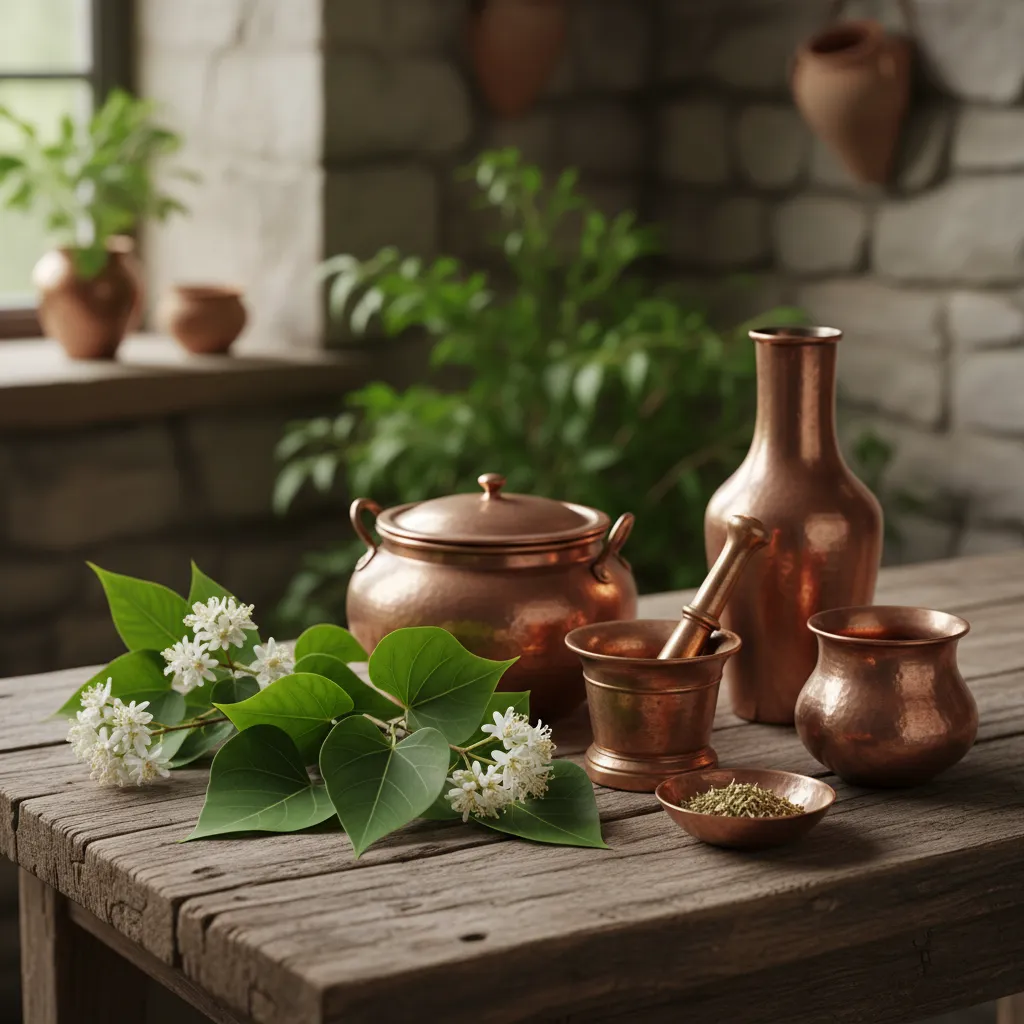
Global ethnobotany is the interdisciplinary scientific study of the dynamic relationships between peoples and plants across diverse cultures worldwide. It investigates how different societies classify, cultivate, and utilize flora for food, medicine, shelter, and spiritual practices, bridging the gap between traditional indigenous knowledge and modern botanical science to preserve cultural heritage and biodiversity.
The Essence of Ethnobotany: More Than Just Plants
Ethnobotany is often mistaken for simple herbalism, but it is a far more complex and rigorous discipline. It sits at the fascinating intersection of botany, anthropology, and ecology. While botany focuses on the biological characteristics of plants, ethnobotany global studies focus on the cultural context—the human story behind the leaf, root, and flower. It asks not just “What is this plant?” but “How does this culture perceive, manage, and rely upon this plant?”
Throughout human history, our survival has been inextricably linked to the vegetal world. Before the advent of synthetic chemistry, the forest was our pharmacy, our hardware store, and our grocery aisle. Indigenous communities developed sophisticated taxonomies and management systems for their local flora, knowledge that was passed down through oral traditions over millennia. This traditional ecological knowledge (TEK) represents a vast, largely untapped library of information regarding sustainable living and therapeutic interventions. Explore more at our Home.
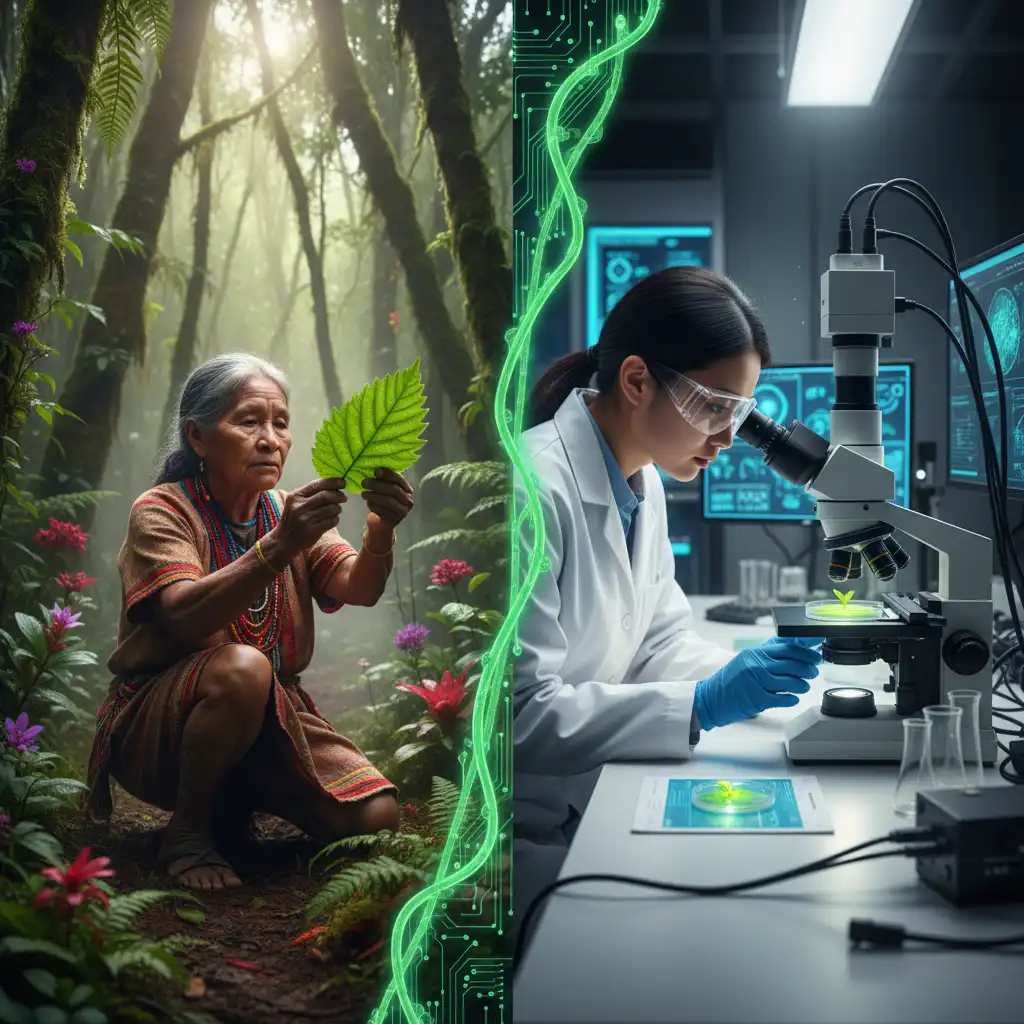
In the modern context, ethnobotany serves as a critical bridge. It validates traditional practices through scientific inquiry, offering a holistic view of health that considers the physiological, psychological, and spiritual dimensions of healing. By studying global practices, we gain insight into the resilience of human societies and the adaptability of nature.
A World Tour of Plant Wisdom
To understand the scope of global ethnobotany, one must travel through the diverse biomes and cultures that have shaped human history. Every region offers a unique perspective on plant-human relationships.
The Amazon Rainforest: The Lungs and Pharmacy of the World
The Amazon basin is the epicenter of biodiversity and ethnobotanical knowledge. Here, indigenous tribes like the Yanomami and the Ashaninka possess an encyclopedic knowledge of thousands of plant species. The practice involves more than just physical application; it involves a spiritual negotiation with the plant spirits.
Plants like Banisteriopsis caapi (used in Ayahuasca) are not merely seen as hallucinogens but as “plant teachers” that grant access to spiritual realms for diagnosis and healing. This highlights a key ethnobotanical concept: the bio-psycho-social model of health, where mental and spiritual well-being are prerequisites for physical health.
Ayurveda and Traditional Chinese Medicine (TCM)
Moving to Asia, we encounter systems that have been codified for thousands of years. In India, Ayurveda utilizes plants like Ashwagandha (Withania somnifera) and Turmeric (Curcuma longa) based on the theory of doshas (body energies). Similarly, TCM relies on the balance of Qi, using complex formulations of herbs like Ginseng and Astragalus.
Unlike the often reductionist approach of Western medicine, which seeks to isolate a single active compound, these traditions emphasize synergy. They understand that the whole plant often contains buffering compounds that mitigate side effects and enhance bioavailability—a concept modern pharmacology is only beginning to fully appreciate.
From Forest to Pharmacy: Lessons for Modern Medicine
The contribution of ethnobotany to modern pharmacopeia cannot be overstated, including research into Natural Approaches to Hypertension. It is estimated that approximately 25% of all modern prescription drugs are derived from plants, and many of these were discovered by investigating traditional uses.
Consider the following landmark discoveries:
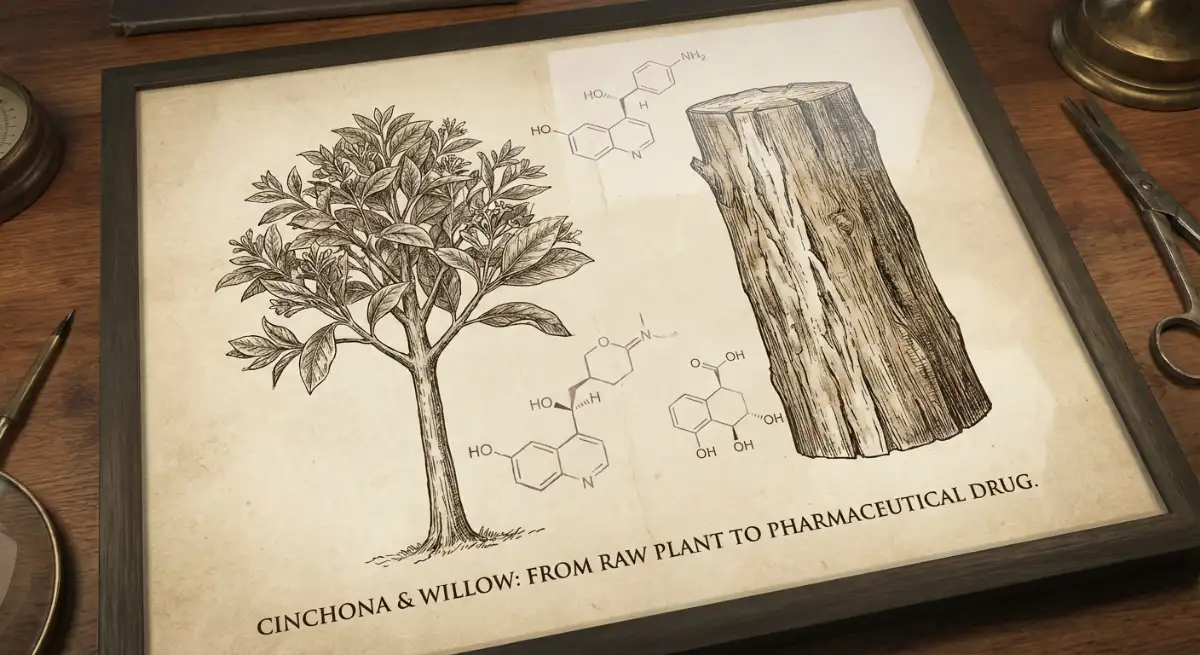
- Aspirin: Derived from the salicylates found in Willow bark (Salix spp.), used for centuries by Egyptians and Greeks for pain relief.
- Quinine: An anti-malarial alkaloid from the Cinchona tree, discovered by the indigenous peoples of Peru.
- Morphine: Extracted from the Opium Poppy, a potent analgesic with a history dating back to Neolithic times.
- Taxol: A chemotherapy drug derived from the Pacific Yew tree, initially identified through large-scale screening but highlighting the importance of plant biodiversity.
However, the modern ethnobotanical approach is shifting from “bioprospecting” (simply hunting for drugs) to “reverse pharmacology.” This involves taking a traditional formulation that has been used safely for generations and working backward to understand its mechanisms. This method is often more efficient than random screening and respects the clinical evidence inherent in centuries of traditional use.
Rongoā Māori: The Healing Spirit of Aotearoa
In the context of the New Zealand Integrated Herbal Medicine & Rongoā Māori Hub, it is vital to focus on the specific ethnobotanical heritage of Aotearoa. Rongoā Māori is the traditional healing system of the Māori people, encompassing herbal remedies (rongoā rākau), physical therapies (mirimiri), and spiritual healing (karakia).
Rongoā is holistic. You cannot separate the plant from the Tikanga (protocols) of harvesting. A healer does not simply take leaves; they acknowledge the Mauri (life force) of the plant and the forest (Te Wao Nui a Tāne). This respect ensures sustainability; traditionally, only the side of the tree facing the sun is harvested, and prayers are offered to give thanks.
Key Rongoā Species
Kawakawa (Piper excelsum): Often called the “pharmacy of the forest,” Kawakawa is used for digestive issues, skin ailments, and general tonic support. Its heart-shaped leaves are a symbol of healing in NZ culture and are often featured when Creating Herbal Teas for Common Ailments: A NZ Blend.
Manuka (Leptospermum scoparium): While famous globally for its honey, the leaves and bark have been used traditionally for fevers, urinary problems, and as a sedative. The antimicrobial properties verified by science today were well-known to Māori healers through practical application.
Koromiko (Hebe spp.): Historically used to treat dysentery and diarrhea. During World War II, dried Koromiko leaves were actually sent to NZ troops overseas to treat dysentery, a perfect example of ethnobotany in action during a crisis.
The Ethics of Bioprospecting and Preservation
As interest in global ethnobotany rises, so does the risk of exploitation. Historically, pharmaceutical companies have harvested indigenous knowledge without offering compensation or recognition to the communities that stewarded that knowledge. This is known as biopiracy.
Today, the field is governed by stricter ethical codes. The Nagoya Protocol on Access and Benefit-sharing is a key international agreement. It aims to share the benefits arising from the utilization of genetic resources in a fair and equitable way. You can read more about these international standards at the Convention on Biological Diversity.
Preservation is not just about legal rights; it is about saving the data itself. We are currently facing an “extinction of knowledge.” As indigenous languages die out, the botanical knowledge encoded in those languages vanishes. Ethnobotanists are now racing against time to document this wisdom, not just for drug discovery, but to preserve the cultural heritage of humanity.

Integrating Global Wisdom into Daily Life
Learning from global ethnobotany does not require one to become a scientist or travel to the Amazon. It starts with observing the plants in your own local ecosystem and respecting the lineage of the herbs you use.
Whether you are using Arnica (European tradition) for bruises, Turmeric (Indian tradition) for inflammation, or Kawakawa (Māori tradition) for digestion, you are participating in a global tradition of plant wisdom. The integration of this knowledge into modern healthcare—often called Integrative Medicine—offers a future where we utilize the best of high-tech diagnostics alongside the time-tested safety and synergy of herbal therapeutics.
By supporting sustainable harvesting, respecting indigenous intellectual property, and educating ourselves on the origins of our medicines, we contribute to a healthier planet and a more connected humanity.
Frequently Asked Questions
What is the main purpose of ethnobotany?
The main purpose of ethnobotany is to document, describe, and explain the complex relationships between cultures and (uses of) plants, focusing primarily on how plants are used, managed, and perceived in human societies. It aims to preserve traditional knowledge and apply it to modern challenges in medicine and conservation.
How does ethnobotany contribute to modern medicine?
Ethnobotany contributes to modern medicine by identifying plants used in traditional healing that may contain bioactive compounds. This leads to the discovery of new pharmaceuticals (like aspirin and morphine) and helps researchers understand synergistic plant interactions that can improve treatment protocols.
What is the difference between botany and ethnobotany?
Botany is the biological study of plants, focusing on their structure, genetics, ecology, and classification. Ethnobotany is an interdisciplinary field that combines botany with anthropology to study the interaction between humans and plants, focusing on the cultural and practical uses of flora.
Why is preserving indigenous plant knowledge important?
Preserving indigenous plant knowledge is crucial because it represents thousands of years of empirical testing regarding sustainable land management and medicinal uses. Losing this knowledge risks losing potential cures for diseases and vital strategies for biodiversity conservation.
What are examples of ethnobotanical drugs?
Famous ethnobotanical drugs include Aspirin (from Willow bark), Quinine (from Cinchona bark for malaria), Morphine (from Opium Poppy for pain), Digoxin (from Foxglove for heart conditions), and Taxol (from Pacific Yew for cancer).
How does Rongoā Māori fit into global ethnobotany?
Rongoā Māori is a significant branch of global ethnobotany specific to New Zealand. It offers unique insights into the medicinal flora of Aotearoa (like Kawakawa and Manuka) and emphasizes a holistic approach that combines physical herbal medicine with spiritual healing and environmental guardianship.