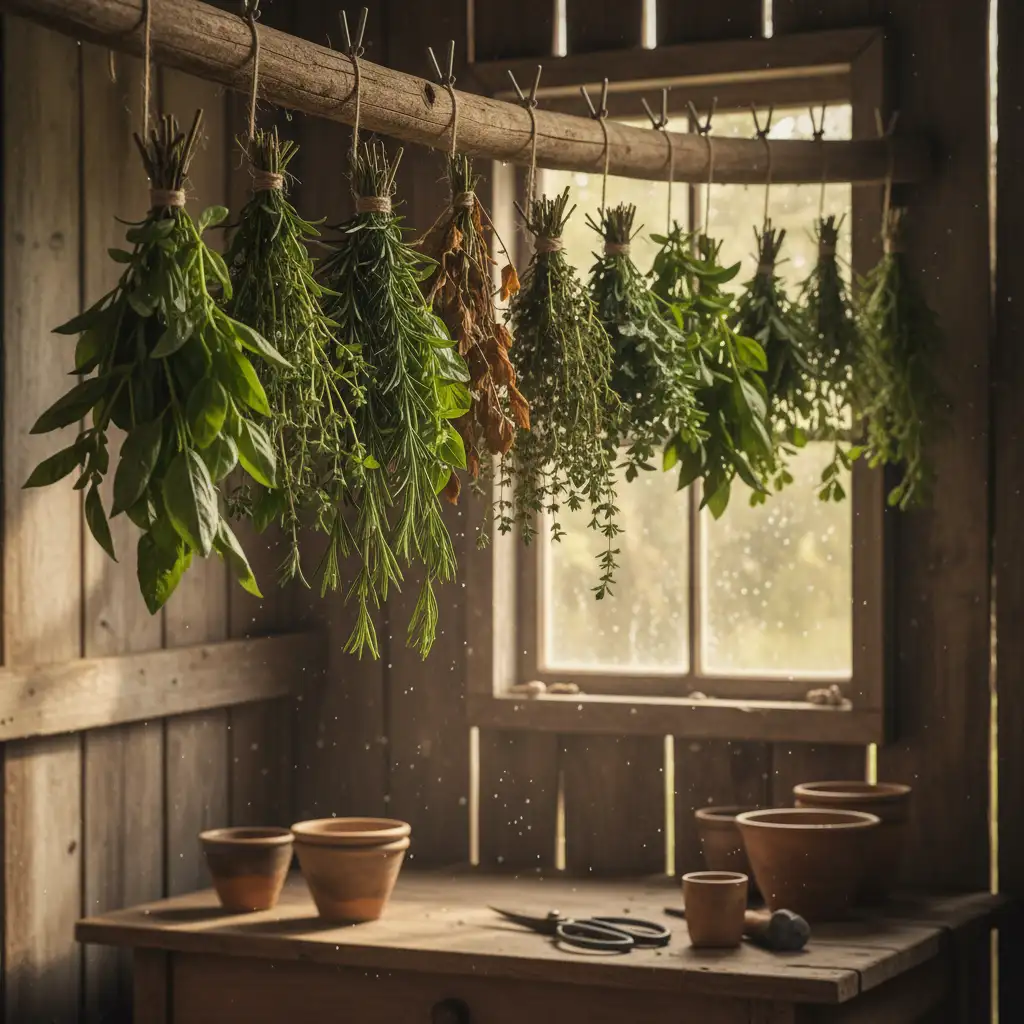
Homemade herbal quality control is the systematic process of ensuring safety, consistency, and efficacy in small-batch botanical preparations. It requires strict adherence to hygiene protocols, accurate plant identification, precise batch tracking, and environmental monitoring to prevent contamination. By implementing standardized operating procedures (SOPs) and Good Manufacturing Practices (GMP), Home herbalists can maintain professional standards comparable to commercial producers.
Best Practices for Hygiene and Sterilization
The foundation of any effective homemade herbal quality control system is an uncompromising commitment to hygiene. Whether you are creating a simple kawakawa balm or a complex tincture, the risk of microbial contamination is the single biggest threat to product safety and shelf life. For small-scale producers in New Zealand, adopting a mindset of “clinical cleanliness” within a home environment is essential.
The Importance of a Clean Workspace
Cross-contamination is a frequent issue in multi-use spaces like home kitchens. To mitigate this, specific zones must be established. Before beginning any production, surfaces should be sanitized using 70% isopropyl alcohol or a food-grade sanitizer. It is vital to remove all potential allergens (such as nuts, dairy, or gluten) from the immediate area to prevent accidental inclusion.
Air quality also plays a role. Avoid manufacturing during times when dust is being stirred up (e.g., vacuuming) or when strong odors from cooking are present. In professional Rongoā Māori practice, the space is often cleared spiritually (karakia) and physically to ensure the mauri (life force) of the rākau (plants) is respected and preserved.
Sterilization Techniques for Equipment
Cleaning is not the same as sterilizing. While cleaning removes visible dirt, sterilization kills microorganisms. For glass jars, bottles, and metal tools, heat sterilization is the most accessible method for home herbalists. This can be achieved by boiling equipment for at least 10 minutes or using an oven method for dry glass containers.
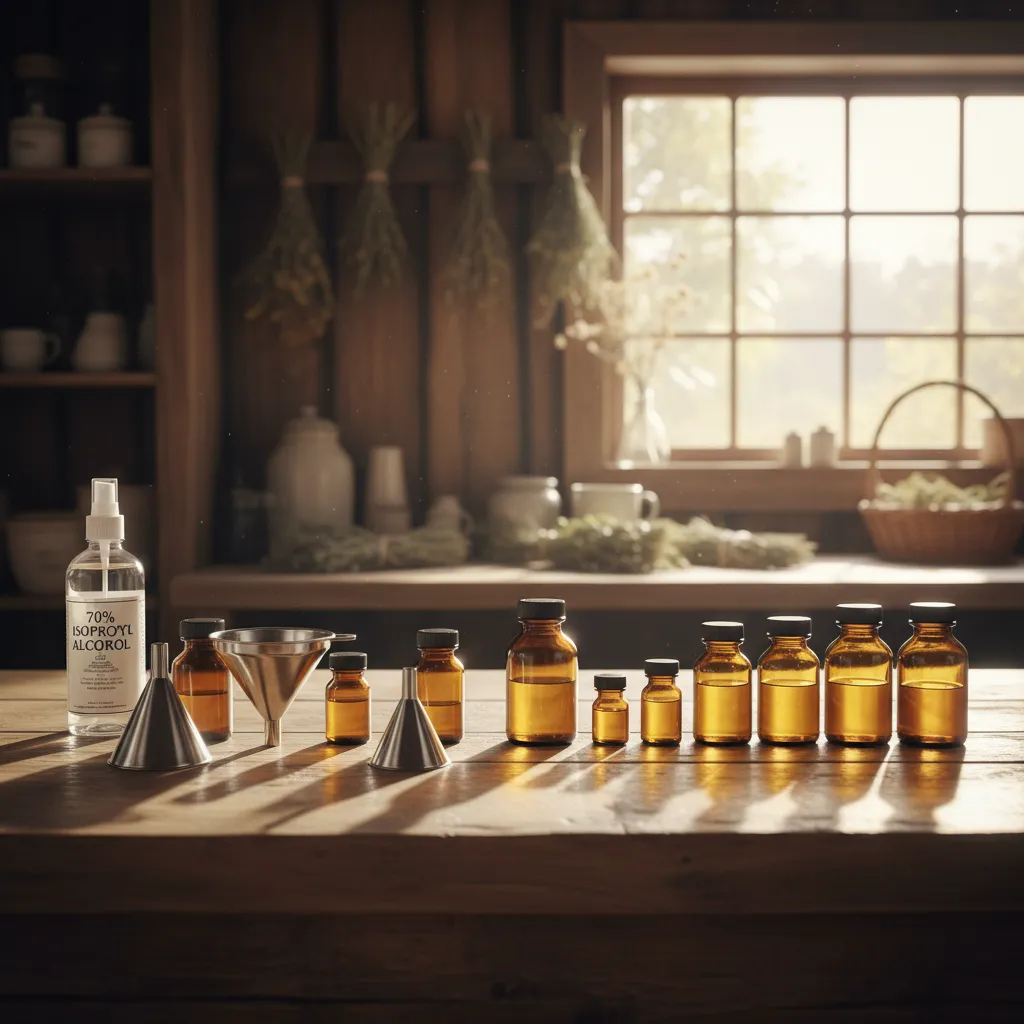
Plastic components, such as pump lids or droppers, often cannot withstand high heat. These should be washed in hot soapy water, rinsed thoroughly, and then submerged in a food-safe sanitizing solution. Always allow equipment to air dry completely on a clean rack; towel drying can reintroduce bacteria and lint.
Sourcing, Identification, and Tikanga
Quality control begins before the herbs enter the kitchen. It starts in the garden or the bush. In the context of New Zealand integrated herbal medicine, which often integrates ancient concepts like Yin and Yang: Biological Parallels, correct identification is a safety critical step, particularly given the similarity between some native species.
Accurate Plant Identification
Misidentification is a dangerous error in herbalism. A robust quality control process requires verification of the botanical identity of every ingredient. If you are harvesting wild plants, use at least two reliable field guides to cross-reference features. If purchasing dried herbs, buy only from reputable suppliers who provide a Certificate of Analysis (CoA) or botanical certification.
Tikanga and Sustainable Harvesting
For practitioners of Rongoā, quality control is intrinsically linked to Tikanga (cultural protocols). This involves harvesting at the right time of day (often morning when the dew has lifted) and the right time of the lunar cycle to ensure maximum potency. It also involves taking only what is needed to ensure the sustainability of the plant population. Respecting the plant ensures the medicine retains its mana. Harvesting from roadside verges or areas sprayed with pesticides must be strictly avoided to prevent chemical contamination.
Testing Methods for Potency and Purity
While home producers rarely have access to High-Performance Liquid Chromatography (HPLC) for chemical analysis, there are accessible methods to verify the quality of your batches.
Organoleptic Evaluation
Organoleptic testing uses the physical senses—sight, smell, taste, and touch—to evaluate a product. This is a valid and recognized initial quality control step.
- Sight: Check for clarity in tinctures, uniform color in powders, and separation in creams. Cloudiness in a tincture that should be clear may indicate fungal growth or excess water.
- Smell: The product should smell characteristic of the herbs used. Rancid notes in oils or salves indicate oxidation.
- Taste: (For edible products) Ensure the flavor profile is consistent with previous batches, especially when working with complex botanicals like Schisandra Berry: The Five-Flavor Fruit.
pH Testing and Moisture Control
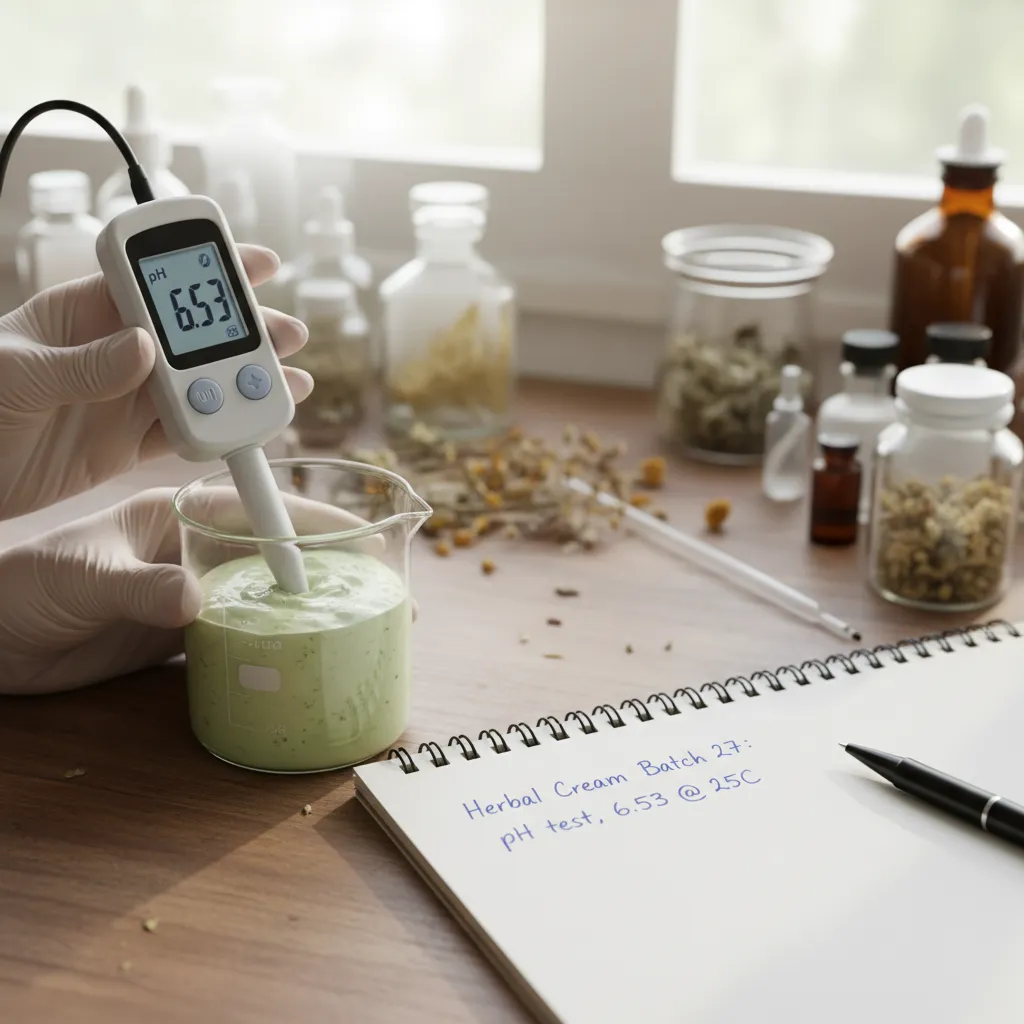
For water-containing products like lotions, creams, or toners, pH testing is mandatory. The pH level determines the efficacy of the preservative system. Inexpensive digital pH meters or high-quality litmus strips can be used. Most natural preservatives require a pH between 4.5 and 5.5 to function effectively against bacteria and mold.
Moisture control is critical for dried herbs. Herbs must be dried to a “snap dry” state before storage. Any residual moisture can lead to mold growth, producing mycotoxins that ruin the entire batch. Using silica gel packets in storage jars is a simple quality control measure to manage humidity.
Batch Tracking and Record Keeping
If you didn’t write it down, it didn’t happen. This is the golden rule of Good Manufacturing Practice (GMP). Record keeping transforms a hobbyist into a serious practitioner.
Creating a Master Batch Record
For every product type, you should have a Master Formula. For every production run, you create a Batch Record. This log should include:
- Batch Number: A unique code (e.g., KAW-231012 for Kawakawa Balm made on 12 Oct 2023).
- Date of Manufacture: When the product was made.
- Ingredients: Exact weights, supplier names, and their own batch numbers.
- Process Parameters: Temperatures reached, heating times, and mixing speeds.
- Yield: How many units were produced.
- Observations: Notes on color, scent, or any anomalies.
Labeling Requirements
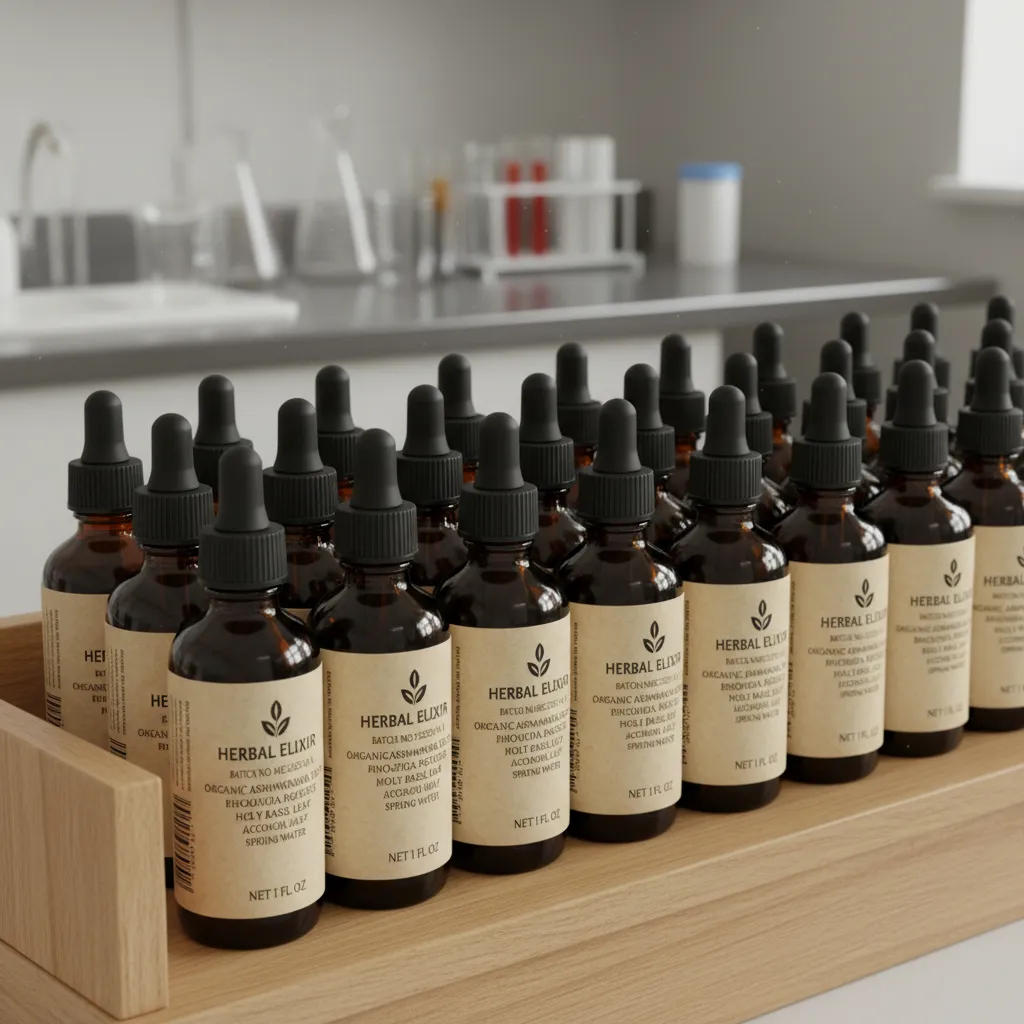
Proper labeling is a final check in the quality control chain. Labels must match the batch record. In New Zealand, even for small batches sold at markets, labels should clearly state the common name of the herb, the ingredients in descending order of weight, a batch number, and a “best before” date. This traceability ensures that if a customer reports an issue, you can immediately identify exactly which batch is affected and check your records for potential causes.
Scalability Challenges for Small Producers
Scaling from making ten jars for whānau (family) to a hundred jars for a market introduces new quality control variables.
Consistency at Scale
Scaling up recipes is not always linear. Doubling the ingredients doesn’t always result in the exact same consistency, particularly with emulsions (creams). You may need to adjust heating times or agitation speeds. Quality control during scaling involves doing “pilot batches”—small test runs of the larger volume to verify the formula holds up before committing expensive raw materials.
Storage and Shelf Life
Small batches are often used quickly. Larger batches may sit in storage for months. You must conduct stability testing. Keep a “control sample” from every batch in your storage area. Check it at 1 month, 3 months, and 6 months to see if it separates, changes color, or develops mold. If your control sample fails, you know the batch sold to customers is also compromised.
Regulatory Context in New Zealand
In New Zealand, herbal remedies fall under various regulations depending on whether they are classified as foods, dietary supplements, or medicines. The New Zealand Medicines and Medical Devices Safety Authority (Medsafe) provides guidelines on what constitutes a therapeutic claim. If you make therapeutic claims (e.g., “cures eczema”), your product may be classified as a medicine, requiring strict manufacturing licenses.
Most small herbal producers operate under the dietary supplement or cosmetic frameworks. However, the Ministry for Primary Industries (MPI) standards for food safety are a good benchmark for hygiene. Adhering to these standards voluntarily ensures your homemade herbal quality control is beyond reproach.
Frequently Asked Questions
How do I test the potency of homemade herbal tinctures?
Without lab equipment, potency is tested organoleptically (taste/smell) and by adhering to strict ratios (e.g., 1:5 herb-to-solvent ratio). Consistency in your extraction method is the best proxy for potency consistency in a home setting.
What is the shelf life of homemade herbal salves?
Generally, salves made with oil and beeswax last 1-2 years if stored in a cool, dark place. Adding Vitamin E (tocopherol) can help retard oxidation (rancidity) of the oils, extending freshness.
Do I need preservatives for homemade herbal creams?
Yes. Any product containing water (like creams, lotions, or aloe gels) requires a broad-spectrum preservative to prevent bacterial and fungal growth. Essential oils and Vitamin E are not sufficient preservatives for water-based products.
How do I sanitize jars for herbal remedies?
Wash jars in hot soapy water, rinse, and then place them in an oven at 110°C (230°F) for 20 minutes. Boil lids and rubber seals for 10 minutes. Allow everything to air dry completely before use.
What should be included on a homemade herbal product label?
Include the product name, full list of ingredients, net weight/volume, batch number, production date or best-before date, and your contact details. Safety warnings (e.g., “External Use Only”) are also crucial.
How do I track batches for small herbal businesses?
Use a logbook or spreadsheet. Assign a unique code to every batch. Record the date, ingredients used (including their source), method, and yield. Keep a sample of each batch for future reference.