The elderberry antiviral mechanism primarily functions by inhibiting the hemagglutinin protein on the surface of viruses, effectively blocking their ability to enter and infect host cells. Furthermore, bioactive compounds in Sambucus nigra, specifically anthocyanins and flavonoids, modulate the immune response by stimulating the production of inflammatory cytokines, thereby enhancing the body’s natural defense against influenza and upper respiratory tract infections, as noted on our Home.
The Science: How Elderberry Fights Viruses
In the realm of integrative health and natural medicine, the black elderberry (Sambucus nigra) stands out as one of the most researched botanicals for respiratory health. While traditional medicine has utilized the berries and flowers for centuries, modern pharmacology has sought to uncover the precise elderberry antiviral mechanism that validates its historical use. The antiviral activity is not singular; rather, it operates through a multi-pronged approach involving direct viral inhibition and cellular protection.
The primary mode of action targets the viral entry phase. Influenza viruses, for example, are covered in surface proteins known as hemagglutinin spikes. These spikes are like keys that the virus uses to unlock healthy cells and invade them. Research indicates that specific flavonoids found in elderberry extract bind to these hemagglutinin spikes. By coating the virus, the extract effectively “disarms” it, preventing the virus from attaching to the sialic acid receptors on the host cell membrane. If the virus cannot enter the cell, it cannot replicate.
Inhibition of Viral Replication
Beyond simply blocking entry, studies suggest that elderberry may interfere with the propagation of the virus even after infection has occurred. The biochemical compounds within the berry appear to inhibit the enzymatic activity required for the virus to duplicate its genetic material. This reduction in viral load is crucial for shortening the duration of illness. When viral replication is suppressed, the immune system has a manageable number of pathogens to eliminate, leading to a faster recovery time compared to placebo groups in clinical trials.
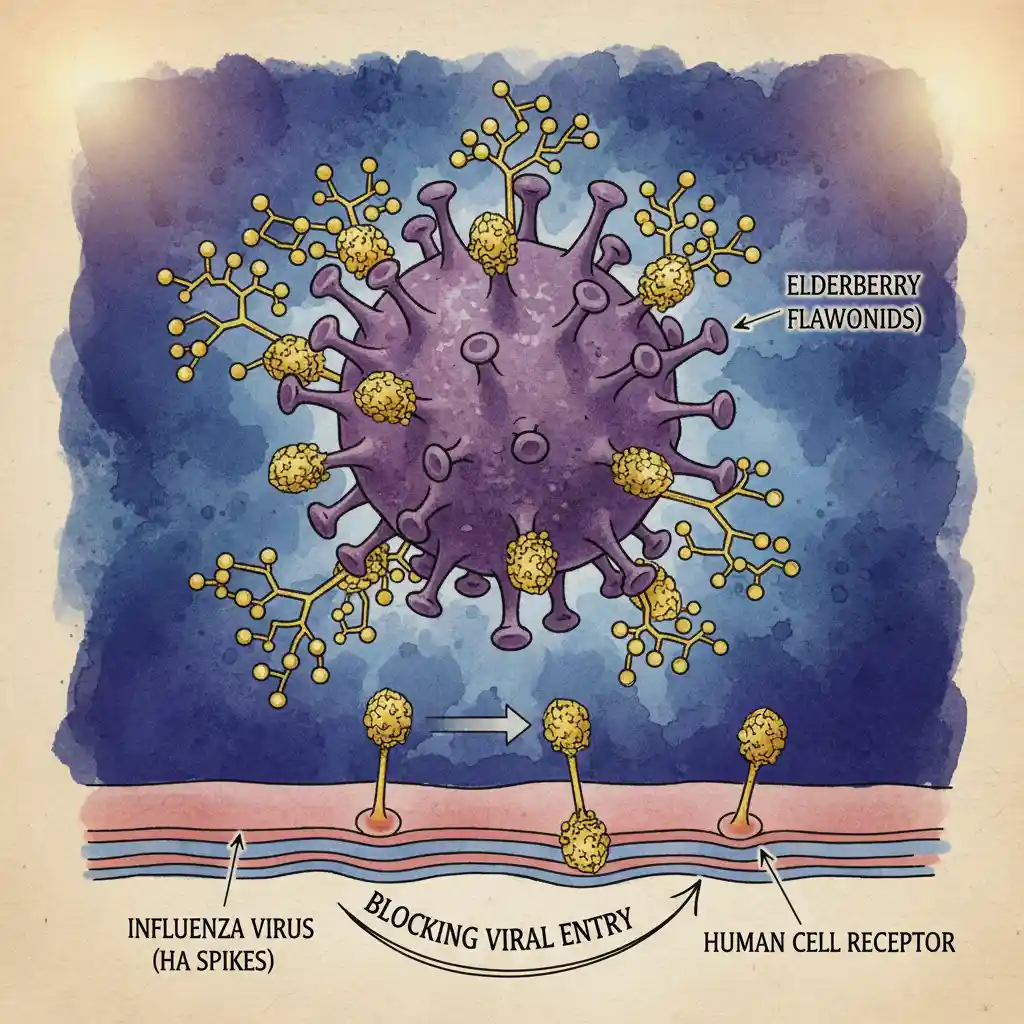
It is important to note that this mechanism is most effective when elderberry is introduced at the onset of symptoms. Because the primary mechanism involves blocking viral entry, prophylactic use or early intervention yields the most significant results in preventing the virus from establishing a stronghold in the respiratory tract, whereas rest and recovery are foundational to the Holistic Management of Insomnia.
Cytokine Stimulation and Immune Response
The elderberry antiviral mechanism is not limited to direct attacks on the virus; it also acts as a potent immunomodulator. Elderberry extracts have been shown to increase the production of inflammatory cytokines. Cytokines are signaling proteins that act as messengers between cells, regulating the body’s immune response to infection, inflammation, and trauma.
Specifically, Sambucus nigra has been observed to stimulate the production of cytokines such as Tumor Necrosis Factor-alpha (TNF-alpha) and various interleukins (IL-6, IL-1 beta). These chemical messengers alert the immune system to the presence of an invader, mobilizing white blood cells (macrophages and monocytes) to the site of infection to engulf and destroy pathogens.
Addressing the “Cytokine Storm” Concern
In the integrative health community, there has been debate regarding the safety of elderberry during severe respiratory infections due to the theoretical risk of a “cytokine storm.” A cytokine storm is an uncontrolled, excessive release of cytokines that can cause systemic inflammation and tissue damage. While elderberry does stimulate cytokine production, current evidence suggests it acts more as an immunomodulator rather than a trigger for hyper-inflammation in healthy individuals.
However, for individuals with autoimmune diseases or those experiencing severe systemic inflammation (such as late-stage viral pneumonia), the stimulation of the immune system requires caution. The consensus among herbalists is that elderberry is best used in the early stages of cold and flu (prevention and onset) rather than during the critical care phase of severe respiratory distress.
Critical Safety: Raw vs. Cooked & Cyanide Risks
One of the most critical aspects of utilizing elderberry safely is understanding the difference between raw and processed preparations. While the berries are medicinal powerhouses, the raw plant parts—including the leaves, stems, bark, and unripe or raw berries—contain cyanogenic glycosides, primarily sambunigrin.
When ingested, sambunigrin is hydrolyzed in the digestive tract to release hydrogen cyanide. While rarely fatal in adults due to the quantity required, consuming raw elderberries can lead to severe gastrointestinal distress, including nausea, vomiting, abdominal cramps, and diarrhea. This toxicity is the reason why one should never graze on raw elderberries in the wild.

Proper Processing Techniques
To neutralize the cyanide-inducing compounds, elderberries must be subjected to heat. Cooking or boiling the berries effectively degrades the sambunigrin, rendering the preparation safe for consumption. Commercial preparations, such as syrups, lozenges, and gummies, undergo rigorous processing standards to ensure safety, particularly when Importing Herbal Ingredients into New Zealand: Regulations and Requirements.
For home herbalists making DIY elderberry syrup:
- Destemming: Carefully remove all stems, as they contain higher concentrations of toxins than the berries.
- Ripeness: Only use fully ripe, dark purple/black berries. Discard any green or red berries.
- Heat: Boil the berries for at least 45 minutes to one hour.
For more detailed information on plant safety and toxicity, you can refer to the National Center for Complementary and Integrative Health (NCCIH).
Clinical Evidence and Efficacy
The efficacy of elderberry is supported by several randomized, double-blind, placebo-controlled studies. A landmark study conducted in Norway demonstrated that patients suffering from influenza A and B who took 15 ml of elderberry syrup four times a day recovered 4 days earlier on average than those taking a placebo. This aligns with the elderberry antiviral mechanism of halting replication, allowing the body to clear the infection rapidly.
Another study focused on air travelers found that while elderberry supplementation did not prevent the occurrence of colds entirely, it significantly reduced the duration of cold days and the severity of symptoms. This supports the classification of elderberry as a supportive therapy that mitigates the impact of illness rather than a complete prophylactic shield.
Pediatric Safety and Dosage Guidelines
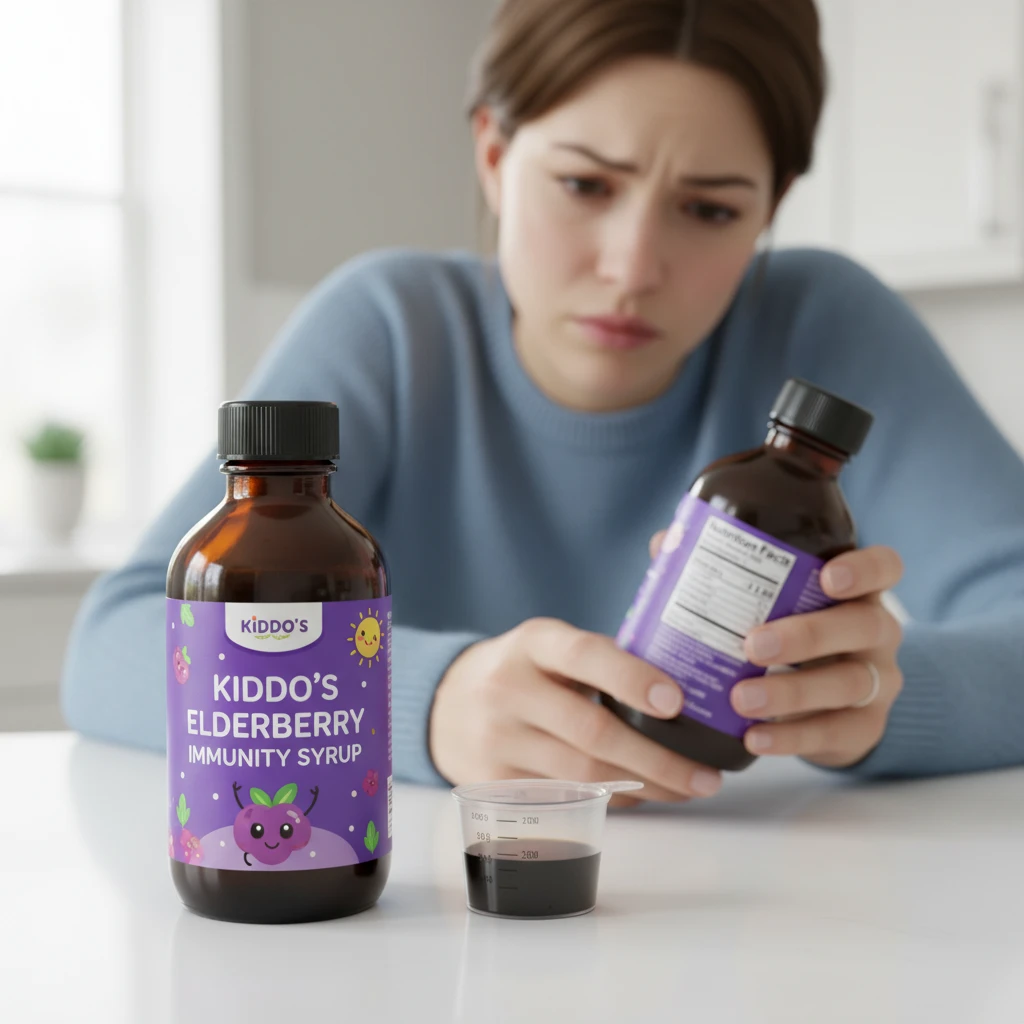
Parents often turn to elderberry as a natural alternative for children’s colds and flu. Generally, commercially prepared elderberry supplements are considered safe for children, but strict adherence to age-appropriate dosage is required. The concentration of elderberry varies significantly between brands, so reading the label is paramount.
General Dosage Considerations
While there is no standard global dosage, typical integrative medicine guidelines suggest:
- Children 1-6 years: 5-10 ml of standard syrup daily for maintenance; up to twice daily during acute illness. Consult a pediatrician before administering to children under 2 years old.
- Children 7-12 years: 10-15 ml daily; can be increased to 2-3 times daily during acute illness.
- Adults: 15 ml (1 tablespoon) daily for maintenance; up to 4 times daily at the first sign of symptoms.
It is vital to distinguish between concentrated extracts and diluted syrups. Gummies often contain less elderberry extract and more sugar, which may reduce therapeutic value compared to liquid extracts or capsules.
Selecting High-Quality Elderberry Products
Not all elderberry supplements are created equal. The market is flooded with products that may be adulterated or contain insufficient levels of active compounds. To ensure you are benefiting from the true elderberry antiviral mechanism, look for products derived from Sambucus nigra (European Elder), as this is the species most heavily researched.
Check for standardization. High-quality supplements will be standardized to contain a specific percentage of anthocyanins (often 13-15%). This ensures that the bioactive compounds responsible for hemagglutinin inhibition are present in therapeutic quantities. Additionally, avoid products with excessive added sugars or artificial preservatives, which can counteract the immune-boosting benefits.
For further reading on the taxonomy and characteristics of the plant, reliable sources like Wikipedia’s entry on Sambucus provide excellent botanical context.
Does elderberry actually kill viruses?
Elderberry does not technically “kill” viruses (as viruses are not alive), but it deactivates them. It inhibits the virus’s ability to enter host cells and replicate, effectively neutralizing the threat and allowing the immune system to clear the virus more efficiently.
Can you take elderberry every day?
Yes, many people take elderberry daily as a preventative measure during flu season. However, some herbalists recommend taking breaks (pulsing) to maintain the body’s responsiveness. Long-term safety data is limited, so it is often used seasonally rather than year-round.
What are the side effects of elderberry?
Properly cooked, ripe elderberry is generally safe. Side effects are rare but can include mild indigestion or allergic reactions in those sensitive to plants in the honeysuckle family. Consuming raw or unripe berries causes nausea, vomiting, and diarrhea.
Is raw elderberry poisonous?
Yes, raw elderberries contain cyanogenic glycosides which convert to cyanide in the digestive system. Eating raw berries can lead to severe gastrointestinal illness. They must be cooked to destroy these toxins before consumption.
Does elderberry cause cytokine storms?
While elderberry stimulates cytokine production, there is no clinical evidence that it induces a dangerous “cytokine storm” in healthy individuals with mild to moderate infections. However, those with autoimmune conditions or severe systemic inflammation should consult a doctor before use.
How much elderberry should I take for the flu?
At the first sign of flu symptoms, the standard adult dosage is often 15 ml (one tablespoon) of syrup taken four times daily for 3 to 5 days. It is most effective when started within 48 hours of symptom onset.