Cupping therapy works through a physiological mechanism known as myofascial decompression, where negative pressure lifts the skin and fascia to increase local blood circulation. Scientifically, this suction triggers the release of heme oxygenase-1 (HO-1) and anti-inflammatory cytokines, which modulate the immune system and reduce pain. While research is ongoing, current studies suggest cupping effectively treats musculoskeletal pain by enhancing microcirculation and stimulating the body’s natural recovery processes. Visit our Home.
The Mechanism of Myofascial Decompression
To understand the science behind cupping, one must first distinguish it from other forms of manual therapy. While massage, chiropractic adjustments, and physical therapy often rely on tissue compression (pushing down), cupping therapy utilizes decompression (pulling up). This negative pressure creates a unique physiological environment that separates the layers of the skin, fascia, and muscle.
When a vacuum is created inside the cup—either through thermal cooling (fire cupping) or mechanical suction (pump cupping)—the skin and subcutaneous tissue are drawn upward. This tensile stress stretches the underlying fascia. Fascia is the connective tissue that surrounds muscles and organs; when it becomes tight or adhered due to trauma or inflammation, it restricts movement and causes pain. The suction from cupping helps to physically break up these adhesions, allowing the fascial planes to glide more freely over the muscle tissue.

Furthermore, this mechanical stress activates mechanotransduction pathways in the cells. This means that the physical force of the suction is converted into biochemical signals within the body. These signals tell the body to initiate repair mechanisms in the localized area, essentially waking up the tissue to begin the healing process. This is why many practitioners describe cupping as a way to resolve “stagnation” in the body’s soft tissues.
Effects on Local Blood Flow and Cytokines
The question “does cupping work science” is best answered by looking at the biochemical changes that occur during a session. The most immediate and observable effect of cupping is hyperemia, or increased blood flow to the area. The suction causes vasodilation (widening of blood vessels), which floods the treated area with fresh, oxygenated blood.
The Heme Oxygenase-1 (HO-1) Pathway
One of the most significant scientific theories supporting cupping is the Heme Oxygenase-1 (HO-1) hypothesis. When the capillaries under the cup rupture slightly due to the pressure, they release hemoglobin into the local tissue. This is not a typical injury; rather, it acts as a stimulus.
The body perceives this as a mild stressor and responds by upregulating the production of the enzyme HO-1 to metabolize the heme. HO-1 is a potent antioxidant and anti-inflammatory agent. By intentionally triggering this pathway, cupping may help reduce systemic inflammation and oxidative stress. This mechanism explains why a localized treatment can sometimes have broader, systemic benefits for the patient.
Cytokine Modulation
Research indicates that cupping therapy can modulate the immune system by influencing cytokine levels. Cytokines are small proteins that act as messengers between cells. Studies have shown that following cupping therapy, there can be a decrease in pro-inflammatory cytokines and an increase in anti-inflammatory compounds. This shift, which aligns with principles of Naturopathic Nutrition: Food as Medicine, helps to downregulate the inflammatory response that often accompanies chronic pain conditions.
For a deeper dive into the immunomodulatory effects of cupping, you can review literature available through the National Institutes of Health (NIH) database, which hosts numerous studies regarding complementary therapies and their biological markers.
Dry Cupping vs. Wet Cupping: Safety and Efficacy
In the world of integrative health, it is crucial to distinguish between the two primary modes of cupping: dry and wet. Both have historical roots, but their safety profiles and mechanisms differ.
Dry Cupping
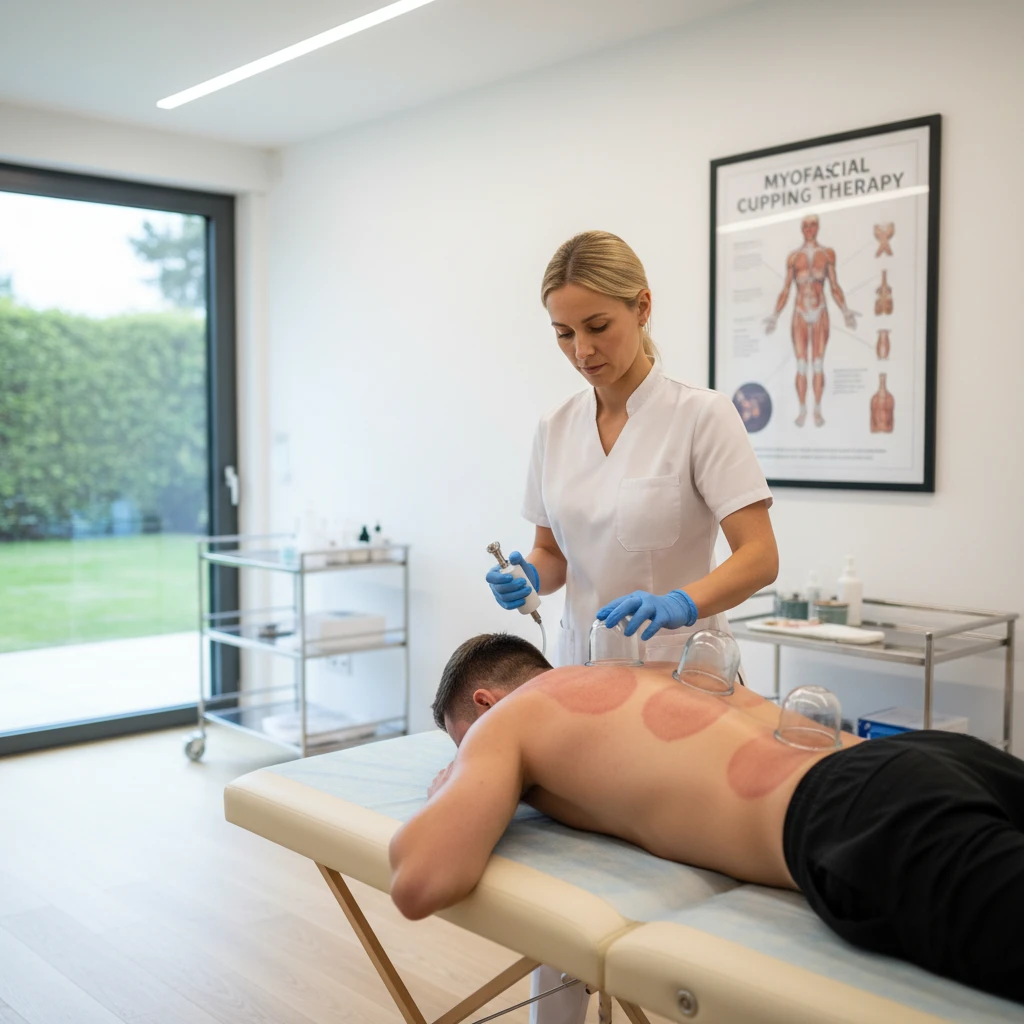
Dry cupping is the most common form practiced in Western clinics, physical therapy offices, and spas. It involves placing cups on the skin to create suction without drawing blood. The cups may be left stationary (static cupping) or moved around using oil (sliding cupping/guasha hybrid). The primary goal is myofascial release and increasing circulation.
Safety Profile: Dry cupping is generally considered very safe. The main side effects are the circular marks (ecchymosis) which are painless and fade within a week. Burns are a rare risk if fire cupping is performed negligently, but suction pumps eliminate this risk entirely.
Wet Cupping (Al-Hijamah)
Wet cupping involves a three-step process: suction, small incisions, and suction again to draw out a small amount of blood. This method is deeply rooted in traditional medicine, similar to the Ethical Sourcing and Sustainable Harvesting of Rongoā Plants, and is believed to remove toxins and stagnant blood directly.
Safety Profile: Wet cupping carries a higher risk profile due to the breach of the skin barrier. Strict sterilization protocols are mandatory to prevent infection. It should only be performed by licensed acupuncturists or medical professionals trained in blood-borne pathogen safety. While studies suggest wet cupping may have stronger analgesic effects for conditions like migraines, the invasive nature requires careful consideration.
Treating Musculoskeletal Pain and Recovery
The most robust evidence for cupping therapy lies in the treatment of musculoskeletal pain. High-profile athletes, such as Olympic swimmers, have popularized the therapy, but the benefits extend to the general population suffering from chronic back pain, neck stiffness, and knee osteoarthritis.
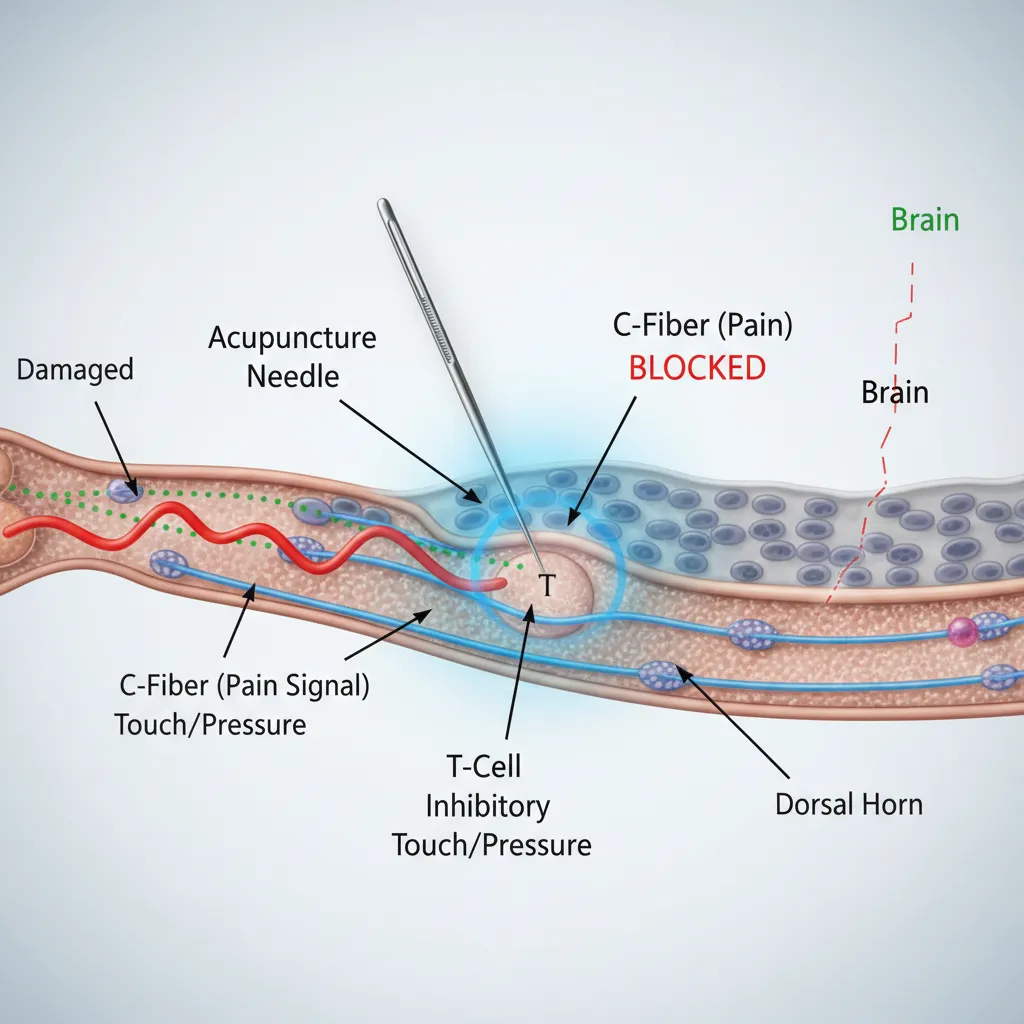
The efficacy in pain management is likely a combination of the physiological mechanisms mentioned above (blood flow, HO-1) and the “Gate Control Theory” of pain. The suction provides a novel sensory input that travels to the brain faster than pain signals, effectively “closing the gate” to the sensation of pain. Additionally, the relaxation of the muscles reduces mechanical tension on the spine and joints.
A systematic review suggests that cupping can be significantly more effective than no treatment or standard care for reducing pain intensity in the short term. However, it is often most effective when combined with active recovery methods, such as corrective exercise and stretching.
Interpreting the Marks: Bruising or Healing?
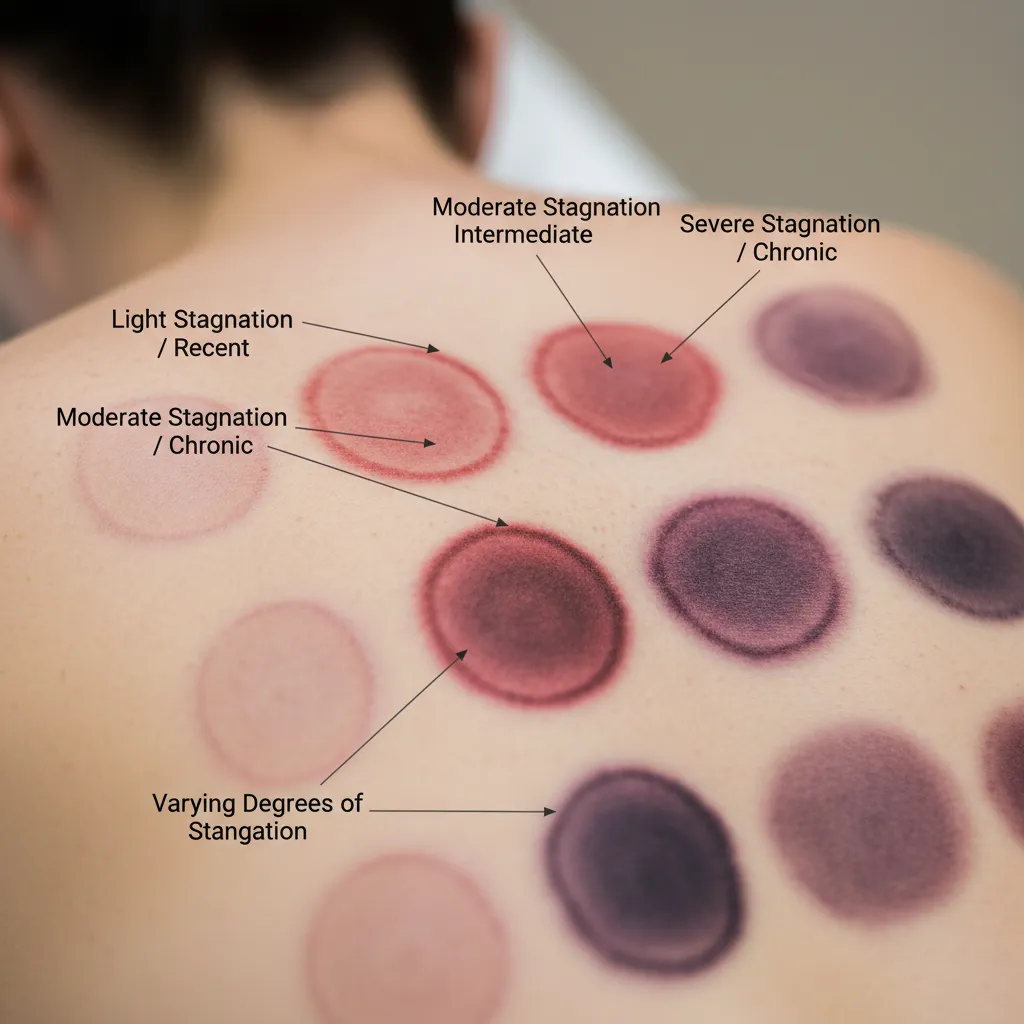
One of the biggest misconceptions about cupping is that the marks left behind are traumatic bruises. In medical terms, a bruise (contusion) is caused by impact trauma that breaks blood vessels deep in the muscle. The marks from cupping, known as petechiae or ecchymosis, are caused by the suction drawing stagnant fluids and dead blood cells to the surface.
Practitioners of Traditional Chinese Medicine (TCM) use the color of these marks as a diagnostic tool:
- Light Pink/Red: Indicates healthy blood flow or mild stagnation.
- Dark Red/Purple: Suggests severe stagnation and chronic inflammation in the area.
- Pale/White: May indicate a deficiency in circulation or “coldness” in the tissue.
These marks are not painful to the touch and typically resolve within 3 to 10 days as the lymphatic system clears the cellular debris. This clearance process is essentially a form of metabolic waste removal, further aiding in recovery.
Critical Considerations and Contraindications
While cupping is a valuable tool for inflammation and recovery, it is not suitable for everyone. Understanding the contraindications is vital for safety. Individuals on blood-thinning medication (anticoagulants) should avoid cupping or proceed with extreme caution, as the suction can cause excessive bleeding or extensive bruising.
Furthermore, cupping should not be performed directly over open wounds, active skin infections, varicose veins, or deep vein thrombosis (DVT). Pregnant women should avoid cupping on the abdomen and lower back. Always consult with a healthcare provider before starting new therapies, especially if you have underlying health conditions.
For more detailed information on complementary health approaches, the National Center for Complementary and Integrative Health (NCCIH) provides unbiased summaries of current research.
People Also Ask
Is cupping scientifically proven to work?
Yes, to an extent. Scientific studies have demonstrated that cupping increases local blood circulation, reduces pain scores in musculoskeletal conditions, and modulates inflammatory cytokines. However, large-scale, high-quality clinical trials are still needed to fully map out all its physiological mechanisms.
How long do cupping marks last?
Cupping marks typically last between 3 to 10 days. The duration depends on the individual’s circulation, the intensity of the suction, and the darkness of the mark. Darker purple marks usually take longer to fade than light red ones.
Does cupping release toxins?
From a scientific perspective, cupping does not “detoxify” the liver or kidneys directly. However, it promotes lymphatic drainage and helps clear metabolic waste (like lactic acid and old blood cells) from the localized muscle tissue, which aids in recovery.
Does cupping hurt?
Generally, no. Most patients experience a tight pulling sensation which can be intense but is rarely painful. Once the cups are removed, the area may feel sensitive, but the relief from muscle tension is usually immediate.
Can you do cupping on yourself?
Yes, silicone or pump suction cups are designed for self-use on accessible areas like the legs (quads, calves) and arms. However, treating the back or neck usually requires a practitioner or a partner to ensure safe placement.
Why are some cupping marks darker than others?
Darker marks indicate greater stagnation of blood and fluids in that specific area. Areas with chronic injury or high tension often produce purple marks, while healthy tissue with good blood flow will only show mild redness that fades quickly.