Native botanical soap is a handcrafted cleansing product that integrates indigenous plant extracts, such as Kawakawa, Mānuka, and Kūmarahou, to harness their traditional therapeutic properties. By utilizing the cold process method, these soaps preserve the active medicinal compounds of the flora, providing natural antibacterial, anti-inflammatory, and soothing benefits ideal for sensitive skin and holistic wellness.
The Healing Power of Aotearoa: Key Native Botanicals
Creating skincare in New Zealand goes beyond simple chemistry; it is often a connection to the land and Home, and an acknowledgment of Rongoā Māori (traditional Māori healing system). When crafting native botanical soap, the choice of plant material dictates the therapeutic outcome of the final bar. Unlike synthetic commercial soaps, these artisanal creations rely on the bio-active compounds found in the New Zealand bush.
To create effective formulations, one must first understand the specific properties of the most potent native plants available to the modern crafter, much like understanding the benefits of Triphala: The Gut Microbiome Modulator for internal health.
Kawakawa (Piper excelsum)
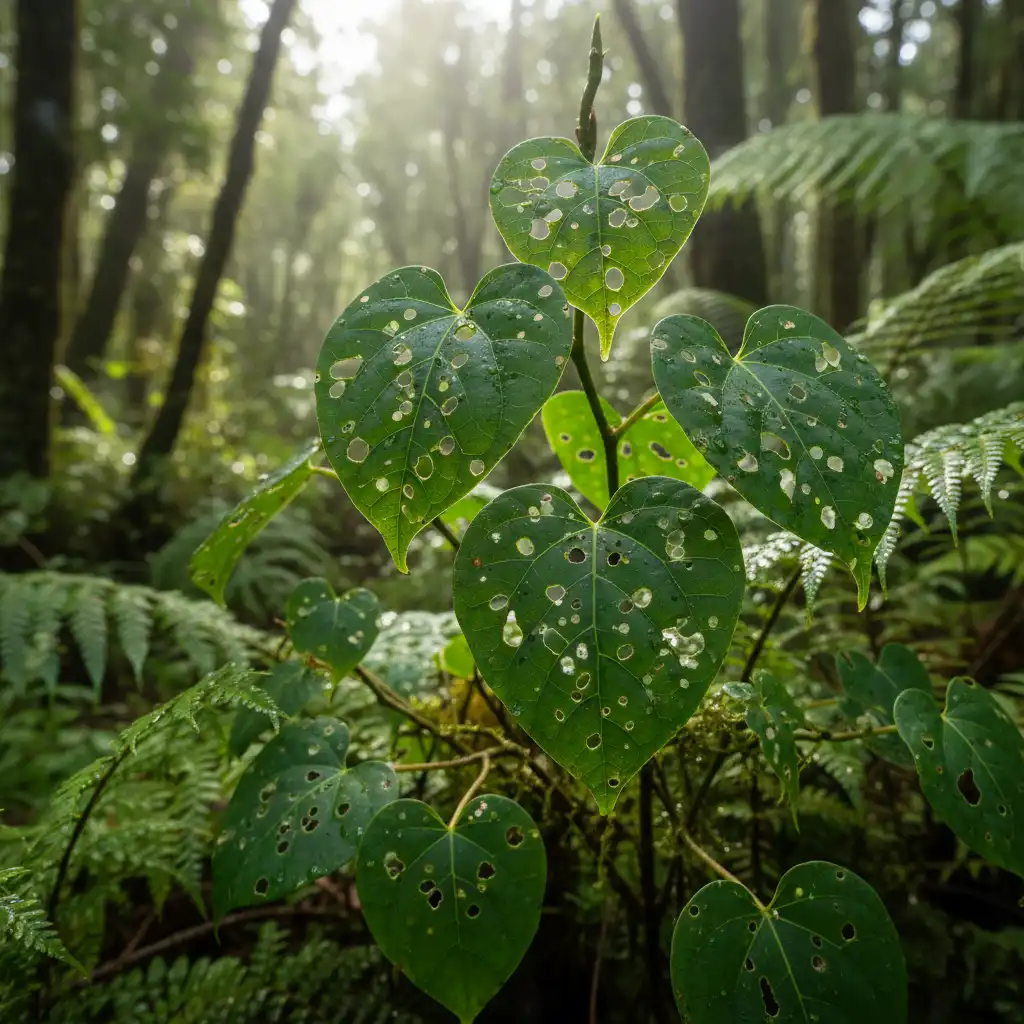
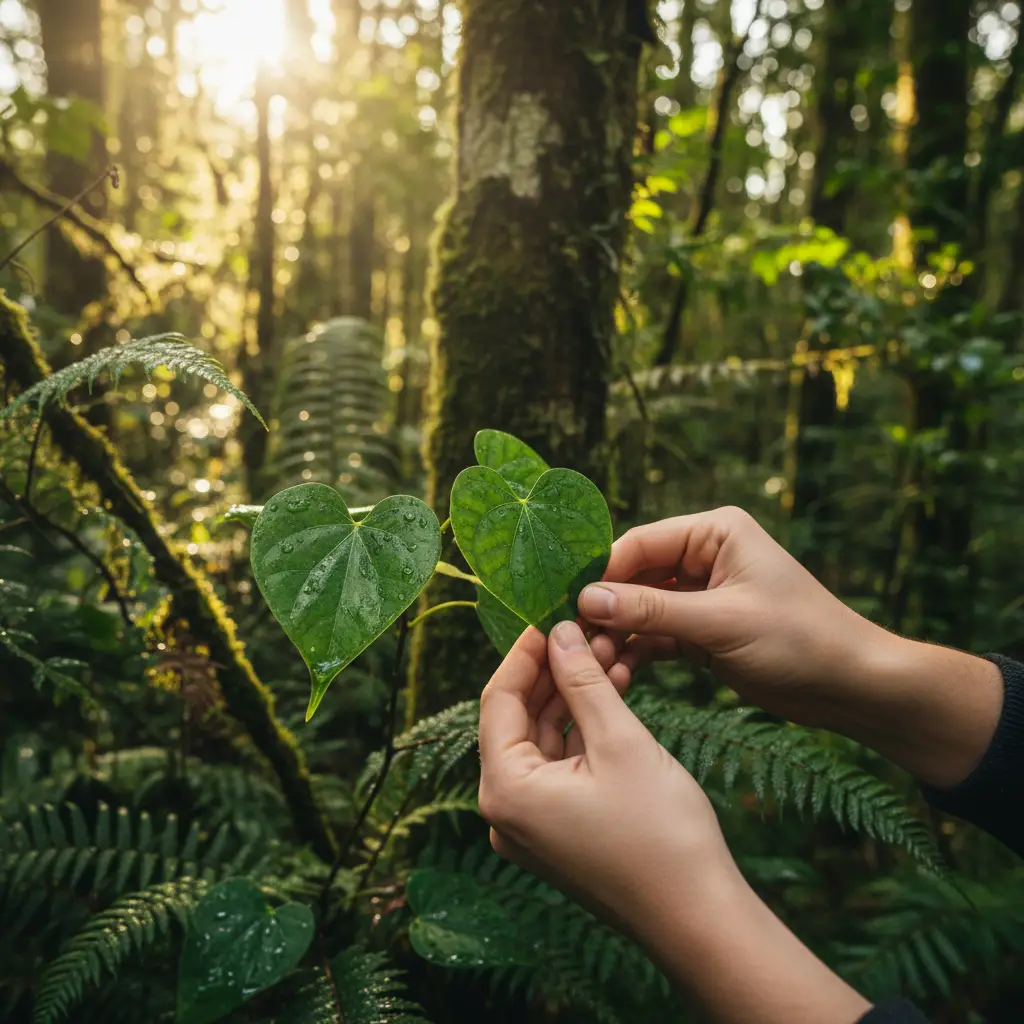
Often referred to as the “pharmacy of the forest,” Kawakawa is perhaps the most widely used botanical in New Zealand natural skincare. It contains myristicin and diyangambin, compounds known for their anti-inflammatory and analgesic properties. In soap making, Kawakawa is exceptional for soothing eczema, psoriasis, and minor skin abrasions. The leaves are typically heart-shaped, and those with holes eaten by the looper moth are traditionally considered the most potent, as the plant produces more active compounds in response to the insect damage.
Mānuka (Leptospermum scoparium)
While Mānuka honey is globally famous, the leaf and oil of the Mānuka tree are equally powerful. Mānuka oil has been shown to possess stronger antimicrobial properties than Australian Tea Tree oil against certain strains of bacteria. Including Mānuka in soap creates a bar that is highly cleansing and antifungal, making it ideal for body wash bars intended to combat body odor or acne.
Kūmarahou (Pomaderris kumeraho)
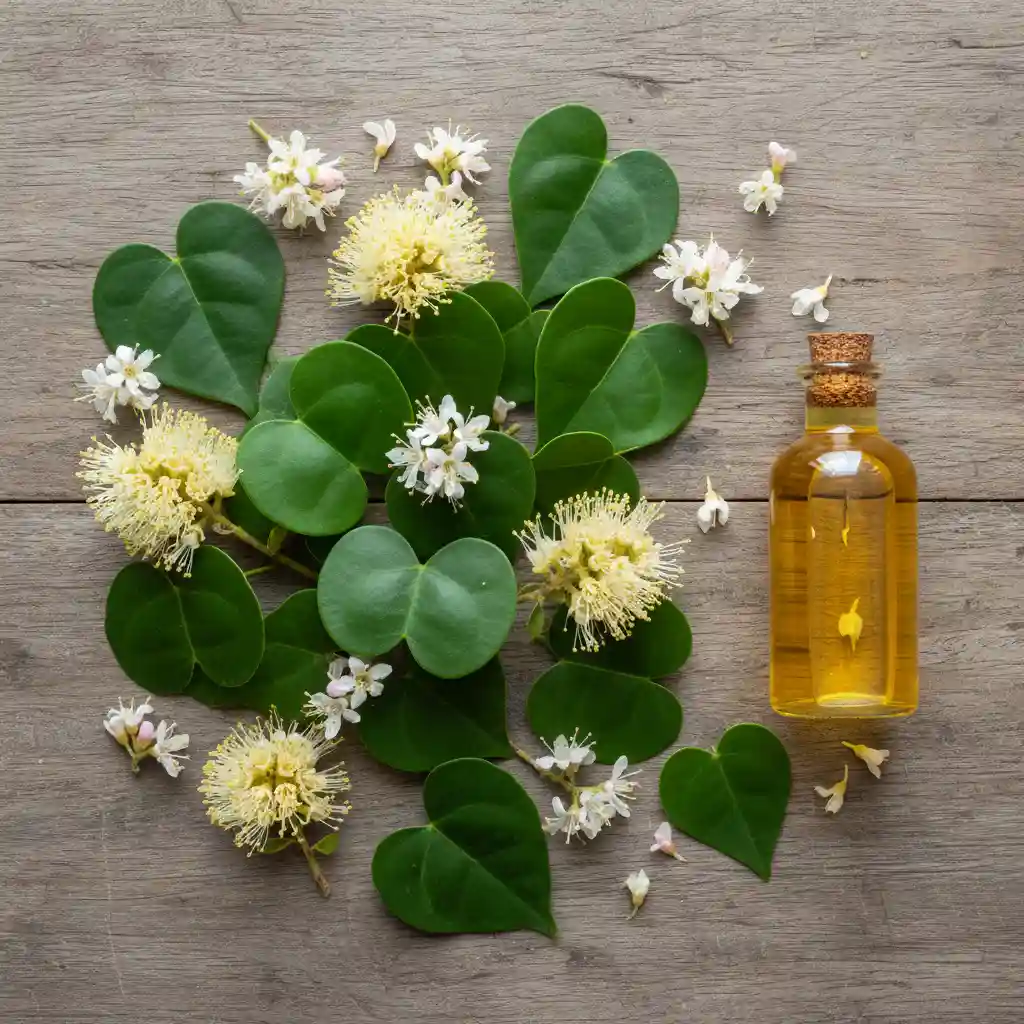
Known historically as “gumdigger’s soap,” Kūmarahou is unique because the flowers naturally contain saponins. When crushed and mixed with water, the flowers create a natural lather even without the chemical process of saponification. In cold process soap, Kūmarahou adds a gentle exfoliation and boosts the cleansing power of the bar without stripping natural oils from the skin.
Fundamentals of Cold Process Soap Making
To incorporate these botanicals effectively, the cold process method is preferred. This technique relies on the chemical reaction known as saponification, which occurs when fatty acids (oils and butters) are mixed with a strong alkali (sodium hydroxide or “lye”). The term “cold process” refers to the fact that no external heat is applied during the cure, allowing the delicate essential oils and herbal extracts to remain intact.
Safety First
Working with sodium hydroxide requires strict safety adherence, as outlined in our guide on Ensuring Quality Control for Homemade Remedies and Small Batches. Lye is caustic and can cause severe burns if it touches the skin or eyes before it has saponified.
- Protective Gear: Always wear safety goggles, long sleeves, and chemical-resistant gloves.
- Ventilation: Mix your lye solution in a well-ventilated area or outdoors to avoid inhaling fumes.
- Vinegar: Keep a bottle of vinegar nearby to neutralize any potential lye spills on countertops (though water is best for rinsing skin).
Selecting Your Base Oils
A balanced soap recipe requires a specific ratio of hard oils (for bar hardness) and soft oils (for conditioning). A standard base for native botanical soaps might include:
- Coconut Oil: Provides cleansing bubbles and hardness.
- Olive Oil: Offers deep conditioning and a gentle lather.
- Hemp Seed Oil: A perfect companion for NZ botanicals, offering a green hue and high Omega fatty acid content.
- Shea Butter: Adds a creamy, luxurious feel to the lather.
Preparing Potent Botanical Infusions
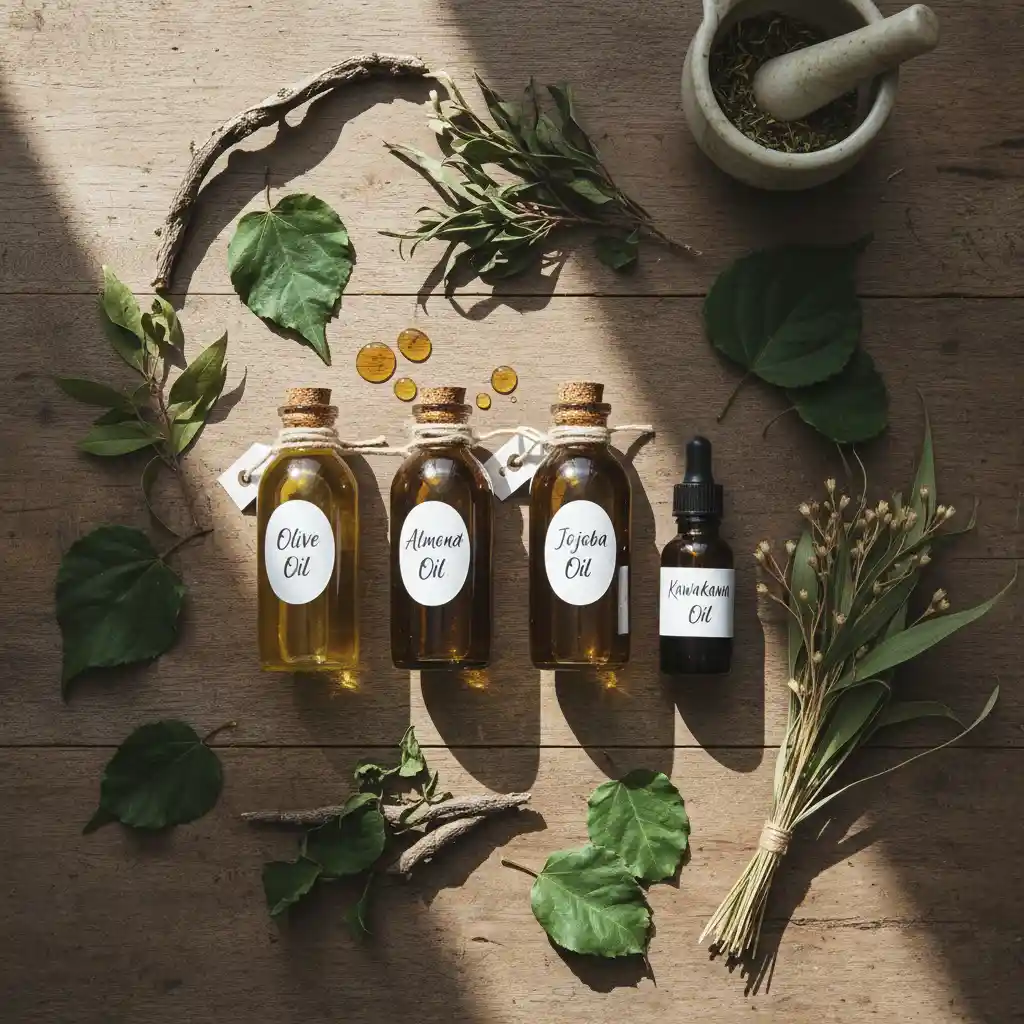
Simply throwing raw leaves into your soap batter can lead to spoilage or mold within the bar. To safely incorporate Kawakawa or Mānuka, you must create an oil infusion. This transfers the medicinal properties of the plant into the carrier oil used in your recipe.
The Slow Heat Method:
- Harvest leaves respectfully (following Tikanga, ensuring sustainability). wash, and thoroughly dry them. Any moisture left on the leaves can cause rancidity in the oil.
- Place the dried leaves into a glass jar and cover them completely with Olive Oil or Sweet Almond Oil.
- Place the jar in a warm spot (like a hot water cupboard) for 4-6 weeks, shaking gently every few days. Alternatively, for a faster infusion, use a double boiler on the lowest heat setting for 3-4 hours. Do not fry the leaves; you want a gentle extraction.
- Strain the oil through cheesecloth. The resulting green-gold oil is now rich in botanical actives and ready for soap making.
Master Recipe: Kawakawa and Hemp Seed Soap
This recipe creates a mild, healing bar suitable for sensitive skin. It utilizes the Kawakawa-infused olive oil prepared in the previous step.
Ingredients:
- Kawakawa Infused Olive Oil: 400g
- Coconut Oil: 250g
- Shea Butter: 150g
- Hemp Seed Oil: 100g
- Castor Oil: 50g
- Distilled Water (or cooled Kawakawa tea): 330g
- Sodium Hydroxide (Lye): 135g
- Essential Oils (optional): 20g of Mānuka or Lavender oil
Step-by-Step Instructions
1. Prepare the Lye Solution: carefully weigh the water and lye in separate containers. Pour the lye into the water (never water into lye) in a heat-safe container. Stir until dissolved and set aside to cool.
2. Melt the Oils: Combine the Coconut Oil and Shea Butter in a large stainless steel pot and melt gently. Once melted, add the liquid oils (Kawakawa infusion, Hemp, Castor). The temperature of the oils and the lye water should both be around 40°C-50°C (100°F-120°F).
3. Emulsify: Pour the lye solution into the oils. Use a stick blender to mix in short bursts. You are looking for “trace”—a pudding-like consistency where trails of soap stay on the surface when you lift the blender.
4. Add Additives: At light trace, stir in your essential oils. You can also add a teaspoon of dried, ground Kawakawa leaves for texture, though this is purely aesthetic.
5. Pour and Insulate: Pour the batter into a silicone mold. Tap the mold on the counter to release air bubbles. Cover with a piece of cardboard and a towel to keep it warm, encouraging the gel phase.
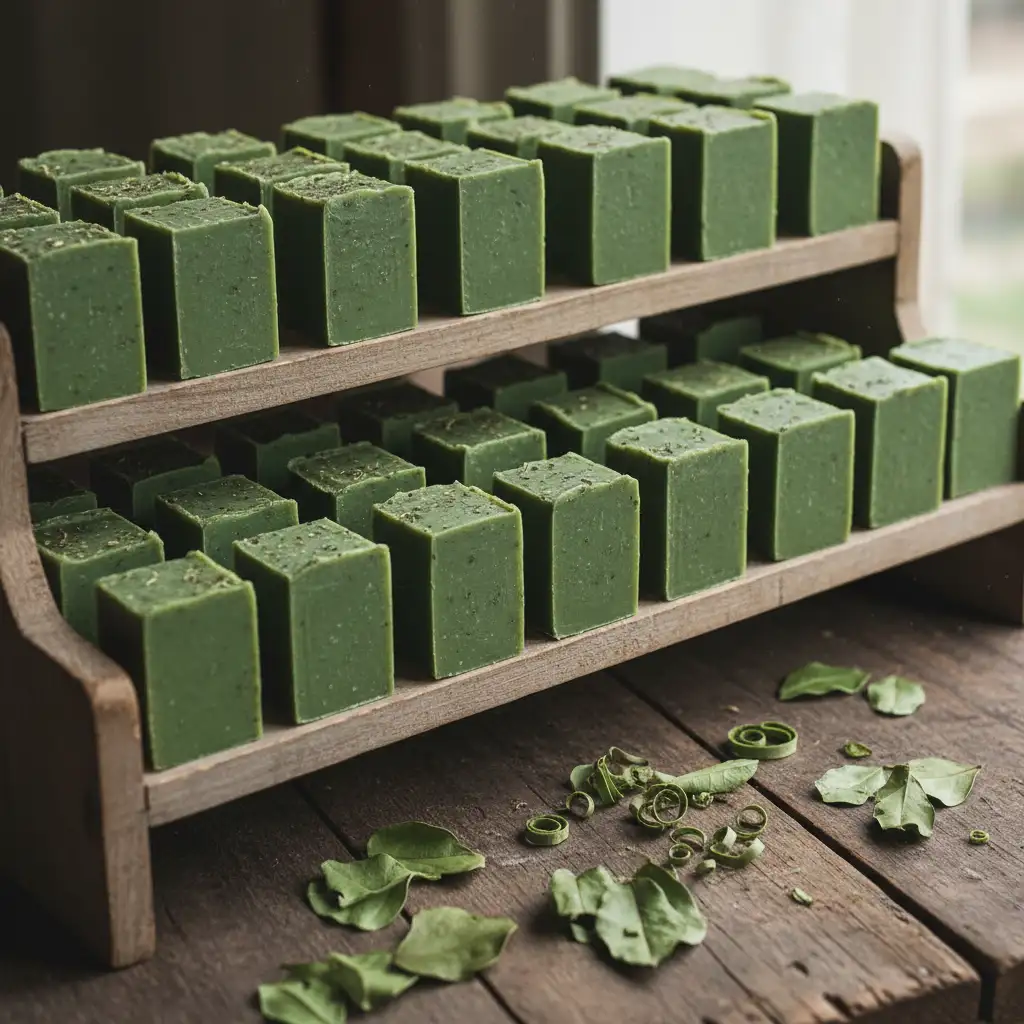
6. Cut and Cure: After 24-48 hours, the soap should be hard enough to unmold and cut into bars. Place the bars on a curing rack in a dry, airy place for 4-6 weeks. This curing time allows excess water to evaporate, creating a harder, longer-lasting bar.
Beyond Soap: Crafting Lotions and Facial Oils
Once you have mastered soap, the world of native botanical skincare expands into emulsions and anhydrous (water-free) products. These leave-on products often provide more concentrated benefits than wash-off products like soap.
Restorative Mānuka Face Cream
Making a cream involves emulsifying water and oil. For a native twist, replace the plain water phase with a Mānuka hydrosol or a strong herbal tea.
Key Components:
- Water Phase: 60% Mānuka Hydrosol (distilled plant water).
- Oil Phase: 20% Carrier oils (Kawakawa infused oil, Rosehip oil).
- Emulsifier: 5-8% Olivem 1000 (a natural olive-derived emulsifier).
- Cool Down Phase: 1% Preservative (Geogard 221 is Ecocert approved) and 1% Vitamin E.
Heat both phases to 70°C, combine, and blend with high shear until cool. This creates a luxurious cream that hydrates and repairs the skin barrier.
Harakeke Gel Serum
Harakeke (New Zealand Flax) produces a clear gel at the base of the leaves that is chemically similar to Aloe Vera but arguably more hydrating. This gel is excellent for sunburns or hydration serums.
Note: Collecting Harakeke gel requires skill to avoid damaging the plant. Ensure you are harvesting from the outer leaves only. The gel can be mixed with vegetable glycerin and a preservative to create a cooling facial serum.
Sustainable Sourcing and Tikanga (Protocol)
When working with native plants of Aotearoa, it is imperative to adhere to Tikanga (cultural protocols) and sustainable harvesting practices. This ensures the mauri (life force) of the plant is respected and that the resource remains for future generations.
Basic Harvesting Guidelines:
- Karakia: Offer a prayer or acknowledgment of thanks before harvesting.
- The Rule of Three: Never take more than you need. Leave the “Grandfather” and “Grandmother” leaves (the central shoot and the surrounding parent leaves) to ensure the plant continues to grow. Only harvest from the abundant outer leaves.
- Avoid Roadside Plants: Do not harvest from plants near busy roads due to exhaust pollution and dust.
- Ask Permission: If you are not on your own land, always ask permission from the landowner or local Iwi/Hapū.
For more in-depth information on the cultural significance and biological properties of these plants, reputable sources such as Te Ara – The Encyclopedia of New Zealand provide invaluable context regarding Rongoā Māori.
People Also Ask
What are the benefits of Kawakawa in soap?
Kawakawa is renowned for its anti-inflammatory and analgesic properties. In soap, it helps soothe irritated skin, making it an excellent choice for people suffering from eczema, psoriasis, insect bites, or general skin sensitivity. It gently cleanses while calming redness.
Can I use fresh leaves in cold process soap?
It is generally not recommended to use fresh leaves directly in cold process soap batter. The high water content in fresh leaves can cause the soap to rot or develop mold. It is best to dry the leaves first and infuse them into an oil, or use them as a dried garnish on top of the soap.
How long does native botanical soap need to cure?
Like most cold process soaps, native botanical soap requires a curing period of 4 to 6 weeks. During this time, the water evaporates, hardening the bar and making it last longer in the shower. It also ensures the soap becomes milder and gentler on the skin.
Is Mānuka oil better than Tea Tree oil?
Studies suggest that Mānuka oil (derived from the East Cape of New Zealand) can be significantly more effective than Tea Tree oil against certain gram-positive bacteria. It is a powerful antibacterial and antifungal agent, making it highly effective for acne-prone skin and fungal infections.
What is the difference between cold process and melt-and-pour soap?
Cold process soap is made from scratch using oils and lye, allowing you to control every ingredient and preserve natural botanical extracts. Melt-and-pour uses a pre-made base that you melt and add scent to; while easier, it offers less control over the ingredients and often contains synthetic additives.
Is sodium hydroxide (lye) natural?
Sodium hydroxide is a chemical compound necessary to turn oil into soap. While lye itself is corrosive, it is completely consumed during the saponification process. There is no lye left in the finished bar of soap. Historically, lye was obtained by leaching water through wood ashes.