NZ herbal research challenges encompass the complex interplay between protecting Indigenous Intellectual Property rights, bridging the epistemological gap between Mātauranga Māori and Western scientific methods, and securing adequate funding. Researchers must navigate the ethical obligations outlined in the Wai 262 claim while establishing collaborative models that respect traditional guardianship and ensure equitable benefit-sharing.
The Landscape of Rongoā Māori and Scientific Inquiry
New Zealand’s geographical isolation has resulted in a unique botanical ecosystem where approximately 80% of the flora is endemic. For centuries, Māori have utilized these plants within the system of Rongoā Māori (traditional Māori healing) at Home, a holistic practice that encompasses herbal remedies (rongoā rākau), physical therapies (mirimiri), and spiritual healing (wairua). However, as global interest in natural products surges, the intersection of this ancient wisdom with modern scientific research presents a unique set of NZ herbal research challenges.
The drive to validate traditional medicines through Western scientific methodologies—such as chromatography, clinical trials, and pharmacological assays—often clashes with the holistic worldview of Mātauranga Māori (Māori knowledge systems). The challenge is not merely technical but deeply philosophical and political. Researchers are no longer just investigating chemical compounds; they are navigating a landscape of Treaty of Waitangi obligations, cultural guardianship (Kaitiakitanga), and the looming threat of biopiracy.
Ethical Considerations and Intellectual Property Rights
One of the most significant barriers to advancing research in New Zealand herbs is the complex issue of intellectual property (IP) and the protection of indigenous knowledge. In the past, Western science frequently extracted knowledge from indigenous communities without consent or benefit-sharing, a practice now recognized as biopiracy.
The Impact of the Wai 262 Claim
The definitive framework for understanding these ethical challenges is the Wai 262 claim, often referred to as the “Flora and Fauna Claim.” Lodged with the Waitangi Tribunal, this claim addresses the ownership and protection of Māori culture and identity, including the genetic resources of indigenous plants. The Tribunal’s report, Ko Aotearoa Tēnei, highlights that Māori relationships with taonga (treasured) species are not just about ownership but about reciprocal guardianship.
For modern researchers, this means that standard Western IP laws—which rely on novelty and individual ownership—are often incompatible with the collective, intergenerational nature of Mātauranga Māori. Research projects must now undergo rigorous ethical vetting to ensure they uphold the principles of the Treaty of Waitangi. This includes obtaining mandates from iwi (tribes) and hapū (sub-tribes) before any sample collection or knowledge transfer occurs.
Māori Data Sovereignty
Beyond physical plant samples, the data generated from research poses its own challenges. The concept of Māori Data Sovereignty asserts that data derived from Māori resources should be subject to Māori governance. This challenges the “open science” movement, which advocates for unrestricted access to research data. In the context of NZ herbal research challenges, protecting the location of rare rongoā species and the specific preparation methods of healers is paramount to preventing exploitation.
Bridging Traditional Knowledge with Scientific Rigor
Integrating Mātauranga Māori with Western science is often described as the meeting of two worlds. While both seek to understand the natural world, their epistemologies—ways of knowing—differ fundamentally, creating friction in research design and validation.
Reductionism vs. Holism
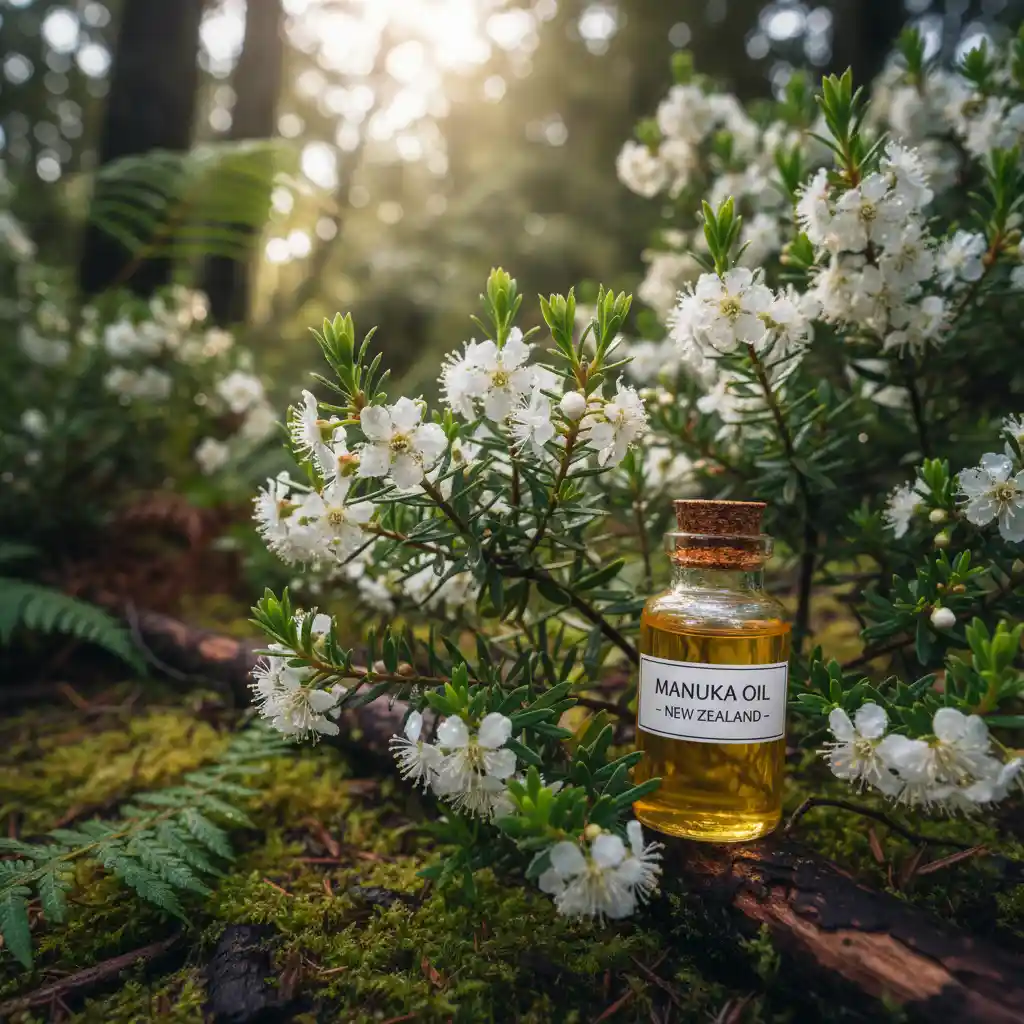
Western pharmacology is built on reductionism: the isolation of a single active compound (e.g., extracting manuka oil for triketones) to create a standardized drug. Conversely, Rongoā Māori is holistic, mirroring the principles of Naturopathic Nutrition: Food as Medicine. Healers argue that the “active ingredient” is not just a chemical but the synergy of the whole plant, the time it was harvested (often adhering to the Maramataka or lunar calendar), and the karakia (prayer) used during preparation.
Research that attempts to strip a plant of its context to find a “silver bullet” molecule often fails to replicate the efficacy observed in traditional use. For example, the synergistic effects of minor compounds in plants like Kūmarahou, Harakeke, or the Schisandra Berry: The Five-Flavor Fruit may be lost during the extraction process. Developing scientific methodologies that can evaluate “whole plant” extracts without compromising the rigorous standards required for safety and efficacy remains a primary technical challenge.

Variable Biology and Standardization
From a commercial and research perspective, consistency is key. However, New Zealand’s native plants are genetically diverse and respond significantly to micro-climates. A Manuka tree in Northland may have a completely different chemotype compared to one in the East Cape. This biological variability makes it difficult to produce the standardized extracts required for clinical trials. Researchers must invest heavily in agriscience to understand how to cultivate these wild species consistently without diluting their potency, a process that takes years and significant investment.
Funding Challenges for Indigenous Research
Securing financial support is a perennial issue in the scientific community, but it is particularly acute for NZ herbal research challenges involving indigenous knowledge. The current funding models often prioritize projects with rapid commercialization potential or those that fit neatly into established Western scientific paradigms.
Key funding hurdles include:
- Short-term Cycles: Most grants operate on 1-3 year cycles. However, building trust with Māori communities and establishing authentic relationships (Whanaungatanga) can take years before any actual research begins.
- Metric Bias: Success is often measured by publications in high-impact journals or patent filings. These metrics may not value community outcomes, capacity building within iwi, or the preservation of oral histories, which are central to indigenous research.
- Commercial Pressure: There is often pressure to patent findings. However, many Māori practitioners oppose the patenting of rongoā, viewing it as the commodification of a sacred gift. This conflict can deter investors who seek exclusive rights to a product.
To address this, agencies like the Ministry of Business, Innovation and Employment (MBIE) have introduced specific funds like the Vision Mātauranga capability fund, yet the competition remains fierce and the resources limited compared to mainstream biomedical research.
Collaborative Models for Future Research
Despite the hurdles, the future of researching traditional NZ herbs lies in the development of robust collaborative models. The “He Awa Whiria” (Braided Rivers) model is increasingly cited as the gold standard. This approach envisions Western science and Mātauranga Māori as two separate streams that can join together to create a stronger current, while also being able to separate and flow independently where necessary.
Co-Design and Benefit Sharing
True collaboration moves beyond consultation to co-design. This means Māori are involved from the very inception of the research question, not just as subjects or providers of raw material. Successful models involve:
- Governance Groups: Research projects overseen by a board of kaumatua (elders) and scientific experts.
- Capacity Building: Projects that train Māori researchers in western scientific techniques, empowering communities to conduct their own analysis.
- Equitable Royalties: Legal agreements that ensure a percentage of any commercial success flows back to the kaitiaki (guardians) of the plant knowledge.

Opportunities: From Local Bush to Global Market
While the NZ herbal research challenges are significant, the opportunities are equally profound. The global wellness market is shifting towards natural, sustainable, and story-rich products. New Zealand is uniquely positioned to lead in this space.
Nutraceuticals and Pharmaceuticals
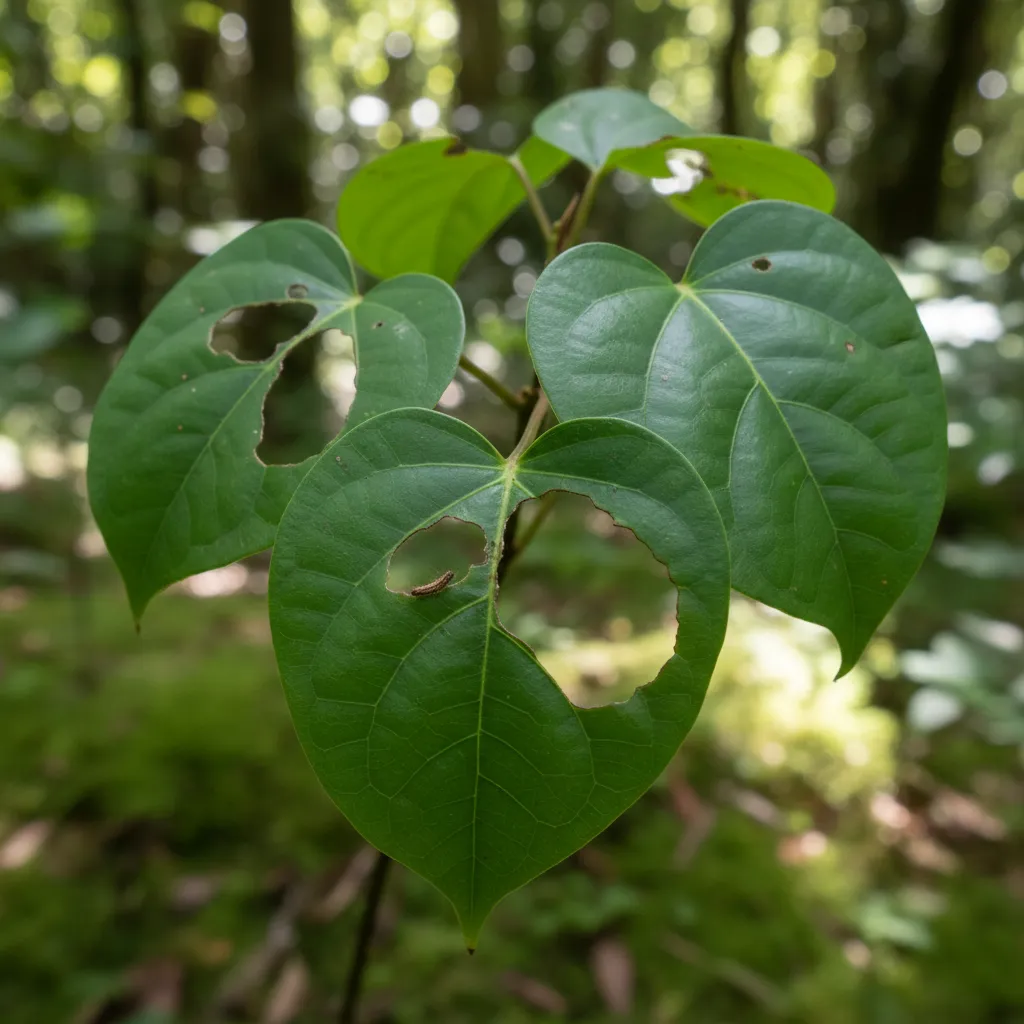
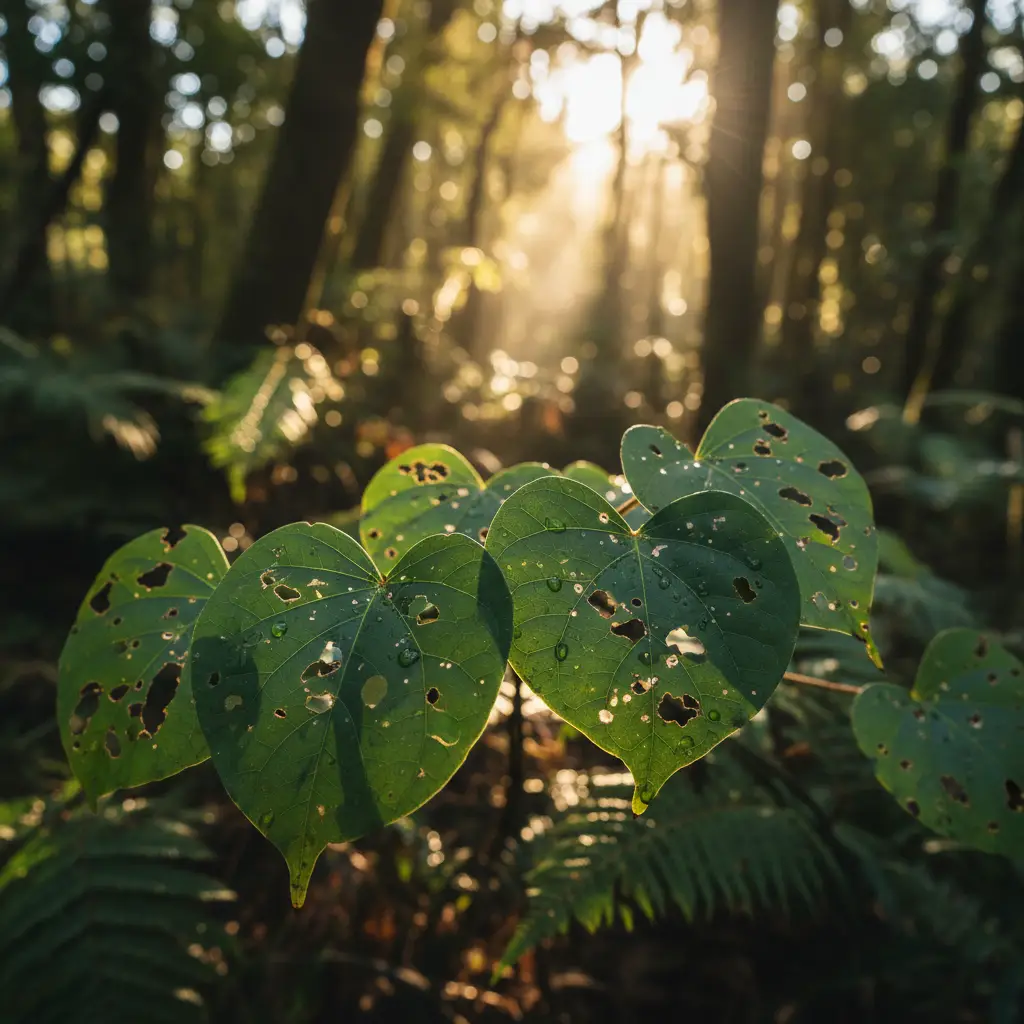
The success of Manuka honey has paved the way, but it is only the tip of the iceberg. Research into Kawakawa (Piper excelsum) for anti-inflammatory properties, Horopito (Pseudowintera colorata) for antifungal applications, and Totara (Podocarpus totara) for antimicrobial compounds is showing promising results. By validating these traditional uses with high-quality science, New Zealand can develop high-value functional foods and medicines.
Ecological and Cultural Restoration
Researching these herbs also drives ecological restoration. High demand for native herbs encourages the replanting of native forests, aiding biodiversity and carbon sequestration. Furthermore, the revitalization of Rongoā Māori knowledge contributes to the cultural wellbeing of Māori, reinforcing identity and connection to the land. For more on the protection of New Zealand’s biodiversity, resources from the Department of Conservation provide extensive insights into the status of taonga species.
In conclusion, the path to unlocking the potential of New Zealand’s traditional herbs requires navigating a complex ethical and scientific terrain. It requires a shift from extraction to partnership, ensuring that the ancient wisdom of the land is respected as much as the data derived from it.
People Also Ask
What is the Wai 262 claim regarding NZ flora?
Wai 262, known as the “Flora and Fauna Claim,” is a claim lodged with the Waitangi Tribunal that asserts Māori rights over indigenous flora, fauna, and associated cultural knowledge. It challenges the Crown’s breach of the Treaty of Waitangi by failing to protect these taonga (treasures) and seeks to ensure Māori have guardianship and decision-making power over how native species and traditional knowledge are used in research and commerce.
Why is it difficult to patent traditional Māori herbal remedies?
Patenting traditional remedies is difficult because patent law requires an invention to be “novel” and “non-obvious.” Since Rongoā Māori knowledge has existed for centuries and is often collectively held by iwi or hapū, it constitutes “prior art,” making it ineligible for standard patents. Additionally, many Māori view patenting living organisms or sacred knowledge as culturally offensive and a form of commodification.
How does Mātauranga Māori differ from Western science in herbal research?
Mātauranga Māori is a holistic knowledge system that views plants as living entities with whakapapa (genealogy) and spiritual dimensions (mauri), often emphasizing the synergy of the whole plant and its environment. Western science tends to be reductionist, focusing on isolating specific active chemical compounds and testing them in controlled environments. Bridging these two worldviews requires respectful collaboration and new research methodologies.
What are the most researched New Zealand native herbs?
The most researched New Zealand native herbs include Manuka (Leptospermum scoparium) for its antibacterial properties, Kawakawa (Piper excelsum) for anti-inflammatory and digestive health, and Horopito (Pseudowintera colorata) for its antifungal activity. Totara and Harakeke (NZ Flax) are also subjects of significant scientific study for their antimicrobial and moisturizing properties, respectively.
What is the “He Awa Whiria” model in research?
“He Awa Whiria,” or the Braided Rivers model, is a framework for research that treats Western science and Mātauranga Māori as two distinct streams. Instead of assimilating one into the other, the streams flow alongside each other, converging to share knowledge and create a stronger current, then diverging to maintain their own integrity. This allows for equal validation of both knowledge systems.
How does the Nagoya Protocol affect NZ herbal research?
Although New Zealand has not yet acceded to the Nagoya Protocol, its principles regarding “Access and Benefit-Sharing” heavily influence ethical research standards. It mandates that researchers must obtain prior informed consent from indigenous communities before accessing genetic resources and must negotiate fair terms for sharing any benefits (monetary or non-monetary) that arise from the utilization of those resources.