To sell herbal products online in NZ, business owners must navigate a dual regulatory framework involving the Dietary Supplements Regulations 1985 and the Food Act 2014. Success requires classifying products strictly as supplements rather than medicines, avoiding prohibited therapeutic claims on websites and labels, and adhering to strict Medsafe and Ministry for Primary Industries (MPI) guidelines regarding ingredient safety and biosecurity. For more resources, visit our Home page.
The Regulatory Landscape: Food, Supplement, or Medicine?
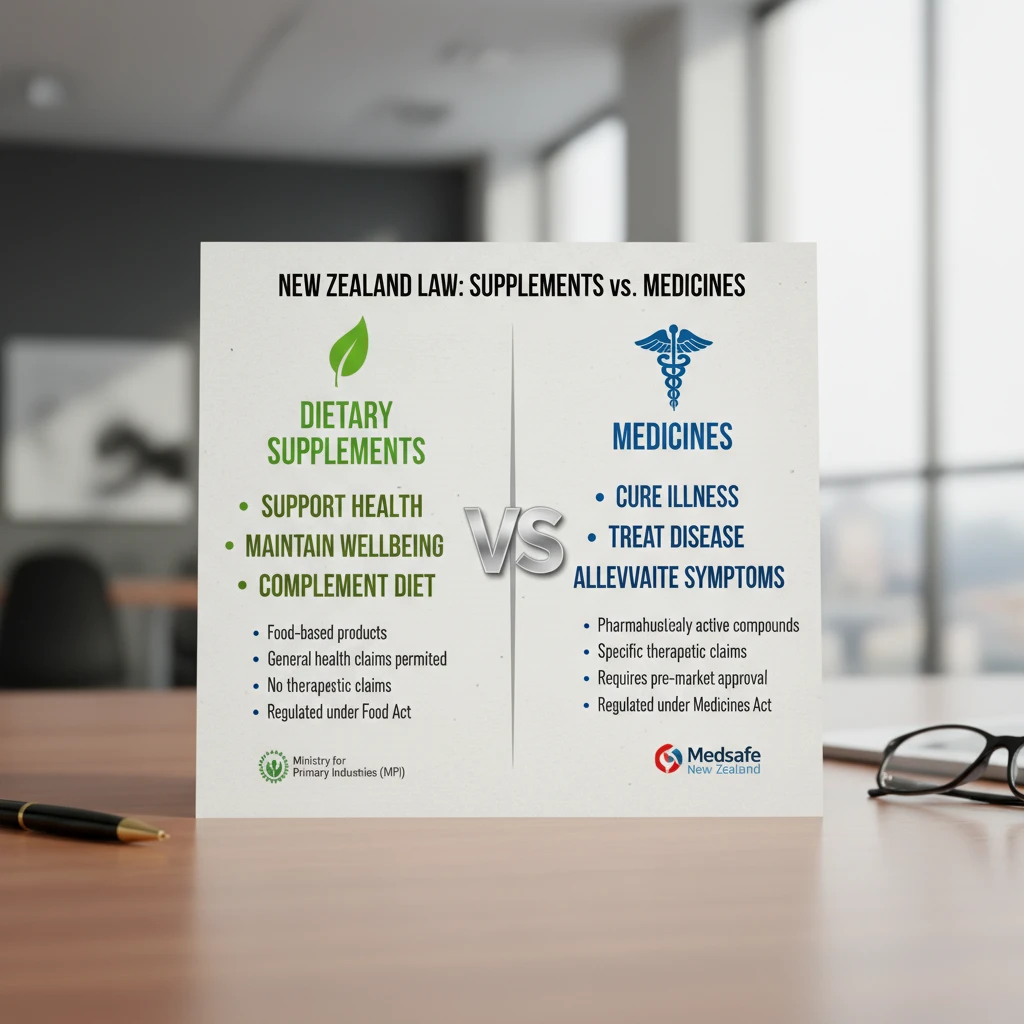
The most critical step when you decide to sell herbal products online in NZ is strictly defining what your product is in the eyes of the law. New Zealand has a unique regulatory environment where the line between a “dietary supplement” and a “medicine” is drawn primarily by the claims you make, rather than just the ingredients used.
Under the Dietary Supplements Regulations 1985, a dietary supplement is defined as any amino acid, edible substance, herb, mineral, synthetic nutrient, or vitamin intended to supplement the intake of those substances normally derived from food. However, the moment you claim that your herbal product treats, cures, or prevents a disease, it legally becomes a medicine.
The Role of Medsafe
Medsafe is the New Zealand Medicines and Medical Devices Safety Authority. If your product is deemed a medicine, you cannot sell it without undergoing a rigorous, expensive, and time-consuming consent process. To avoid this while operating a standard e-commerce herbal store, you must ensure your products fall under the “General Sale” category or are strictly regulated as food/supplements.
For example, selling Kawakawa balm is generally permitted. However, selling “Kawakawa balm to cure eczema” classifies the product as a medicine because “cure” and “eczema” imply a therapeutic purpose. You can verify the classification of specific ingredients using the Medsafe Classification Database.
Website Compliance: Managing Claims and Disclaimers
Your website is your storefront, but it is also a legal document in the eyes of regulators. When you sell herbal products online in NZ, every product description, blog post, and customer testimonial is subject to scrutiny. The Advertising Standards Authority (ASA) and Medsafe monitor digital platforms for non-compliant therapeutic claims.
Permitted vs. Prohibited Claims
The golden rule of compliance is to focus on supporting normal health rather than fixing illness. You must master the art of “soft claims.”
- Prohibited (Therapeutic) Claims: Treats insomnia, cures arthritis, relieves anxiety, prevents flu, heals wounds.
- Permitted (Health/Function) Claims: Supports healthy sleep patterns, supports joint mobility, promotes relaxation, supports immune system health, supports natural skin repair.
It is vital to audit your website content regularly. Even a customer review that says, “This product cured my migraines,” published on your site, can render you liable for breaching the Medicines Act 1981. You must moderate reviews to ensure they do not make medical claims on your behalf.
Mandatory Disclaimers
Every page selling herbal remedies should include a clear disclaimer. While a disclaimer does not give you legal immunity if you make false claims, it is a necessary component of consumer protection. A standard disclaimer should state:
“These statements have not been evaluated by Medsafe. This product is not intended to diagnose, treat, cure, or prevent any disease. Always consult your healthcare professional before taking herbal supplements, especially if you are pregnant, breastfeeding, or taking medication.”
Labeling and Packaging Requirements
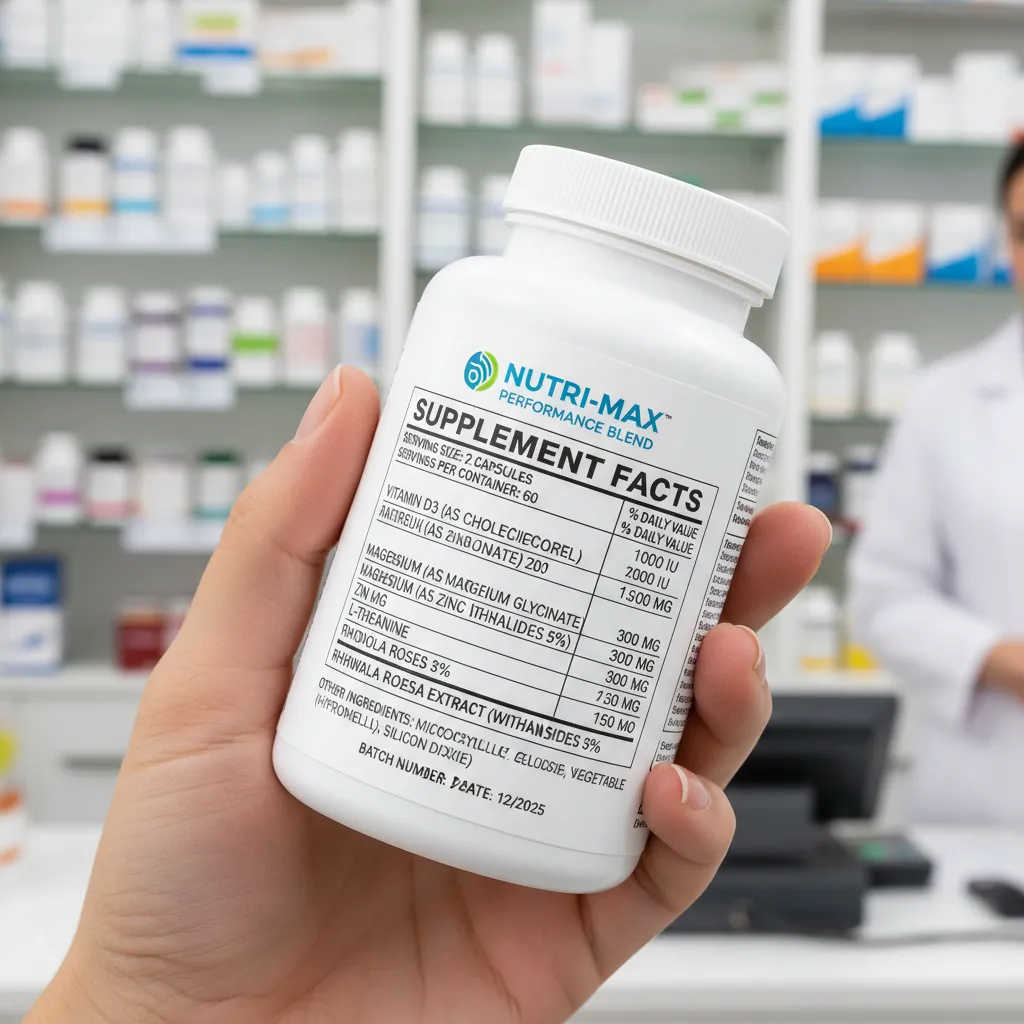
Physical compliance is just as important as digital compliance. When you sell herbal products online in NZ, the physical product the customer receives must meet strict labeling standards found in the Dietary Supplements Regulations 1985 and the Food Standards Code.
Your labels must be in English and clearly legible. Failure to label correctly can result in product recalls, which can be financially devastating for a small business.
The Essential Label Checklist
Ensure every unit you ship contains the following information:
- Common Name: The name of the product (e.g., “Dried Peppermint Tea”).
- Statement of Purpose: E.g., “Dietary Supplement.”
- Ingredient List: Listed in descending order by weight.
- Active Ingredients: The quantity of the active herb per dose.
- Dosing Instructions: Clear directions for use (e.g., “Take one capsule daily with food”).
- Storage Instructions: E.g., “Store below 30°C in a dry place.”
- Batch Number & Expiry Date: Essential for traceability and safety.
- Business Address: The physical address of the NZ supplier or manufacturer.

Integrating Rongoā Māori Respectfully
In the New Zealand market, Rongoā Māori (traditional Māori healing) is a significant and culturally important sector. If your business involves Rongoā, you are navigating not just legal statutes but also Tikanga (customary protocols) and the findings of the Waitangi Tribunal (specifically WAI 262, which concerns the protection of indigenous flora and fauna). This necessitates Connecting with Mātauranga Māori (Māori Knowledge) for Health.
Cultural Safety and Intellectual Property
Selling Rongoā online requires a high degree of cultural integrity. It is generally considered inappropriate to trademark traditional plant names or knowledge. Furthermore, practitioners should ensure that the harvesting of native plants (like Kawakawa, Manuka, and Kumarahou) is done sustainably and with proper Karakia (prayer/acknowledgment), respecting the mauri (life force) of the plant.
From a regulatory standpoint, Rongoā products are subject to the same Therapeutic Products Bill discussions and current Medicines Act restrictions as other herbal products. However, the government recognizes the unique status of Rongoā. If you are not Māori, it is highly advisable to consult with local Iwi or Rongoā practitioners to ensure your business practices are culturally safe and do not misappropriate indigenous knowledge.
Shipping, Logistics, and Biosecurity
Logistics for herbal products involves more than just postage; it involves Biosecurity New Zealand. As an island nation, NZ has some of the strictest biosecurity laws in the world to protect its primary industries.
Sourcing and Importing Ingredients
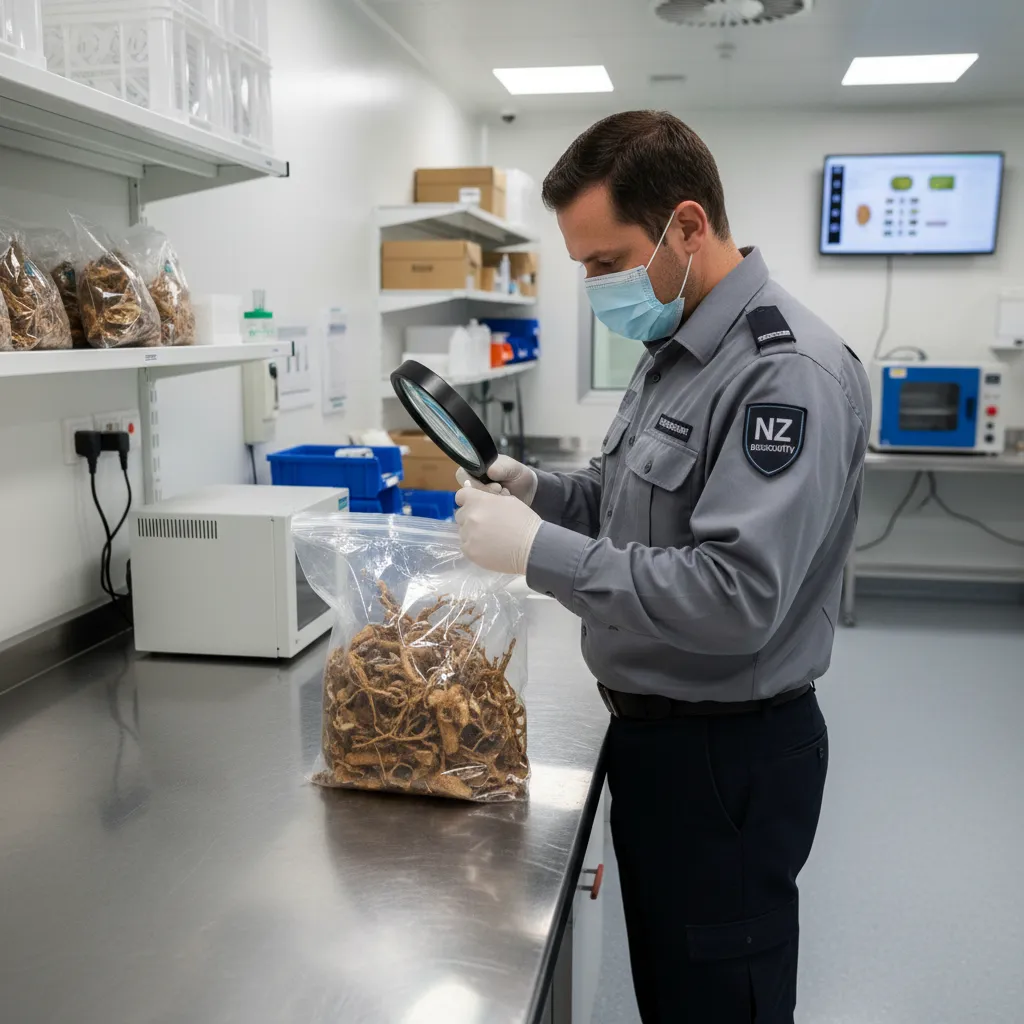
If you are manufacturing your products in NZ using imported dried herbs or powders, you must check the Import Health Standards (IHS) issued by the Ministry for Primary Industries (MPI). Many herbs are restricted or require treatment (like fumigation or heat treatment) before entering the country to ensure they do not carry pests or fungi.
You can verify requirements using the MPI Biosecurity Database. Failure to comply will result in your expensive raw materials being destroyed at the border.
Domestic Shipping of Liquids and Balms
When shipping finished products to customers:
- Liquids: Tinctures often contain alcohol. If the alcohol content is high, these may be classified as “Dangerous Goods” by courier companies, requiring special labeling and higher shipping fees.
- Packaging: Use food-grade packaging that protects the herbs from moisture and light, which can degrade potency. Glass amber jars are the industry standard for UV protection.
Marketing Strategies that Comply with Medsafe
Successfully marketing herbal products requires building trust and authority without crossing the line into medical advice. Since you cannot use paid ads (Google Ads or Facebook Ads) for products that make unverified health claims, your strategy must rely on education and brand storytelling.
Educational Content Marketing
Create a blog or resource hub that discusses the historical uses of herbs or the nutritional profile of ingredients. For example, instead of writing “Vitamin C cures colds,” write an article titled “The Role of Vitamin C in Supporting Immune Function.” This subtle shift keeps you compliant while still targeting relevant search intent.
Influencer Risks
Influencer marketing is popular in the wellness niche, but it carries risk. If an influencer says your product “cured their anxiety” in a sponsored post, you are liable for that claim. You must have strict contracts with influencers that explicitly list prohibited words and required disclaimers. Provide them with approved scripts to ensure they do not accidentally violate the Medicines Act.

People Also Ask
Do I need a license to sell herbal tea in NZ?
Generally, you do not need a specific pharmaceutical license to sell herbal tea if it is marketed as a food or dietary supplement. However, you must register your business under the Food Act 2014, usually through your local council, to ensure food safety standards are met.
Can I sell homemade balms online in NZ?
Yes, you can sell homemade balms, but you must comply with the hazardous substances regulations (if using essential oils) and consumer safety laws. Your labeling must be compliant, and you should ensure your workspace meets hygiene standards, although a full commercial kitchen is not always required for topical products compared to ingestibles.
What happens if I make therapeutic claims on my website?
If you make therapeutic claims without consent from Medsafe, you risk prosecution under the Medicines Act 1981. Penalties can include significant fines, the seizure of stock, and a mandatory order to shut down your website or remove the offending content.
Is CBD oil considered a herbal product in NZ?
No, CBD oil is strictly regulated as a prescription medicine or a controlled drug in New Zealand. You cannot sell CBD products online to the public as a general herbal supplement; they can only be dispensed by a pharmacist with a doctor’s prescription.
How do I register a food business in NZ?
You can register a food business by applying through the Ministry for Primary Industries (MPI) website or your local council. The process involves creating a Food Control Plan (FCP) or a National Programme, depending on the risk level of the products you are making.
Can I import dried herbs to resell in NZ?
Yes, but you must check the Import Health Standards (IHS) for each specific plant species. Some herbs are banned or require treatment (like heat or fumigation) upon entry to prevent the introduction of pests and diseases. You may also need a phytosanitary certificate from the supplier.