Herbal first aid NZ refers to the practice of integrating traditional Rongoā Māori (Māori medicine) and locally grown medicinal plants into emergency care for minor injuries. To build an effective kit, you must include native powerhouses like Kawakawa for inflammation and Manuka for its potent antibacterial properties, alongside standard medical supplies, ensuring a holistic approach to treating cuts, burns, and insect bites at Home.
The Philosophy of Integrated NZ Herbal Medicine
New Zealand offers a unique botanical landscape that has served as a pharmacy for its inhabitants for centuries. Creating a basic first aid kit with NZ herbal remedies is not about rejecting modern medicine; rather, it is about an integrated approach that utilizes the abundance of the natural world to support the body’s healing processes. In Aotearoa, this often involves a blend of Rongoā Māori (traditional Māori healing) and Western herbal medicine adapted to local growing conditions, reflecting the principles of Ethnobotany: Learning from Global Herbal Practices.
When curating a herbal first aid kit, it is essential to understand the concept of Tikanga (protocol) regarding harvesting. If you are gathering fresh herbs like Kawakawa or Harakeke from the bush, it is customary to offer a karakia (prayer) and only take what is needed, ensuring the sustainability of the plant. This respectful relationship with nature enhances the intention behind the medicine, a core tenet of holistic healing.
Essential Native Plants for Your First Aid Kit
To build a truly “Kiwi” first aid kit, three specific native plants form the trinity of wound care and healing. These should be present in your kit either as dried leaves, balms, salves, or tinctures.
1. Kawakawa (Macropiper excelsum)
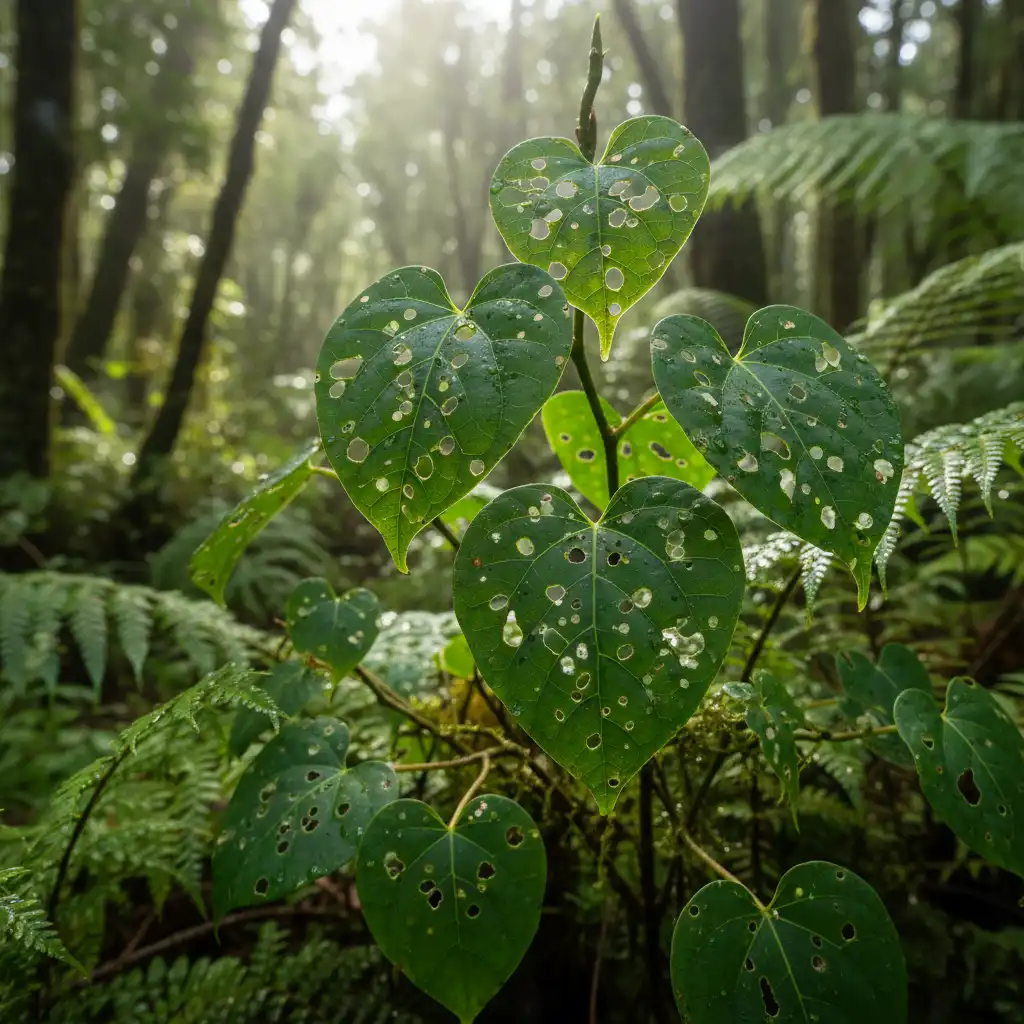
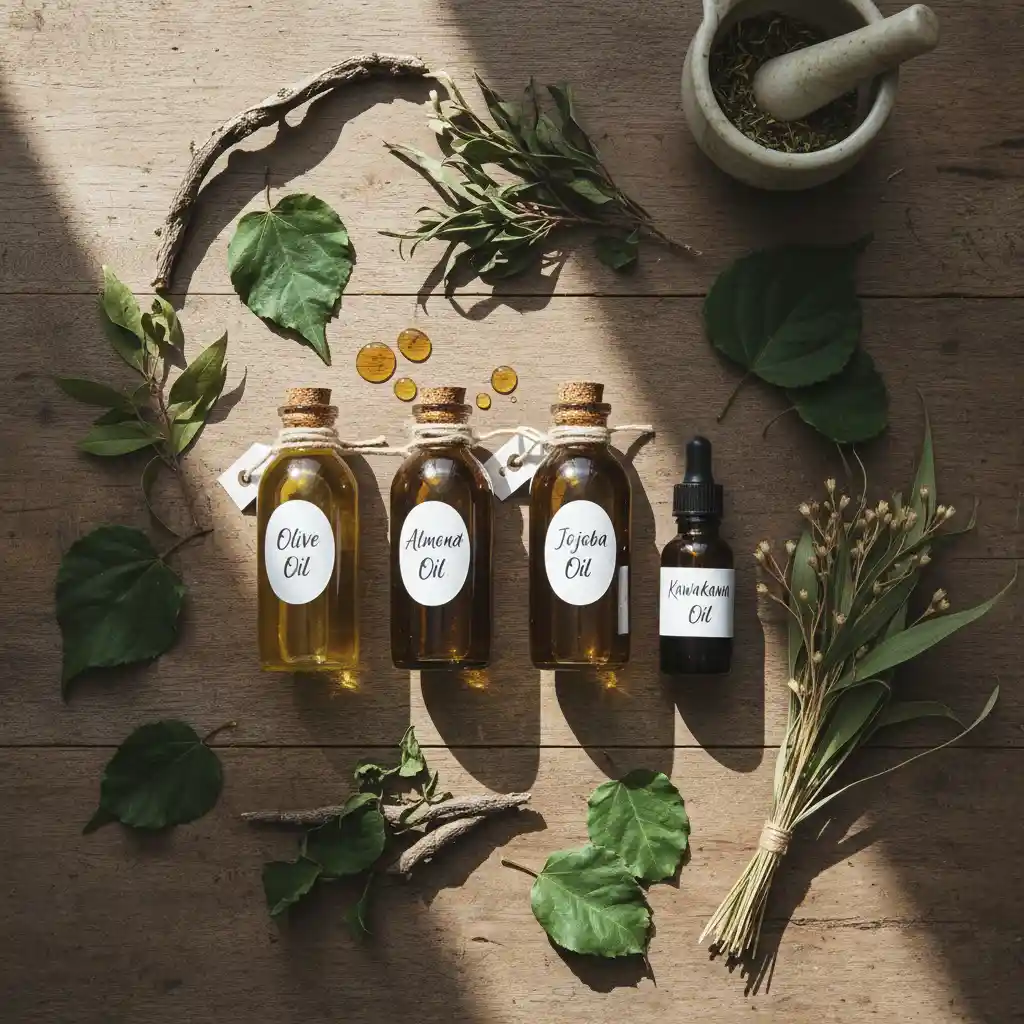
Often referred to as the “pharmacy of the forest,” Kawakawa is perhaps the most versatile herb in the New Zealand bush. It contains myristicin, which provides mild analgesic (pain-relieving) properties, similar to the benefits seen in Natural Pain Relief for Arthritis, and is highly anti-inflammatory. For a first aid kit, a high-quality Kawakawa balm is indispensable. It soothes eczema, insect bites, minor cuts, and bruises. In a pinch, fresh leaves can be chewed to relieve toothache or steeped in hot water to settle an upset stomach caused by anxiety or shock.
2. Manuka (Leptospermum scoparium)
Manuka is world-renowned, primarily for the honey produced from its nectar. Medical-grade Manuka honey (with a high UMF rating) is a powerful antibacterial agent suitable for dressing infected wounds or preventing infection in burns. Additionally, Manuka essential oil is a potent antifungal and antiseptic, often cited as being stronger than tea tree oil against certain gram-positive bacteria. Including a small tube of medical Manuka honey and a vial of the essential oil covers a vast array of skin infections.
3. Harakeke (Phormium tenax)
Harakeke, or New Zealand Flax, is the structural backbone of the bush, but its medicinal uses are profound. The clear gel found at the base of the leaves (take) is nature’s cooling agent, similar to Aloe Vera but native to NZ. This gel is excellent for burns and scalds. Furthermore, the strong leaves can be utilized in emergency scenarios as improvised splints or ties. For your kit, look for a commercially prepared gel containing Harakeke extract.
Treating Minor Cuts, Grazes, and Wounds
When dealing with open skin, the priority is to stop bleeding, clean the area, and prevent infection. Herbal remedies excel in the latter two stages.
Cleaning the Wound: Instead of harsh alcohol wipes which can damage tissue, consider a wash made from Calendula or diluted Manuka oil. Calendula is easily grown in NZ gardens and is a supreme vulnerary (wound healer). A small spray bottle of Calendula tincture diluted in water makes an excellent wound wash.
Dressing the Wound: Once the bleeding has stopped, applying a thin layer of Manuka honey can create a barrier against bacteria while keeping the wound moist, which reduces scarring. Cover this with a sterile non-stick pad. For grazes that are clean but painful, a poultice of Plantain (Plantago major)—a common weed found in almost every NZ lawn—is highly effective. Plantain draws out dirt and soothes inflammation. While fresh leaves are best (chewed or mashed and applied), a Plantain-infused salve is a shelf-stable alternative for your portable kit.
Natural Remedies for Burns and Insect Bites
New Zealand’s outdoors are beautiful, but sandflies and intense sun can cause discomfort. Your herbal first aid kit must address these common irritants.
Insect Bites and Stings
The NZ sandfly (namu) bite is notoriously itchy. The immediate application of Kawakawa balm is the primary defense. The numbing effect of the Kawakawa helps break the itch-scratch cycle. Another effective addition is a small roller bottle of Lavender essential oil. Lavender is one of the few essential oils that can be applied neat (undiluted) to the skin in small amounts; it neutralizes venom from bee stings and reduces the histamine response in mosquito bites.
Sunburn and Minor Burns
For thermal burns, always run under cool water for 20 minutes first. This is non-negotiable. Afterward, apply Harakeke gel liberally. It cools the skin and forms a protective layer. If you do not have Harakeke, Aloe Vera is the standard substitute, but Harakeke is often more astringent, helping to tighten the tissues. For sunburn, a lotion containing Kumarahou can also be soothing, as Kumarahou contains saponins that gently cleanse and soothe irritated skin.

Managing Shock, Pain, and Bruising
First aid is not just about physical wounds; it involves managing the nervous system’s response to trauma.
Arnica (Arnica montana): While native to Europe, Arnica grows well in NZ’s South Island and is a staple in Kiwi first aid. It is the premier remedy for shock and blunt force trauma. Including homeopathic Arnica pilules in your kit allows for internal treatment of shock immediately after an accident. Arnica cream should be applied to unbroken skin to reduce bruising and swelling.
Rescue Remedy: While not a native herb, Bach Flower Rescue Remedy is ubiquitous in New Zealand households. It is a blend of flower essences designed to stabilize emotions during acute stress. A few drops under the tongue can help calm a panicked patient (or the first aider) while further treatment is administered.
Willow Bark: For pain relief, White Willow bark contains salicin, a chemical similar to aspirin. While carrying synthetic painkillers is practical, having Willow bark tincture provides a natural alternative for headaches or inflammatory pain.
Assembling and Storing Your Kit
A herbal first aid kit requires different maintenance than a standard plastic box of plasters. Natural products have shelf lives and can degrade in heat.
- Container: Use a water-resistant, insulated bag. Extreme heat (like inside a car in summer) can melt balms and degrade essential oils.
- Labeling: Clearly label all tinctures and salves. In an emergency, you do not want to confuse Manuka oil (external only) with a throat tincture.
- Expiry Dates: Check your kit every six months. Dried herbs lose potency after a year; oil-based salves can go rancid after 1-2 years.
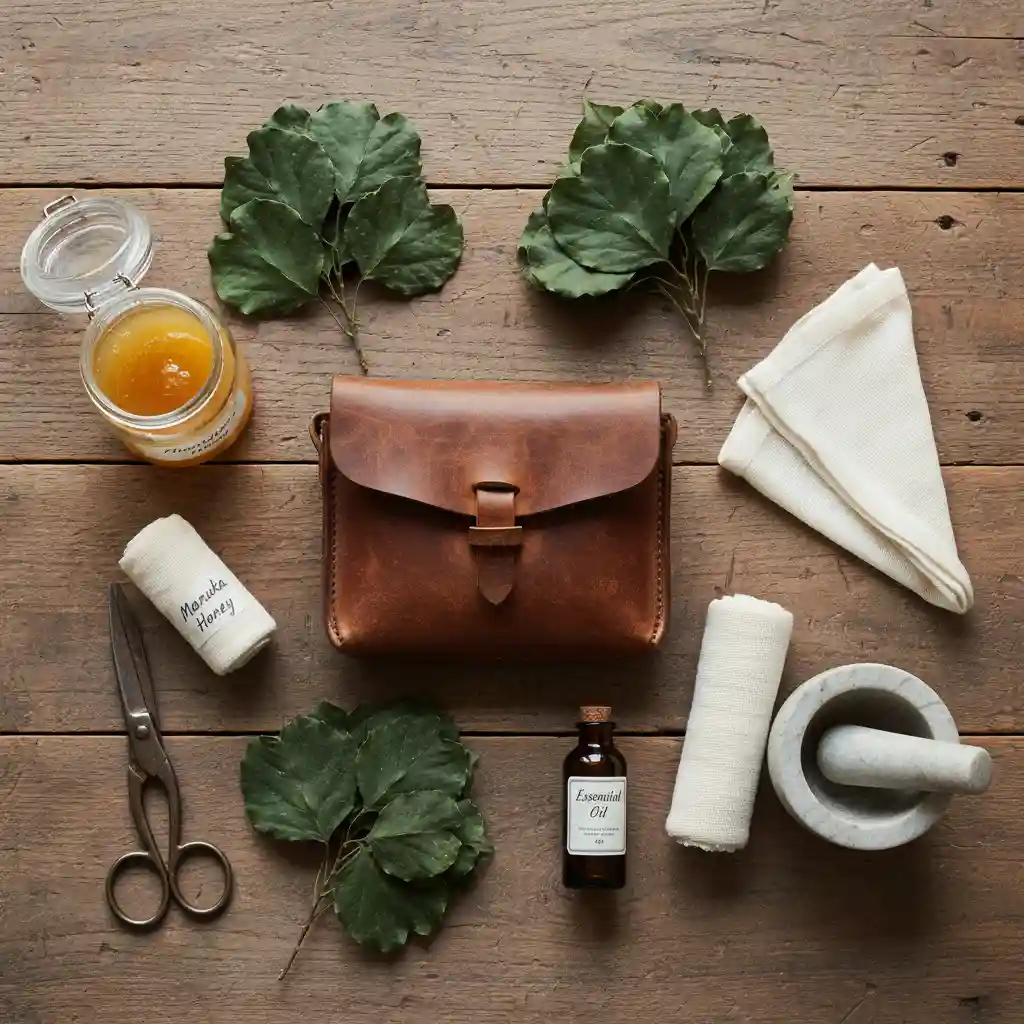
Your Core Checklist:
- Kawakawa Balm (All-purpose soothing)
- Medical Grade Manuka Honey (Antibacterial)
- Harakeke or Aloe Gel (Burns)
- Arnica Cream and Pilules (Bruising/Shock)
- Calendula Tincture (Wound wash)
- Plasters, bandages, tweezers, and scissors (The non-herbal essentials)
Safety Guidelines and Medical Intervention
While Rongoā Māori and herbal medicine are powerful, they are not substitutes for emergency care in life-threatening situations. It is vital to recognize the limits of home treatment.
Seek professional medical help immediately if:
- Bleeding is profuse and cannot be stopped with pressure.
- A wound is deep, gaping, or contains embedded debris (like glass).
- There are signs of systemic infection (red streaks tracking from the wound, fever).
- The patient shows signs of anaphylaxis (swelling of the throat, difficulty breathing).
- The injury involves the eyes or head trauma.
For authoritative advice on when to see a doctor, always refer to resources provided by the New Zealand Ministry of Health. Integrating herbal support works best when it complements standard safety protocols, ensuring the patient receives the best of both worlds.
People Also Ask
What are the best NZ native plants for cuts and scrapes?
The best NZ native plants for cuts include Manuka and Kawakawa. Manuka honey is excellent for its antibacterial properties to prevent infection, while Kawakawa leaves (or balm) help reduce inflammation and soothe the pain associated with minor abrasions.
Can I use Manuka oil on open wounds?
Manuka oil is very potent and can be stinging or irritating on open, fresh wounds if used undiluted. It is generally better to use medical-grade Manuka honey on open wounds, reserving diluted Manuka oil for cleaning the area or treating fungal infections on unbroken skin.
How do you make a simple Kawakawa poultice?
To make a Kawakawa poultice in the bush, harvest a fresh leaf (preferably one with holes, as these are considered medicinally stronger). Chew the leaf slightly to release the juices and enzymes, or mash it with a clean stone and water, then apply the pulp directly to the insect bite or graze and cover with a bandage.
Is Harakeke gel safe for severe burns?
Harakeke gel is excellent for minor first-degree burns (like sunburn or mild scalds). However, for severe burns (second or third-degree) involving broken skin or blistering, you should not apply any gels or creams immediately. Cool the area with running water and seek professional medical attention.
What is the Māori medicine for pain relief?
Kawakawa is the primary Rongoā Māori remedy for pain relief, particularly for toothache (by chewing the leaves) and inflammatory pain. Pukatea bark was also traditionally used for its strong analgesic properties, though it is less common in basic home kits today.
How long do herbal first aid items last?
Herbal salves and balms generally last 1 to 2 years if stored in a cool place. Tinctures (alcohol-based) can last several years (3-5+). Dried herbs for teas or poultices should be replaced annually to ensure they retain their medicinal potency.