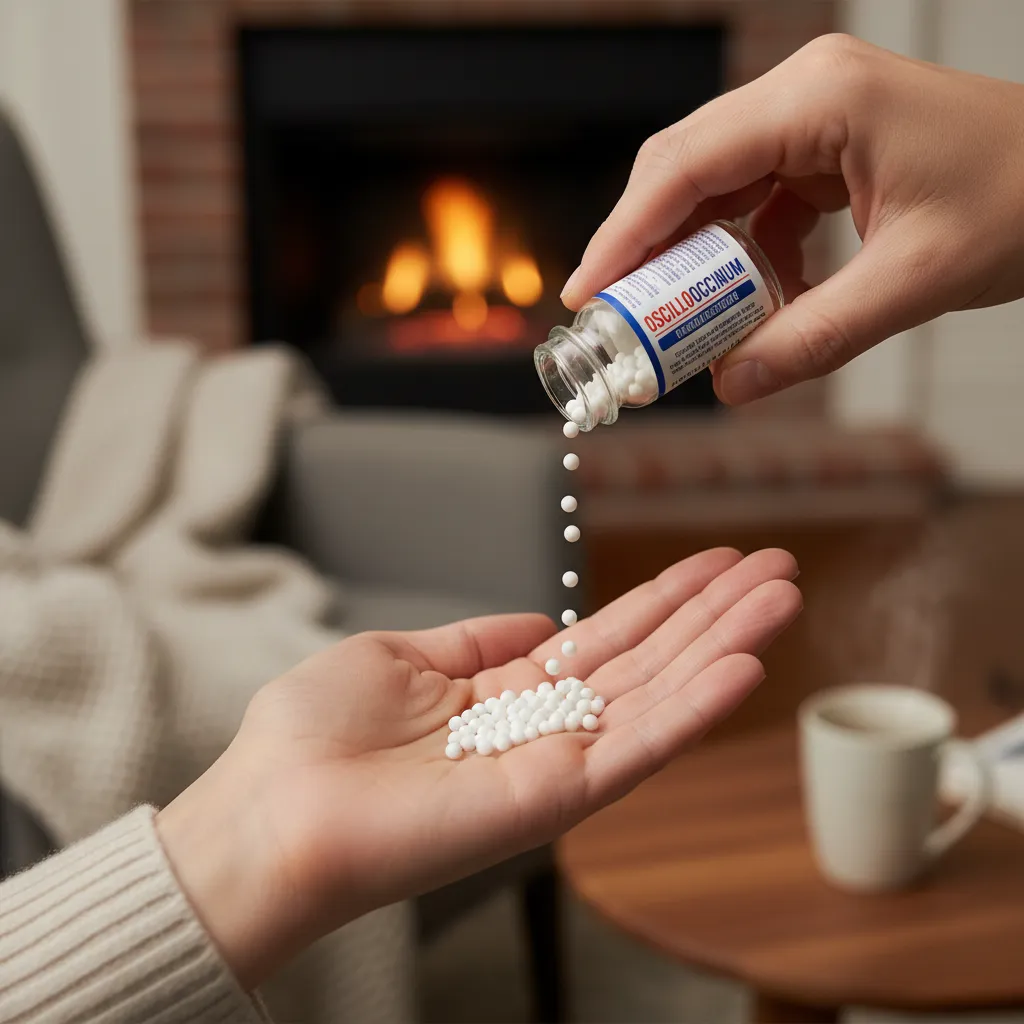
Arnica for bruises works by utilizing potent anti-inflammatory lactones, specifically helenalin, to suppress pro-inflammatory cytokines and accelerate the reabsorption of blood cells in soft tissue. By modulating the NF-κB pathway, Arnica Montana effectively reduces the swelling, pain, and discoloration associated with soft tissue trauma, making it a gold-standard natural remedy for post-operative recovery and acute injuries.
The Science Behind Arnica Montana: More Than Folk Medicine
Arnica Montana, commonly referred to as Wolf’s Bane or Leopard’s Bane, is a perennial herb belonging to the sunflower family (Asteraceae). Native to the mountainous regions of Europe and Siberia, this yellow-flowering plant has been a staple in European folk medicine for centuries. However, its transition from traditional herbalism to modern integrative health, as detailed on our Home page, is backed by a growing body of biochemical research.
The plant’s efficacy is not merely anecdotal; it is rooted in its complex chemical profile. The primary active components responsible for its therapeutic effects are sesquiterpene lactones, flavonoids, and essential oils. Among these, helenalin is the most critical compound regarding trauma and bruising. Unlike general analgesics that simply mask pain, the compounds in Arnica actively target the physiological processes of inflammation and hematoma formation.

In the context of integrative medicine, Arnica is unique because it is widely accepted by both naturopathic practitioners and conventional plastic surgeons. It bridges the gap between natural remedies and clinical requirements, mirroring the concepts of Yin and Yang: Biological Parallels, for post-procedure recovery, specifically for minimizing ecchymosis (bruising) and edema (swelling).
Does Arnica for Bruises Work? Analyzing the Clinical Evidence
When consumers search “arnica for bruises works,” they are often looking for validation before purchase. The answer lies in various clinical trials, particularly those focused on post-operative recovery where bruising is a guaranteed outcome of the trauma.
Post-Operative Studies and Rhinoplasty
One of the most compelling areas of research for Arnica Montana is in the field of facial plastic surgery, specifically rhinoplasty (nose jobs) and rhytidectomy (facelifts). These procedures involve significant soft tissue trauma, leading to profound bruising and swelling. A number of double-blind, placebo-controlled studies have demonstrated that patients receiving homeopathic Arnica Montana exhibited a statistically significant reduction in the severity of ecchymosis compared to placebo groups.
For example, research indicates that when Arnica is administered perioperatively (before and after surgery), the timeline for bruise resolution is accelerated. Instead of the standard 10-14 days for a bruise to fade from purple to yellow to clear, patients treating with Arnica often see resolution in 7-10 days. This acceleration is crucial for patients eager to return to work or social activities.
Orthopedic and Sports Injuries
Beyond cosmetic surgery, Arnica has been evaluated for sports injuries and orthopedic trauma. While results can vary based on the dosage and timing of application, the consensus in the integrative health community is that early intervention is key. Studies involving marathon runners suggest that while Arnica may not completely eliminate delayed onset muscle soreness (DOMS), it is effective in managing the acute cellular damage that leads to visible bruising and localized tenderness.
For a deeper dive into the chemical constituents of medicinal plants like Arnica, you can review data provided by the National Center for Biotechnology Information (NCBI).
Topical vs. Oral Arnica: Choosing the Right Form
Understanding the delivery method is essential for safety and effectiveness. Arnica is generally available in two distinct forms: topical applications (gels, creams, ointments) and oral homeopathic pellets. These are not interchangeable and function differently within the body.
Topical Applications
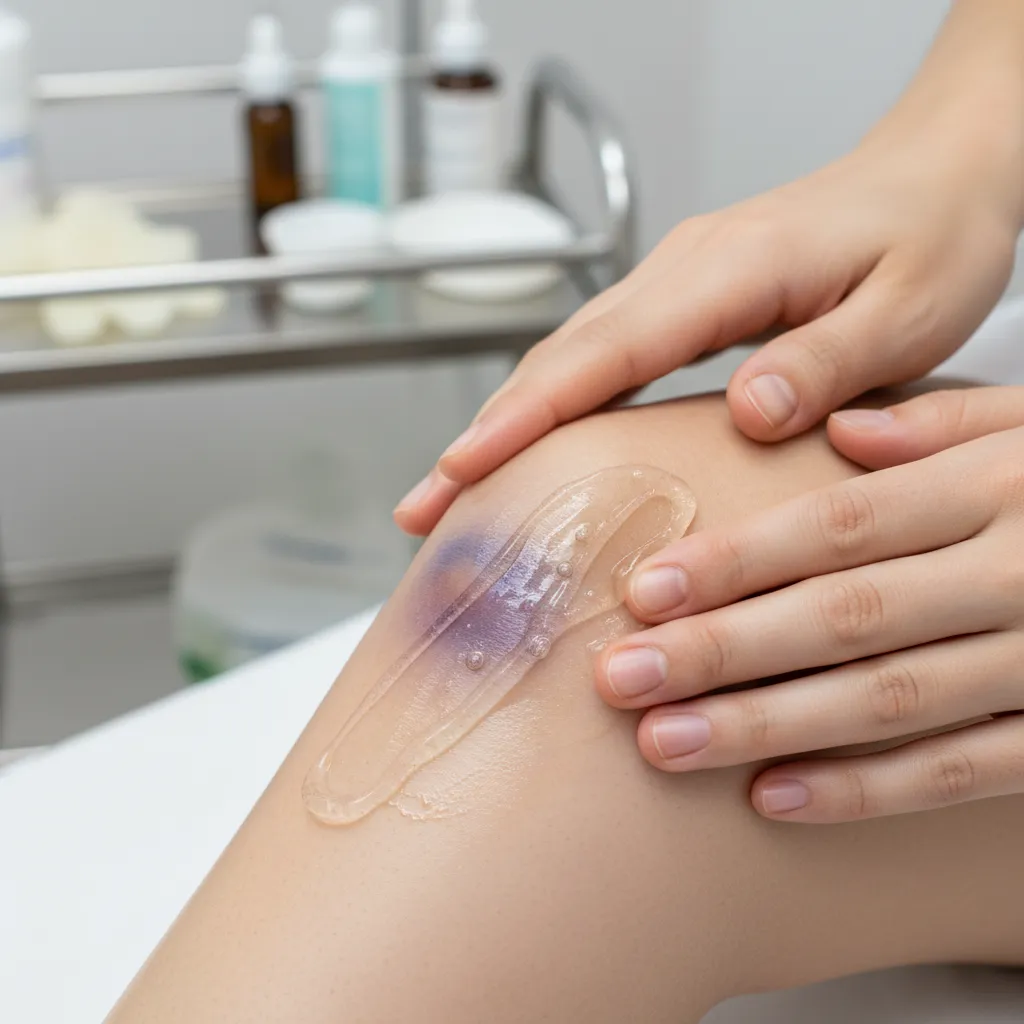
Topical Arnica is applied directly to the skin over the affected area. It is best suited for localized trauma, such as a bang to the knee or a sprain. The gel or cream allows for the transdermal absorption of the active lactones directly into the subcutaneous tissue where the bruising is occurring.
- Pros: Direct action on the injury site; soothing texture; often combined with other botanicals like calendula.
- Cons: Cannot be used on broken skin; limited depth of penetration for deep muscle trauma.
Homeopathic Oral Pellets
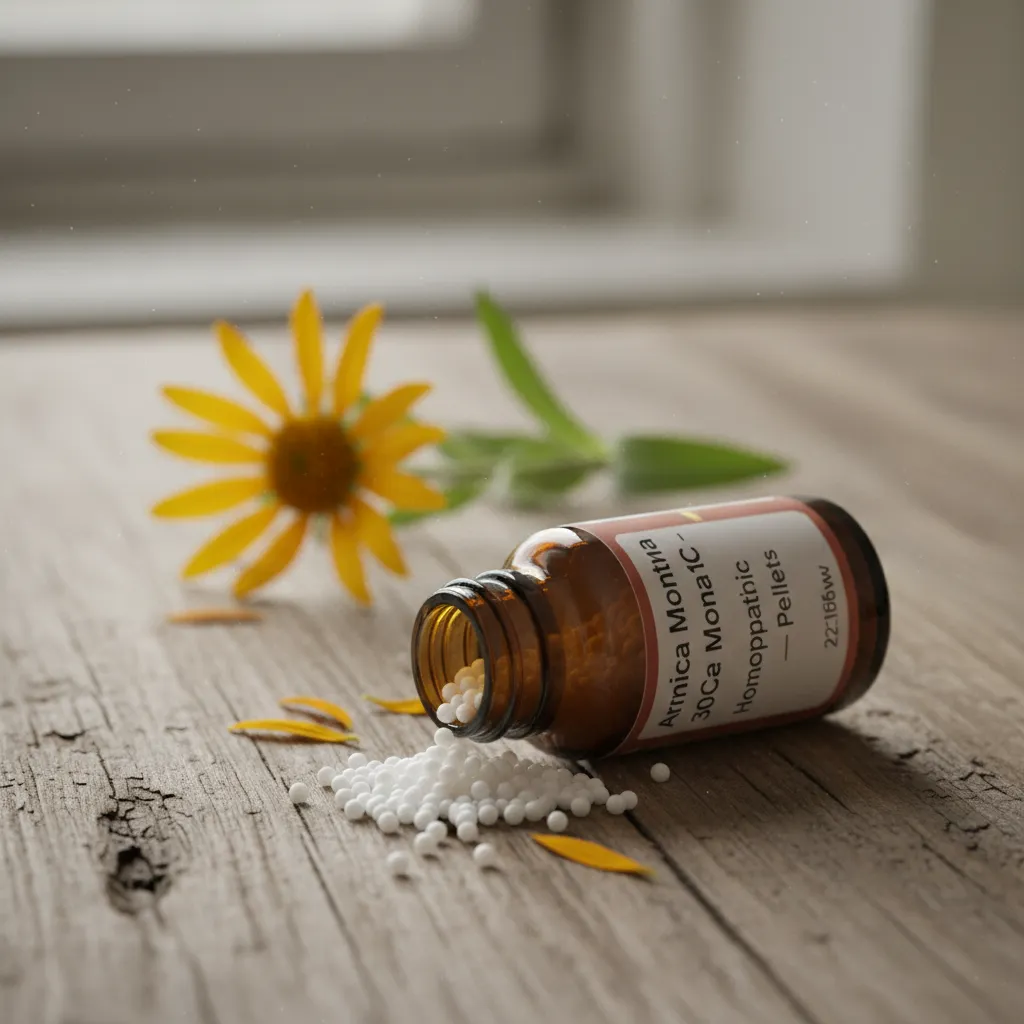
Oral Arnica is almost exclusively sold as a homeopathic remedy. This means the substance has been highly diluted (e.g., 6C, 30C, 200CK) and succussed. The principle here is systemic support. By taking the pellets sublingually (under the tongue), the remedy enters the bloodstream rapidly to address systemic inflammation and trauma response.
- Pros: Safe for systemic use; treats areas difficult to reach with creams; useful for general surgical recovery.
- Cons: Requires adherence to homeopathic dosing schedules; users must understand the difference between homeopathic dilution and herbal supplements (see safety section), ensuring you understand Consumer Rights & Safety When Buying Herbal Products in NZ.
Mechanism of Action: How Helenalin Reduces Trauma
To truly understand why Arnica for bruises works, we must look at the biochemistry of inflammation. When tissue is damaged, the body releases a cascade of inflammatory mediators. One of the central regulators of this immune response is a protein complex known as NF-κB (nuclear factor kappa-light-chain-enhancer of activated B cells).
Inhibition of NF-κB
Helenalin, the primary sesquiterpene lactone found in Arnica, is a potent inhibitor of the NF-κB pathway. By blocking this pathway, helenalin prevents the activation of various pro-inflammatory cytokines. In simpler terms, it stops the body from overreacting to the injury. While some inflammation is necessary for healing, excessive inflammation causes increased swelling, pain, and darker bruising due to blood vessel leakage.
Reabsorption of Blood Cells
A bruise (ecchymosis) is essentially blood that has escaped from damaged capillaries and pooled in the surrounding tissue. The discoloration changes as the body metabolizes the hemoglobin. Arnica is believed to stimulate the enzymatic activity that breaks down these blood cells and clears the debris via the lymphatic system. This is why users often report that their bruises change color and fade faster when using Arnica compared to leaving the injury untreated.
Safety Guidelines and Contraindications
While Arnica is a powerful natural remedy, it is not without risks, particularly if misused. The safety profile depends entirely on the form of Arnica being used.
The Danger of Broken Skin
CRITICAL WARNING: Topical Arnica should never be applied to broken skin, open wounds, or severe abrasions. The compounds in the raw plant can be toxic if they enter the bloodstream directly in high concentrations, leading to skin irritation (dermatitis) or systemic toxicity. Only apply topical Arnica to unbroken skin (closed trauma).
Herbal vs. Homeopathic Toxicity
It is vital to distinguish between “herbal” Arnica and “homeopathic” Arnica. Pure herbal Arnica is generally considered unsafe for internal consumption due to the toxicity of helenalin, which can cause gastroenteritis, muscle paralysis, and cardiac issues. Homeopathic pellets, however, are diluted to such an extent that the toxic molecules are negligible, making them safe for oral ingestion when following label instructions. Always ensure you are buying homeopathic preparations (labeled 30C, 12C, etc.) if you intend to take it orally.
For more information on the safety of homeopathic dilutions, reputable sources like WebMD or the NCCIH provide extensive overviews of regulatory status and safety profiles.
How to Use Arnica for Maximum Efficacy
To get the best results when testing if Arnica for bruises works for you, timing and consistency are paramount.
The Golden Hour
Apply Arnica or take the first dose of pellets as soon as possible after the injury occurs. The “golden hour”—the immediate timeframe following trauma—is when the inflammatory cascade begins. Intercepting this process early can significantly reduce the maximum size and darkness of the bruise.
Suggested Protocol
- Immediate Care: Apply ice to the area to constrict blood vessels (vasoconstriction).
- Oral Support: Take 5 pellets of Arnica Montana 30C sublingually. Repeat every hour for the first 4 hours if the trauma is severe.
- Topical Application: Once you confirm the skin is not broken, apply a thin layer of Arnica gel to the area. Reapply 3 times daily.
- Maintenance: Continue usage for 3-5 days or until the bruising has significantly faded.
Frequently Asked Questions (PAA)
How quickly does Arnica work on bruises?
Arnica can begin to reduce pain and swelling within hours of the first application. Visibly, it can accelerate the healing time of a bruise by 30-50%, meaning a bruise that normally takes two weeks to heal may resolve in 7 to 10 days with consistent use.
Can I put Arnica on an open wound?
No, you should never apply topical Arnica to an open wound or broken skin. Doing so can cause severe irritation and allow toxic components to enter the bloodstream. Only use topical Arnica on unbroken skin. For open wounds, consider oral homeopathic pellets instead.
Is Arnica safe to take with other medications?
Homeopathic Arnica is generally considered safe and does not have known interactions with conventional pharmaceutical medications because of its high dilution. However, you should always consult your physician before adding any supplement to your regimen, especially if you are taking blood thinners.
What is the difference between Arnica gel and cream?
Arnica gel is usually water-based, absorbs quickly, and leaves no residue, making it ideal for immediate application. Arnica cream is often oil-based and moisturizing, which may be better for massaging into sore muscles but takes longer to absorb into the skin.
Can I use Arnica for old bruises?
While Arnica is most effective when used immediately after an injury, it can still help clear up old bruises. It works by stimulating blood flow and lymphatic drainage, which helps the body reabsorb the trapped blood cells that cause the lingering discoloration.
Does Arnica work for under-eye circles?
If the dark circles are caused by trauma or surgery (like rhinoplasty), Arnica is very effective. However, if the dark circles are genetic or due to pigmentation/thin skin, Arnica will likely not be effective as there is no hematoma or blood pooling to resolve.