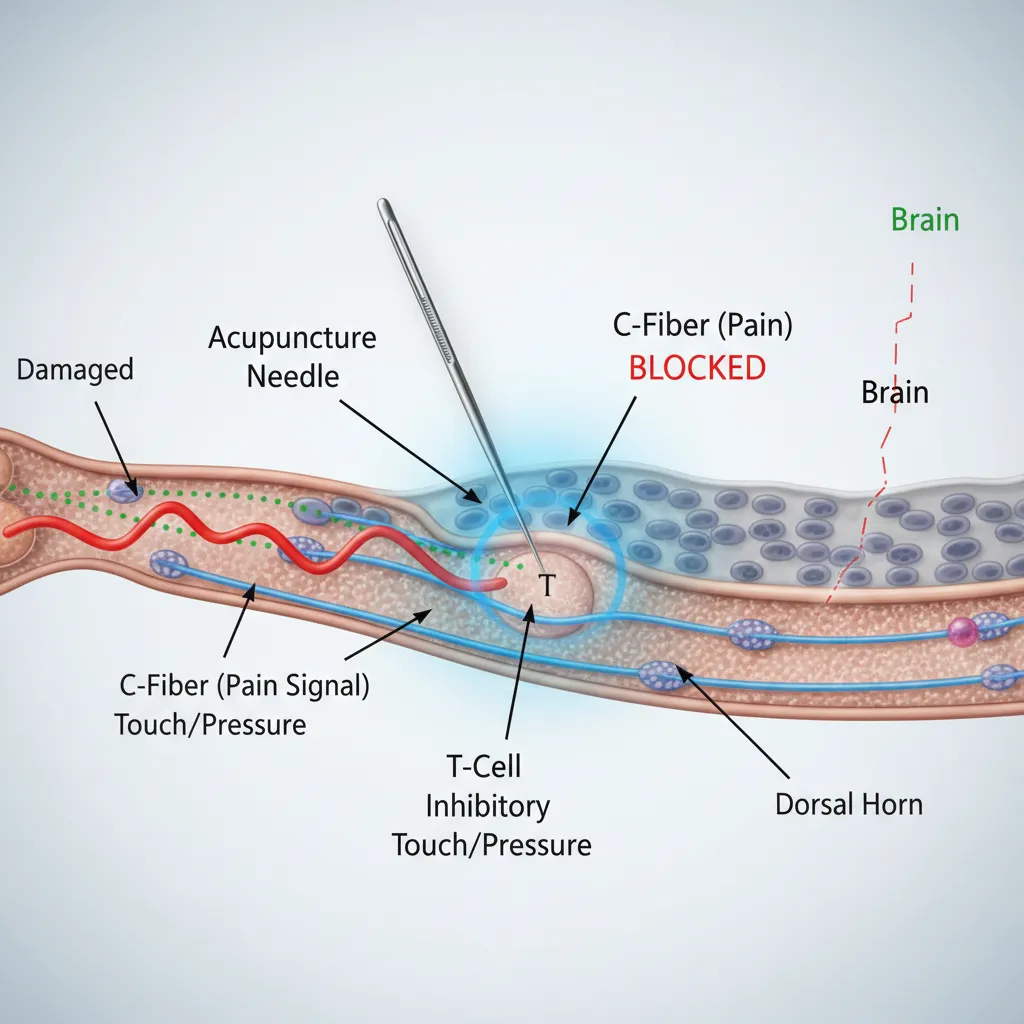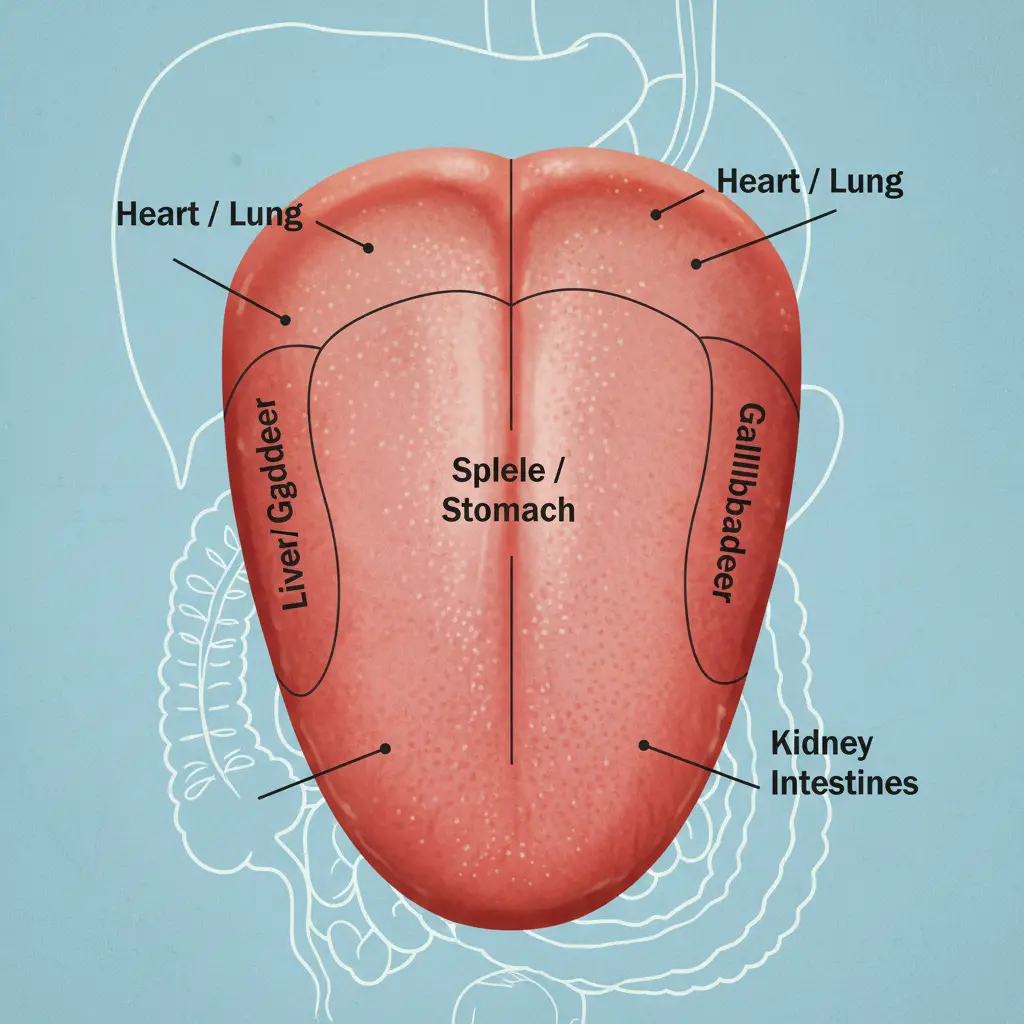
The five element diet in TCM is a comprehensive nutritional framework rooted in Traditional Chinese Medicine that categorizes foods based on their energetic properties—Wood, Fire, Earth, Metal, and Water—to restore internal balance. This approach is central to Creating a Holistic Herbal Practice in New Zealand: Integrating East & West. By aligning dietary choices with specific thermal natures (cooling or warming), the five flavors, and seasonal cycles, this approach aims to harmonize the body’s organ systems, optimize Qi flow, and resolve energetic imbalances like dampness or heat.
The Foundations: Understanding Wu Xing
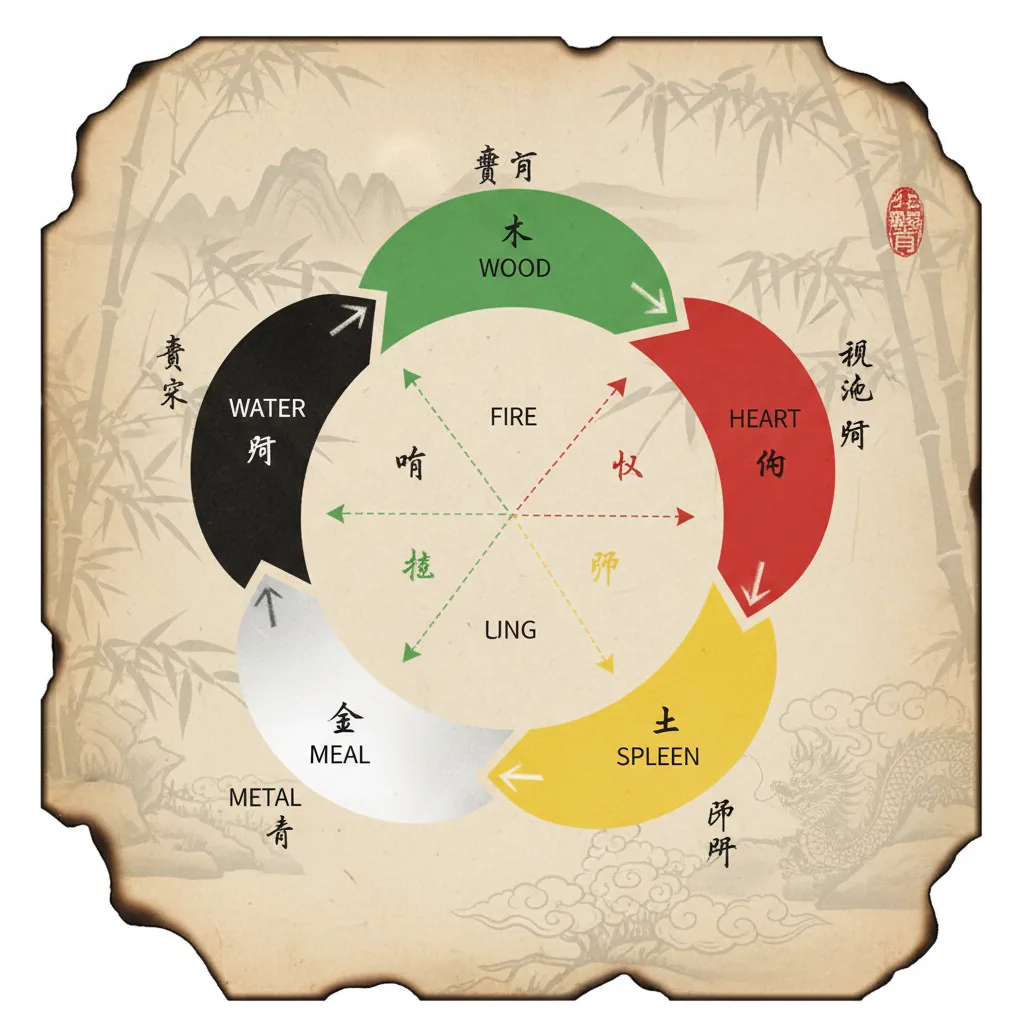
Traditional Chinese Medicine (TCM) views the human body as a microcosm of the natural world. From our Home in the natural health community, we see that central to this philosophy is the theory of the Five Elements, or Wu Xing. These elements—Wood, Fire, Earth, Metal, and Water—are not merely static constituents of matter but dynamic forces that describe interactions and cycles of change. In the context of nutrition, the Five Elements provide a map for understanding how different foods influence our internal organs and overall vitality.
Each element corresponds to a specific pair of internal organs (Zang-Fu), a season, a color, and a flavor. Health is maintained when these elements are in harmony, supporting one another through a “Generating Cycle” (where one element nourishes the next) and keeping each other in check through a “Controlling Cycle.” When we consume a five element diet in TCM, we are essentially using food as medicine to correct imbalances within these cycles. For instance, if the Liver (Wood) is stagnant, we might use foods associated with the Wood element or its controlling element to restore flow.
The Thermal Nature of Foods: Yin and Yang on the Plate
Before diving into specific flavors, it is crucial to understand the thermal nature of food. In Western nutrition, we often look at calories and macronutrients. In TCM, we look at the energetic temperature a food imparts to the body after digestion. This is distinct from the physical temperature of the food; for example, hot tea can induce sweating (cooling), while chili peppers are energetically hot even if eaten cold.
Foods are generally categorized into five thermal natures:
- Hot: Increases Yang, speeds up metabolism, and warms the interior. Examples include lamb, chili peppers, garlic, and cinnamon. These are beneficial for those with “Cold” patterns (pale tongue, cold hands/feet, lethargy).
- Warm: Gently increases Yang and Qi. Examples include chicken, beef, oats, onions, and walnuts. These form the staple of a diet for maintaining vitality in cooler climates.
- Neutral: Neither warms nor cools, making them suitable for almost everyone. Examples include rice, potatoes, peas, and honey.
- Cool: Clears heat and nourishes Yin/fluids. Examples include apples, tofu, spinach, and celery.
- Cold: Strongly clears heat and slows down metabolism. Examples include watermelon, seaweed, crab, and bamboo shoots. These are essential for “Heat” patterns (red face, inflammation, agitation) but should be used sparingly by those with weak digestion.
Balancing these thermal natures is vital. A person with a “Yang deficiency” (feeling cold easily) should avoid an excess of raw salads (Cold/Cool) and focus on cooked, warming meals. Conversely, someone with “Yin deficiency” (night sweats, dry skin) should incorporate cooling foods to nourish body fluids.
The Five Flavors and Organ Affinities
The core of the five element diet in TCM lies in the five flavors. Each flavor has a specific affinity for an organ system, meaning it travels to that organ to nourish or cleanse it. However, the dosage is critical: a moderate amount strengthens the organ, while an excess can damage it.
1. Sour (Wood Element – Liver/Gallbladder)
Sour foods are astringent; they help arrest the leakage of fluids (like excessive sweating) and consolidate Qi. They act on the Liver, helping to smooth the flow of Qi and manage stress.
- Foods: Lemons, vinegar, pickles, sauerkraut, green apples.
- Therapeutic Use: Beneficial for those who feel scattered or irritable, often used alongside remedies like Ignatia Amara: Grief and Emotional Stress.
- Caution: Too much sour can cause muscle constriction and should be avoided if suffering from acute wind-cold (colds/flu).
2. Bitter (Fire Element – Heart/Small Intestine)
Bitter foods clear heat, dry dampness, and stimulate bowel movements. They have a descending energy, helping to bring down rebellious Qi (like acid reflux).
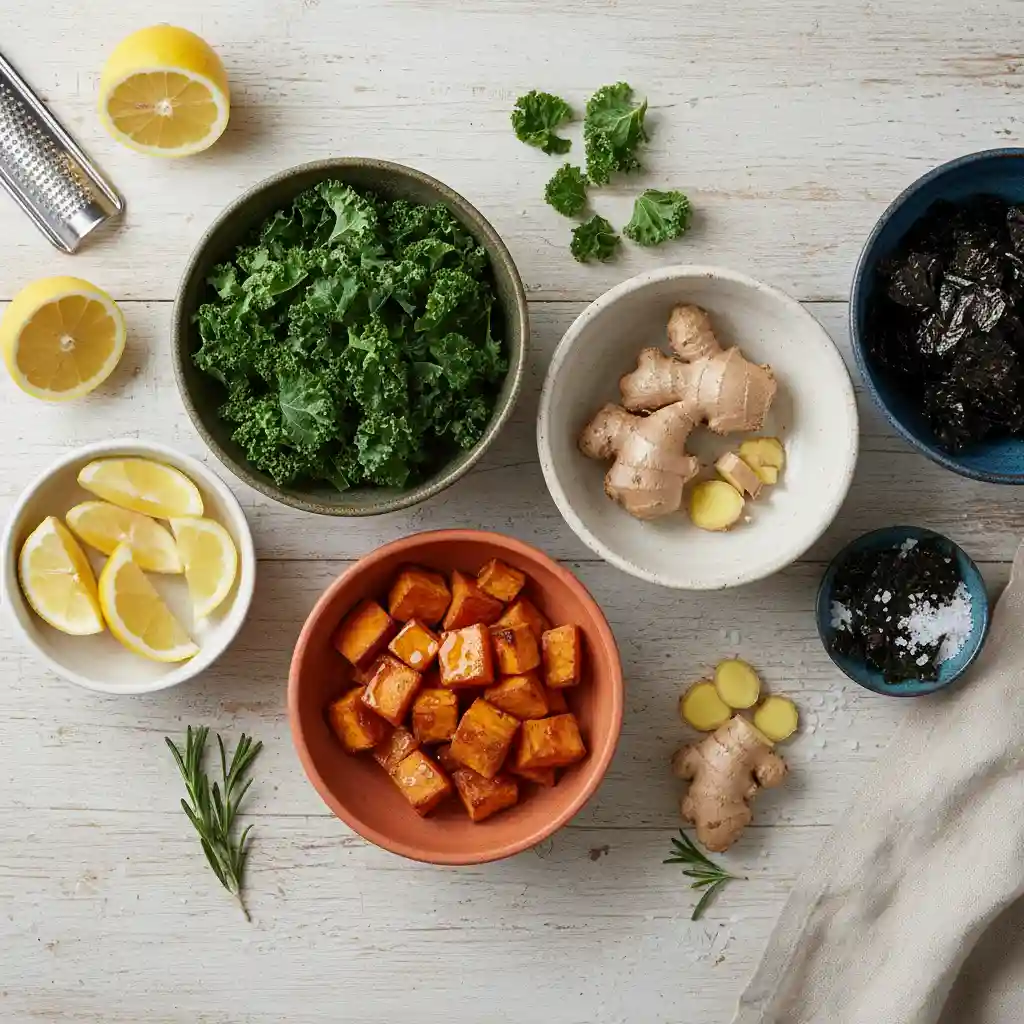
- Foods: Kale, dandelion greens, bitter melon, coffee, dark chocolate.
- Therapeutic Use: Excellent for clearing inflammation and calming the mind (Shen).
- Caution: Excess bitter can be too drying and deplete Yin.
3. Sweet (Earth Element – Spleen/Stomach)
Note that “sweet” here refers to the natural sweetness of complex carbohydrates and proteins, not refined sugar. Sweet foods are tonifying, harmonizing, and moistening. They are the primary source of Qi production.
- Foods: Rice, sweet potatoes, carrots, beef, pumpkin, corn.
- Therapeutic Use: Strengthening digestion and boosting energy.
- Caution: Refined sweets create dampness and phlegm, harming the Spleen.
4. Pungent/Spicy (Metal Element – Lung/Large Intestine)
Pungent foods are dispersing and promoting circulation. They induce sweating and help move Qi and Blood.
- Foods: Scallions, ginger, radish, peppermint, cayenne.
- Therapeutic Use: Warding off colds and breaking up congestion in the lungs.
- Caution: Too much spice can exhaust Qi and damage fluids.
5. Salty (Water Element – Kidney/Bladder)
Salty foods soften hardness (like dissolving masses or nodes) and have a downward-moving energy. They anchor the energy and nourish the Kidneys, the root of vitality.
- Foods: Seaweed, kelp, miso, sea salt, pork, shellfish.
- Therapeutic Use: Replenishing minerals and grounding the body’s energy.
- Caution: Excessive salt damages the heart and leads to water retention.
Seasonal Eating Principles
TCM emphasizes living in accordance with the seasons to maintain health. As the environment changes, so should our diet to protect the body against external pathogens.
Spring (Wood)
Spring is the time of birth and renewal. The energy rises. We should focus on the Liver. Eat fresh greens, sprouts, and slightly sour foods to gently stimulate Qi flow. Avoid heavy, greasy foods that clog the Liver.
Summer (Fire)
Yang is at its peak. The focus is on the Heart. Incorporate cooling, light foods and bitter flavors to clear heat. Hydration is key. Foods like watermelon, cucumber, and mung beans are ideal. Avoid excessive spicy foods which add fire to fire.
Late Summer (Earth)
This is a distinct season in TCM, representing the transition between Yang (Summer) and Yin (Autumn). It is associated with the Spleen and dampness. Focus on yellow/orange foods like squash, millet, and carrots. Meals should be simple and easy to digest to protect the Spleen.
Autumn (Metal)
The energy begins to contract. The air becomes dry, affecting the Lungs. Eat white foods and moistening ingredients like pears, cauliflower, almonds, and honey to combat dryness. Pungent foods can be used moderately to keep the Lungs clear.
Winter (Water)
The season of storage and rest. Yin is at its peak. Focus on the Kidneys. Eat warming, hearty stews, root vegetables, and dark foods like black beans, seaweed, and walnuts. According to the National Center for Complementary and Integrative Health, TCM practices like these are often integrated to manage chronic conditions by supporting the body’s natural rhythms.
Dietary Adjustments for Dampness and Heat
Two of the most common pathologies addressed by the five element diet in TCM are Dampness and Heat. These conditions often arise from poor dietary habits and environmental factors.
Resolving Dampness
Dampness is characterized by a feeling of heaviness, brain fog, loose stools, and excess mucus. It is often caused by a weak Spleen unable to transport fluids.
- Foods to Avoid: Dairy, refined sugar, raw/cold foods, greasy fried foods, alcohol, and excessive wheat.
- Foods to Include: Aromatics (cardamom, orange peel), barley (Job’s tears), corn silk, adzuki beans, and cooked vegetables.
- Cooking Method: Roasting and baking are drying and helpful; steaming is neutral.
Clearing Heat
Heat manifests as inflammation, redness, constipation, short temper, and thirst. It can be caused by stress (Liver Fire) or diet (Stomach Fire).
- Foods to Avoid: Alcohol, coffee, deep-fried foods, hot spices (chili, curry), and red meat (in excess).
- Foods to Include: Mung beans, celery, cucumber, dandelion tea, peppermint, tofu, and fruits.
- Cooking Method: Steaming, blanching, and stir-frying quickly are best to preserve cooling properties.
Practical Application and Cooking Methods
Implementing the Five Element diet does not require strictly eating Chinese cuisine. It is about the energetic properties of the ingredients you have available.
Cooking methods also alter the thermal nature of food. If you have a “Cold” constitution, you should cook your vegetables thoroughly (roasting, stewing) to break down fibers and add Yang energy. If you have a “Hot” constitution, lighter cooking methods like steaming or quick blanching are preferable to retain the cooling essence of the vegetables.
Start by observing your body. Do you feel cold after eating a salad? Switch to roasted root vegetables. Do you get heartburn after spicy food? Switch to cooling bitter greens. The goal of the Five Element diet is not rigid adherence to a rulebook, but rather developing an intuitive relationship with food that fosters balance and longevity.
People Also Ask
What are the 5 elements of food in TCM?
The 5 elements are Wood (Sour), Fire (Bitter), Earth (Sweet), Metal (Pungent), and Water (Salty). Each element corresponds to specific food groups and flavors that nourish different organ systems within the body.
How do I eat for my body type in TCM?
To eat for your body type, you must first identify if your constitution is Yin (Cold/Deficient) or Yang (Hot/Excess). Yin types should eat warming, cooked foods, while Yang types benefit from cooling, lighter foods and fresh produce.
What foods strengthen the Spleen in TCM?
The Spleen is strengthened by naturally sweet, warm, and cooked foods. Excellent choices include sweet potatoes, oats, rice, pumpkin, carrots, and warm soups. Avoiding cold, raw, and sugary foods is also essential.
Which flavor is associated with the Kidney in TCM?
The Salty flavor is associated with the Kidney and the Water element. Moderate consumption of salty foods like seaweed, miso, and seafood can nourish the Kidneys, but excess salt should be avoided.
Is the TCM diet vegetarian?
No, the TCM diet is not inherently vegetarian. While it emphasizes vegetables and grains, it views meat as a powerful tonic for Qi and Blood. However, meat is typically consumed in smaller quantities (as a condiment or side) compared to Western diets.
How does the thermal nature of food affect digestion?
The thermal nature determines how hard the body must work to digest food. Cold foods require the body to expend energy to warm them up for digestion, which can weaken the “digestive fire” (Spleen Yang). Warm foods are generally easier to digest and support metabolic function.