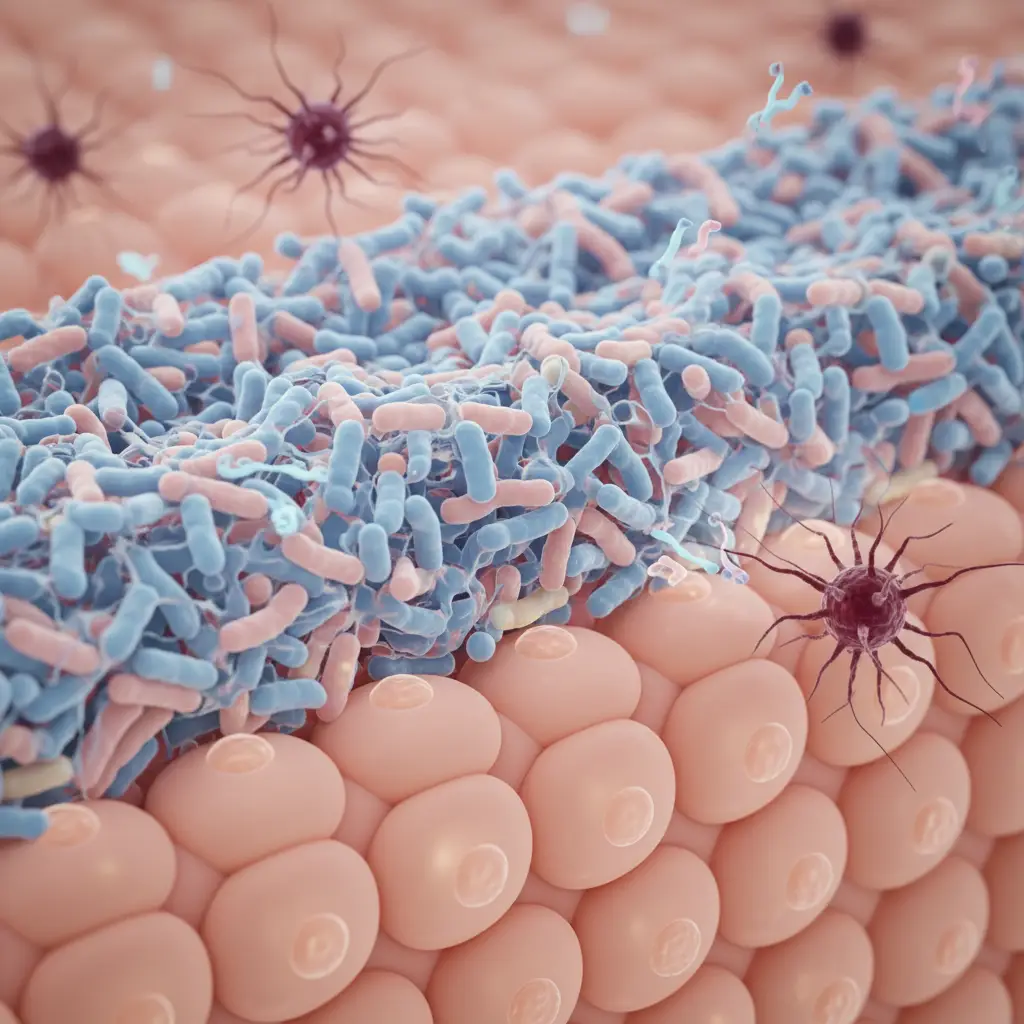
Rongoā Māori offers a profound, holistic approach to managing arthritis pain and joint inflammation, integrating the healing power of native New Zealand plants with traditional Māori understanding of health and well-being. This ancient practice addresses not only the physical symptoms but also the spiritual and emotional dimensions of discomfort, providing comprehensive relief and promoting long-term balance within the body.
Arthritis and joint inflammation represent significant challenges to well-being, affecting millions globally and diminishing quality of life through persistent pain, stiffness, and reduced mobility. While conventional medicine offers various treatments, a growing number of individuals are seeking complementary and alternative therapies that align with a more natural and holistic health philosophy. In Aotearoa New Zealand, Rongoā Māori, the traditional Māori system of healing, stands as a powerful, culturally rich option, offering unique perspectives and potent botanical remedies for these debilitating conditions. This comprehensive guide delves into the world of Rongoā for arthritis pain, exploring ancient wisdom, powerful plant medicines like Tutu and Tupakihi, and the holistic principles that underpin this revered practice.
Types of Arthritis and Traditional Views on Joint Pain
Arthritis is not a single disease but a term encompassing over 100 conditions characterized by joint inflammation, pain, and stiffness. Understanding the prevalent forms is crucial for appreciating how Rongoā Māori offers tailored approaches to these diverse manifestations of discomfort.
Common Forms of Arthritis
Osteoarthritis (OA): This is the most common form, often referred to as ‘wear and tear’ arthritis. It occurs when the protective cartilage on the ends of your bones wears down over time, leading to bone-on-bone friction, pain, and stiffness, particularly in weight-bearing joints like the knees, hips, and spine. It typically progresses slowly and worsens over time.
Rheumatoid Arthritis (RA): An autoimmune disease where the body’s immune system mistakenly attacks its own tissues, primarily affecting the lining of the joints, causing painful swelling that can eventually result in bone erosion and joint deformity. RA can also affect other body systems, including the skin, eyes, lungs, heart, and blood vessels.
Gout: A complex form of arthritis characterized by sudden, severe attacks of pain, swelling, redness, and tenderness in one or more joints, most often the big toe. Gout occurs when urate crystals accumulate in the joint, causing intense inflammation.
Psoriatic Arthritis: A form of arthritis that affects some people who have psoriasis, a condition featuring red patches of skin topped with silvery scales. Psoriatic arthritis can affect any joint in the body, and symptoms often mimic those of rheumatoid arthritis.
Each type presents unique challenges, and traditional Māori healing practices acknowledge the individual nuances of these conditions.
Traditional Māori Perspectives on Joint Pain and Inflammation
In Rongoā Māori, health and well-being (hauora) are viewed holistically, encompassing the physical (tinana), mental/emotional (hinengaro), spiritual (wairua), and family/social (whānau) dimensions. Joint pain and inflammation are not merely isolated physical symptoms but indicators of an imbalance within this interconnected system.
Traditional Māori healers, known as Tohunga Rongoā or Kairongoā, often interpret conditions like arthritis as ‘mate riri’ (angry sickness) or ‘mate whewhenua’ (sickness of the bones), implying a deeper spiritual or energetic disharmony that manifests physically. Pain is seen as a message, a signal that something is out of alignment, rather than just an affliction to be suppressed.
The emphasis is on restoring harmony (mauri ora) to the individual and their environment. This involves not only the application of medicinal plants but also karakia (prayers/incantations), mirimiri (massage), and guidance on diet (kai ora) and lifestyle. The approach is deeply personalized, considering the individual’s whakapapa (genealogy), environment, and life circumstances. The goal is to address the root cause of the imbalance, promoting profound and sustainable healing rather than just symptomatic relief.
Safe Use of Tutu (Under Strict Supervision) and Alternatives
Tutu (Coriaria arborea), a native New Zealand shrub, holds a significant yet delicate place within the Rongoā Māori pharmacopoeia. Its potent medicinal properties are highly valued for treating various ailments, including inflammation and pain, but its use is surrounded by crucial safety considerations due to its inherent toxicity. This section provides critical information regarding its application and explores safer, equally effective alternatives.
The Potency and Peril of Tutu
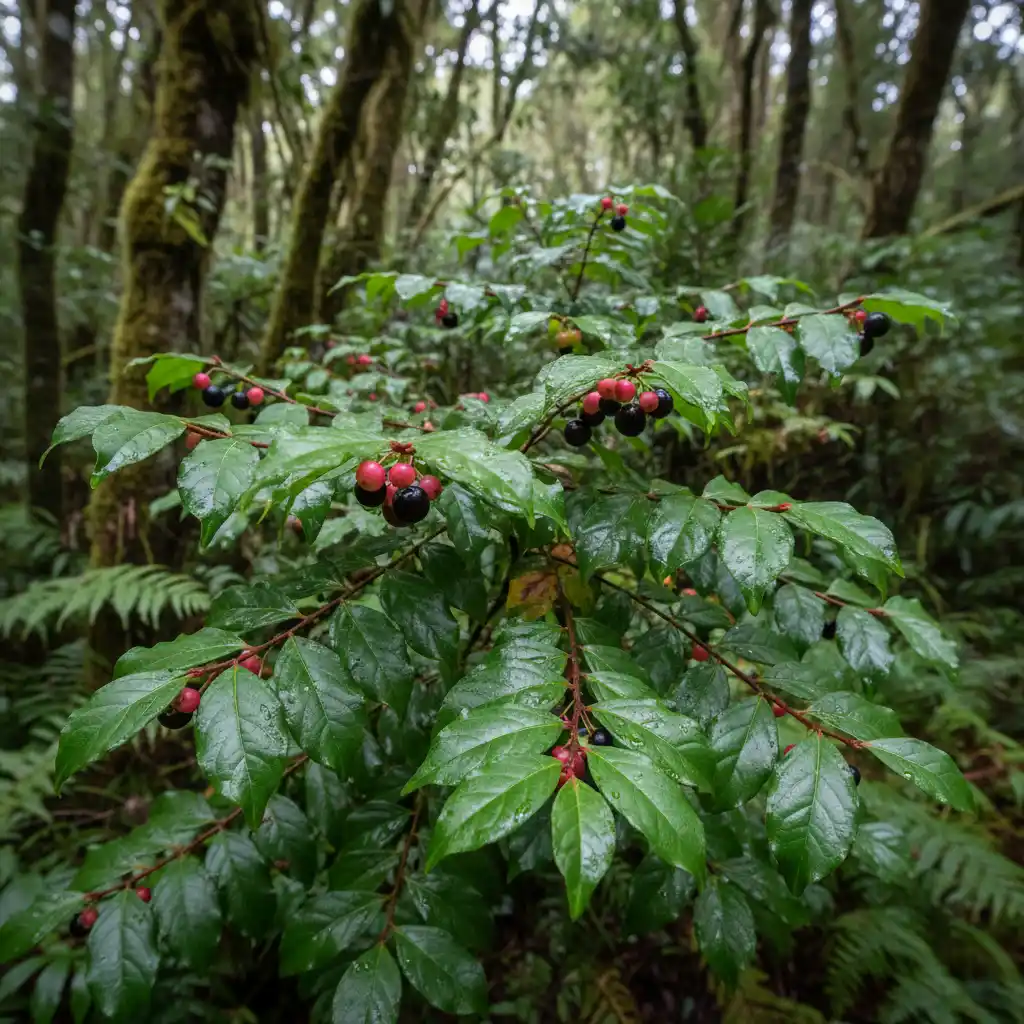
WARNING: Tutu is highly toxic and its internal use can be fatal. It contains tutin and related neurotoxins. Its preparation and application MUST ONLY be undertaken by highly experienced and authorized Tohunga Rongoā or Kairongoā. Attempting to use Tutu without expert supervision is extremely dangerous and is not recommended.
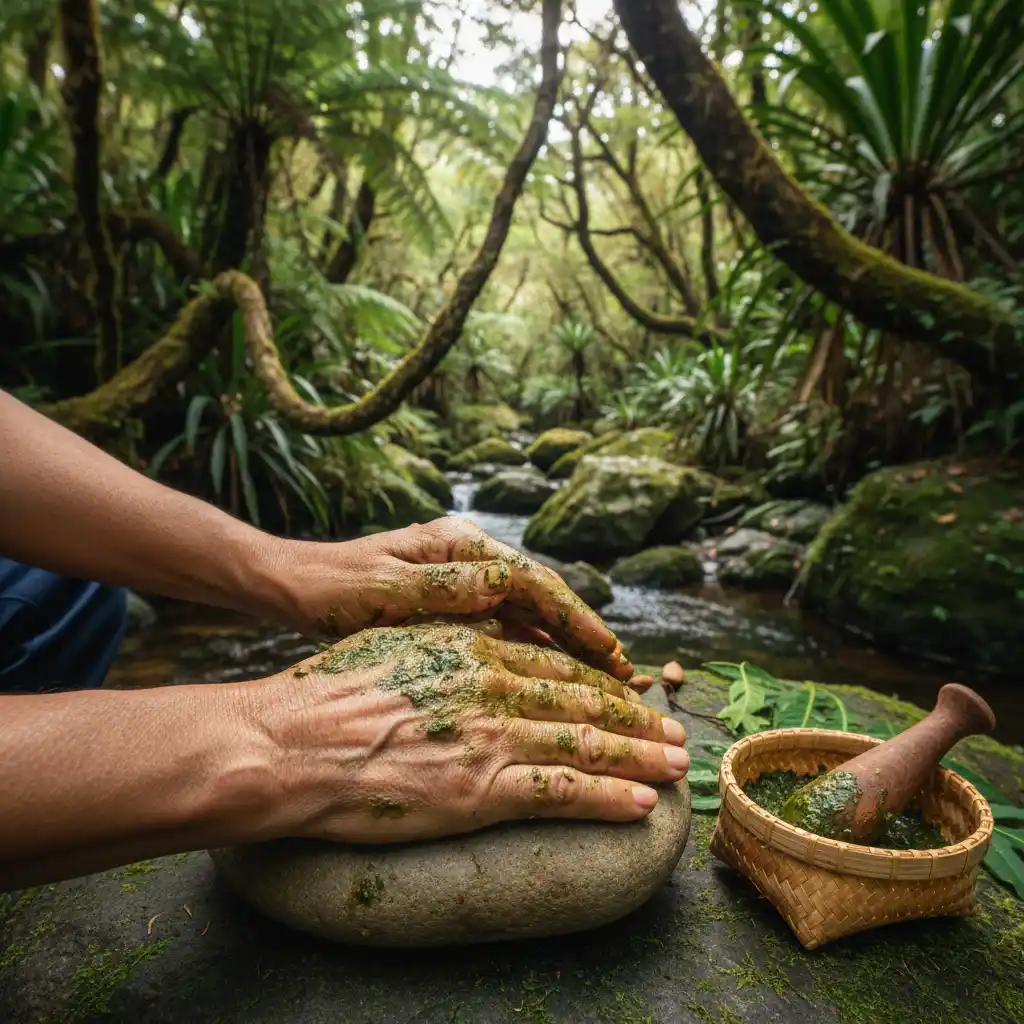
Historically, Tutu has been revered for its strong analgesic (pain-relieving) and anti-inflammatory properties, particularly in treating severe muscle strains, sprains, bruises, and chronic joint pain. Traditional preparations for topical use involved crushing the leaves and bark to create poultices or infusions for external application. The toxins are primarily absorbed internally, making external application, when prepared correctly by an expert, a safer route. However, even external use requires stringent safety protocols to prevent accidental ingestion or absorption through broken skin.
The traditional knowledge surrounding Tutu’s safe use is a closely guarded secret passed down through generations of healers. It involves specific rituals, precise preparation methods to neutralize or mitigate toxins, and a deep understanding of dosage and application techniques that are not available to the general public. Modern science has confirmed the presence of tutin, a picrotoxin-like neurotoxin, which can cause convulsions, coma, and death if ingested in sufficient quantities. Therefore, for anyone outside of a traditional Rongoā Māori practitioner’s direct care, Tutu should be strictly avoided.
Safer and Accessible Rongoā Alternatives for Joint Pain
For those seeking Rongoā remedies for arthritis pain and inflammation, several other native plants offer powerful therapeutic benefits without the extreme toxicity associated with Tutu. These alternatives are more readily accessible and can be prepared safely under general guidance, though consultation with a Kairongoā is always recommended for personalized care.
Kawakawa (Macropiper excelsum): Perhaps the most well-known and versatile Rongoā plant, Kawakawa is celebrated for its potent anti-inflammatory and analgesic properties. Its leaves can be used to make teas for internal consumption to reduce systemic inflammation, or steeped in oil to create balms and compresses for topical application on painful joints. It is also used in steam baths to alleviate muscle and joint stiffness.
Harakeke (Phormium tenax – New Zealand Flax): Beyond its uses for weaving, Harakeke leaves contain compounds that provide natural pain relief and reduce swelling. The gel from the base of the leaves, or poultices made from crushed leaves, can be applied directly to inflamed joints. Harakeke root poultices are particularly effective for deep-seated pain and swelling.
Kūmarahou (Pomaderris kumeraho): Often used as a blood cleanser and tonic, Kūmarahou is also valued for its anti-inflammatory effects. Teas made from its leaves and flowers can help reduce internal inflammation, supporting overall joint health. It is particularly helpful for conditions linked to systemic inflammatory responses.
Mānuka (Leptospermum scoparium) and Kānuka (Kunzea ericoides): Essential oils derived from Mānuka and Kānuka, as well as infused oils and balms, possess strong anti-inflammatory, antiseptic, and analgesic properties. They are excellent for massaging into sore joints and muscles, improving circulation and reducing discomfort. Kānuka oil, in particular, has been subject to scientific study for its anti-inflammatory capabilities.
Tupakihi: The ‘Heal-All’ for Bone and Muscle
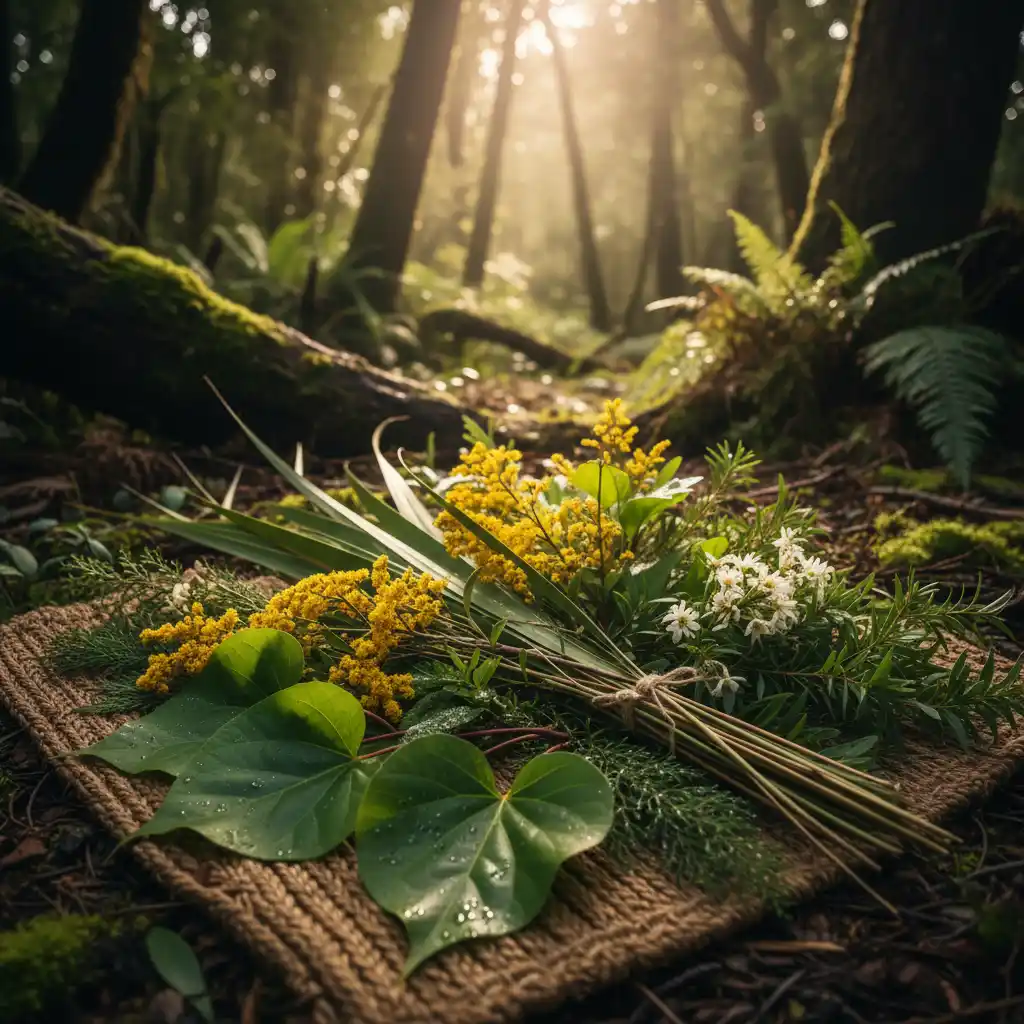
Among the revered plants in the Rongoā Māori tradition, Tupakihi (Coriaria ruscifolia or arborea, often confused but distinct from Tutu in specific applications and traditional preparation methods for safety in healing) stands out as a powerful and versatile ‘heal-all’ for a range of musculoskeletal issues. It is particularly celebrated for its efficacy in treating ailments related to bones, muscles, and soft tissues, making it a cornerstone for addressing chronic pain and inflammatory conditions like arthritis. While sharing a genus with Tutu, traditional knowledge meticulously distinguishes its preparation and safe application for healing.
Traditional Applications of Tupakihi
Tupakihi has a long history of use in Rongoā for its remarkable ability to support the healing of the skeletal and muscular systems. It is primarily known for:
- Anti-inflammatory Action: Tupakihi is highly regarded for its profound capacity to reduce inflammation, which is a hallmark of arthritis and other joint conditions. This makes it an ideal remedy for alleviating the swelling and discomfort associated with inflamed joints.
- Pain Relief: Its analgesic properties help to soothe pain in muscles, bones, and joints, offering significant comfort to those suffering from chronic arthritis or acute injuries.
- Bone and Soft Tissue Repair: Traditionally, Tupakihi has been applied to aid in the healing of fractures, sprains, bruises, and dislocations. It is believed to support the body’s natural regenerative processes, promoting faster recovery and strengthening damaged tissues.
- Muscle Relaxation: For muscle cramps, stiffness, and tension often accompanying chronic pain, Tupakihi preparations can help relax tight muscles and improve flexibility.
- Circulation Enhancement: By promoting healthy blood flow to affected areas, Tupakihi aids in nutrient delivery and waste removal, which are crucial for healing and reducing inflammatory build-up.
The efficacy of Tupakihi lies in its complex phytochemical profile, which Māori healers have understood and utilized for generations through empirical observation and ancestral knowledge. Unlike the extreme precautions necessary with Tutu, Tupakihi, when correctly identified and prepared by a Kairongoā, can be used with a different safety profile, primarily for external applications.
Preparation and Application Methods
The traditional preparation of Tupakihi for therapeutic use typically involves external application. It is crucial to source Tupakihi from a trusted Kairongoā or under their direct guidance to ensure correct identification and preparation, as species within the Coriaria genus require careful handling.
- Poultices (Whakapiri): Fresh Tupakihi leaves and sometimes bark are crushed or pounded to release their medicinal juices. This pulp is then warmed and applied directly to the affected joint or muscle, often secured with a bandage or harakeke fibers. The poultice is left in place for several hours or overnight to allow the active compounds to penetrate the skin and exert their anti-inflammatory and pain-relieving effects. This method is particularly effective for acute swelling and deep-seated pain.
- Infused Oils and Balms: Tupakihi leaves and bark can be infused into carrier oils (such as olive oil or kūmarahou oil) over a period, often with gentle heat, to extract their healing properties. This infused oil is then used as a base for making balms or salves. These topical preparations are excellent for regular massage on arthritic joints, promoting circulation, reducing stiffness, and providing sustained pain relief. They are often preferred for chronic conditions where daily application is beneficial.
- Compresses (Huka): Strong infusions of Tupakihi can be used as warm compresses. Cloths soaked in the warm liquid are applied to the painful area, offering soothing relief and helping to reduce inflammation.
The consistent and correct application of Tupakihi, as guided by a Kairongoā, is key to harnessing its full healing potential for arthritis and other musculoskeletal complaints. It embodies the Rongoā philosophy of working in harmony with nature to restore the body’s inherent capacity to heal.
Combining Topical Application with Internal Medicine
The strength of Rongoā Māori in addressing complex conditions like arthritis lies in its holistic and multi-faceted approach. It rarely relies on a single remedy but rather integrates various modalities—topical applications, internal medicines, spiritual guidance, and lifestyle adjustments—to treat the individual as a whole. This comprehensive strategy ensures that both the external manifestations of pain and inflammation, and the underlying internal imbalances, are thoroughly addressed.
The Synergy of External and Internal Rongoā
For arthritis and joint inflammation, combining topical application of powerful plant remedies with internal medicine creates a synergistic effect, amplifying healing and providing more sustained relief.
- Topical Applications for Immediate Relief: Remedies like Tupakihi poultices, Kawakawa balms, and Harakeke gels offer localized pain relief, reduce swelling, and improve circulation directly at the site of inflammation. They provide immediate comfort and help soothe irritated tissues. This external focus is crucial for managing acute flare-ups and chronic discomfort, allowing for improved mobility and reduced daily pain.
- Internal Medicines for Systemic Healing: Alongside external treatments, Rongoā Māori emphasizes internal remedies to cleanse the system, reduce systemic inflammation, and support the body’s natural healing processes. Teas and infusions made from plants like Kūmarahou, Kawakawa, and Pukatea are commonly prescribed.
- Kūmarahou acts as a blood cleanser and tonic, helping to remove toxins that may contribute to inflammatory conditions.
- Kawakawa tea, known for its anti-inflammatory and digestive benefits, can help calm internal inflammatory responses throughout the body.
- Pukatea (Laurelia novae-zelandiae) bark, traditionally used for pain relief and anti-inflammatory purposes, can be taken as an infusion to address deeper systemic inflammation and aches.
These internal remedies work to rebalance the body’s internal environment, strengthening its resilience against disease and promoting long-term well-being.
The Kairongoā will meticulously assess the individual’s specific needs, determining the appropriate combination, dosage, and duration of both external and internal remedies to achieve optimal results. This personalized approach is a hallmark of Rongoā Māori.
The Role of Holistic Lifestyle and Professional Guidance
Beyond plant-based medicines, Rongoā Māori integrates broader aspects of health and lifestyle, recognizing their profound impact on chronic conditions like arthritis.
- Kai Ora (Healthy Eating): A balanced diet rich in whole, unprocessed foods, traditional Māori kai, and anti-inflammatory ingredients is paramount. Avoiding inflammatory foods and focusing on nutrient-dense options supports internal healing and reduces the body’s inflammatory load.
- Mahi Tinana (Physical Activity): Gentle, consistent movement tailored to the individual’s condition is encouraged to maintain joint flexibility, strengthen surrounding muscles, and improve circulation without exacerbating pain.
- Wairua (Spiritual Well-being): Engaging in practices that nourish the spirit, such as karakia (prayers/incantations), meditation, connection to nature, and communal support, is considered essential for holistic healing. Stress and emotional distress can significantly impact physical pain, and addressing these aspects is crucial.
- Whānau Support: The involvement of family and community (whānau) in the healing journey provides a crucial support network, reflecting the collective nature of Māori society and its approach to well-being.
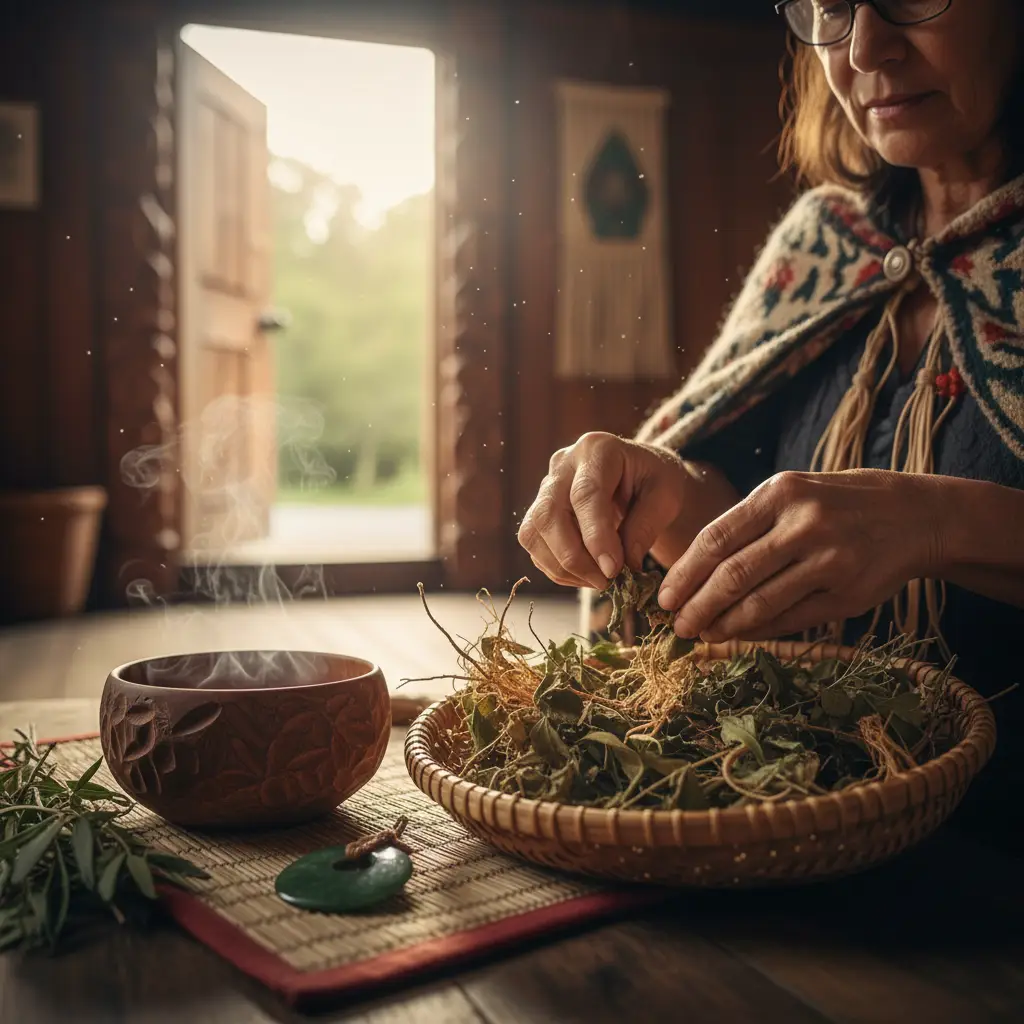
Seeking Guidance from a Tohunga Rongoā or Kairongoā: It cannot be overstated that the journey into Rongoā Māori for arthritis pain should always be undertaken with the guidance of a qualified and experienced Tohunga Rongoā or Kairongoā. These practitioners possess the deep ancestral knowledge, cultural understanding, and practical skills to diagnose, prescribe, and safely administer Rongoā treatments. They ensure the correct identification and preparation of plants, provide personalized treatment plans, and integrate the spiritual and physical dimensions of healing, offering a truly authentic and effective pathway to health.
Conclusion
Rongoā Māori offers a deeply respectful, effective, and holistic pathway for individuals seeking relief from arthritis pain and joint inflammation. Rooted in centuries of ancestral knowledge and a profound connection to the natural world of Aotearoa, it provides more than just symptomatic treatment; it seeks to restore balance and harmony across the physical, mental, spiritual, and social dimensions of an individual’s life. From the potent, albeit carefully managed, applications of plants like Tutu to the versatile healing properties of Tupakihi, Kawakawa, and Harakeke, Rongoā Māori presents a rich pharmacopoeia of nature’s remedies.
The journey towards healing with Rongoā is one of collaboration and trust, emphasizing the critical importance of seeking guidance from a qualified Tohunga Rongoā or Kairongoā. Their expertise ensures the safe and appropriate use of traditional medicines, tailored to each person’s unique needs and circumstances. By combining specific topical and internal plant-based treatments with essential lifestyle adjustments—including healthy eating, mindful movement, and spiritual well-being—Rongoā Māori empowers individuals to take an active role in their health. Embracing Rongoā for arthritis pain is an embrace of a comprehensive, culturally rich, and profoundly effective approach to long-term well-being, fostering a renewed connection to the healing power of the land and ancient wisdom.
People Also Ask
What is Rongoā Māori and how does it treat arthritis?
Rongoā Māori is the traditional Māori system of healing that utilizes native plants, spiritual practices (karakia), massage (mirimiri), and lifestyle advice to treat illness. For arthritis, it employs specific plants like Kawakawa, Harakeke, and Tupakihi for their anti-inflammatory and pain-relieving properties, combined with a holistic approach addressing physical, emotional, and spiritual well-being.
Is Tutu safe to use for arthritis pain?
Tutu is highly toxic and extremely dangerous for self-administration. Its use for arthritis pain is traditionally limited to highly experienced and authorized Tohunga Rongoā or Kairongoā, who possess specialized knowledge for its extremely careful preparation and strictly external application. It must NEVER be attempted without expert supervision due to its neurotoxins.
What are some safe Rongoā alternatives to Tutu for joint inflammation?
Safe and effective Rongoā alternatives include Kawakawa (for anti-inflammatory teas and balms), Harakeke (for poultices and gels for pain relief), Kūmarahou (as a cleansing tonic), and Mānuka/Kānuka oils (for topical massage). These plants offer significant therapeutic benefits for joint inflammation with a much lower risk profile.
How does Tupakihi help with bone and muscle pain?
Tupakihi is valued in Rongoā Māori for its powerful anti-inflammatory and analgesic properties. It is traditionally used in poultices and infused oils to reduce swelling, alleviate pain, support bone and soft tissue repair, and relax muscles. It helps in the healing of sprains, bruises, and chronic joint pain like arthritis.
Can Rongoā Māori be combined with conventional arthritis treatments?
Many individuals integrate Rongoā Māori practices with conventional medical treatments for arthritis. It is crucial to inform both your Rongoā practitioner and your medical doctor about all treatments you are undertaking to ensure safety, avoid contraindications, and achieve the best possible health outcomes through a collaborative approach.
How do I find a reputable Kairongoā (Māori healer) for arthritis treatment?
To find a reputable Kairongoā, you can seek recommendations from Māori health organizations, community centers (marae), or via the Rongoā Māori network in New Zealand. Ensure the practitioner is experienced, knowledgeable in traditional plant medicine, and adheres to ethical and safe practices, especially when dealing with potent remedies.