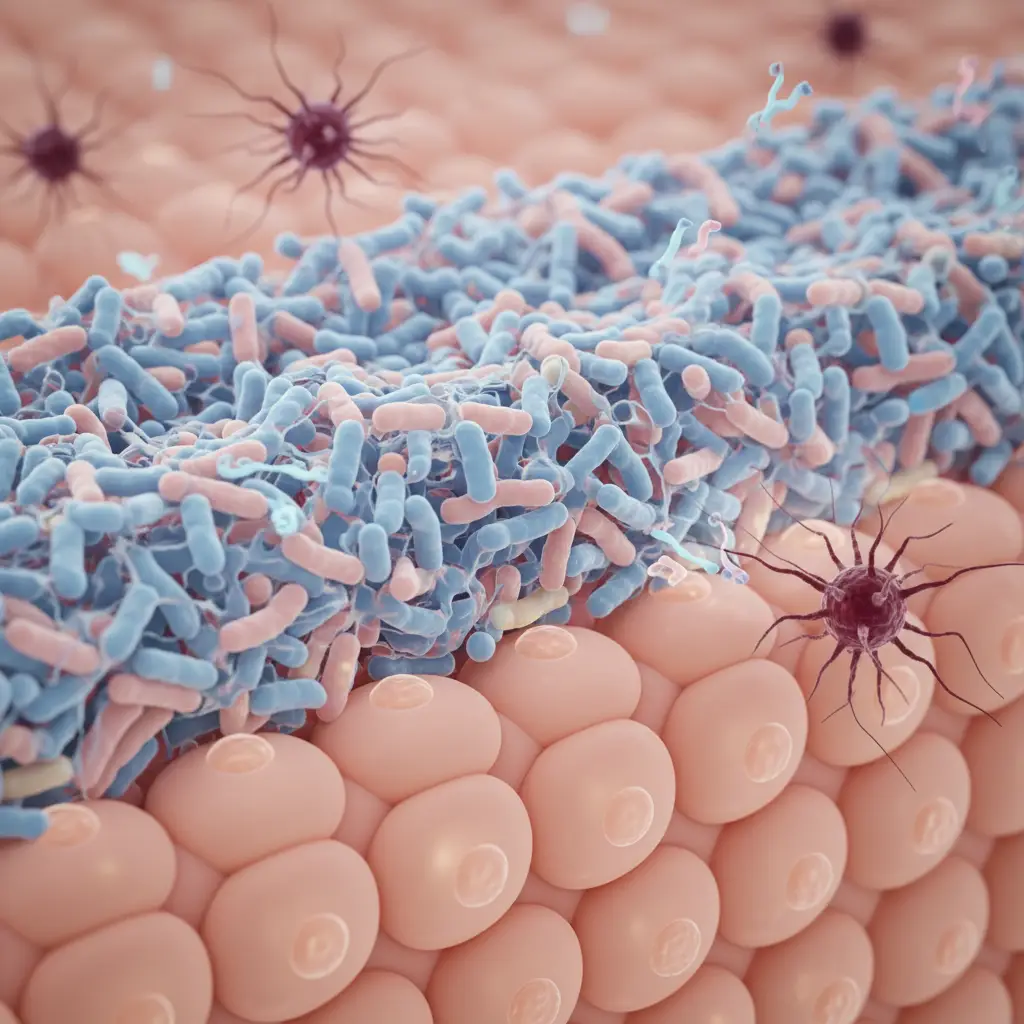
Navigating eczema and psoriasis in New Zealand can be challenging, but effective natural treatments rooted in Rongoā Māori and integrative health offer significant relief. By understanding the autoimmune origins of these skin conditions and leveraging the profound healing properties of native plants like Manuka, Kawakawa, and Harakeke, individuals can achieve comprehensive, holistic management, improving skin barrier function and overall well-being.
Identifying Skin Manifestations of Autoimmunity
Eczema (atopic dermatitis) and psoriasis are chronic inflammatory skin conditions that significantly impact quality of life for millions globally, including many in New Zealand. While presenting with distinct symptoms, both are now understood to have a strong autoimmune or autoinflammatory component, meaning the body’s immune system mistakenly attacks its own healthy tissues. This underlying immune dysfunction is a critical factor in developing an effective natural eczema treatment NZ strategy.
Understanding the Autoimmune Link in Skin Conditions
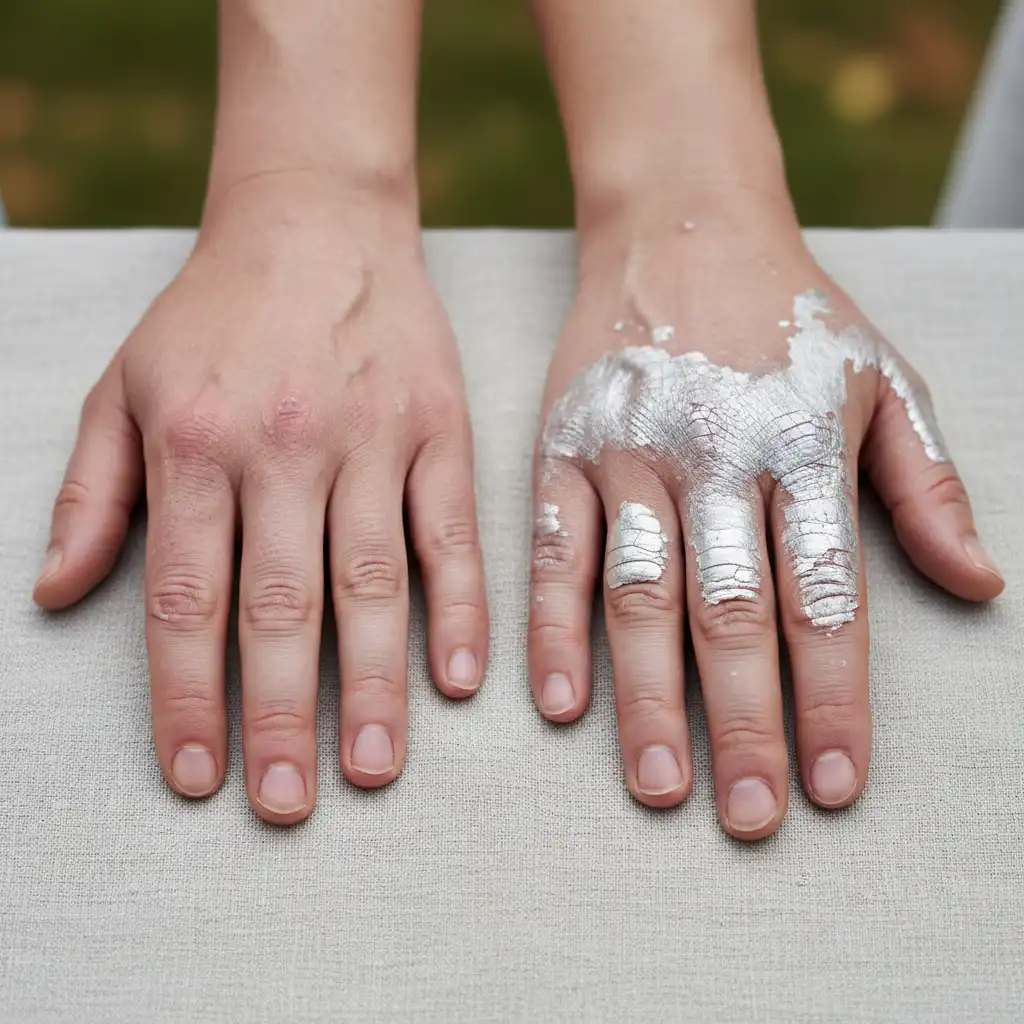
Eczema often manifests as intensely itchy, red, dry patches, sometimes leading to weeping or crusting. It’s characterized by a compromised skin barrier, making it more susceptible to irritants and allergens. Psoriasis, on the other hand, typically presents as thick, silvery scales on red patches, often found on elbows, knees, scalp, and lower back. It is driven by an overactive immune system that accelerates skin cell turnover. In both conditions, genetic predispositions interact with environmental triggers, leading to chronic inflammation.
From a Rongoā Māori perspective, skin health is intricately linked to internal balance – the concept of ‘hauora’ or holistic well-being. Skin manifestations are often seen as outward signs of an imbalance within the body’s systems, including the mauri (life force) and wairua (spirit). This aligns with modern integrative health approaches that emphasize the gut-skin axis, stress management, and systemic inflammation as key drivers of dermatological conditions.
Recognizing Triggers and Symptoms for Targeted Natural Eczema Treatment NZ
Identifying specific triggers is paramount for managing eczema and psoriasis. Common triggers include:
- Environmental allergens: Pollen, dust mites, pet dander.
- Irritants: Soaps, detergents, synthetic fabrics, harsh chemicals.
- Foods: Dairy, gluten, nuts, soy (individual sensitivities vary).
- Stress: Psychological stress can exacerbate flare-ups.
- Weather changes: Dry, cold weather often worsens symptoms.
- Infections: Bacterial, viral, or fungal infections can trigger or worsen symptoms.
Understanding these triggers allows for a more personalized and preventative approach to natural eczema treatment NZ, moving beyond mere symptom management to addressing root causes. A detailed diary of symptoms, diet, and potential exposures can be an invaluable tool in this process.
Comparing Manuka Oil and Kawakawa for Topical Relief
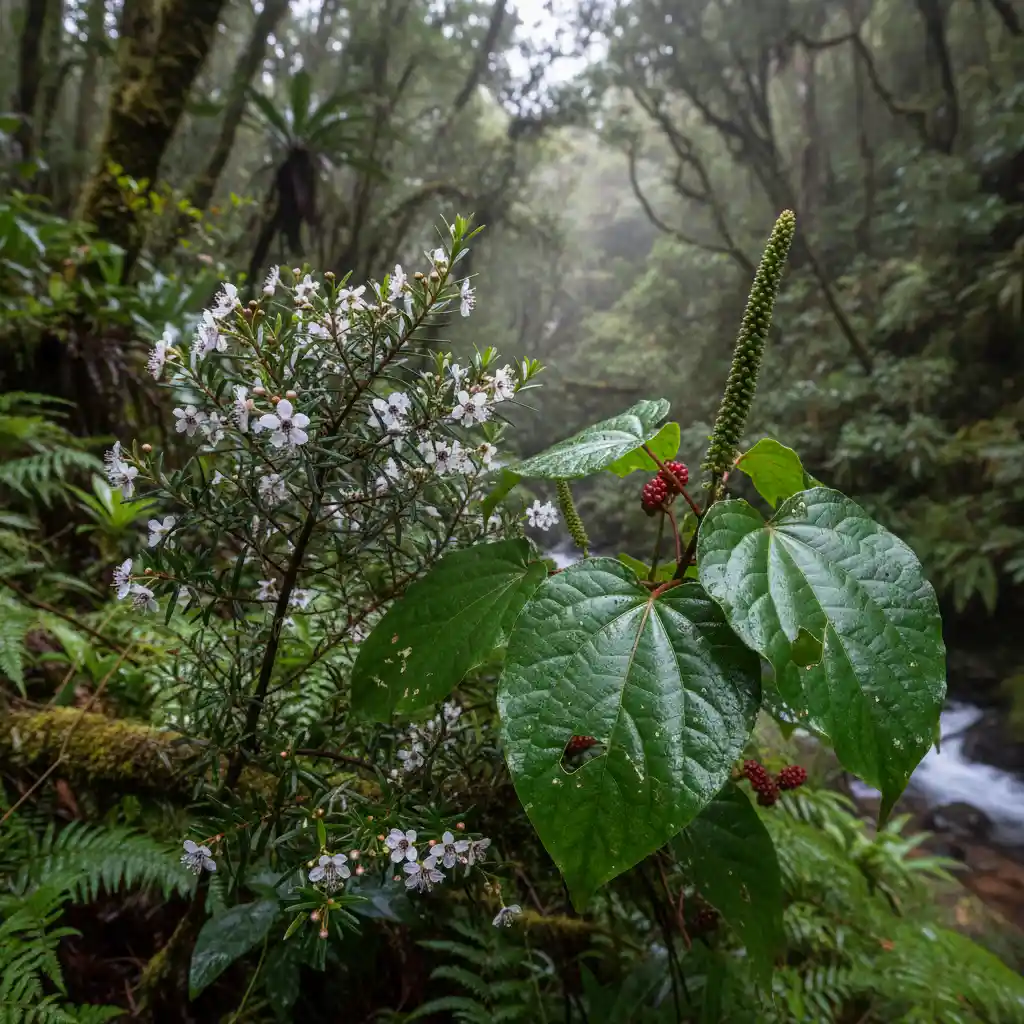
New Zealand’s native flora offers a rich pharmacopoeia for skin health, with Manuka (Leptospermum scoparium) and Kawakawa (Macropiper excelsum) standing out as potent topical remedies for natural eczema treatment NZ. Both plants have a long history of use in Rongoā Māori for their anti-inflammatory, antimicrobial, and healing properties.
Manuka Oil: A Potent Antimicrobial and Anti-inflammatory
Manuka oil, particularly from the East Cape region of New Zealand, is renowned for its exceptional antimicrobial properties, largely attributed to high concentrations of triketones like leptospermone, flavesone, and isoleptospermone. These compounds are highly effective against various bacteria, including Staphylococcus aureus, a common culprit in secondary infections of eczematous skin.
Beyond its antimicrobial action, Manuka oil also exhibits significant anti-inflammatory effects, which can help calm the redness and irritation associated with both eczema and psoriasis. It supports the skin’s natural healing processes and can aid in reducing the itch-scratch cycle. When considering Manuka for natural eczema treatment NZ, it’s typically used diluted in a carrier oil or integrated into balms and creams. Its distinct aromatic profile is also considered therapeutic.
Kawakawa: The Traditional Māori Healer for Inflamed Skin
Kawakawa is perhaps one of the most revered rongoā plants for skin conditions. Its heart-shaped leaves are rich in compounds such as myristicin, elemicin, and compounds like lignans, which contribute to its potent anti-inflammatory, analgesic, and antiseptic properties. Traditionally, Kawakawa leaves were crushed and applied directly to soothe various skin ailments, including bites, stings, cuts, and inflammatory conditions like eczema and psoriasis.
For natural eczema treatment NZ, Kawakawa works by reducing inflammation and pain, calming irritated skin, and promoting healing. Its mild anaesthetic properties can be particularly beneficial for relieving the intense itching characteristic of eczema. Kawakawa is commonly found in balms, salves, and infused oils, providing a gentle yet powerful topical application that respects the skin’s delicate balance. It is often preferred for its soothing, non-irritating nature, making it suitable for sensitive skin.
Synergy and Application in Natural Eczema Treatment NZ
While both Manuka oil and Kawakawa are powerful on their own, their combined use in an integrative approach can offer synergistic benefits. Manuka targets microbial overgrowth and deep-seated inflammation, while Kawakawa excels at soothing immediate irritation and pain, promoting regeneration. A well-formulated balm or cream containing both can provide comprehensive topical support. Always perform a patch test when introducing new topical treatments, especially for sensitive or compromised skin.
Harakeke Gel for Hydration and Barrier Repair
Beyond the potent anti-inflammatory and antimicrobial actions of Manuka and Kawakawa, addressing skin hydration and barrier function is paramount in managing eczema and psoriasis. Harakeke (Phormium tenax), or New Zealand flax, offers unique properties that excel in these areas, making it an indispensable component of natural eczema treatment NZ protocols.
The Hydrating Power of Harakeke Muka
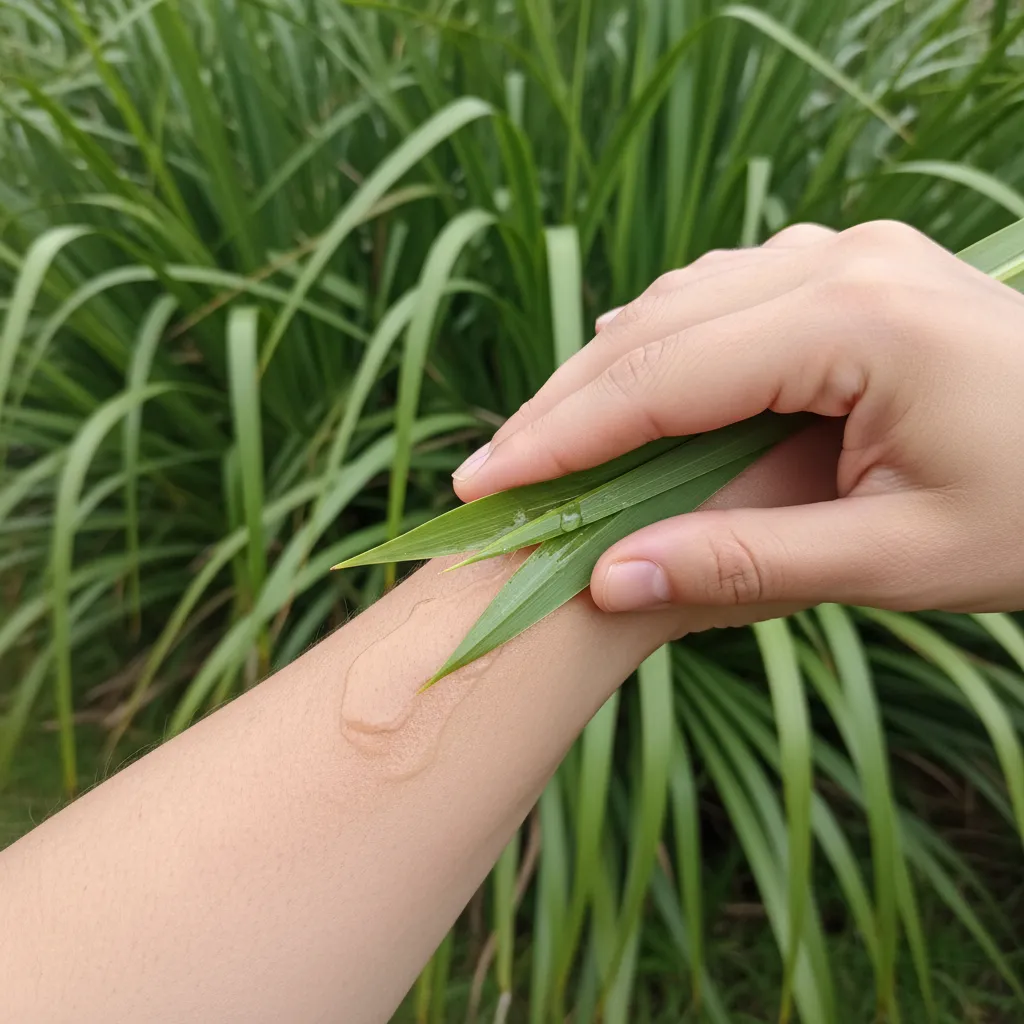
Harakeke is more than just a fibrous plant; its leaves contain a natural mucilaginous gel, known as ‘muka’, which is a polysaccharide-rich substance. This gel is incredibly hydrating, acting as a powerful humectant that draws moisture into the skin and locks it in. For conditions like eczema and psoriasis, where the skin barrier is often compromised and prone to dryness, this deep hydration is crucial.
The muka gel creates a protective, breathable layer on the skin, preventing transepidermal water loss and shielding the skin from environmental irritants. This not only alleviates the dryness and flakiness associated with chronic skin conditions but also supports the skin’s natural healing processes by maintaining an optimal moist environment. Traditionally, Harakeke leaves were pulped to extract this soothing gel, which was applied directly to burns, wounds, and irritated skin.
Harakeke’s Role in Skin Barrier Repair and Anti-Inflammation
The skin barrier, primarily composed of lipids and proteins, is the body’s first line of defence against pathogens and environmental stressors. In eczema, this barrier is often dysfunctional, leading to increased permeability and inflammation. Harakeke gel, with its complex array of natural sugars and potentially other bioactive compounds, helps to reinforce this barrier. By providing intense hydration and a protective layer, it reduces inflammation and supports the regeneration of healthy skin cells.
Furthermore, early research and traditional knowledge suggest that Harakeke also possesses mild anti-inflammatory properties, which can complement the actions of Kawakawa and Manuka. Its gentle nature makes it suitable for even the most sensitive and compromised skin, offering relief without irritation. For those seeking comprehensive natural eczema treatment NZ, incorporating Harakeke-based products or freshly prepared gel can significantly improve skin comfort and resilience.
Practical Application for Natural Eczema Treatment NZ
Harakeke gel can be found in various natural skincare products, including lotions, balms, and gels specifically formulated for sensitive or compromised skin. When choosing products, look for those that highlight the inclusion of Harakeke extract or muka. For a more traditional approach, some practitioners of Rongoā Māori may guide individuals on how to safely extract and use the fresh gel, ensuring its purity and potency. Regular application helps maintain skin hydration, reduce flare-ups, and strengthen the skin’s natural defences.
Internal Cleansing Tonics for Skin Health
While topical remedies provide immediate relief and support, true long-term management of eczema and psoriasis, particularly within the Rongoā Māori and integrative health paradigm, necessitates addressing internal imbalances. The concept of ‘whakaora’ – to make well, heal, and restore life – emphasizes a holistic approach where skin health is a reflection of overall internal vitality. This includes focusing on gut health, liver function, and systemic inflammation through internal cleansing tonics and dietary adjustments for comprehensive natural eczema treatment NZ.
The Gut-Skin Axis: A Fundamental Connection
Modern science increasingly validates what traditional medicine systems have long understood: the gut and the skin are intimately connected. An imbalanced gut microbiome (dysbiosis), increased gut permeability (leaky gut), or chronic inflammation in the digestive tract can manifest as skin conditions like eczema and psoriasis. Toxins and inflammatory mediators produced in the gut can enter the bloodstream and trigger immune responses in the skin.
Therefore, any effective natural eczema treatment NZ must consider gut health. This involves supporting a healthy microbiome through diet rich in fibre and fermented foods, reducing inflammatory foods, and sometimes incorporating targeted herbal tonics to cleanse and restore gut integrity.
Traditional Māori Internal Tonics for Systemic Support
Rongoā Māori offers several powerful internal tonics traditionally used to support detoxification and internal balance, which indirectly benefit skin health:
- Pūhā (Sonchus oleraceus): Often consumed as a leafy green vegetable or brewed as a tea, Pūhā is considered a blood purifier and liver tonic. Its bitter properties stimulate digestion and detoxification pathways, helping the body eliminate waste products that could otherwise contribute to skin inflammation.
- Kūmarahou (Pomaderris kumeraho): Another significant Rongoā plant, Kūmarahou is highly valued for its cleansing properties, particularly for the lungs and liver. As a tea, it’s used to clear internal blockages and support respiratory and digestive health, thereby alleviating the systemic burden on the skin.
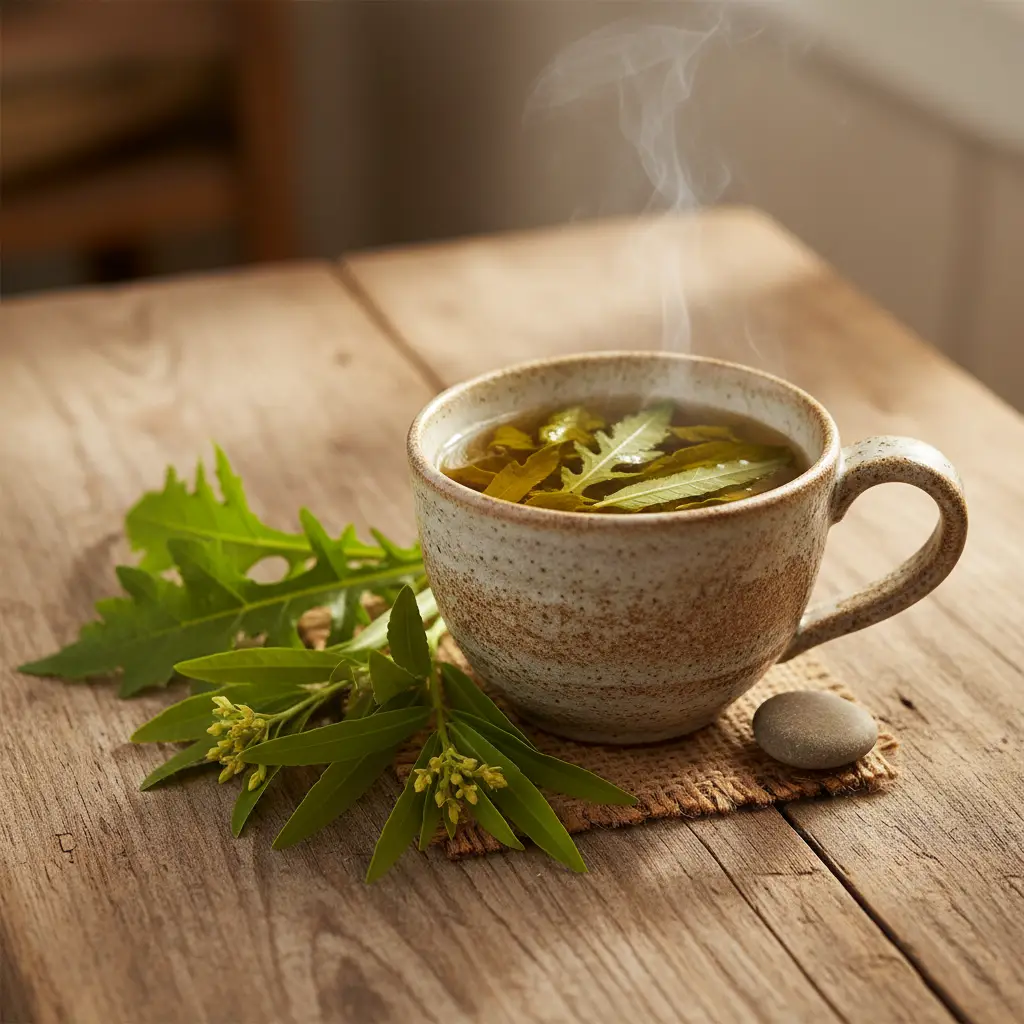
- Kawakawa (Macropiper excelsum) Internal Use: While primarily known for topical application, Kawakawa leaves can also be brewed into a tea. Internally, it acts as a mild digestive aid and blood cleanser, helping to reduce inflammation systemically. Its warming properties can also stimulate circulation, further aiding detoxification.
These tonics are typically prepared as infusions or decoctions, consumed regularly over a period to gently support the body’s natural cleansing mechanisms. It’s crucial to consult with a qualified Rongoā practitioner or healthcare professional before embarking on internal herbal protocols.
Dietary and Lifestyle Considerations for Long-Term Skin Health
Alongside herbal tonics, dietary modifications play a crucial role in managing eczema and psoriasis. An anti-inflammatory diet, rich in whole foods, fruits, vegetables, lean proteins, and healthy fats (like those found in kaimoana – seafood), can significantly reduce systemic inflammation. Avoiding processed foods, excessive sugar, and potential food allergens or sensitivities is often recommended.
Lifestyle factors such as stress management, adequate sleep, and regular, gentle exercise also profoundly impact skin health. Chronic stress triggers inflammatory pathways and can exacerbate flare-ups. Incorporating mindfulness, meditation, or spending time in nature (forest bathing, ‘taiao’) can be powerful adjuncts to any natural eczema treatment NZ regimen, fostering holistic well-being.
Conclusion: A Holistic Path to Skin Wellness in NZ
Managing eczema and psoriasis requires a comprehensive, patient-centred approach that acknowledges the intricate connection between internal health and external skin manifestations. By integrating the wisdom of Rongoā Māori with principles of integrative health, individuals in New Zealand have access to powerful natural eczema treatment NZ strategies that go beyond symptomatic relief, fostering true healing and long-term wellness.
From identifying the autoimmune underpinnings and recognizing individual triggers, to leveraging the potent topical properties of Manuka oil, Kawakawa, and Harakeke gel, and supporting internal balance with traditional cleansing tonics like Pūhā and Kūmarahou, a holistic pathway emerges. This approach emphasizes nourishment, detoxification, and the restoration of the skin’s natural barrier and the body’s overall vitality. Embracing these natural remedies and lifestyle adjustments not only alleviates the discomfort of chronic skin conditions but also empowers individuals to take an active role in their journey towards radiant, healthy skin, rooted deeply in the unique healing traditions of Aotearoa.