
Rongoā Māori offers a profound, holistic framework for women’s health, addressing wellbeing through interconnected physical, mental, spiritual, and family dimensions. This traditional Māori healing system utilizes native plants, karakia (prayers), and tikanga (customs) to support wahine (women) through various life stages, fostering balance and vitality while honoring ancestral knowledge and the unique rhythms of the female body.
Holistic Approaches to Wahine Health
Rongoā Māori for women’s health transcends a purely physical lens, embracing a comprehensive, interconnected view of wellbeing that is deeply rooted in Māori cosmology and cultural values. For wahine, health is understood as a dynamic balance across four key dimensions, often conceptualized through Te Whare Tapa Whā – a model representing the four walls of a house: Taha Tinana (physical health), Taha Hinengaro (mental and emotional health), Taha Wairua (spiritual health), and Taha Whānau (family and social health). When one wall is weakened, the whole structure of wellbeing is compromised.
This holistic philosophy means that a woman’s reproductive health, for instance, is not isolated to biological processes but is intrinsically linked to her emotional state, her connection to her whakapapa (genealogy) and whenua (land), and the support she receives from her community. Menstrual cycles, fertility journeys, pregnancy, childbirth, and menopause are not merely physiological events but significant life passages imbued with spiritual meaning and cultural importance.
The Role of Tikanga and Mauri in Wahine Wellbeing
Central to Rongoā practice is tikanga, the customary practices and protocols that guide interaction with the natural world, plants, and people. For wahine, tikanga provides a framework for understanding and honoring the sacredness of the female body and its life-giving capacities. Practices like respecting the separation of tapu (sacred) and noa (common) elements, particularly around menstruation and childbirth, underscore the profound respect for women’s natural cycles.
The concept of mauri, or life force, is also paramount. Rongoā aims to restore and strengthen a woman’s mauri, which can become depleted through stress, illness, or disconnect from cultural practices. This restoration can involve the application of rongoā remedies, but also karakia (prayers or incantations), mirimiri (massage), and engagement with the natural environment. For wahine, maintaining a strong mauri is essential for resilience, emotional stability, and optimal reproductive function.
From a Rongoā perspective, conditions such as irregular periods, fertility challenges, or menopausal symptoms are often viewed as indicators of imbalance across these interconnected dimensions. Treatment, therefore, focuses not just on alleviating symptoms but on addressing the root causes by restoring harmony between the woman, her environment, and her spiritual self. This deep understanding offers a powerful and empowering framework for wahine to navigate their health journeys with agency and cultural resonance.

Key Native Plants for Hormonal Balance
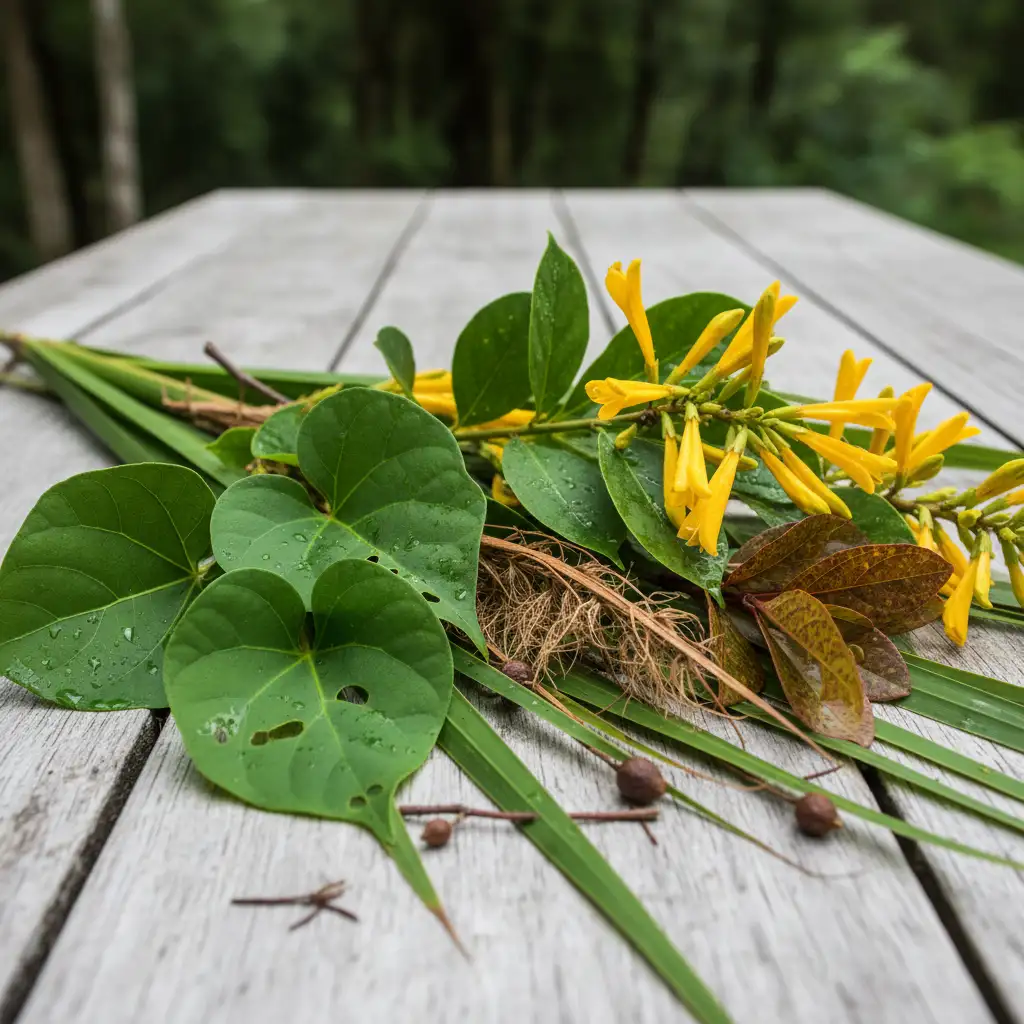
Rongoā Māori for women’s health frequently employs a rich pharmacopoeia of native plants, each possessing unique properties traditionally used to support hormonal balance and address specific wahine health concerns. These plants are revered not only for their medicinal compounds but also for their spiritual essence and their deep connection to the land (whenua).
Kawakawa (Macropiper excelsum)
One of the most well-known and versatile Rongoā plants, Kawakawa is often referred to as the ‘Rongoā powerhouse.’ For women’s health, Kawakawa is valued for its anti-inflammatory, analgesic, and circulatory stimulant properties. Traditionally, it has been used to alleviate menstrual pain and discomfort. An infusion (tea) of Kawakawa leaves can help ease cramping and promote healthy blood flow, supporting a more regular and comfortable menstrual cycle. Its warming properties can also be beneficial during the pre-menstrual phase for emotional balance and reducing fluid retention. Furthermore, poultices or balms made from Kawakawa are used externally for various aches and pains, including those associated with menstruation or post-partum recovery.
Harakeke (Phormium tenax – New Zealand Flax)
Harakeke is another cornerstone of Rongoā, revered for its strength and versatility. While its fibres are used for weaving, the gel-like substance extracted from the base of the leaves, as well as poultices made from the leaves themselves, are highly valued medicinally. For women, Harakeke gel is traditionally applied topically to soothe skin irritations, promote healing of wounds, and reduce inflammation, which can be particularly useful for nipple care during breastfeeding or for perineal healing post-childbirth. Internally, certain preparations of Harakeke were historically used for their gentle laxative properties, supporting digestive health which is often linked to overall hormonal balance.
Kūmarahou (Pomaderris kumeraho)
Kūmarahou is a powerful cleansing herb in Rongoā Māori. Its bitter compounds make it an excellent liver tonic and detoxifier, which is crucial for hormonal health. The liver plays a vital role in metabolizing and eliminating excess hormones, particularly oestrogen. By supporting liver function, Kūmarahou can help regulate hormonal levels, potentially easing symptoms associated with oestrogen dominance such as heavy periods, fibroids, or endometriosis. A decoction (boiled preparation) of Kūmarahou leaves is commonly consumed as a tonic to promote internal cleansing and rebalance the body’s systems, contributing to clearer skin and improved energy levels for wahine.
Horopito (Pseudowintera colorata – New Zealand Pepper Tree)
Horopito is renowned for its strong antimicrobial and antifungal properties. While perhaps less directly associated with hormonal balance, its ability to combat internal infections, particularly fungal overgrowth (like Candida), can indirectly support women’s health. Imbalances in gut and vaginal flora can impact overall health and well-being, sometimes exacerbating hormonal symptoms. Traditional uses include internal remedies for various internal ‘bugs’ and external applications for skin conditions. Its circulatory stimulating properties may also contribute to overall vitality.
It is important to remember that these plants are potent medicines, and their use should always be guided by a qualified tohunga rongoā or healthcare professional familiar with traditional Māori healing practices. Understanding correct preparation, dosage, and individual needs is paramount to harnessing their profound benefits safely and effectively.
Integrating Tikanga with Modern Gynecology
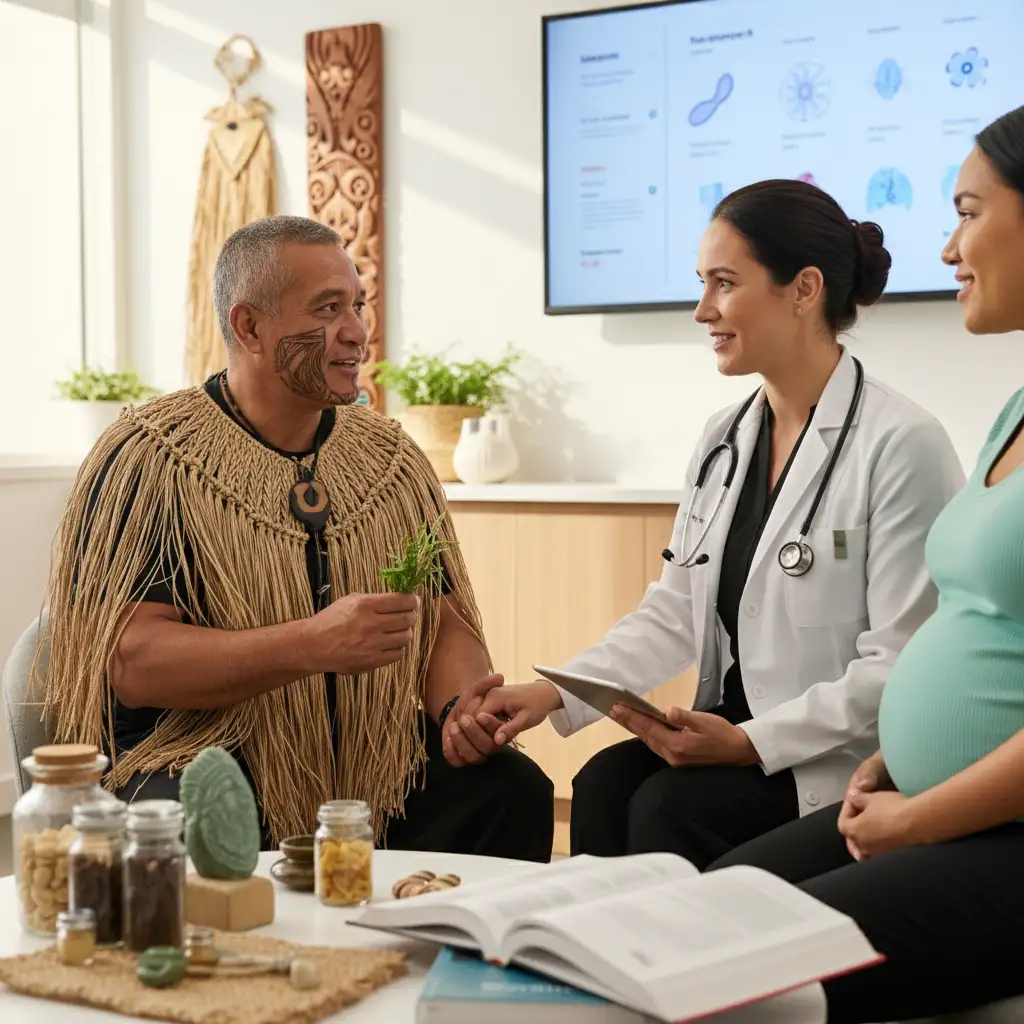
The journey towards optimal women’s health in contemporary Aotearoa often involves navigating both traditional Māori Rongoā and Western medical systems. Integrating tikanga (Māori customs and protocols) with modern gynecology and obstetrics offers a powerful, culturally responsive approach that honours Māori worldviews while leveraging advancements in scientific medicine. This integrative model acknowledges that physical health is inseparable from cultural identity, spiritual wellbeing, and whānau (family) connection.
Bridging Two Worlds: Benefits and Challenges
The benefits of integrating Rongoā Māori for women’s health with modern medical practices are significant. It can lead to increased patient trust and engagement, particularly for Māori wahine who may feel more comfortable and understood within a culturally safe framework. For example, incorporating karakia (prayers) or pūrākau (traditional narratives) into birth plans can provide profound spiritual support. Similarly, using rongoā balms for perineal massage or for soothing post-partum discomfort, alongside conventional medical advice, can offer comfort and a sense of cultural continuity.
However, challenges exist. These often stem from differing epistemologies (ways of knowing) and the need for greater understanding and respect between practitioners of both systems. Modern medical professionals may lack knowledge of Rongoā principles, while tohunga rongoā may not be fully informed about conventional diagnostic methods or pharmaceutical interactions. Effective integration requires open communication, mutual respect, and a willingness to learn from each other.
Practical Applications of Integrative Care
Successful integration often involves a collaborative care model. For a woman experiencing chronic menstrual pain, a Western gynecologist might diagnose endometriosis and prescribe medication. Simultaneously, a tohunga rongoā could offer Kawakawa infusions for pain management, mirimiri (massage) for energetic balance, and karakia for spiritual support, addressing the holistic impact of the condition. In fertility journeys, alongside IVF treatments, Rongoā practices focusing on stress reduction, mauri strengthening, and specific plant tonics could be offered as complementary support.
Another crucial area is pre- and post-natal care. Midwives trained in cultural safety are increasingly incorporating tikanga, such as the safe handling and burial of the placenta (whenua), and supporting mothers in using rongoā for healing and wellbeing. This acknowledges the spiritual significance of these life events and provides holistic care that extends beyond the purely clinical. Educating both patients and practitioners on the safe and appropriate combination of therapies is key.
Ultimately, integrating tikanga with modern gynecology is about empowering wahine to make informed choices that resonate with their cultural heritage and personal beliefs, leading to more comprehensive, effective, and respectful healthcare outcomes. It’s about creating a healthcare landscape where the richness of both traditions can flourish for the benefit of all.
Safety Guidelines for Pregnancy and Breastfeeding
When considering Rongoā Māori for women’s health during pregnancy and breastfeeding, safety becomes paramount. These are periods of profound physiological change and vulnerability, where the wellbeing of both mother and child must be the absolute priority. While many Rongoā plants are gentle and beneficial, some may pose risks or interact with the body in ways that are not suitable during these sensitive stages. Therefore, utmost caution, informed guidance, and open communication with healthcare providers are essential.
Consulting Experts: The Cornerstone of Safety
The most critical safety guideline is to always consult a qualified tohunga rongoā and your primary healthcare provider (doctor or midwife) before using any Rongoā remedies during pregnancy or while breastfeeding. A tohunga rongoā possesses deep, ancestral knowledge of the plants, their properties, and appropriate dosages, especially concerning women’s health. They can assess your individual circumstances, the stage of pregnancy or breastfeeding, and any existing health conditions to recommend suitable rongoā or advise against certain preparations.
Simultaneously, informing your Western medical team ensures that any potential interactions with prescribed medications or existing health concerns are identified. This collaborative approach allows for a holistic and safe care plan, bridging traditional wisdom with contemporary medical understanding.
General Principles and Cautions for Rongoā Use
- Avoid Uterine Stimulants: Certain herbs can stimulate uterine contractions and should be strictly avoided during pregnancy, particularly in the first trimester or if there’s a risk of premature labour. Always verify the properties of any plant with an expert.
- Gentle and Mild Preparations: Generally, when Rongoā is used during pregnancy or breastfeeding, practitioners opt for very gentle preparations and lower dosages. Topically applied balms or oils, such as those made with Kawakawa for muscle aches or perineal healing, might be considered safer than internal tinctures or strong decoctions.
- Digestive Health and Mild Tonics: Some mild Rongoā plants might be used to support digestive health or as general tonics, but again, only under expert supervision. The body’s sensitivity changes dramatically during pregnancy, and even mild herbs can have unexpected effects.
- Passage into Breast Milk: Be mindful that many substances ingested by the mother can pass into breast milk. While some rongoā might be safe, others could affect the infant. A tohunga rongoā will be able to advise on plants safe for both mother and baby.
- Quality and Sourcing: Ensure that any Rongoā remedies are sourced ethically and prepared correctly. Adulterated or improperly prepared remedies can be ineffective or even harmful.
- Listen to Your Body: Pay close attention to how your body responds to any rongoā. If you experience any adverse effects, discontinue use immediately and consult your tohunga rongoā and healthcare provider.
Embracing Rongoā Māori for women’s health during pregnancy and breastfeeding offers incredible potential for spiritual connection, emotional support, and gentle physical aid. However, this must always be done with profound respect for the potency of the plants, the sacredness of life, and the guidance of experienced practitioners from both traditional and modern healthcare systems.
Conclusion: Embracing Rongoā for Wahine Wellbeing
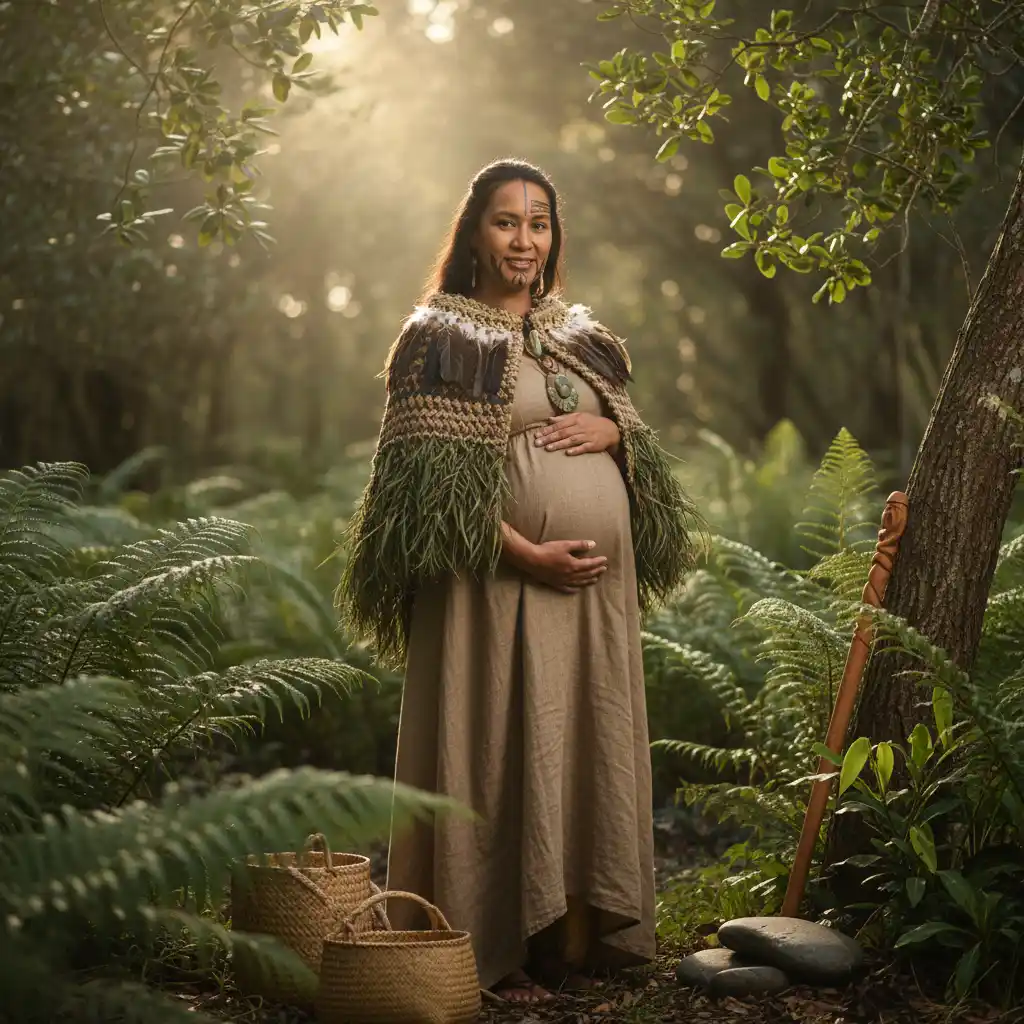
Rongoā Māori offers a profoundly enriching and culturally resonant path for women’s health, providing holistic solutions that address not just the physical body but also the mind, spirit, and connection to whānau and whenua. Through its deep reverence for nature, its emphasis on tikanga, and its potent native plant medicines, Rongoā empowers wahine to navigate the complexities of their health journeys with strength, wisdom, and ancestral guidance. From supporting hormonal balance through the life stages to offering culturally safe approaches for pregnancy and post-partum care, Rongoā provides a framework for true wellbeing.
The integration of Rongoā Māori for women’s health with modern medical practices represents a powerful step forward, fostering a healthcare landscape that is more responsive, respectful, and effective for Māori wahine. By valuing both traditional knowledge and scientific advancements, we can create comprehensive care models that honour individual beliefs and cultural heritage. As with all powerful medicines, the guidance of qualified tohunga rongoā and open communication with healthcare providers are crucial, ensuring that this sacred knowledge is applied safely and beneficially. Embracing Rongoā is an invitation to reconnect with ancient wisdom, nurturing a profound and sustainable sense of health and vitality for all wahine.
People Also Ask
What is Rongoā Māori and how does it relate to women’s health?
Rongoā Māori is the traditional Māori system of healing, encompassing physical, mental, spiritual, and family wellbeing. For women’s health, it offers holistic support for menstrual cycles, fertility, pregnancy, and menopause, utilizing native plants, karakia (prayers), and tikanga (customs) to restore balance and vitality.
Which Rongoā plants are commonly used for hormonal balance?
Key Rongoā plants used for hormonal balance include Kawakawa (for menstrual pain and circulation), Harakeke (for skin healing and gentle cleansing), and Kūmarahou (a liver tonic important for hormone metabolism). Horopito may also support general vitality indirectly affecting hormonal health.
Can Rongoā Māori be safely used during pregnancy?
While some Rongoā remedies can be beneficial during pregnancy and breastfeeding, extreme caution is necessary. It is crucial to always consult a qualified tohunga rongoā and your primary healthcare provider (doctor/midwife) to ensure the safety and appropriateness of any remedies, avoiding uterine stimulants.
How can Western medicine and Rongoā Māori work together for women’s wellbeing?
Western medicine and Rongoā Māori can integrate through collaborative care models, where tohunga rongoā and medical professionals communicate openly. This approach combines scientific diagnostics and treatments with traditional plant medicine, spiritual support, and cultural practices to offer comprehensive, culturally safe care.
What are the key principles of Rongoā Māori for wahine?
Key principles include a holistic view of health (Te Whare Tapa Whā), respecting tikanga (customs), strengthening mauri (life force), and recognizing the interconnectedness of women with their whakapapa (genealogy) and whenua (land). It emphasizes restoring balance across all dimensions of wellbeing.
Where can I find a reputable tohunga rongoā for women’s health concerns?
Finding a reputable tohunga rongoā often involves seeking recommendations from trusted Māori communities, cultural organizations, or established Rongoā practitioners. Some healthcare providers may also be able to offer referrals to practitioners who work collaboratively with Western medicine. Always ensure they are experienced and knowledgeable in women-specific Rongoā practices.