Tulsi holy basil benefits encompass a wide range of therapeutic effects, primarily centered on its ability to function as a potent adaptogen that reduces physical and psychological stress. Scientifically known as Ocimum sanctum, this medicinal herb helps lower cortisol levels, regulates blood sugar, boosts immunity through antimicrobial properties, and promotes longevity in integrative health practices, as detailed on our Home page.
Understanding the Queen of Herbs: Ocimum sanctum vs. Common Basil
In the vast pharmacopeia of Ayurveda, few plants hold as much reverence as Tulsi (Ocimum sanctum or Ocimum tenuiflorum). Often referred to as “The Queen of Herbs” or “The Incomparable One,” Tulsi has been used for thousands of years to promote longevity and spiritual equilibrium, illustrating the Synergies Between Rongoā Māori and Other Indigenous Healing Practices. However, for the modern integrative health enthusiast, distinguishing this medicinal powerhouse from its culinary cousin is the first step toward understanding its value.
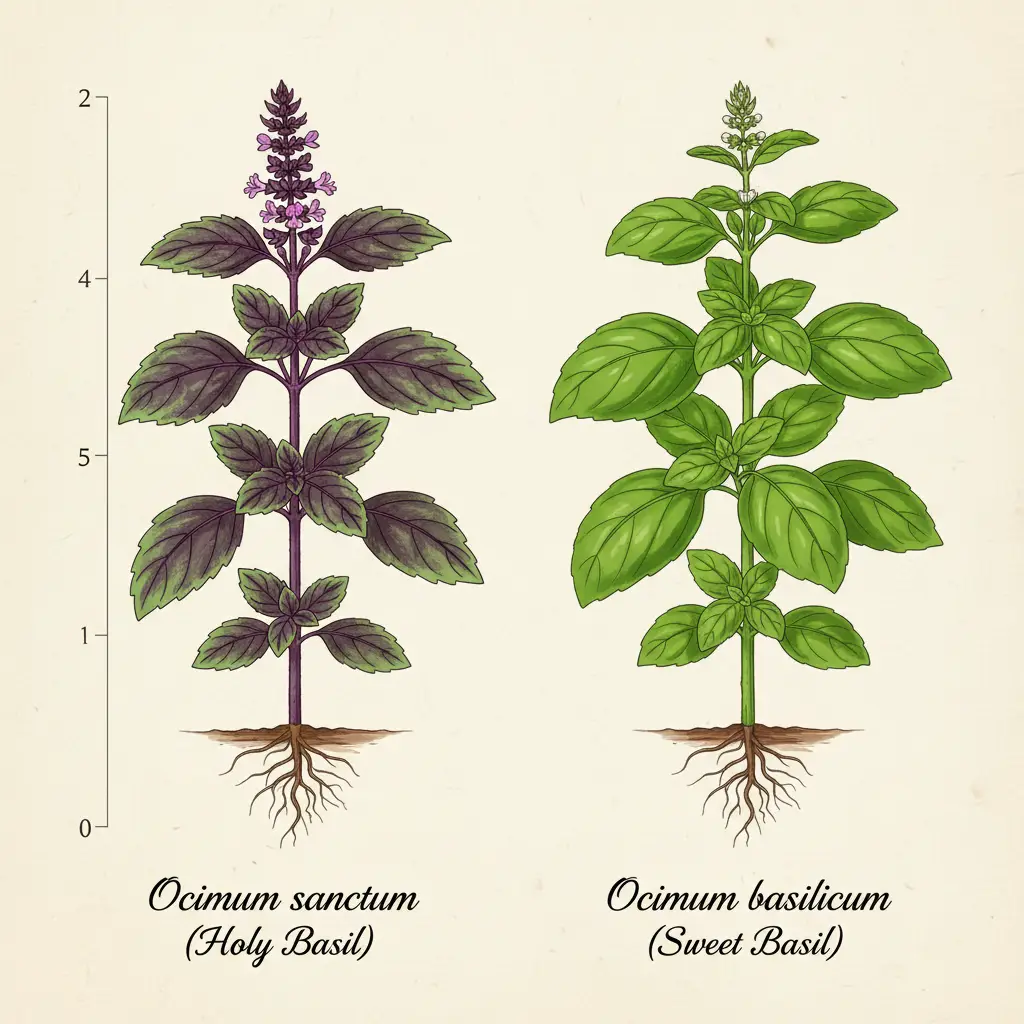
While both belong to the Lamiaceae (mint) family, Tulsi is distinct from sweet basil (Ocimum basilicum)—the herb commonly found in pesto and Italian sauces. While sweet basil is prized for its flavor profile, Tulsi is cultivated primarily for its pharmacological properties. Morphologically, Tulsi leaves are slightly hairy and have a strong, distinct aroma often described as a mix of peppermint, cloves, and licorice, owing to its high eugenol content.
The Three Varieties of Tulsi
To fully grasp the tulsi holy basil benefits, one must recognize the three main varietals used in herbal medicine, each with a unique chemical fingerprint, similar to the holistic perspective of Connecting with Mātauranga Māori (Māori Knowledge) for Health:
- Rama Tulsi (Ocimum sanctum): Known for its broad, bright green leaves and mellow flavor. It is the most common variety cultivated in India.
- Krishna Tulsi (Ocimum sanctum): Characterized by purplish-black leaves and a peppery, crisp taste. This variety is often cited as having the highest concentrations of medicinal compounds like triterpenes.
- Vana Tulsi (Ocimum gratissimum): Also known as wild forest holy basil, this variety is indigenous to the Himalayas and parts of Africa, known for its high eugenol content and robust immune-supporting capabilities.
The Stress Solution: Lowering Cortisol and Adrenal Support
In the modern world, chronic stress is a pervasive driver of disease. This is where Tulsi shines brightest as an adaptogen. Adaptogens are a unique class of healing plants that help the body balance, restore, and protect itself. They do not target a specific organ; rather, they help the body respond to stressors—whether physical, chemical, or biological—by normalizing physiological functions.
Regulating the HPA Axis
The primary mechanism behind Tulsi’s stress-busting capability is its influence on the Hypothalamic-Pituitary-Adrenal (HPA) axis. When we are stressed, the body releases cortisol. Chronic elevation of cortisol can lead to weight gain, sleep disturbances, and immune suppression. Clinical studies suggest that Holy Basil helps regulate cortisol levels, preventing the “crash” associated with adrenal fatigue.
Research published by the National Institutes of Health (NIH) indicates that Tulsi extracts significantly reduce stress scores in humans, alleviating symptoms of forgetfulness, sexual problems of recent origin, and feelings of exhaustion. By modulating the stress response, Tulsi acts as a natural antidepressant and anxiolytic without the sedative side effects often found in pharmaceutical alternatives.
Metabolic Mastery: Blood Sugar Regulation and Diabetes Support
Metabolic syndrome and Type 2 diabetes are reaching epidemic proportions globally. Integrative medicine practitioners frequently prescribe Holy Basil as an adjunct therapy for blood sugar management. The herb contains phytochemicals that support pancreatic beta-cell function and insulin secretion.
Mechanism of Action on Glucose
Tulsi leaves possess hypoglycemic properties. They help lower fasting blood glucose and postprandial (after-meal) blood glucose levels. This is achieved through several pathways:
- Stimulating Insulin Secretion: Compounds in the leaves may stimulate the pancreas to release insulin more effectively.
- Improving Insulin Sensitivity: It helps cells utilize glucose more efficiently, reducing insulin resistance.
- Reducing Lipid Peroxidation: High blood sugar often leads to oxidative stress; Tulsi’s antioxidant profile mitigates this damage.
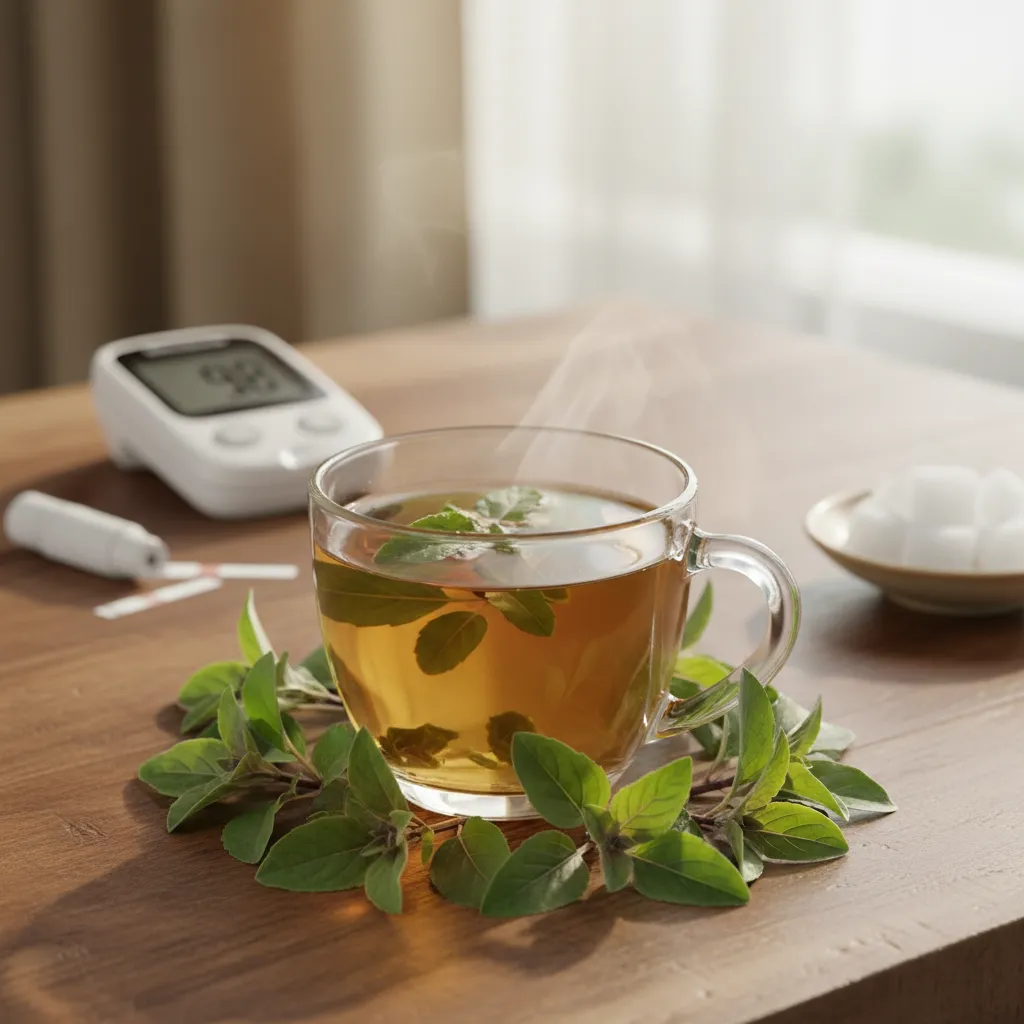
For individuals dealing with pre-diabetes or metabolic syndrome, incorporating Tulsi tea into a daily routine can be a gentle yet effective strategy to maintain glycemic balance. However, those already on insulin medication should monitor their levels closely, as the combination could cause blood sugar to drop too low (hypoglycemia).
The Immune Shield: Antimicrobial and Anti-Inflammatory Properties
The name “Holy Basil” is apt considering its ability to purify the body of pathogens. The essential oils found in Tulsi, particularly eugenol, carvacrol, and linalool, exhibit strong antimicrobial, antiviral, and antifungal activities. This makes it a formidable ally during cold and flu season.
Fighting Infection Naturally
Unlike synthetic antibiotics, which can disrupt the gut microbiome, Tulsi targets pathogens while supporting the host’s immune system. It has been shown to be effective against a range of bacteria, including E. coli, S. aureus, and P. aeruginosa. Furthermore, its immunomodulatory effects mean it boosts the activity of Natural Killer (NK) cells and T-helper cells, which are the body’s first line of defense against viral invaders.
Combating Systemic Inflammation
Inflammation is the root cause of many chronic diseases, from arthritis to cardiovascular issues. Tulsi functions similarly to COX-2 inhibitors (a type of non-steroidal anti-inflammatory drug) but without the gastric side effects. By inhibiting inflammatory enzymes, Holy Basil helps reduce pain and swelling, making it beneficial for conditions like arthritis and fibromyalgia.
Beyond the Basics: Dental, Heart, and Skin Health
While stress and immunity are the headline benefits, the versatility of this herb extends to other physiological systems.
Dental and Oral Health
Tulsi is a common ingredient in Ayurvedic herbal toothpastes. Its antibacterial properties make it effective against the bacteria that cause dental cavities, plaque, and bad breath (halitosis). Additionally, its anti-inflammatory nature can help soothe inflamed gums and treat mouth ulcers.
Cardiovascular Protection
Heart health is closely tied to stress and metabolic health. By lowering cortisol and cholesterol, Tulsi indirectly protects the heart. Studies suggest it can help reduce total cholesterol and triglyceride levels while protecting the heart muscle from oxidative stress induced by chronic anxiety.
Skin Radiance and Detoxification
Topical application or internal consumption of Tulsi can purify the blood, leading to clearer skin. It is often used to treat acne due to its antimicrobial action. Furthermore, the antioxidants present in the herb combat free radicals, potentially slowing down the aging process of the skin.
How to Integrate Tulsi: Tea, Tinctures, and Supplements
To experience the full spectrum of tulsi holy basil benefits, consistency is key. There are several ways to consume this herb, each with its own advantages.
The Daily Ritual: Tulsi Tea
Drinking Tulsi tea is the most traditional and perhaps the most therapeutic method, as the act of preparing and sipping tea itself is stress-relieving.
Preparation: Steep 1 teaspoon of dried leaves (or 5-6 fresh leaves) in hot water for 5-10 minutes. Cover the cup while steeping to prevent the volatile essential oils from evaporating. It can be consumed 2-3 times daily.
Supplements and Extracts
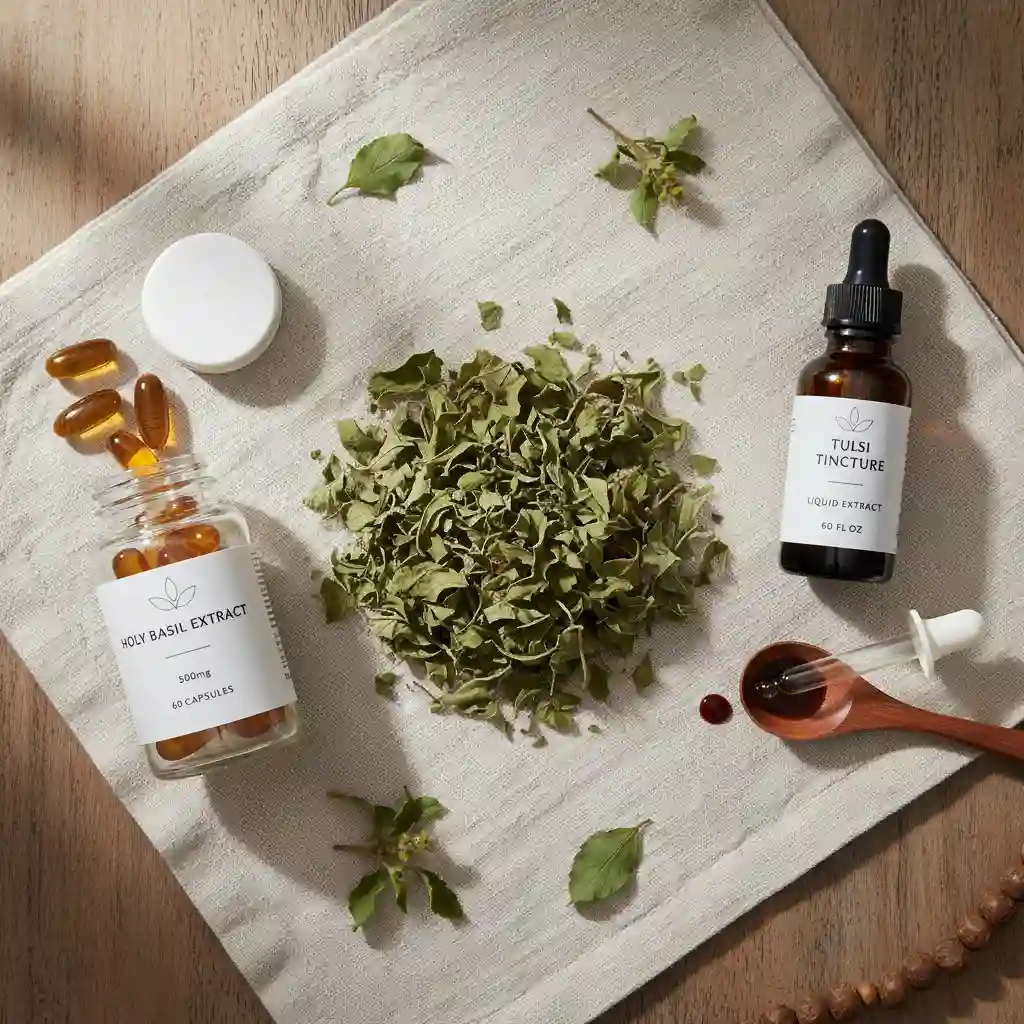
For those seeking targeted therapeutic doses—specifically for lowering high cortisol or managing blood sugar—standardized extracts in capsule form may be more effective. Look for supplements standardized to contain a specific percentage of ursolic acid or eugenol. Typical dosages range from 300mg to 600mg per day, but it is always best to consult the product label or a healthcare provider.
Fresh Leaves
If you grow Tulsi at home, chewing a few fresh leaves first thing in the morning is a powerful Ayurvedic practice to boost immunity and clear the respiratory tract.
Safety, Side Effects, and Contraindications
While Tulsi is generally considered safe (GRAS) for regular consumption, there are specific populations who should exercise caution.
- Pregnancy and Breastfeeding: Due to a lack of long-term safety studies, and because Tulsi may stimulate uterine contractions, it is generally advised to avoid medicinal doses during pregnancy.
- Blood Thinning: Tulsi has mild anti-clotting properties. Those taking blood thinners like Warfarin or Aspirin should consult a doctor to avoid increased bleeding risk.
- Surgery: Discontinue use at least two weeks before any scheduled surgery to prevent bleeding complications and interference with anesthesia.
- Fertility: Some animal studies suggest that high doses of Tulsi may temporarily impact sperm count and motility in men, though this effect is reversible upon cessation.
By understanding the profound capabilities of Ocimum sanctum, you can harness the power of nature to restore balance to your mind and body. Whether sipped as a soothing tea or taken as a potent extract, Tulsi remains the unrivaled Queen of Herbs.
Can I take Tulsi every day?
Yes, Tulsi is an adaptogen, which means it is generally safe and beneficial for long-term, daily use to help the body manage stress and maintain homeostasis. Many people drink Tulsi tea daily without adverse effects.
Does Holy Basil make you sleepy?
Tulsi does not typically cause drowsiness like a sedative would. Instead, it promotes a state of “relaxed alertness.” It helps calm the nervous system and reduce anxiety, which can improve sleep quality, but it is not a tranquilizer.
What is the best time to take Tulsi?
Tulsi can be taken at any time of day. Morning consumption is great for boosting energy and metabolism, while evening consumption can help lower cortisol levels accumulated throughout the day, aiding in restful sleep.
Is Holy Basil good for kidneys?
Yes, Tulsi has mild diuretic properties that can help detoxify the kidneys and reduce uric acid levels, potentially helping to prevent kidney stones. However, those with pre-existing severe kidney disease should consult a specialist.
Does Tulsi interact with medications?
Tulsi can interact with blood-thinning medications (anticoagulants) and diabetes medications (due to its blood sugar-lowering effects). It may enhance the effects of sedatives as well.
Can Tulsi help with weight loss?
Indirectly, yes. By lowering cortisol (the stress hormone linked to belly fat) and regulating blood sugar and metabolism, Tulsi can support weight management efforts when combined with a healthy diet and exercise.