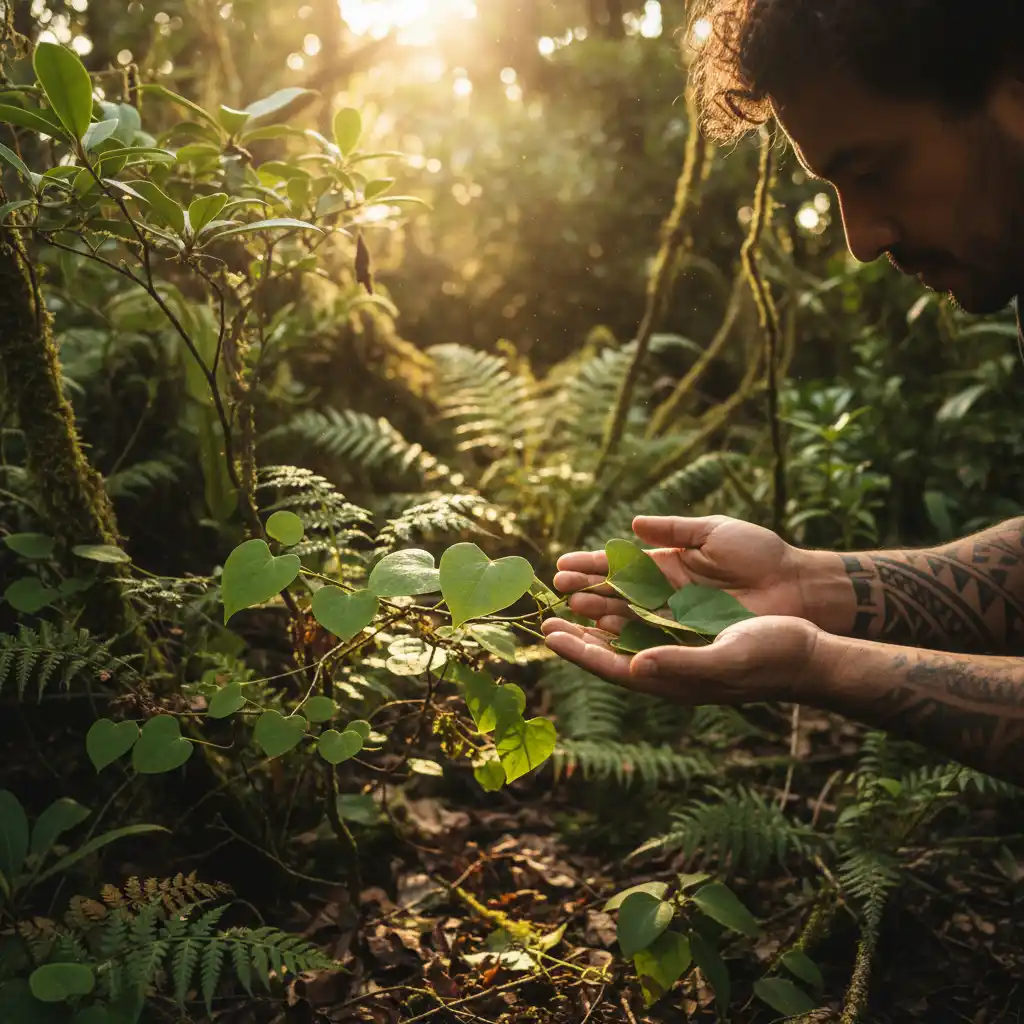
Mirimiri and Romiromi are traditional Māori bodywork therapies that function as distinct yet complementary pillars of Rongoā Māori healing. While Mirimiri focuses on soft tissue manipulation and vibrational energy to agitate and lift blockages, Romiromi involves deep tissue alignment, pressure point stimulation (haemata), and structural adjustments to release trapped trauma and restore the flow of mauri (life force), as explored on the Home page of our hub.
The Foundation: Rongoā Māori and Holistic Health
To truly understand the depth of Mirimiri and Romiromi, one must first contextualize them within the broader scope of Rongoā Māori (traditional Māori healing). Unlike Western medicine, which often compartmentalizes physical symptoms from mental or spiritual well-being, Rongoā operates on a holistic framework. It acknowledges that the physical body (tinana) is inextricably linked to the mind (hinengaro), the spirit (wairua), and the family unit (whānau).
This interconnectedness is best illustrated by the Te Whare Tapa Whā model of health. When a person seeks Mirimiri Romiromi, they are rarely treated solely for a sore shoulder or a stiff back. The practitioner, or kaimirimiri/kairongoā, views the physical ailment as a manifestation of an imbalance elsewhere—often a spiritual blockage or emotional trauma that has settled into the cellular memory of the body.
In the context of the NZ Integrated Herbal Medicine & Rongoā Māori Hub, recognizing the whakapapa (genealogy) of these practices is vital. These are not “new age” therapies but ancient technologies of the body passed down through generations of tohunga (experts). They are designed to realign the individual not just physically, but also in relation to the natural world and their ancestors.
The Distinction Between Mirimiri and Romiromi
While often spoken of in the same breath, Mirimiri and Romiromi serve different functions within a healing session. Understanding the distinction is crucial for clients seeking the appropriate modality for their needs, especially when Identifying Authentic Rongoā Practitioners and Resources.
Mirimiri: The Agitation of Energy
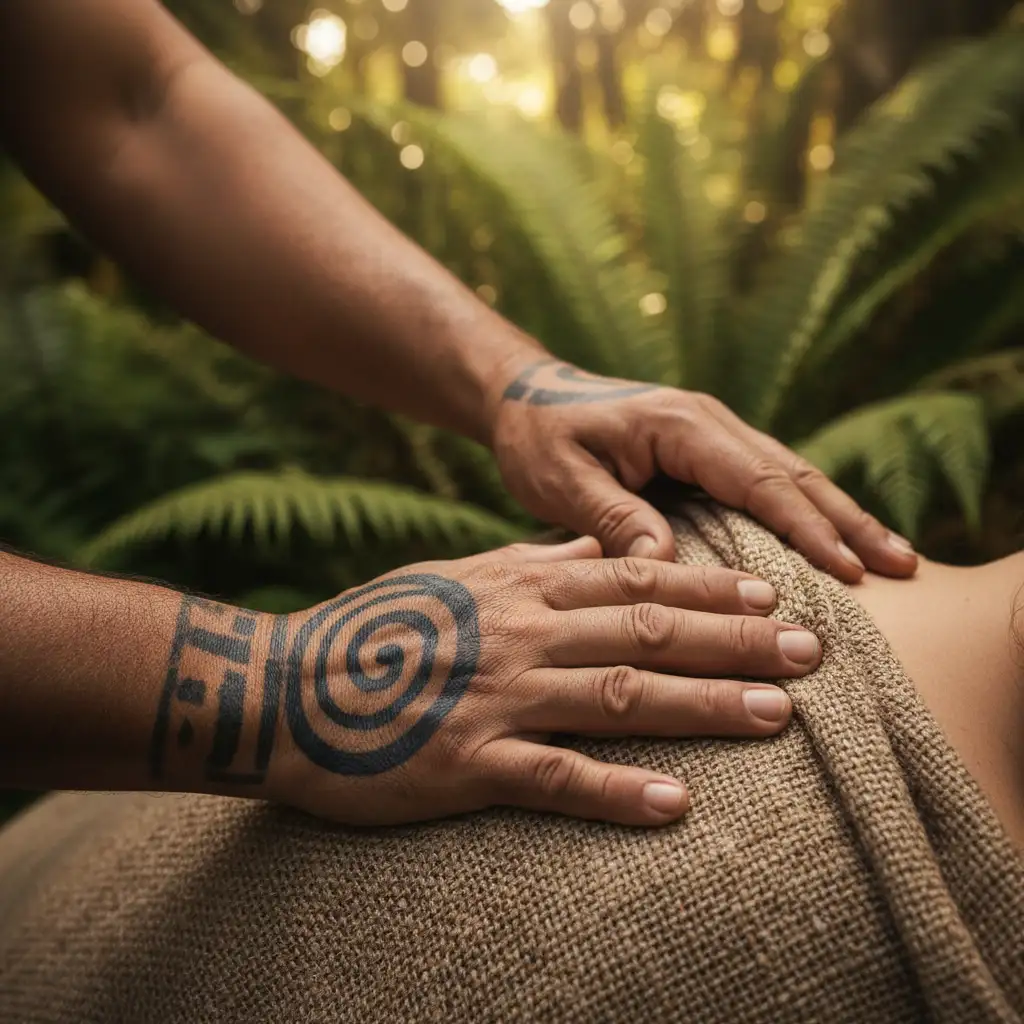
The word “Mirimiri” is frequently mistranslated simply as “massage.” However, its etymology suggests a deeper meaning related to the agitation or stimulation of energy. Mirimiri generally refers to soft tissue work. It acts as the precursor to deeper work, warming the body and the spirit.
During Mirimiri, the practitioner uses their hands and energy to sense blockages in the bio-field (aura) and the superficial layers of the body. It is vibrational work. The goal is to bring issues to the surface, “agitating” the stagnation so it can be identified and cleared. It is often soothing yet profound, working to shift the vibrational frequency of the client.
Romiromi: Deep Structural Release
Romiromi is the more intense, structural counterpart. It involves deep tissue manipulation, strong pressure on haemata (pressure points), and articulation of the joints and bones. If Mirimiri is the wind that shakes the tree, Romiromi is the earthquake that realigns the roots.
Romiromi is designed to open the energetic channels of the body. According to traditional belief, trauma—whether physical, emotional, or generational—is stored in the bones and tissues. By applying specific pressure and manipulating the body structure, Romiromi forces these blockages to release. It can be a physically intense experience, sometimes referred to as “good pain,” which facilitates a massive release of toxicity and tension.
Spiritual and Physical Aspects of Bodywork
The efficacy of Mirimiri Romiromi lies in the navigation of both the physical and spiritual realms. Practitioners are trained to work with the mauri (life force) of the client. When mauri is flowing freely, the body can heal itself. When it is blocked due to stress, grief (pōuri), or anger (riri), illness manifests.
Releasing Cellular Memory
A core concept in this modality is that the body holds memory. A physical injury might have healed years ago, but the energetic imprint of the accident remains. Similarly, emotional grief can settle in the chest or lungs. Romiromi practitioners target these specific zones to unlock cellular memory.
For example, the puku (stomach) is often seen as the seat of emotions. Tension here acts as a physical armor guarding against emotional pain. By working on the puku, a practitioner helps the client digest and release old emotions. This aligns with historical accounts of Māori health practices found in authoritative sources like Te Ara – The Encyclopedia of New Zealand, which highlight the integration of spiritual chants (karakia) and physical manipulation.
The Role of Karakia
Karakia (prayer/incantation) is inseparable from authentic Rongoā bodywork. It is used to set the intention, clear the space, and call upon protection and guidance. For the practitioner, it ensures they remain a clear vessel for healing energy, preventing the cross-contamination of energy between client and healer. For the client, it settles the wairua, allowing them to enter a state of receptivity.
Techniques and Therapeutic Benefits
The techniques employed in Mirimiri and Romiromi are diverse and can vary between different iwi (tribes) and rohe (regions). However, several universal methods define the practice.
Common Techniques
- Pēhi (Pressure): Applying sustained pressure to haemata points to stop blood flow momentarily and then release it, flushing the area with fresh, oxygenated blood and chi.
- Takahi (Trampling/Walking): In some traditions, practitioners may use their feet to apply deep, broad pressure to the back and legs. This grounds the client and allows for deep structural adjustments.
- Kōkiri (Thrusting): Rapid movements used to manipulate joints or drive energy out of the body.
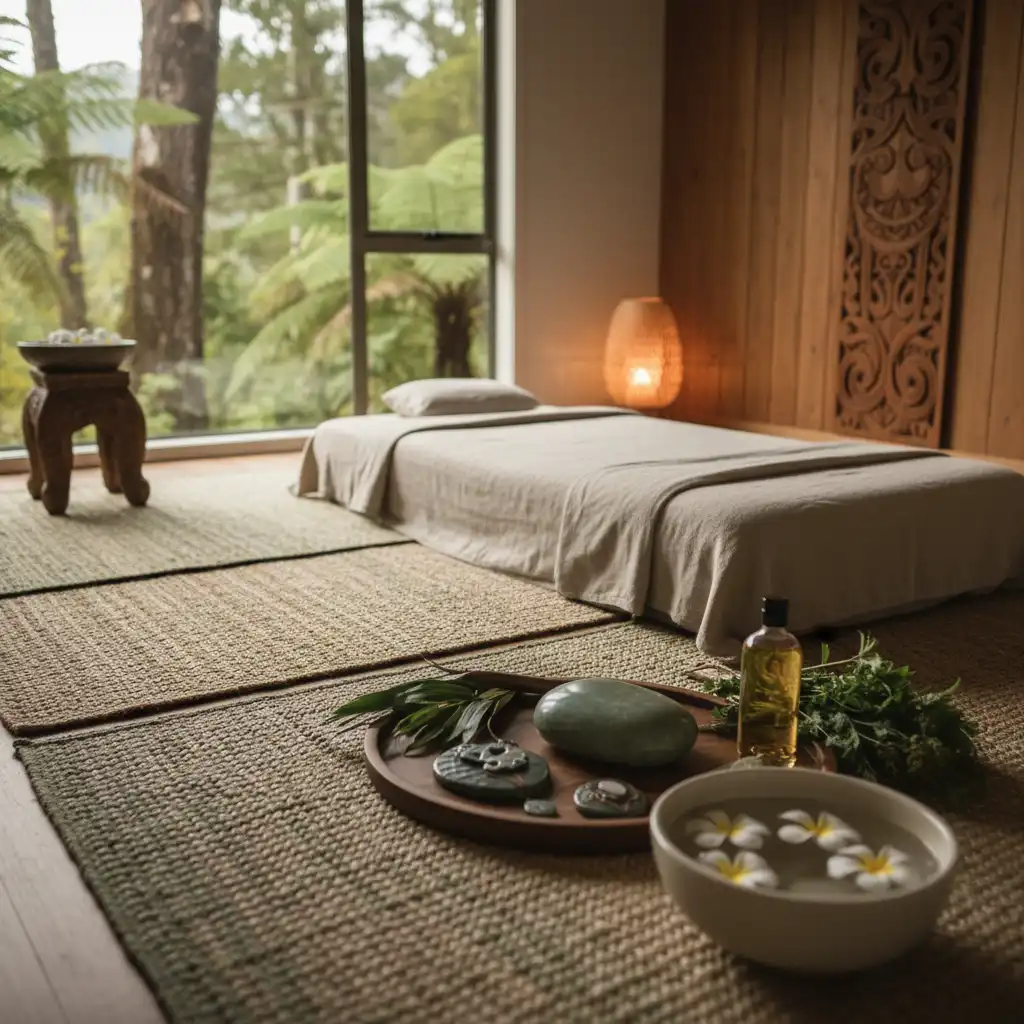
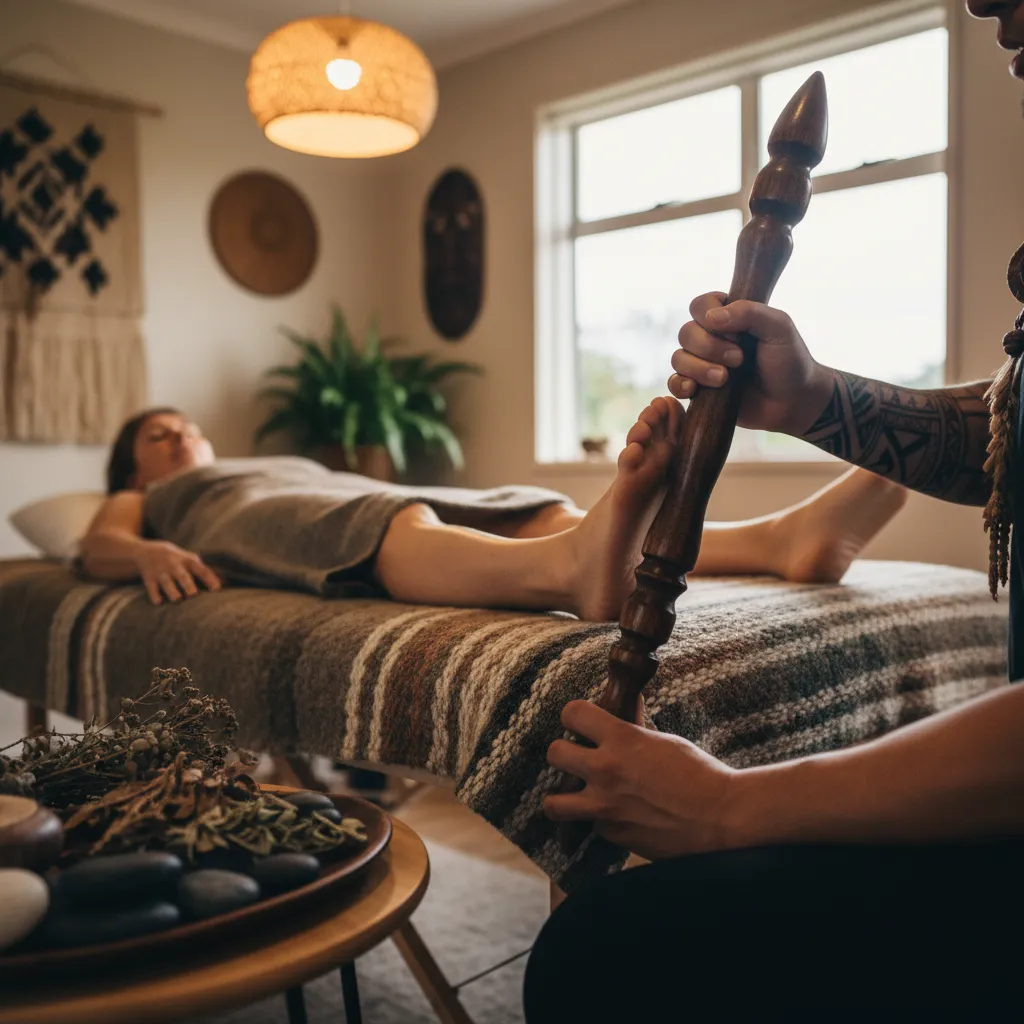
- Rākau (Tools): The use of wooden sticks or stones (kohatu) to work on specific points or to draw out negative energy.
Therapeutic Benefits
The benefits of undergoing regular Mirimiri Romiromi sessions are extensive. Physically, clients report improved circulation, increased lymphatic drainage, and greater range of motion. It is particularly effective for chronic pain conditions, sports injuries, and digestive issues, often used in conjunction with Arnica Montana: Trauma and Bruising for physical recovery.
Mentally and spiritually, the benefits are equally profound. The release of trapped trauma often leads to a feeling of “lightness” and mental clarity. It can alleviate symptoms of anxiety, depression, and fatigue by reconnecting the individual with their own internal power and stability.
What to Expect During a Session
For those new to Mirimiri Romiromi, the experience can be quite different from a standard spa massage. It is important to approach the session with an open mind and a willingness to participate in your own healing.
The Environment and Protocol
A session will almost always begin with whanaungatanga (building connection) and karakia. This establishes a safe, sacred space. You may be asked about your whakapapa or your current life challenges, as this helps the practitioner locate the root cause of physical tension.
During the Treatment
Clothing is often kept on, or modesty is strictly maintained with sheets, depending on the practitioner’s style. While Mirimiri is relaxing, Romiromi parts of the session can be intense. You might experience sharp sensations as pressure points are activated. Emotional releases—tears, laughter, or vocalization—are common and encouraged. This is the “release” of the blockage leaving the body.
Aftercare
Post-session, it is vital to drink plenty of water to aid the detoxification process. Clients are often advised to rest and avoid alcohol or heavy environments for 24 hours. The “healing crisis” is a known phenomenon where symptoms may briefly intensify as the body purges toxins before stabilizing into a state of wellness.
Finding Qualified Practitioners in Aotearoa
With the resurgence of interest in indigenous healing, finding a qualified practitioner is easier than in the past, but due diligence is still required. Rongoā Māori is an unregulated profession in the Western sense, meaning there is no central licensing board. Instead, authority comes from whakapapa, lineage, and recognition by kaumātua (elders).
ACC Coverage for Rongoā Māori
A significant milestone in the integration of traditional medicine in New Zealand is the funding provided by the Accident Compensation Corporation (ACC). ACC now funds Rongoā Māori services, including Mirimiri and Romiromi, for covered injuries. This recognition validates the clinical efficacy of these practices.
To find a registered provider, you can visit the ACC Rongoā Māori Services page. Using an ACC-registered practitioner ensures that the healer has met specific safety and cultural standards.
Cultural Safety and Respect
When seeking a practitioner, look for someone who acknowledges their teachers and lineage. Authentic practitioners operate with humility and a focus on service. Avoid those who promise “miracle cures” or charge exorbitant fees that do not align with the community-focused nature of Rongoā.
By engaging with Mirimiri and Romiromi, you are not just receiving a treatment; you are participating in a living tradition that honors the wisdom of the ancestors and the holistic potential of the human body.
Frequently Asked Questions
What is the difference between Mirimiri and massage?
While both involve touch, Mirimiri is a spiritual and energetic practice rooted in Rongoā Māori. It focuses on agitating energy blockages and working with the mauri (life force), whereas standard massage typically focuses solely on muscle relaxation and physiology.
Is Romiromi painful?
Romiromi can involve “good pain.” It uses deep tissue pressure and haemata point stimulation to release trapped trauma. While it can be intense during the release, it is generally followed by a profound sense of relief and lightness.
Can I get ACC for Mirimiri or Romiromi?
Yes, ACC (Accident Compensation Corporation) in New Zealand funds Rongoā Māori services, including Mirimiri and Romiromi, for eligible injury claims. You must use an ACC-registered Rongoā practitioner.
What should I wear to a Romiromi session?
It is best to wear comfortable, loose-fitting clothing. Unlike Western massage, many Romiromi techniques can be performed while the client is fully clothed, though protocols vary by practitioner.
How does Rongoā bodywork help with emotional trauma?
Māori healing philosophy believes that memory and emotion are stored in the cells and bones. By manipulating specific body parts and pressure points, Romiromi helps unlock and release these suppressed emotions, aiding mental and spiritual recovery.
Do I need to be Māori to receive Mirimiri or Romiromi?
No, Rongoā Māori is inclusive. While the practice is deeply rooted in Māori culture and spirituality, the healing benefits are available to people of all ethnicities who approach the practice with respect and an open mind.