
Adaptogens NZ encompasses the study and application of stress-modulating herbs within the Aotearoa context, bridging global botanical science with traditional Rongoā Māori practices. While classical adaptogens like Ashwagandha and Rhodiola are widely utilized in New Zealand natural health, local practitioners increasingly explore native flora such as Kawakawa and Kumarahou for their parallel restorative and tonic properties that support the body’s resilience against physical, chemical, and biological stressors.
Defining Adaptogens: The Science of Stress Defense
In the realm of integrative medicine, few categories of herbs have garnered as much attention as adaptogens. Originating from research conducted in the mid-20th century by Soviet scientists like Dr. Israel Brekhman and Dr. Nikolai Lazarev, the term “adaptogen” refers to a unique class of non-toxic plants that help the body resist stressors of all kinds, whether physical, chemical, or biological. These herbs have been used for centuries in Chinese and Ayurvedic healing traditions, but today they are being rigorously studied for their ability to restore homeostasis.
To be classified as a true adaptogen, a substance must meet three specific criteria:
- Non-specific defense: It must assist the human body in handling a wide range of stressors, including environmental pollution, emotional anxiety, and physical fatigue.
- Normalizing influence: It must have a bidirectional effect, meaning it can calm a hyperactive system or energize a depleted one, effectively pushing the physiology toward balance.
- Innocuousness: It must be non-toxic and cause minimal side effects to the normal physiological functions of the body.
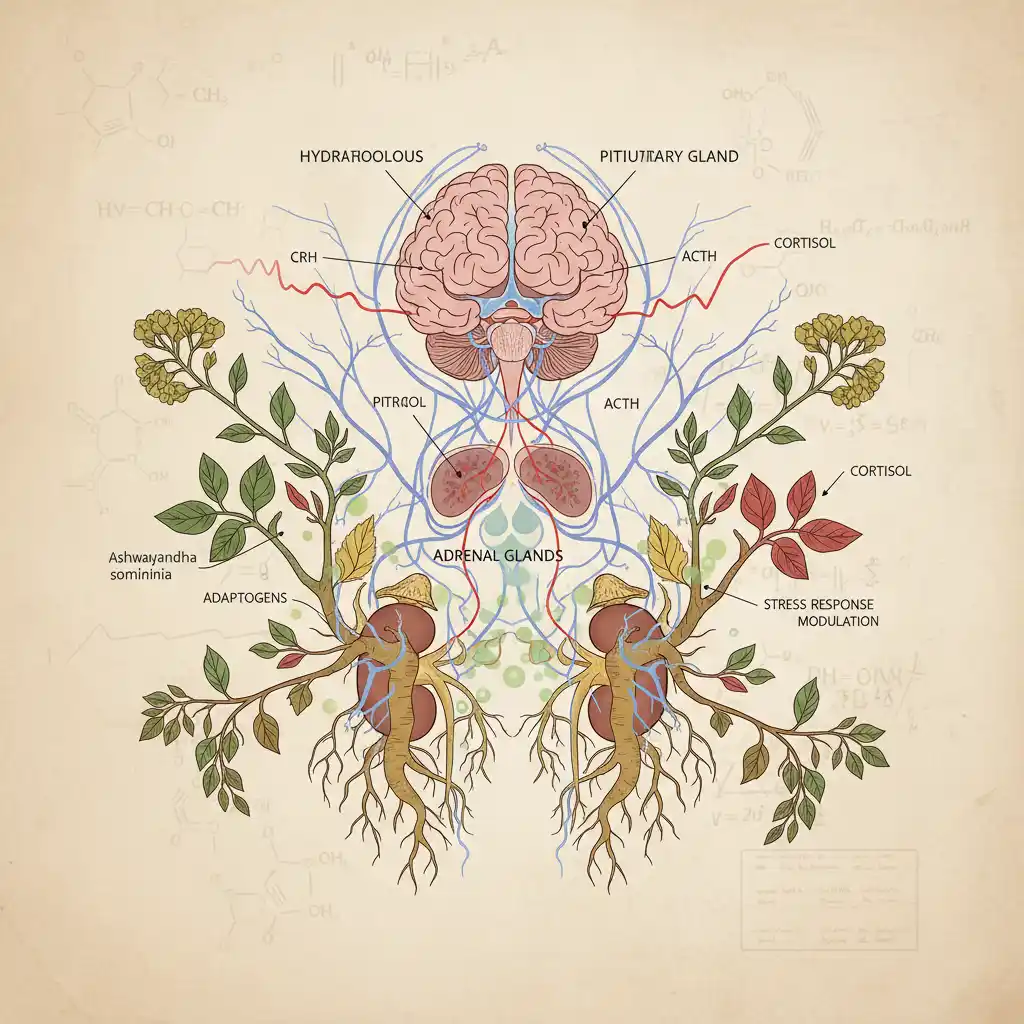
For New Zealanders facing the pressures of modern living—ranging from the fast-paced corporate environments of Auckland to the physical demands of the agricultural sector—adaptogens offer a botanical solution to burnout. Explore our Home for more wellness support. They function primarily by modulating the Hypothalamic-Pituitary-Adrenal (HPA) axis, the complex communication network between the brain and the adrenal glands that controls the release of cortisol, the body’s primary stress hormone.
Global Traditions: TCM, Ayurveda, and Western Herbalism
The concept of adaptogens is not new; it is a modern pharmacological validation of ancient wisdom. Understanding the global context is essential for New Zealand practitioners who integrate these systems into a holistic health model.
Traditional Chinese Medicine (TCM)
In TCM, adaptogens are often classified as “Qi tonics.” They are believed to replenish the vital life force and strengthen the connection between the Spleen, Lung, and Kidney meridians. The most famous example is Panax ginseng (Asian Ginseng), revered for its ability to invigorate the body and sharpen the mind. Another critical herb is Ganoderma lucidum (Reishi mushroom), known as the “Mushroom of Immortality,” which is used to calm the spirit (Shen) and modulate the immune system.
Ayurveda
The ancient Indian system of Ayurveda utilizes “Rasayanas,” or rejuvenating herbs. Withania somnifera, commonly known as Ashwagandha, is perhaps the most popular adaptogen in the New Zealand market today. It is traditionally used to treat general debility and nervous exhaustion. Similarly, Holy Basil (Tulsi) is worshipped as a sacred plant that promotes longevity and mental clarity.
Western Herbalism
While Western herbalism traditionally focused more on specific symptomatic treatments, it has embraced adaptogens like Rhodiola rosea. Native to the cold regions of Europe and Asia, Rhodiola has been used by Vikings and Sherpas alike to enhance physical endurance and reduce fatigue in high-altitude environments. Its inclusion in Western pharmacopeia highlights the universal human need for resilience against environmental extremes.
Adaptogens in the NZ Context: Rongoā Māori and Native Plants
While the classic definition of adaptogens relies on specific plants from Asia and Russia, the unique flora of Aotearoa (New Zealand) offers a rich repository of plants with restorative, tonic, and strengthening properties. In the context of Adaptogens NZ, we must look to Rongoā Māori—traditional Māori healing—to identify plants that fulfill the functional role of adaptogens, even if they have not yet been classified as such in Western pharmacological terms.
Rongoā is a holistic system that encompasses taha wairua (spiritual), taha hinengaro (psychological), taha tinana (physical), and taha whānau (family) well-being. Many native plants act as general tonics that support the mauri (life force) of the individual, aligning closely with the adaptogenic concept of restoring homeostasis.
Kawakawa (Macropiper excelsum)
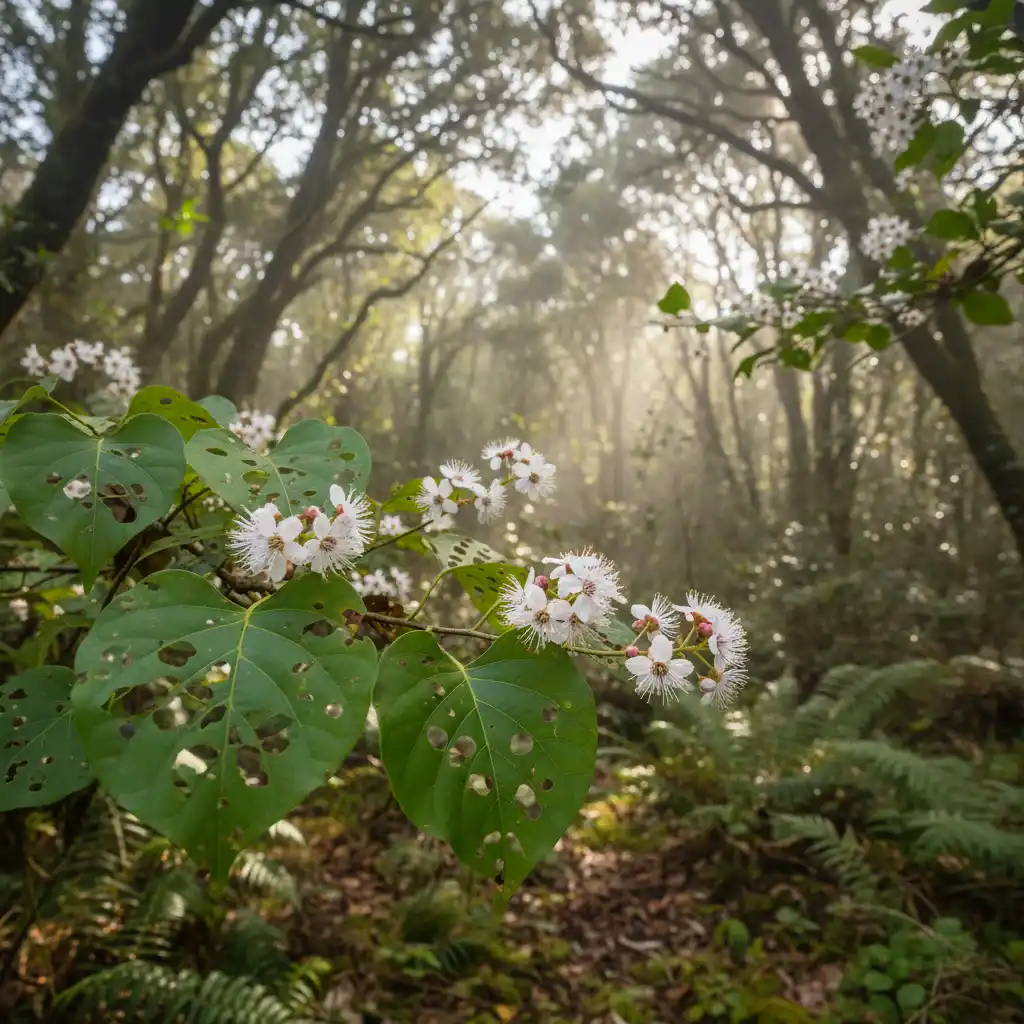
Often referred to as the “pharmacy of the forest,” Kawakawa is a cornerstone of Rongoā and a vital component of a Basic First Aid Kit with NZ Herbal Remedies. While primarily known for its anti-inflammatory and digestive properties, it acts as a restorative tonic. By supporting the digestive system and circulation, it reduces the physiological load on the body, allowing for better energy allocation. Its mild stimulating effect and ability to “move the blood” can be compared to the circulatory benefits of certain adaptogens.
Kumarahou (Pomaderris kumeraho)
Kumarahou is traditionally used for respiratory complaints and as a blood purifier. In the language of adaptogens, this “detoxifying” action helps remove metabolic waste products that contribute to systemic stress. By supporting lung and kidney function, Kumarahou aids the body in adapting to environmental pollutants and internal toxicity.
Horopito (Pseudowintera colorata)
Known as the pepper tree, Horopito has potent antifungal and circulatory stimulating properties. It enhances the body’s defense mechanisms against biological stressors (fungi, bacteria). Its fiery nature stimulates circulation, which can be vital for individuals suffering from stagnation or lethargy, akin to the stimulating adaptogens like Ginseng.
Manuka (Leptospermum scoparium)
Beyond the famous honey, the leaves and bark of Manuka have been used as a relaxant and to reduce anxiety. This aligns with the “calming adaptogen” profile seen in herbs like Ashwagandha and Reishi. Manuka supports the nervous system and immune response, providing a dual-action defense against stress.
Scientific Evidence for Stress Resilience and Balance
The efficacy of adaptogens is not merely anecdotal; it is supported by a growing body of scientific literature. Research indicates that adaptogens work at the cellular level to protect mitochondria—the power plants of our cells—from stress-induced damage. They act as “stress vaccines,” inducing a mild activation of the stress defense system which then primes the body to handle more severe stressors later.
Key mechanisms include:
- Regulation of Cortisol: Chronic stress leads to elevated cortisol, which damages the hippocampus and impairs memory. Adaptogens help regulate cortisol output, preventing the “crash” associated with adrenal fatigue.
- Neuroprotection: Many adaptogens increase the expression of Brain-Derived Neurotrophic Factor (BDNF), a protein that encourages the growth of new neurons and synapses.
- Immune Modulation: Polysaccharides found in adaptogens like Reishi and Astragalus have been shown to enhance the activity of macrophages and T-cells.
For a deeper understanding of the pharmacological definitions, the National Center for Biotechnology Information (NCBI) provides extensive reviews on the mechanisms of action regarding plant adaptogens and their history.
Sourcing and Safety in the New Zealand Market
As the demand for “Adaptogens NZ” grows, so does the importance of sourcing quality products. New Zealand has strict biosecurity laws, meaning that while many dried adaptogens are imported, there is a burgeoning local industry growing herbs like Ashwagandha and Rhodiola in the unique microclimates of the South Island.
Quality Considerations
When selecting adaptogenic products in NZ, consumers should look for:
- Standardized Extracts: Ensures the product contains a guaranteed level of active compounds (e.g., withanolides in Ashwagandha).
- Sustainability: For both imported herbs and NZ natives. Over-harvesting of wild Rongoā is a concern; always support suppliers who harvest ethically and with respect for tikanga (protocol).
- Third-Party Testing: To verify purity and absence of heavy metals or pesticides.
Furthermore, it is vital to consult with a qualified Medical Herbalist or Naturopath. While adaptogens are generally safe, they can interact with medications. For example, Ginseng can affect blood sugar levels and interact with diabetes medication, while St John’s Wort (often grouped with mood herbs) interacts with antidepressants.
Future Perspectives on Aotearoa’s Botanical Medicine
The integration of international adaptogens with New Zealand’s native flora represents the future of herbal medicine in this country. Research institutes such as Manaaki Whenua – Landcare Research continue to document the biodiversity of Aotearoa, potentially unlocking scientific validation for the adaptogenic-like properties of native species.
As we move forward, the “Adaptogens NZ” movement is less about replacing one system with another, and more about weaving a whariki (mat) that combines the best of global science with the deep, spiritual rootedness of Rongoā Māori. This approach ensures that we nurture not just the physical body, but the connection to the land and the environment, which is the ultimate source of resilience.

People Also Ask
What is the best adaptogen for anxiety in NZ?
Ashwagandha (Withania somnifera) is widely considered the best adaptogen for anxiety available in New Zealand. It has been clinically shown to lower cortisol levels. Additionally, native Rongoā options like Kawakawa can be used as a restorative tonic to support the nervous system indirectly.
Are there native New Zealand adaptogens?
While NZ native plants like Kawakawa, Kumarahou, and Manuka are not strictly classified as “adaptogens” in the Russian pharmacological sense, they function as restorative tonics in Rongoā Māori. They support the body’s resilience, immune function, and detoxification, paralleling the benefits of traditional adaptogens.
Can I take Ashwagandha in New Zealand?
Yes, Ashwagandha is legal and widely available in New Zealand as a dietary supplement. It can be found in health food stores, pharmacies, and from registered herbalists. It is often sold in capsule, powder, or tincture form.
What is the difference between a tonic and an adaptogen?
A tonic is a general term for a substance that invigorates and restores the body, often used in Traditional Chinese Medicine and Rongoā. An adaptogen is a specific scientific classification for herbs that non-specifically increase resistance to stress and normalize physiological functions. All adaptogens are tonics, but not all tonics meet the strict criteria of being adaptogens.
Is Kawakawa an adaptogen?
Scientifically, Kawakawa is not currently classified as an adaptogen. However, in Rongoā Māori, it is used as a powerful restorative and blood purifier. Its ability to reduce inflammation and support digestion helps the body cope with stress, making it functionally similar to an adaptogen in a holistic context.
How do adaptogens affect the HPA axis?
Adaptogens modulate the Hypothalamic-Pituitary-Adrenal (HPA) axis by regulating the secretion of stress hormones like cortisol. They function like a thermostat, down-regulating the system when it is overactive (stress/anxiety) and up-regulating it when it is underactive (fatigue/burnout), helping to maintain homeostasis.