
This comprehensive NZ native herbalism guide explores the integration of Rongoā Māori principles into modern wellness. It covers the sustainable cultivation of indigenous flora, traditional preparation methods adapted for contemporary use, and the ethical considerations of purchasing commercial Rongoā products, ensuring a respectful balance between soil, sanctity, and shelf.
Introduction to Applied Rongoā: Bridging Tradition and Modern Practice
New Zealand’s isolation for millions of years has resulted in a flora that is largely endemic, creating a botanical landscape unlike any other on Earth. For centuries, Māori have held the knowledge of how to utilize this unique biodiversity for healing—a system known as Rongoā Māori. Today, we are witnessing a profound renaissance in this space. This is not merely a trend in the “natural health” sector; it is a cultural reclamation and a scientific realization of the potency contained within the New Zealand bush.
However, navigating the world of NZ native herbalism requires more than just identifying plants. It requires a fundamental understanding of the worldview that underpins the practice. Rongoā is holistic. It does not separate the physical ailment from the spiritual, mental, or social context of the patient. As these ancient remedies move from the forest floor to the pharmacy shelf, the challenge lies in maintaining the mauri (life force) of the plant and the integrity of the tradition.
In this guide, we bridge the gap between historical wisdom and modern application. We explore how contemporary herbalists and consumers can engage with New Zealand’s native plants respectfully, effectively, and safely. Whether you are looking to cultivate your own medicinal garden or seeking the highest quality commercial balm, understanding the lineage of these plants is the first step toward true wellness.

The Three Pillars: Cultivation, Preparation, and Commercial Navigation
To truly understand the efficacy and value of New Zealand native herbalism, one must examine the lifecycle of the medicine. We categorize this journey into three distinct pillars: Cultivation, Preparation, and Commercial Navigation.
1. Cultivation and Sustainable Harvesting
The first pillar is the soil. Authentic Rongoā begins with the relationship to Papatūānuku (Earth Mother). Unlike large-scale industrial farming, the cultivation of native herbs for medicinal use requires an adherence to Tikanga (protocols). This involves asking permission before harvesting, often through karakia (prayer), and never taking more than the plant can sustain.
For example, when harvesting Kawakawa (Piper excelsum), a practitioner will never strip a bush bare. They will take leaves from different sides of the plant, ensuring the sun can still reach the inner branches, and they will often prioritize leaves with holes eaten by the looper moth caterpillar. Scientifically, it has been suggested that these leaves possess higher concentrations of secondary metabolites—defense chemicals produced by the plant in response to the insect attack—which correlates to higher medicinal potency.
2. Preparation Techniques
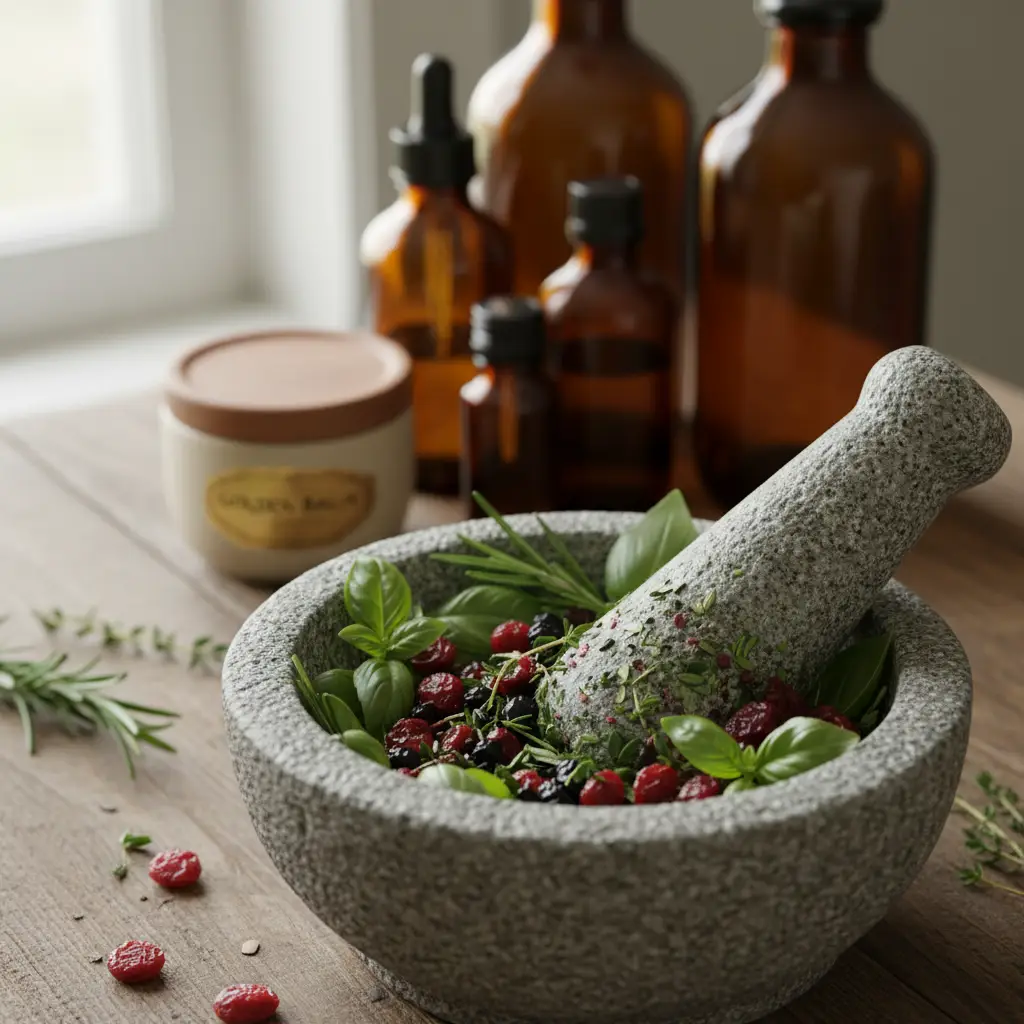
The transition from raw plant to remedy is where art meets chemistry. Traditional preparation methods included infusions (wai rākau), poultices, and steaming. Modern NZ native herbalism has adapted these methods to create shelf-stable products without compromising efficacy.
Common preparations include:
- Infused Oils: Using a carrier oil (often olive or almond, though traditionalists may use animal fats) to extract lipid-soluble compounds over weeks.
- Tinctures: Alcohol-based extractions that pull out a wider range of alkaloids and preserve the medicine for years.
- Balms: Solidified oils using beeswax, often combined with Manuka or Kanuka essential oils for added antimicrobial properties.
3. Commercial Navigation
The final pillar is the most complex for the modern consumer. With the global explosion of the wellness industry, “New Zealand Native” has become a lucrative marketing tag. Navigating this landscape requires discerning whether a product is a genuine expression of Rongoā or merely greenwashing.
Consumers must look for transparency in sourcing. Does the brand disclose where their plants come from? Do they acknowledge the Iwi or hapū (sub-tribe) relationships? Are the ingredients listed clearly, or are they hidden behind proprietary blends? High-quality commercial navigation means choosing brands that invest back into the land and the people who hold the knowledge.
Respecting Tikanga while Engaging with Commercial Products
As Rongoā Māori enters the global market, the risk of cultural appropriation increases. Tikanga Māori provides a framework of protection and respect that should guide both producers and consumers. Tikanga is not a set of rigid rules, but rather a system of values and practices that ensure balance and safety.
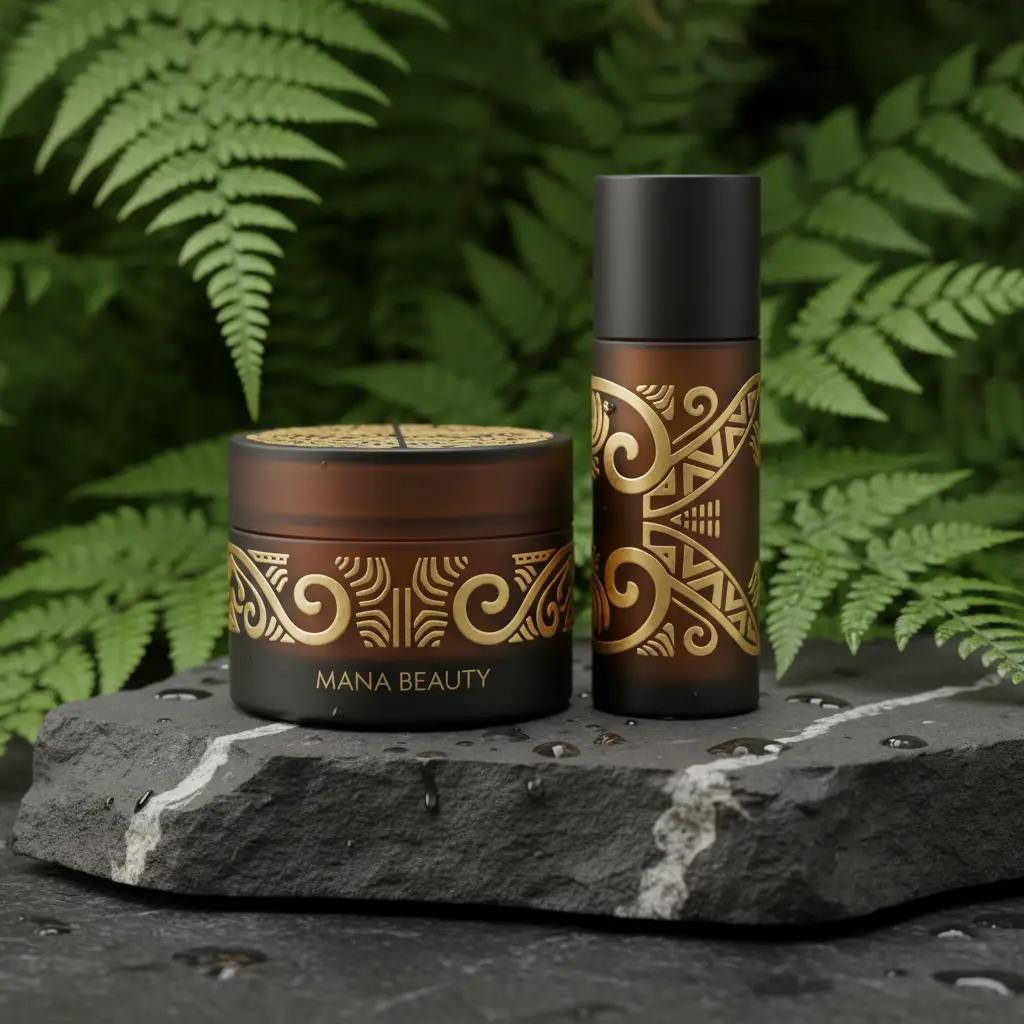
When we speak of “From Soil to Shelf,” we must ensure that the Wairua (spirit) of the practice is not lost in the manufacturing process. This presents a unique challenge for mass production. Many traditional practitioners believe that machinery can sever the connection between the healer and the medicine. Consequently, the most premium NZ native herbalism guides often point toward small-batch, artisanal producers who maintain hand-processing methods.
Key Indicators of Respectful Commercial Practice:
- Te Reo Māori Usage: Is the language used correctly and respectfully on the packaging?
- Intellectual Property: Does the company acknowledge Māori data sovereignty? Are they profiting from indigenous knowledge without consultation?
- Sustainability Claims: Are they wild-harvesting endangered species, or are they cultivating their own supply to reduce pressure on native forests?
Key Botanical Profiles and Applications
To utilize an NZ native herbalism guide effectively, one must understand the specific properties of the powerhouse plants found in Aotearoa.
Kawakawa (Piper excelsum)
Often referred to as the “pharmacy of the forest,” Kawakawa is perhaps the most versatile herb in the New Zealand repertoire. Rich in myristicin and eugenol, it acts as a powerful anti-inflammatory and analgesic.
- Internal Use: Digestive tonic (relieving bloating and IBS symptoms), blood purifier.
- External Use: Eczema, psoriasis, cuts, and bruises. The numbing effect of the leaves (when chewed) is also used for toothache.
Manuka (Leptospermum scoparium)
While Manuka honey is globally famous, the leaf and bark possess incredible utility. The essential oil of Manuka is a potent antimicrobial, often cited as being stronger than Australian Tea Tree oil against gram-positive bacteria.
- Applications: Fungal infections, acne treatment, respiratory congestion (via steam inhalation), and anxiety reduction.
Kumarahou (Pomaderris kumeraho)
Known as “gumdigger’s soap” because the flowers lather when rubbed with water, Kumarahou is the premier respiratory herb in Rongoā.
- Applications: Bronchitis, asthma, and deep chest colds. It is an intense bitter, which also makes it an excellent liver tonic and detoxifier.
Horopito (Pseudowintera colorata)
This ancient plant, often called the “pepper tree,” contains polygodial, a compound with strong antifungal properties. It has survived since the dinosaur age largely because its spicy taste deters predators.
- Applications: Candida overgrowth (thrush), ringworm, and circulation stimulation.

Latest Reviews of NZ Natural Health Products
In the current market, the consumer is spoiled for choice. However, efficacy varies wildly based on extraction methods. Here is a professional analysis of the current state of products available on the shelf.
The Rise of Liposomal Delivery
We are seeing a new wave of products combining traditional plant extracts with liposomal delivery systems. This technology encapsulates the herbal compounds in a lipid layer, significantly increasing bioavailability. For example, Vitamin C supplements fortified with Manuka and Kawakawa extracts are showing superior absorption rates compared to standard capsules. This represents a successful marriage of Rongoā and modern pharmaceutical science.
Artisanal Balms vs. Mass Production
Reviews consistently show that small-batch balms retain higher efficacy for skin conditions. Mass-produced balms often dilute the active herbal infused oil with excessive wax or cheaper filler oils (like sunflower oil) to reduce costs. The best-rated products in 2024 are those listing the native infused oil (e.g., Macropiper excelsum infused Olea europaea oil) as the primary ingredient.
Standardized Extracts
For internal health, particularly for mood and immunity, standardized liquid extracts are leading the market. Unlike simple teas, these products guarantee a specific concentration of active compounds (such as polygodial in Horopito products). While traditionalists prefer the whole plant approach, clinical herbalists appreciate the consistency these products offer for dosing.
Frequently Asked Questions
Is Rongoā Māori safe to use alongside prescription medication?
Generally, topical applications are very safe. However, internal consumption of potent herbs like Kumarahou or Kawakawa can interact with certain medications (e.g., blood thinners or sedatives). Always consult a medical professional or a registered clinical herbalist before combining treatments.
Can I harvest native plants from any public park in New Zealand?
No. Harvesting in national parks and reserves is generally prohibited to protect biodiversity. Furthermore, from a Tikanga perspective, one should not harvest from areas that may be polluted (like roadsides) or tapu (sacred) without authorization and proper cultural protocols.
What is the difference between Manuka oil and Tea Tree oil?
While they are related, New Zealand Manuka oil is typically richer in triketones, making it more effective against gram-positive bacteria (like Staph). Australian Tea Tree oil is richer in monoterpenes. Manuka is often considered gentler on the skin while being a more potent antimicrobial.
How do I know if a product is authentically Māori-made?
Look for the “Toi Iho” trademark or similar accreditation marks that verify Māori authenticity. Research the company’s “About Us” page to see if they disclose their whakapapa (lineage) or partnership with local Iwi.
Can non-Māori practice Rongoā?
This is a nuanced topic. While anyone can learn about the medicinal properties of plants, “Rongoā” implies a specific cultural and spiritual practice. Non-Māori are encouraged to learn and use the plants respectfully (often termed “NZ Native Herbalism”) but should be careful not to claim the title of a Rongoā practitioner without extensive training and community endorsement.
What is the best native herb for eczema?
Kawakawa is widely regarded as the most effective native herb for eczema and reactive skin conditions due to its anti-inflammatory and numbing properties. It is often paired with Manuka honey in balms for a synergistic healing effect.