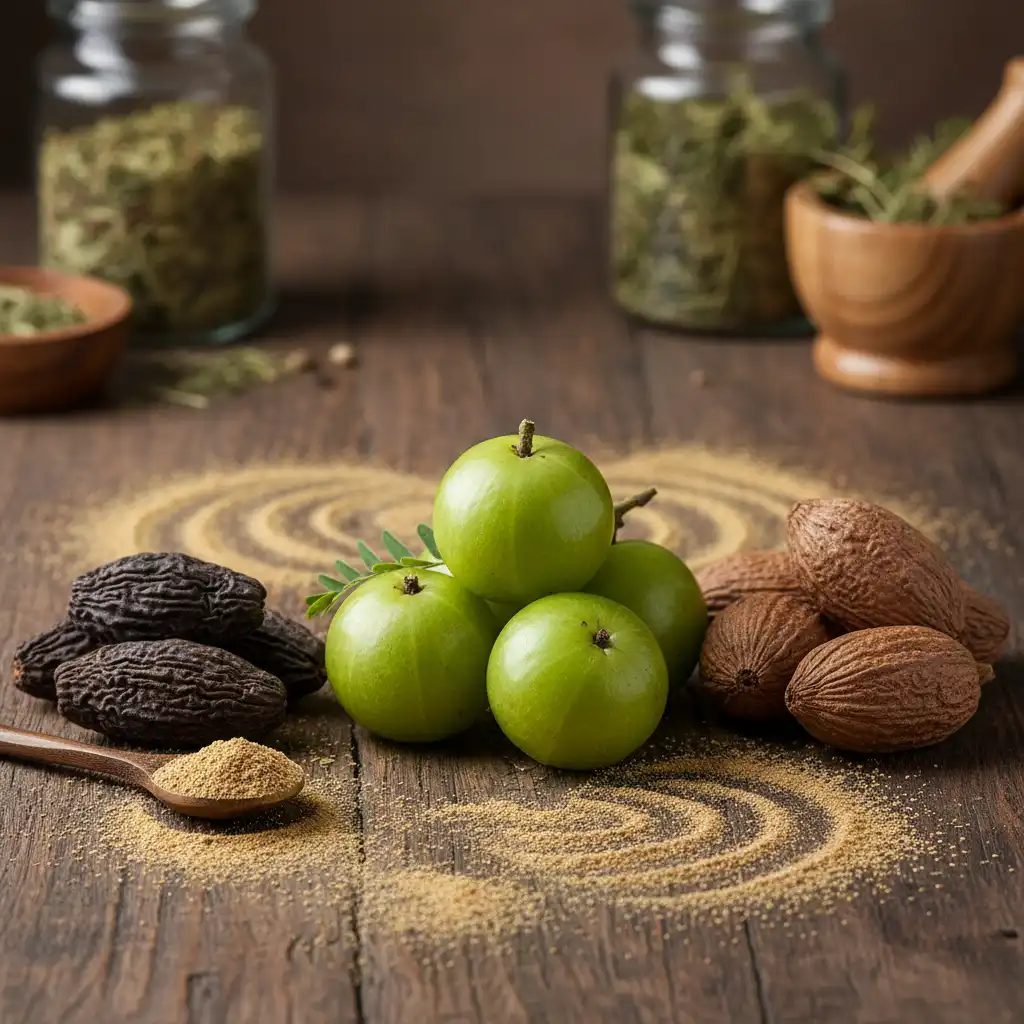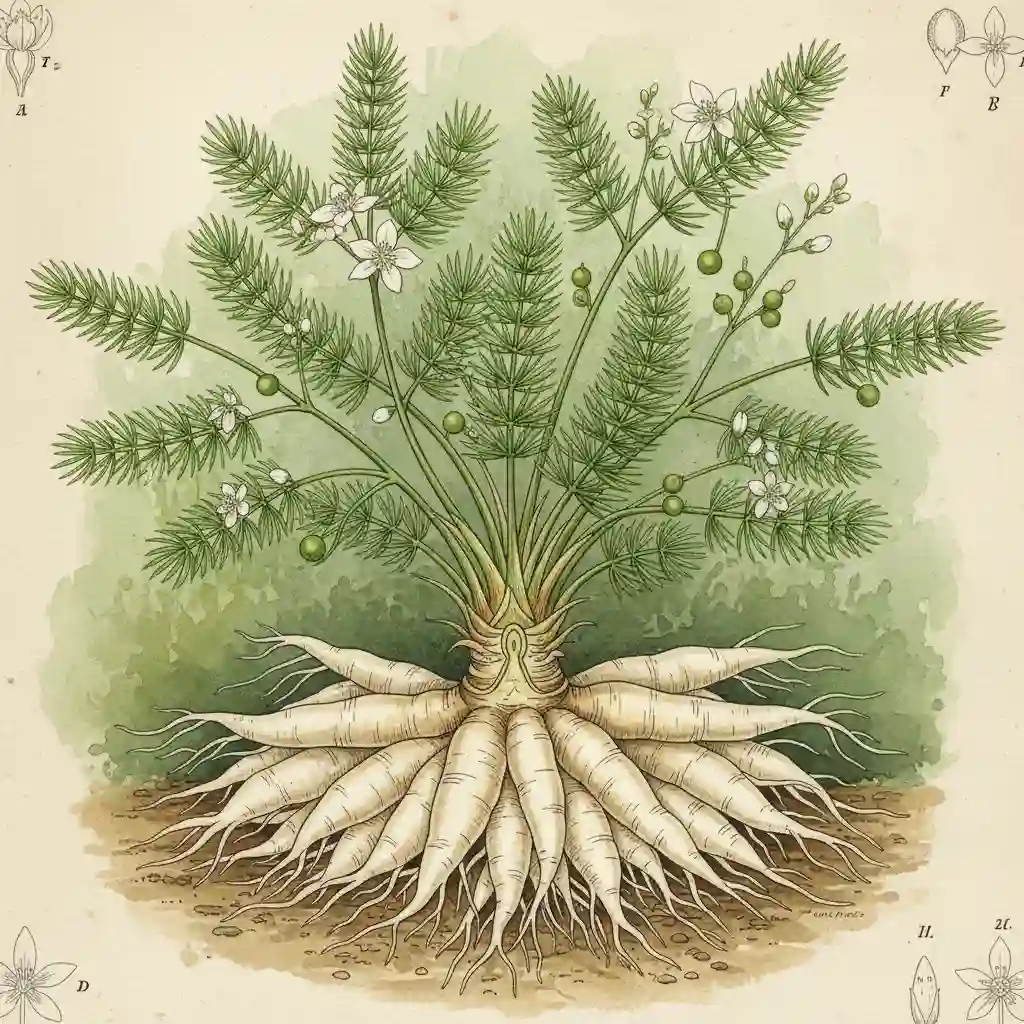
The ayurvedic diet for inflammation is a holistic nutritional approach designed to eliminate Ama (toxins) and balance the body’s internal energies, primarily the Pitta dosha. From our Home, we emphasize cooling, whole foods, digestion-enhancing spices like turmeric and ginger, and strict avoidance of incompatible food combinations to restore the body’s natural healing intelligence and reduce systemic swelling.
Understanding Inflammation in Ayurveda
In Western medicine, inflammation is viewed as the body’s immune response to an irritant. While acute inflammation is healing, chronic inflammation is the root of many modern diseases. In Ayurveda, this chronic state is almost always attributed to the accumulation of Ama—a sticky, toxic residue formed by incomplete digestion.
When your digestion is weak or overwhelmed, food is not properly metabolized. This undigested material circulates through the body, clogging channels (srotas) and disrupting cellular function. Eventually, the immune system attacks this foreign accumulation, resulting in inflammation. Therefore, the primary goal of an ayurvedic diet for inflammation is not just to suppress symptoms, but to stop the production of Ama and flush existing toxins from the system.
Furthermore, inflammation is typically associated with an aggravation of the Pitta dosha, which governs heat, metabolism, and transformation in the body. However, imbalances in Vata (dryness/air) and Kapha (heaviness/earth) can also contribute to different inflammatory presentations, such as joint pain (Vata) or congestion (Kapha), conditions often addressed through Traditional Rongoā Bodywork: Mirimiri and Romiromi Massage.
The Critical Role of Agni (Digestive Fire)
Central to all Ayurvedic healing is the concept of Agni, or digestive fire. You can think of Agni as the gatekeeper of good health. Strong Agni ensures that nutrients are absorbed and waste is efficiently eliminated. Weak or variable Agni leads to the creation of Ama.
To reduce inflammation, one must kindle the Agni without aggravating Pitta (heat). This is a delicate balance. If the fire is too low, toxins accumulate. If the fire is too high, it burns the tissues, causing acid reflux, ulcers, and inflammatory skin conditions.
Signs of Impaired Agni
- Bloating and gas immediately after eating
- A heavy coating on the tongue (especially in the morning)
- Lethargy and brain fog after meals
- Irregular elimination
Restoring Agni often involves a period of “light” eating, such as consuming kitchari (a stew of mung beans and basmati rice), to allow the digestive system to rest and reset.
Spices That Reduce Inflammation
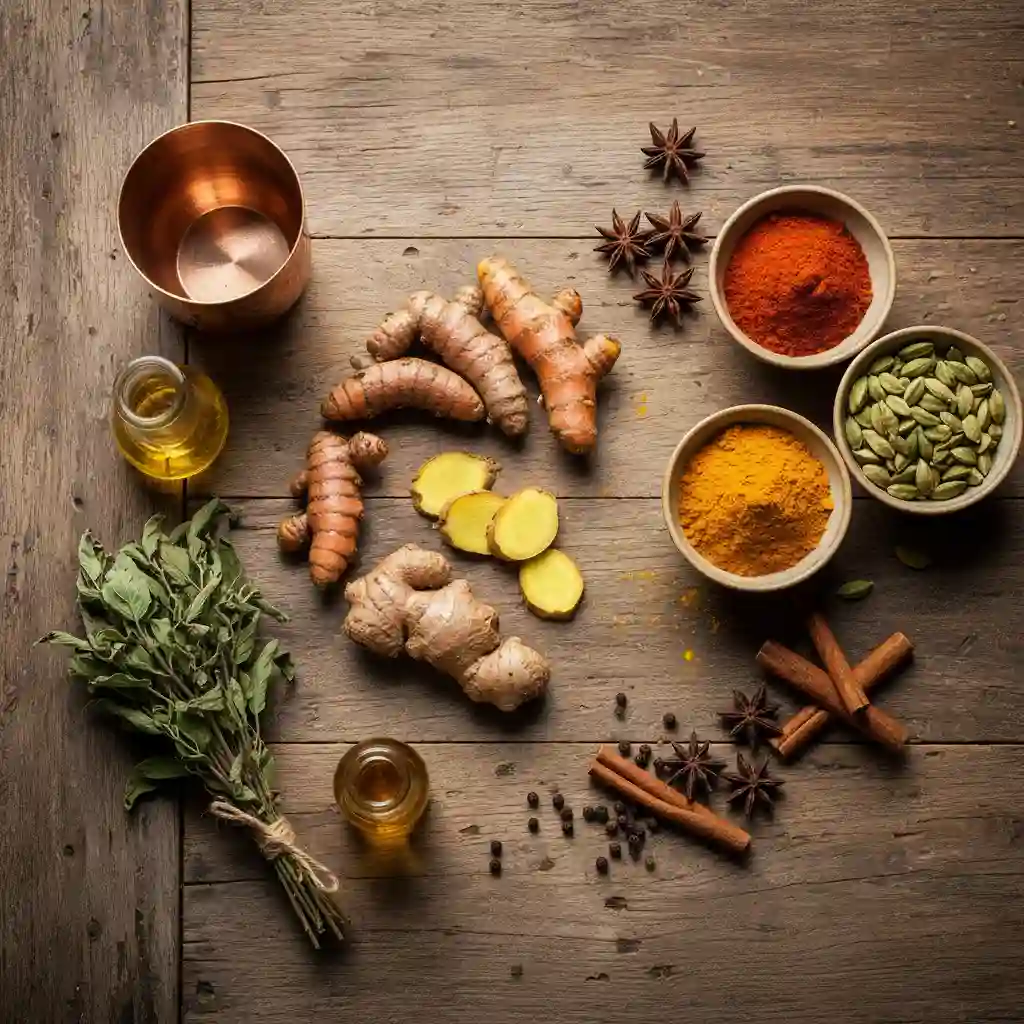
Ayurvedic pharmacology relies heavily on kitchen spices to act as medicine. For those Creating a Holistic Herbal Practice in New Zealand: Integrating East & West, these spices work synergistically with the body to reduce inflammation while simultaneously improving digestion, unlike harsh pharmaceuticals.
Turmeric (Haridra)
Turmeric is perhaps the most famous anti-inflammatory herb in the world. Its active compound, curcumin, has been extensively studied for its ability to block inflammatory cytokines. In Ayurveda, turmeric is bitter, pungent, and heating, yet it has a unique post-digestive effect that helps balance all three doshas. It cleanses the blood and heals the liver.
How to use: Always consume turmeric with a pinch of black pepper and a healthy fat (like ghee or coconut oil) to maximize absorption. Golden Milk (Haldi Doodh) is a classic remedy.
Ginger (Ardrakam)
Ginger is known as the “universal medicine.” It is one of the best spices for burning Ama (toxins). For inflammation related to arthritis (often Vata imbalance), fresh ginger is preferred for its warming properties. For Pitta-type inflammation, dry ginger is sometimes used in smaller quantities as it is less likely to provoke excess heat compared to fresh ginger in certain contexts, though it remains heating.
Cumin, Coriander, and Fennel
These three seeds are the trinity of Ayurvedic digestion. They are cooling and soothing, making them perfect for Pitta-related inflammation.
- Cumin: Burns Ama without overheating the body.
- Coriander: Specifically cools the urinary tract and reduces excess heat in the gut.
- Fennel: Relaxes the smooth muscles of the digestive tract and reduces cramping.
Incompatible Food Combinations (Viruddha Ahar)
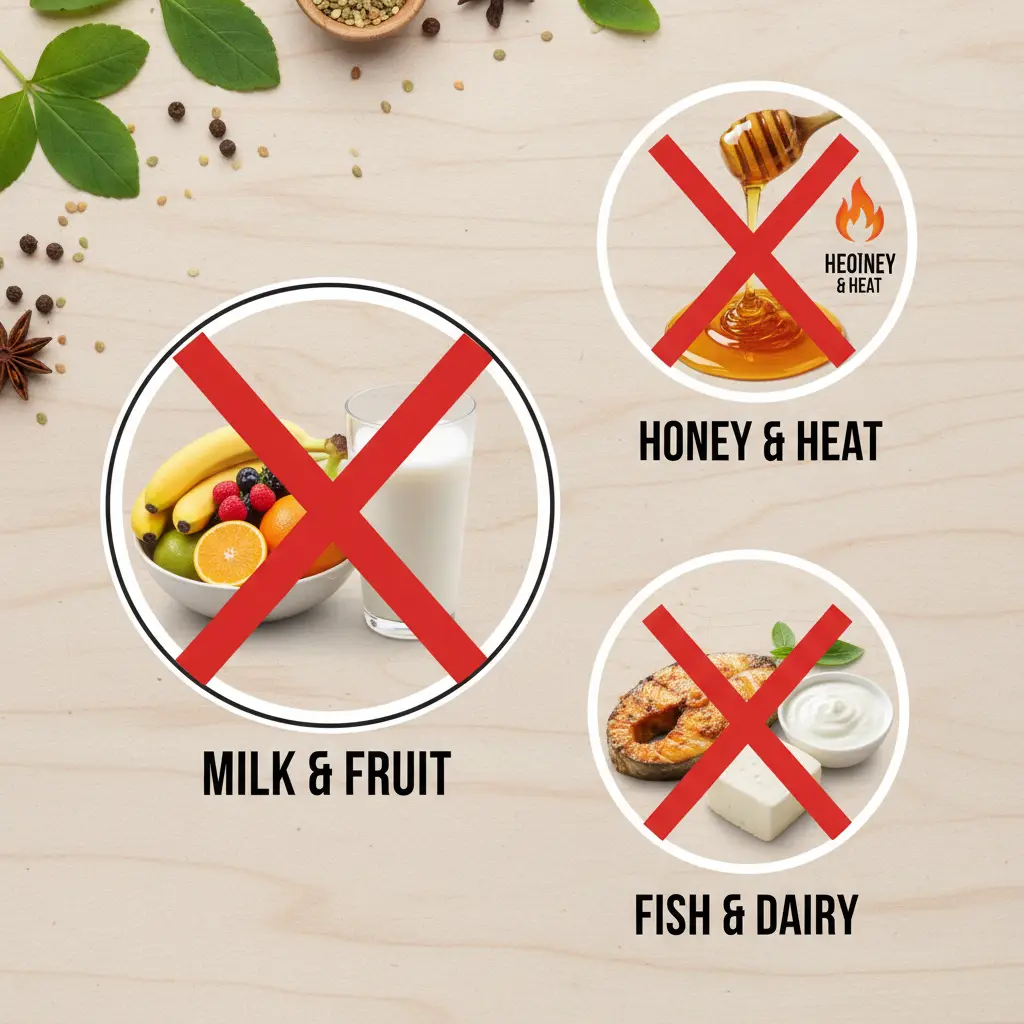
One of the most unique and powerful concepts in the ayurvedic diet for inflammation is Viruddha Ahar, or incompatible foods. Modern nutrition often looks at macronutrients in isolation, but Ayurveda looks at the chemical reaction that occurs when foods are mixed.
Certain foods may be healthy individually but create toxins when eaten together. These combinations confuse the digestive enzymes, leading to fermentation, putrefaction, and the immediate production of inflammatory Ama.
Common Inflammatory Combinations to Avoid:
- Dairy and Fruit: This is the most common error (e.g., yogurt with berries, banana smoothies with milk). Fruit digests quickly, while milk digests slowly. Mixing them causes the fruit to curdle the milk in the stomach.
- Dairy and Meat/Fish: Avoid cream sauces on chicken or fish. This combination is considered highly toxic and blocking to the channels.
- Hot and Cold: Consuming ice water with a hot meal shocks the Agni and halts digestion instantly.
- Honey and Heat: Honey should never be cooked or added to boiling water. Heated honey becomes a sticky toxin that is difficult to expel from the body.
For more detailed information on traditional medical systems and their approach to diet, you can refer to resources from the National Center for Complementary and Integrative Health.
Dosha-Specific Dietary Adjustments
While the general rule is to reduce Ama, tailoring your diet to your specific constitution (Prakriti) or current imbalance (Vikriti) accelerates healing.
Pitta (Fire/Water) Inflammation
If your inflammation manifests as redness, burning sensations, skin rashes, or acid reflux, you have high Pitta.
Eat: Sweet, bitter, and astringent foods. Leafy greens, cucumber, coconut, cilantro, ghee, and sweet fruits.
Avoid: Chili peppers, tomatoes, vinegar, alcohol, fermented foods, and sour fruits.
Vata (Air/Ether) Inflammation
If your inflammation involves dryness, cracking joints, constipation, or nerve pain, you have high Vata.
Eat: Warm, moist, and grounding foods. Root vegetables, cooked grains, sesame oil, avocados, and stewed fruits.
Avoid: Raw salads, dry crackers, popcorn, caffeine, and ice-cold beverages.
Kapha (Earth/Water) Inflammation
If your inflammation involves swelling, water retention, mucus, or bronchial congestion, you have high Kapha.
Eat: Light, dry, and warming foods. Legumes, quinoa, bitter greens, mustard greens, and pungent spices.
Avoid: Dairy, wheat, sugar, fatty meats, and excess salt.
Mindful Eating Practices
In Ayurveda, how you eat is just as important as what you eat. Even the most anti-inflammatory meal can turn into poison if eaten under stress. When the body is in a “fight or flight” mode, blood is diverted away from the digestive organs, halting enzyme production.
To maximize the benefits of an ayurvedic diet for inflammation, adopt these habits:
- Eat in a Calm Environment: Avoid eating while driving, watching TV, or scrolling through social media.
- Chew Thoroughly: Digestion begins in the mouth. Chewing creates more surface area for enzymes to work.
- Lunch is King: Eat your largest meal at midday (between 12:00 PM and 2:00 PM) when the sun is highest and your Agni is strongest.
- Light Dinners: Eat a lighter dinner at least three hours before bed to ensure digestion is complete before sleep.
- Sip Warm Water: Sip warm water throughout the day to flush toxins. Avoid large amounts of liquid during meals, as this dilutes digestive enzymes.

Sample Anti-Inflammatory Meal Plan
This sample day focuses on Tridoshic foods (balancing for all types) that are specifically cooling and purifying.
- Upon Waking: A glass of warm water with a squeeze of lime and a teaspoon of honey (ensure water is not boiling).
- Breakfast: Warm oatmeal cooked with apple slices, cinnamon, and a pinch of cardamom.
- Lunch: Kitchari (mung beans and basmati rice) cooked with turmeric, cumin, coriander, and ghee. Side of steamed bitter greens (like kale or collards).
- Afternoon Snack: A piece of sweet seasonal fruit (e.g., pear or papaya) eaten alone.
- Dinner: Roasted root vegetables (sweet potato, carrots) and a spiced lentil soup.
- Before Bed: A cup of Golden Milk (warm almond or cow’s milk with turmeric, ginger, and nutmeg).
By strictly following these principles, you allow your body to metabolize the accumulated Ama. As the toxins clear, the immune system stands down, and inflammation naturally subsides. For a deeper dive into the science of inflammation, resources like Wikipedia’s entry on Inflammation offer a biological perspective that parallels the Ayurvedic concept of immune response.
People Also Ask
Is ghee good for inflammation?
Yes, in moderation. Ayurveda considers ghee (clarified butter) to be anti-inflammatory, particularly for the gastrointestinal tract. It carries the medicinal properties of herbs into the tissues and lubricates the body without increasing cholesterol in the same way as processed fats. It helps pacify Pitta and Vata doshas.
What is the strongest natural anti-inflammatory in Ayurveda?
Turmeric (Curcuma longa) is widely considered the most potent anti-inflammatory herb in Ayurveda. When combined with black pepper (piperine), its bioavailability increases significantly, allowing it to effectively reduce inflammation and pain throughout the body.
Which Ayurvedic foods should be avoided for inflammation?
To reduce inflammation, avoid nightshades (tomatoes, eggplant, potatoes, peppers) if you are sensitive, as well as fermented foods, sour fruits, alcohol, red meat, refined sugars, and incompatible food combinations like dairy mixed with fruit.
How does Ayurveda treat chronic inflammation?
Ayurveda treats chronic inflammation by identifying the root cause, usually a buildup of toxins (Ama) and weak digestion (Agni). The treatment involves a detoxifying diet, specific herbs, lifestyle changes to lower stress, and sometimes Panchakarma (cleansing therapies) to flush toxins from the body.
Can drinking warm water reduce inflammation?
Yes. Drinking warm water throughout the day helps to melt Ama (toxins) and flush them from the system. It also supports Agni (digestive fire) and keeps the lymphatic system flowing, which is crucial for reducing inflammatory buildup.
Is coffee inflammatory in Ayurveda?
Generally, yes. Coffee is highly acidic and stimulating, which can aggravate Pitta dosha and increase heat in the body, potentially leading to inflammation. Ayurveda typically recommends herbal alternatives like CCF tea (Cumin, Coriander, Fennel) or herbal coffee substitutes like roasted chicory root.