Effective itchy dog natural remedies focus on reducing inflammation and strengthening the skin barrier through holistic interventions. Key strategies include dietary supplementation with Omega-3 fatty acids from NZ Green-lipped mussels or algae oil, administering Quercetin as a natural antihistamine, and utilizing topical treatments like diluted Apple Cider Vinegar rinses or Kawakawa balms. Successful long-term management requires identifying the root cause—whether environmental or food-based—and transitioning to a hypoallergenic diet rich in novel proteins.
Identifying the Itch: Food vs. Environmental Allergies
Before implementing itchy dog natural remedies, it is imperative to distinguish the source of the irritation. In the context of holistic wellness, symptoms are viewed as the body’s language, signaling an internal or external imbalance. While the physical manifestation—scratching, biting, and licking—may look identical, the root causes differ significantly between food sensitivities and environmental atopy.
Signs of Environmental Allergies (Atopy)
Environmental allergies are often seasonal, though in New Zealand’s temperate climate, allergens like dust mites and pollens can persist year-round. Dogs suffering from environmental allergies typically exhibit itching focused on the paws, face, underarms, and belly. These areas are contact points where the animal interacts with grass, carpets, or airborne spores. If your dog’s itching flares up specifically during spring or autumn, or after walking through long grass, the issue is likely environmental.
Signs of Food Sensitivities
Food allergies, while less common than environmental ones, often present with gastrointestinal symptoms in addition to dermatological issues. Chronic ear infections, anal gland issues, and itching that is non-seasonal (occurring consistently regardless of the weather) are hallmarks of food intolerance. In New Zealand, common proteins such as chicken and beef are frequent culprits. A holistic approach involves looking at the dog’s overall vitality, coat luster, and stool quality to determine if the diet is the primary antagonist.
The Critical Role of Omega-3 Fatty Acids
One of the most scientifically supported itchy dog natural remedies is the integration of Omega-3 fatty acids into the diet. Omega-3s, specifically EPA (eicosapentaenoic acid) and DHA (docosahexaenoic acid), act as powerful anti-inflammatory agents that work at a cellular level to disrupt the inflammatory cascade that causes itching.
NZ Green-Lipped Mussel Oil
For New Zealand pet owners, we have access to a unique superfood: the Green-lipped mussel (Perna canaliculus). Unlike standard fish oils, Green-lipped mussel oil contains a rare combination of fatty acids, including ETA (eicosatetraenoic acid), which possesses potent anti-inflammatory properties comparable to some non-steroidal anti-inflammatory drugs (NSAIDs), but without the side effects. Incorporating this local resource supports joint health while simultaneously soothing inflamed skin.
Algae Oil: The Sustainable Alternative
For those seeking a plant-based or highly sustainable option, Algae oil is an excellent source of DHA. Since fish obtain their Omega-3s by consuming algae, going directly to the source eliminates potential heavy metal bioaccumulation found in larger fish species. Ensuring a high daily intake of these fatty acids helps restore the skin’s lipid barrier, reducing trans-epidermal water loss and preventing the dry, flaky skin that exacerbates itching.
Quercetin: Nature’s Benadryl for Canines
In the realm of herbal medicine, Quercetin is frequently referred to as “Nature’s Benadryl.” It is a bioflavonoid found naturally in the skins of apples, berries, and dark leafy greens. Its efficacy as one of the premier itchy dog natural remedies lies in its ability to modulate the immune system response.
Mechanism of Action
When a dog encounters an allergen, their immune system releases histamine from mast cells, leading to redness, swelling, and itching. Quercetin acts as a mast cell stabilizer, effectively inhibiting the release of histamine. Furthermore, it suppresses the production of inflammatory enzymes, offering a dual-action approach to allergy relief.
Dosage and Administration
To maximize absorption, Quercetin is best administered with Bromelain, an enzyme derived from pineapple stems. This combination increases bioavailability. While generally safe, it is crucial to calculate dosage based on weight. A professional starting point is often 8 milligrams of Quercetin per pound of body weight, administered twice daily. However, always consult with a holistic veterinarian, especially if your dog is on other medications, as Quercetin can interact with drugs metabolized by the liver.
Topical Solutions: ACV and NZ Native Botanicals
Internal remedies take time to build up in the system. For immediate relief, topical treatments are essential. Combining global staples like Apple Cider Vinegar (ACV) with New Zealand’s traditional Rongoā Māori (Māori medicine) creates a powerful protocol for skin health.
Apple Cider Vinegar (ACV) Rinses
Yeast dermatitis is a common secondary complication in itchy dogs. The skin becomes alkaline, creating a breeding ground for Malassezia yeast. An ACV rinse restores the skin’s natural acidic pH, making it inhospitable for yeast and bacteria.
Recipe for Relief: Mix one part organic, raw ACV (with the “mother”) with one part green tea (cooled). Green tea adds polyphenols that soothe the skin. Spray this solution on itchy patches or use it as a final rinse after bathing. Do not apply to open wounds, as the vinegar will sting.
Kawakawa: The Pharmacy of the Forest
In New Zealand herbalism, Kawakawa (Piper excelsum) is revered for its analgesic and antimicrobial properties. It contains myristicin, which helps numb pain and reduce the sensation of itching. Kawakawa balms or infused oils are exceptional itchy dog natural remedies for hot spots and localized irritation. Applying a high-quality, natural Kawakawa balm creates a protective barrier that moisturizes the skin while actively reducing inflammation.
Manuka Honey for Healing
For dogs who have scratched themselves raw, New Zealand Manuka honey is unrivaled. Its high MGO (methylglyoxal) rating ensures potent antibacterial activity, preventing infection in broken skin. A thin layer applied to a wound can accelerate healing, provided the dog is prevented from licking it off immediately.
Hypoallergenic Diet Options in New Zealand
If environmental controls and supplements do not resolve the issue, the diet must be scrutinized. Food allergies are typically reactions to specific proteins. In New Zealand, we are fortunate to have access to a wide variety of high-quality, novel proteins that are ideal for elimination diets.
The Concept of Novel Proteins
A novel protein is simply a meat source your dog has never eaten before. If a dog has developed an intolerance to chicken or beef, switching to a novel protein resets the immune system’s surveillance.
Top NZ Novel Proteins:
1. Venison: Highly digestible and widely available in NZ. It is lean and rich in B vitamins.
2. Goat: Often tolerated by dogs who cannot handle other red meats. It is lower in cholesterol and high in iron.
3. Possum: An eco-friendly option in NZ. Possum meat is high in Omega-3s and is a completely wild, organic protein source free from antibiotics and hormones.
Commercial vs. Raw Feeding
Many owners find success switching to a raw (BARF) diet, as it eliminates storage mites found in dry kibble—a common allergen. However, for those preferring convenience, New Zealand manufactures some of the world’s best freeze-dried and air-dried dog foods that utilize these novel proteins without the heavy processing and fillers (like wheat, corn, and soy) that trigger inflammation.
The Gut-Skin Axis: Probiotics and Digestion
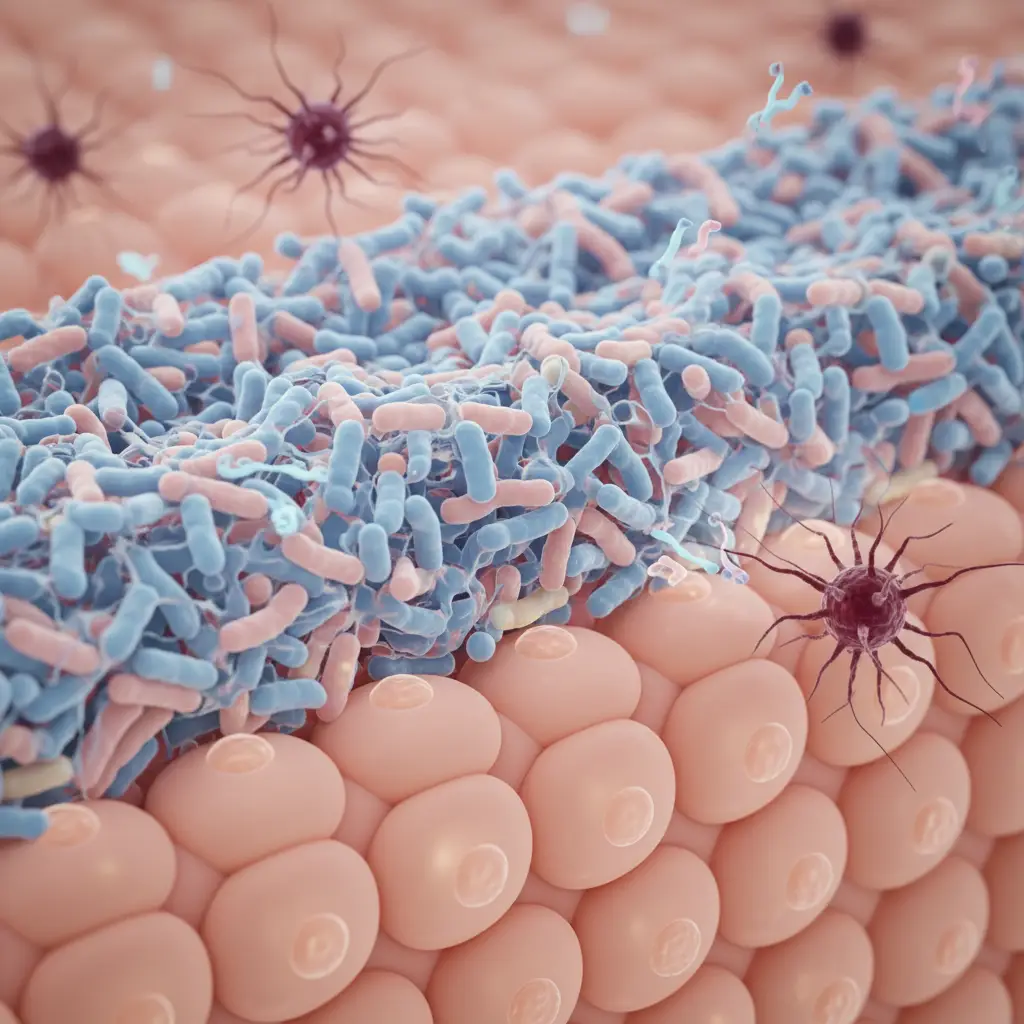
Holistic wellness dictates that skin health is a reflection of gut health. This connection, known as the gut-skin axis, suggests that an imbalanced microbiome (dysbiosis) can lead to systemic inflammation and increased permeability of the gut lining (leaky gut), which in turn exacerbates allergic reactions.
Probiotics and Prebiotics
Incorporating a high-quality probiotic specifically designed for canines can help modulate the immune system. Strains such as Lactobacillus acidophilus and Bifidobacterium animalis have shown promise in reducing allergic symptoms. Prebiotics, such as pumpkin or chicory root, feed these good bacteria.
Fermented Foods
For a natural approach, small amounts of fermented vegetables (like plain sauerkraut) or goat milk kefir can be added to the dog’s meals. These foods provide a diverse range of beneficial bacteria and enzymes that aid in the breakdown of food, ensuring that nutrients like Omega-3s and Quercetin are effectively absorbed.
By combining specific dietary changes, utilizing the power of New Zealand’s unique flora and fauna, and addressing the internal microbiome, pet owners can provide profound relief for their companions. These itchy dog natural remedies offer a sustainable path away from chronic steroid use and toward genuine, long-lasting wellness.
What can I give my dog for severe itching naturally?
For severe itching, a combination of Quercetin (a natural antihistamine) and Bromelain is highly effective. Additionally, topical relief using a 50/50 mix of Apple Cider Vinegar and water can stop the itch-scratch cycle immediately. Long-term, adding Omega-3 fatty acids from fish or algae oil is crucial.
Is Apple Cider Vinegar good for itchy dogs?
Yes, Apple Cider Vinegar (ACV) is excellent for restoring the skin’s pH balance and fighting yeast infections, which often cause itching. Always dilute ACV with water (1:1 ratio) before applying it to your dog’s skin, and never apply it to open wounds.
How do I know if my dog’s itch is food-related?
Food allergies often present with non-seasonal itching, chronic ear infections, and gastrointestinal issues like soft stools. If the itching remains constant regardless of the season, a food intolerance to proteins like chicken or beef is a likely culprit.
What is a natural antihistamine for dogs?
Quercetin is widely considered the best natural antihistamine for dogs. It stabilizes mast cells to prevent histamine release. It is often found in supplements combined with Bromelain and Vitamin C to enhance absorption and efficacy.
Can I put coconut oil on my dog’s itchy skin?
Yes, coconut oil has antibacterial and antifungal properties owing to its lauric acid content. It can soothe dry, itchy skin and is safe if licked. However, for yeast-based itching, it should be used with caution, as some holistic practitioners believe the fat can feed yeast.
Does baking soda stop itching on dogs?
Baking soda can help soothe localized itching and insect bites. Creating a thick paste with baking soda and water and applying it to the affected area for 15 minutes can draw out toxins and reduce inflammation. It is a good temporary fix for hot spots.