Navigating Rongoā Māori safely requires a deep understanding of its traditional applications, potential interactions with conventional medicines, and responsible preparation. Essential considerations include specific herb interactions like Kawakawa with blood thinners, mitigating liver toxicity through proper preparation, adjusting dosages for vulnerable populations like children and the elderly, and the critical role of reporting adverse reactions to CARM for ongoing safety monitoring.
Rongoā Māori, the traditional Māori system of healing, encompasses a holistic approach to health and wellbeing, integrating physical, spiritual, emotional, and mental aspects. Utilising plants, spiritual practices, and traditional bodywork, Rongoā offers profound benefits rooted in centuries of indigenous knowledge. As Rongoā Māori gains increasing recognition and integration into contemporary healthcare landscapes, a robust understanding of its safety parameters, particularly concerning potential drug interactions, becomes paramount. This comprehensive guide aims to illuminate the critical aspects of safety and drug interactions within Rongoā Māori, providing authoritative insights for both practitioners and individuals seeking holistic care.
Understanding Rongoā Māori and Its Safety Principles
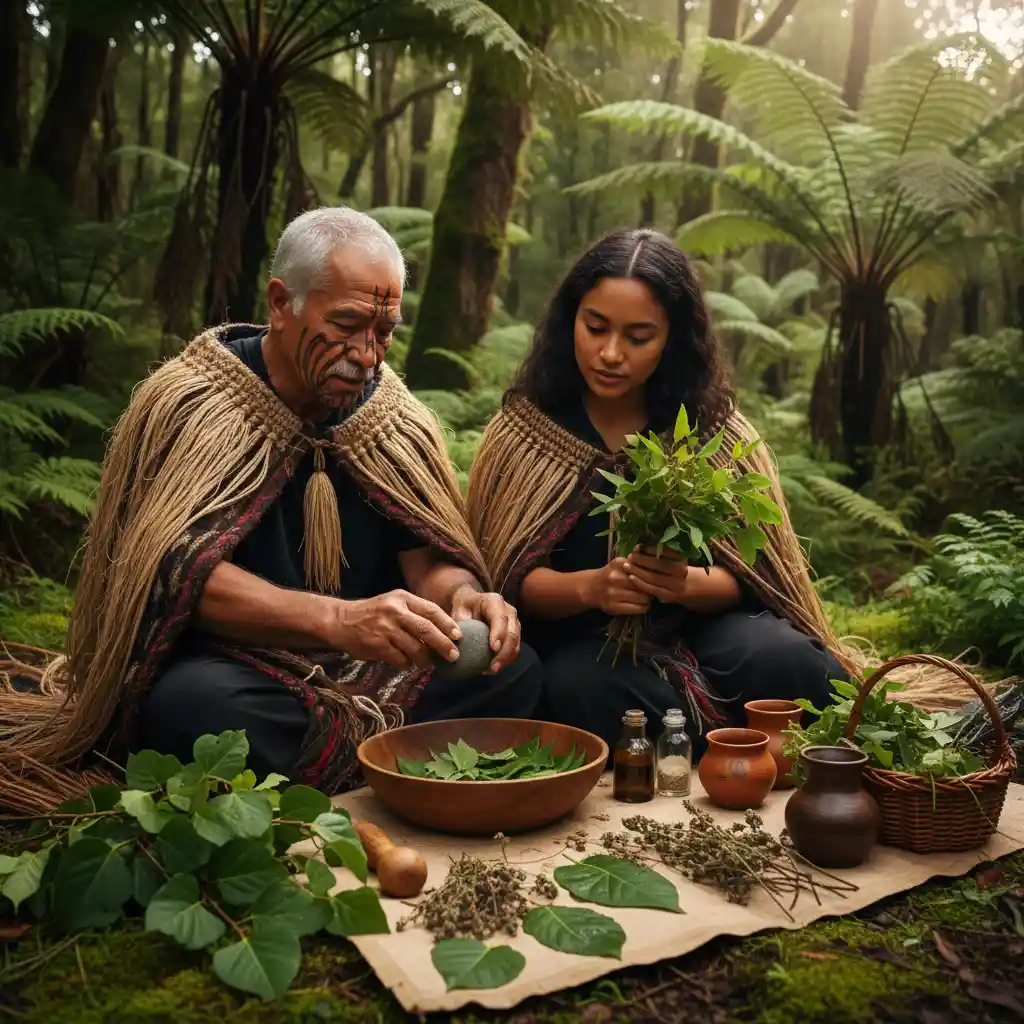
The foundation of Rongoā Māori lies in its profound connection to the natural world (te taiao) and the spiritual realm (te ao wairua). Practitioners, known as Tohunga Rongoā or Mātanga Rongoā, possess deep knowledge passed down through generations, encompassing plant identification, preparation methods, and the appropriate application of various remedies. This system is inherently designed with safety in mind, guided by principles of balance (manaakitanga), respect (whanaungatanga), and spiritual integrity (wairuatanga).
In a modern context, as more individuals explore integrative health approaches, it becomes crucial to bridge traditional wisdom with contemporary scientific understanding. While Rongoā Māori remedies are generally considered safe when prepared and administered by experienced practitioners, the active biochemical compounds within the plants can interact with pharmaceutical drugs or impact physiological processes. Therefore, transparency, informed consent, and open communication between patients, Rongoā practitioners, and conventional healthcare providers are indispensable.
The concept of safety in Rongoā is not merely about avoiding adverse effects but also about ensuring the holistic efficacy of the treatment, respecting the individual’s unique health profile, and aligning with their existing health management strategies. This integrated approach ensures that the benefits of Rongoā Māori can be realised without compromising other medical treatments or patient wellbeing.
Specific Rongoā Māori Herb Interactions: Kawakawa, Kumarahou, and Blood Thinners
Several Rongoā Māori plants are widely used for their therapeutic properties. However, a responsible approach requires awareness of their potential interactions, particularly with commonly prescribed Western medications. Two significant examples are Kawakawa and Kumarahou, both of which warrant careful consideration, especially when patients are concurrently taking blood thinners or other cardiovascular medications.
Kawakawa and its Potential Interactions
Kawakawa (Macropiper excelsum), often referred to as the ‘Māori pepper tree,’ is one of the most revered and versatile plants in the Rongoā Māori pharmacopoeia. Traditionally, it is used for a wide array of conditions, including inflammation, pain relief, digestive issues, and respiratory ailments. It is frequently prepared as a tea, balm, or poultice. The therapeutic effects of Kawakawa are attributed to its active compounds, including lignans and amides, which possess anti-inflammatory, analgesic, and mild anticoagulant properties.
The mild anticoagulant effect of Kawakawa is a critical point of discussion for individuals on blood-thinning medications. Pharmaceutical blood thinners, such as warfarin, rivaroxaban, dabigatran, apixaban, and clopidogrel, are prescribed to prevent blood clots in conditions like atrial fibrillation, deep vein thrombosis, or after certain surgical procedures. Concomitant use of Kawakawa with these medications could theoretically amplify their anticoagulant effects, increasing the risk of bleeding or bruising. While the extent of this interaction is not extensively studied in clinical trials for Kawakawa specifically, prudence dictates caution. Patients taking any form of blood thinner should consult their medical doctor and Rongoā practitioner before using Kawakawa products.
Furthermore, Kawakawa’s impact on liver enzymes, though generally mild, could potentially affect the metabolism of certain drugs processed by the liver. This broadens the scope of potential interactions, necessitating a holistic view of a patient’s medication regimen.
Kumarahou and Cardiovascular Medications
Kumarahou (Pomaderris kumeraho) is another highly valued Rongoā plant, traditionally used for its detoxifying, expectorant, and diuretic properties. It is commonly prepared as a tonic or tea for respiratory conditions, kidney support, and as a general cleansing agent. The plant’s saponin content contributes to its expectorant action, while its diuretic properties can influence fluid balance within the body.
For individuals on cardiovascular medications, particularly diuretics or antihypertensives (blood pressure medications), the diuretic effect of Kumarahou could be significant. Using Kumarahou alongside prescription diuretics might lead to excessive fluid loss, electrolyte imbalances (such as low potassium), or a synergistic reduction in blood pressure, potentially causing dizziness, lightheadedness, or hypotension. Similarly, for those on blood pressure medications, Kumarahou might further lower blood pressure, requiring careful monitoring to prevent adverse effects.
Patients managing conditions like hypertension, heart failure, or kidney disease with conventional medications must exercise caution. Open discussion with healthcare providers about the use of Kumarahou is essential to avoid potential complications and ensure that all treatments are harmonised for optimal health outcomes. The professional tone throughout these discussions underscores the importance of informed decision-making in integrative health practices.
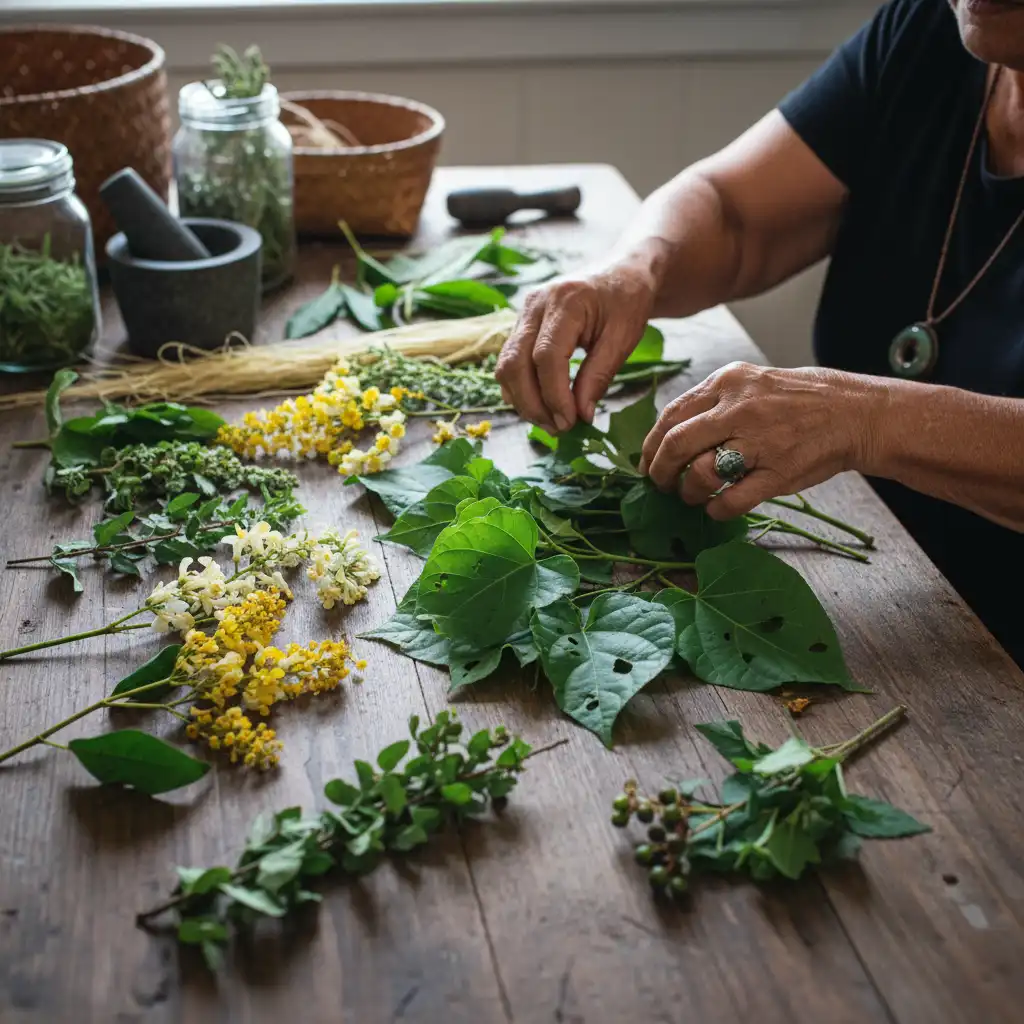
Minimising Liver Toxicity Risks with Rongoā Māori: Importance of Proper Preparation
While Rongoā Māori plants are natural, ‘natural’ does not always equate to ‘harmless.’ Just as with pharmaceutical drugs, improper preparation or excessive dosage of certain herbal remedies can pose risks, including liver toxicity. The liver is the primary organ responsible for metabolising both endogenous and exogenous substances, making it vulnerable to harm from incorrectly used compounds.
The key to mitigating liver toxicity risks in Rongoā Māori lies profoundly in the authenticity and knowledge of its preparation. Traditional Rongoā practice emphasizes precise methods of harvesting, processing, and administering plant medicines, often involving specific prayers (karakia), timings, and concentrations. Deviations from these traditional methods, particularly by untrained individuals, can inadvertently alter the biochemical profile of the remedy, concentrating potentially harmful compounds or failing to neutralise them.
For instance, some plants, if not prepared correctly, might contain compounds that are innocuous in small, diluted, or traditionally processed forms but become hepatotoxic (liver-toxic) when concentrated or extracted improperly. The concept of ‘dosage’ in Rongoā is not merely about quantity but also about the plant’s spiritual essence, its appropriate application, and the individual’s specific needs (kaupapa). A true Mātanga Rongoā understands these nuances, ensuring that remedies are not only effective but also safe for the individual’s constitution and existing health status.
Furthermore, the sourcing of plants is critical. Plants harvested from contaminated environments (e.g., areas exposed to pesticides or heavy metals) can introduce toxins into the remedy. Authentic Rongoā practice involves respectful and sustainable harvesting from pristine environments, reinforcing the overall safety and efficacy of the medicine. The absence of stringent regulatory oversight for traditional herbal medicines in some jurisdictions means that the onus often falls on the consumer to seek out reputable practitioners and ask about their sourcing and preparation methods.

Tailoring Rongoā Māori Dosages: Considerations for Children and the Elderly
Dosage individualisation is a cornerstone of safe and effective Rongoā Māori practice, particularly for vulnerable populations such as tamariki (children) and kaumātua (the elderly). Their unique physiological characteristics necessitate a more cautious and tailored approach compared to healthy adults.
Dosage for Tamariki (Children)
Children’s bodies are not simply smaller versions of adults’ bodies; their metabolic pathways, organ functions, and immune systems are still developing. This makes them more susceptible to adverse effects from medicinal substances. For tamariki, Rongoā practitioners typically recommend significantly lower dosages, often highly diluted preparations, or external applications (e.g., balms, baths) rather than internal consumption, depending on the remedy and condition.
For example, a Kawakawa tea for a child might be prepared much weaker or given in smaller, more frequent sips. The rationale is to introduce the healing properties gently, allowing the child’s body to respond without being overwhelmed. Any Rongoā administered to children should always be under the direct guidance of a highly experienced and trusted Mātanga Rongoā and, ideally, in consultation with their pediatrician or primary care provider, especially if the child has existing health conditions or is on medication.
Dosage for Kaumātua (Elderly)
Elderly individuals often present with complex health profiles, including multiple chronic conditions (comorbidities) and polypharmacy (the use of multiple medications). Physiological changes associated with aging, such as reduced liver and kidney function, slower metabolism, and altered drug distribution, can affect how their bodies process and respond to herbal remedies. This increases the risk of drug interactions and accumulation of substances.
For kaumātua, a ‘start low, go slow’ approach is prudent. Initial dosages should be minimal, with careful monitoring for any signs of adverse reactions or interactions with existing medications. Rongoā practitioners will consider the individual’s overall health, medication list, and lifestyle factors. The goal is to provide therapeutic benefit without adding undue burden to already compromised systems. Open communication between the kaumātua, their whānau (family), Rongoā practitioner, and medical doctor is paramount to ensure comprehensive and safe care.
In both cases, the emphasis is on a highly personalised assessment (tātaiako) and a conservative approach to dosage, always prioritising the safety and wellbeing of these vulnerable populations.
Reporting Adverse Reactions: The Role of CARM in Rongoā Māori Safety
The Centre for Adverse Reactions Monitoring (CARM) plays a vital role in post-market surveillance of medicines and health products in New Zealand. While its primary focus has historically been on pharmaceutical drugs, CARM also collects reports on adverse reactions attributed to herbal medicines, including Rongoā Māori. This reporting mechanism is crucial for identifying potential safety signals, understanding the real-world impact of remedies, and ultimately enhancing public health.
Encouraging the reporting of suspected adverse reactions to Rongoā Māori is a collective responsibility shared by patients, their whānau, Rongoā practitioners, and conventional healthcare professionals. Even if an interaction or side effect is mild, reporting it contributes to a broader database that can help identify patterns, inform safety guidelines, and facilitate a better understanding of Rongoā Māori in the wider health system.
How to report to CARM:
- For Patients and Whānau: If you suspect an adverse reaction from Rongoā Māori, you can discuss it with your Rongoā practitioner or medical doctor. They can submit a report on your behalf, or you can submit one yourself directly through the CARM website (www.carm.org.nz). It’s helpful to provide as much detail as possible, including the specific Rongoā plant or preparation used, the dosage, the nature of the reaction, and any other medications being taken concurrently.
- For Practitioners: Both Rongoā practitioners and medical doctors are encouraged to report any suspected adverse reactions. This professional vigilance is essential for strengthening the safety profile of Rongoā Māori and fostering a collaborative approach to patient care. Reporting helps bridge the knowledge gap between traditional practices and modern pharmacovigilance.
The data collected by CARM contributes to a growing body of evidence that can inform safe practices, highlight areas requiring further research, and ultimately support the responsible integration of Rongoā Māori into the broader healthcare landscape of Aotearoa New Zealand. By actively participating in this monitoring process, we contribute to the safety and longevity of Rongoā Māori as a respected and effective healing modality.

Conclusion: Embracing Rongoā Māori with Informed Safety Practices
Rongoā Māori offers a rich and profound pathway to holistic health and wellbeing, deeply rooted in indigenous knowledge and spiritual connection. As its recognition and use expand, particularly within integrative health contexts, a rigorous and professional commitment to safety, especially regarding potential drug interactions, liver toxicity, and appropriate dosing, is non-negotiable.
The insights shared regarding Kawakawa, Kumarahou, and their interactions with blood thinners and cardiovascular medications highlight the necessity of cautious, informed use. The emphasis on proper preparation by knowledgeable Mātanga Rongoā is crucial for preventing liver toxicity risks, reinforcing that the efficacy and safety of Rongoā are intrinsically linked to authentic traditional practices. Furthermore, tailoring dosages for vulnerable populations like tamariki and kaumātua demonstrates a commitment to individualised, responsible care.
Finally, the critical role of reporting adverse reactions to CARM cannot be overstated. This mechanism serves as a vital bridge between traditional practices and modern pharmacovigilance, ensuring that Rongoā Māori continues to evolve as a safe, respected, and effective healing system. By fostering open communication, seeking expert guidance, and embracing a culture of vigilance, individuals can confidently and safely integrate the profound wisdom of Rongoā Māori into their health journeys, honouring both tradition and contemporary safety standards.
People Also Ask (PAA)
Can Rongoā Māori be taken with prescription medications?
It is generally not recommended to take Rongoā Māori concurrently with prescription medications without consulting both a qualified Rongoā practitioner and your medical doctor. Many Rongoā plants contain active compounds that can interact with pharmaceutical drugs, potentially altering their effects or increasing the risk of adverse reactions. Open communication with both healthcare providers is crucial for safe integrative care.
What Rongoā Māori herbs should be avoided if I am on blood thinners?
If you are on blood thinners (anticoagulants or antiplatelets), specific Rongoā Māori herbs such as Kawakawa should be used with extreme caution or avoided. Kawakawa has mild anticoagulant properties that could potentially enhance the effects of your prescribed medication, increasing the risk of bleeding. Always consult your medical doctor and Rongoā practitioner before using any herbal remedies.
How can I ensure the Rongoā Māori I use is safe and properly prepared?
To ensure safety, always seek Rongoā Māori from reputable and experienced Mātanga Rongoā (expert practitioners) who adhere to traditional preparation methods. Inquire about the sourcing of their plants to ensure they are harvested ethically and from clean environments. Proper preparation is critical to avoid potential toxicity and ensure the remedy’s efficacy.
Are Rongoā Māori remedies safe for children and the elderly?
Rongoā Māori can be safe for children (tamariki) and the elderly (kaumātua) when administered by an experienced practitioner with careful dosage adjustments. These populations are more sensitive to medicinal substances. Dosages for children are typically much lower and diluted, while the elderly require consideration for their overall health, existing medications, and metabolism. Always consult an expert practitioner.
What are the signs of a potential adverse reaction to Rongoā Māori?
Signs of a potential adverse reaction to Rongoā Māori can vary widely but might include allergic reactions (rashes, itching), digestive upset (nausea, vomiting, diarrhoea), dizziness, headaches, or unusual changes in energy levels or sleep. If you experience any concerning symptoms after taking Rongoā Māori, discontinue use and seek advice from your Rongoā practitioner or medical doctor immediately.
How do I report an adverse reaction to Rongoā Māori to CARM?
You can report a suspected adverse reaction to Rongoā Māori directly to the Centre for Adverse Reactions Monitoring (CARM) via their website (www.carm.org.nz). You can also ask your Rongoā practitioner or medical doctor to submit a report on your behalf. Providing detailed information about the remedy, dosage, and reaction is important for effective monitoring and public safety.