
Maramataka for gardening and harvesting is the traditional Māori system of aligning cultivation and gathering activities with lunar energy cycles to ensure optimal potency and sustainability. By tracking the moon’s phases, practitioners identify high-energy days for collecting aerial plant parts, grounding days for root harvesting, and critical rest periods (Korekore) where harvesting is avoided to protect both the plant’s mauri (life force) and the harvester’s safety.
Introduction
In the realm of New Zealand native herbalism, the timing of a harvest is just as critical as the identification of the plant itself. For centuries, Māori tohunga (experts) and gardeners have relied on the Maramataka—the traditional Māori lunar calendar—to guide their interactions with the natural world. This sophisticated system of timekeeping does not merely track the days; it maps the flow of energy, or mauri, as it waxes and wanes through the environment.
Using the Maramataka for gardening and harvesting is not a superstition; it is an observation of environmental cues, tidal flows, and sap movement within plants. Just as the moon exerts a gravitational pull on the oceans to create tides, it influences the moisture content and energy distribution within flora. For the modern practitioner of Rongoā Māori (traditional medicine) or the home gardener, understanding these cycles is the key to safe harvesting. It ensures that the medicine collected is at its most potent, the food is at its most nutritious, and, crucially, that the environment is respected and allowed time to regenerate.

Safe harvesting goes beyond physical safety; it encompasses spiritual safety and ecological sustainability. By adhering to the Maramataka, we learn when to take, when to give back, and when to simply observe. This guide explores the nuances of the lunar cycle, providing a comprehensive framework for aligning your gardening and harvesting practices with the ancient rhythms of the land.
Understanding the Maramataka: More Than a Calendar
The word Maramataka literally translates to “the moon turning.” Unlike the solar Gregorian calendar, which is rigid and linear, the Maramataka is cyclical and responsive to the environment. It divides the lunar month (roughly 29.5 days) into distinct phases, each carrying a specific energy profile that dictates the appropriateness of various activities, from fishing and planting to meeting and resting.
The Science of Sap Flow
From a botanical perspective, the efficacy of the Maramataka for gardening and harvesting aligns closely with the principles of lunar gardening used globally. The gravitational pull of the moon affects soil moisture and the movement of sap within plants.
- Waxing Moon: As the moon grows towards fullness, light increases and sap flow is drawn upwards into the stems, leaves, and flowers. This is a period of high growth and vitality.
- Waning Moon: As the moon decreases in light, the gravitational pull shifts, and energy descends. Sap moves down towards the root systems, making this the ideal time for root development and soil stewardship.
However, the Māori system adds layers of nuance regarding productivity versus unpredictability. Not every day of the waxing moon is good for harvesting. Some days are dedicated to the ocean (Tangaroa), while others are marked by wind or erratic energy, requiring caution.
High Energy Days: Harvesting Leaves and Flowers
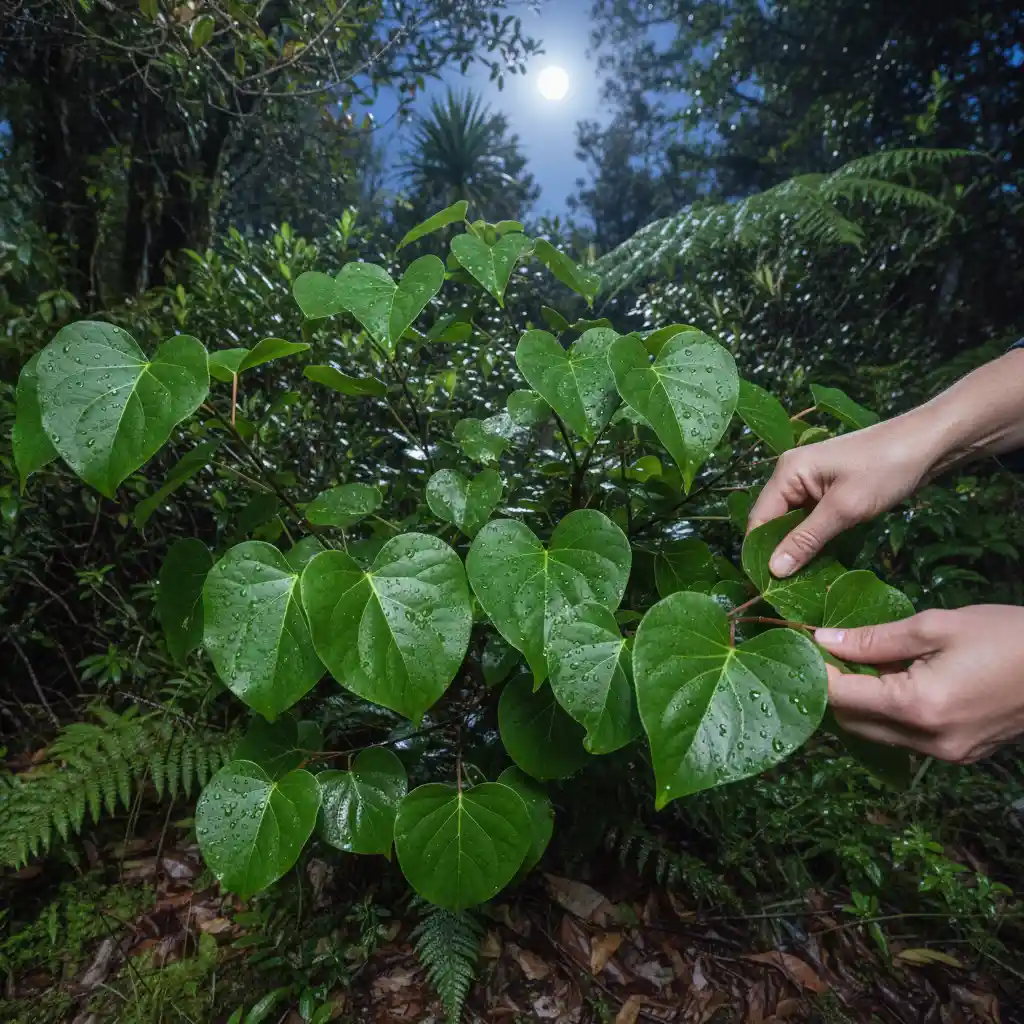
When the moon is approaching its fullest, and immediately after, the energy in the forest (Te Wao Nui a Tāne) is at its peak. These are the days when the sap is high, carrying nutrients, medicinal alkaloids, and essential oils into the aerial parts of the plant. If you are harvesting Rongoā such as Kawakawa leaves, Kūmarahou, or gathering fruit, these are the optimal phases.
The Rākaunui Phase (Full Moon)
Rākaunui represents the full moon. The night is bright, and the energy is expansive. In the context of Maramataka for gardening and harvesting, this is often considered the time of highest abundance.
During Rākaunui and the days surrounding it (such as Rākaumatohi), the water table is high, and plants are turgid with moisture. Foliage harvested at this time resists wilting longer and contains the maximum concentration of active constituents. For gardeners, this is the time to plant crops that produce above ground, such as tomatoes, beans, and leafy greens.
The Tangaroa Phase
The Tangaroa nights usually occur in the last quarter of the moon’s cycle (though this varies by iwi/tribe dialect). While Tangaroa is the god of the ocean, these days are known for productivity and fruitfulness. The energy is industrious. It is an excellent time for planting and active gardening. Harvesting done during Tangaroa phases is often blessed with longevity; herbs dried during this period tend to retain their color and potency exceptionally well.
Key Safe Harvesting Tips for High Energy Days:
- Focus on Aerials: Prioritize leaves, flowers, seeds, and fruits.
- Morning Harvest: Despite the lunar influence, the best time of day remains the early morning after the dew has dried but before the sun is at its zenith.
- Gratitude: The abundance of these days requires a reciprocal acknowledgment. Always leave more than you take to ensure the plant can recover during the waning phases.
Whiro and the Deep Roots: Harvesting Below Ground
As the moon wanes completely and the night sky turns black, we enter the phase of Whiro (the New Moon). Whiro is often associated with darkness and the underworld, but in the context of cultivation, it represents the deep earth.
The Descent of Energy
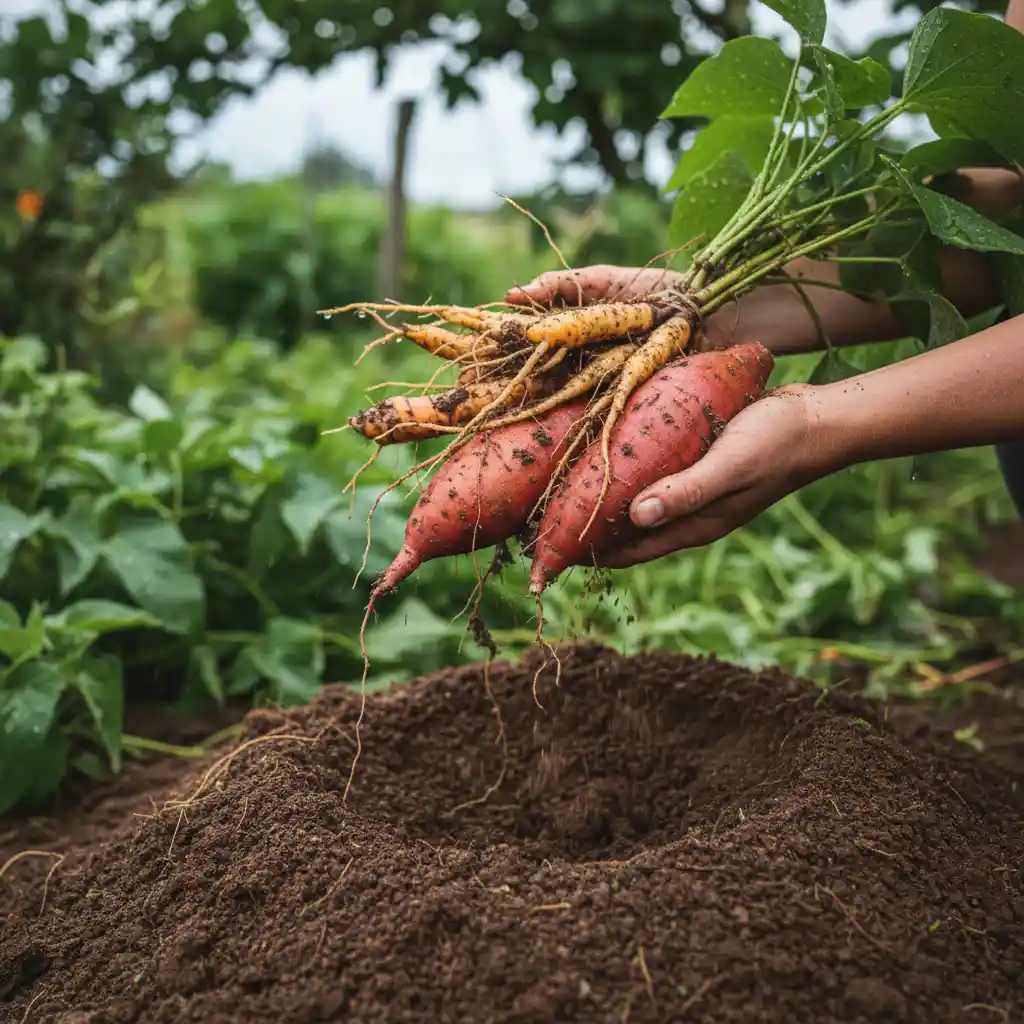
During the dark moon phases, the lunar light is absent, and the sap flow descends into the root systems. This is the time when the earth breathes in. For the harvester, this is the safest and most effective time to gather roots (pūtake), rhizomes, and tubers. The medicinal potency of plants like Harakeke (flax) roots or the culinary value of Kūmara is concentrated underground.
Harvesting roots during the full moon would result in a product with lower density and higher water content, prone to rotting. Harvesting during Whiro ensures a dense, nutrient-rich root that stores well.
Weeding and Soil Care
Because the energy is focused on the roots, Whiro is also the premier time for weeding. Weeds pulled during this phase are less likely to regrow because their root systems are disturbed when they are most active, yet the lack of moonlight inhibits immediate foliage regeneration. It is a time for working with the soil, adding compost, and mulching.
The Korekore Days: When to Rest and Abstain
Perhaps the most critical aspect of Maramataka for gardening and harvesting is knowing when not to work. The Korekore phases (translating roughly to “nil” or “nothing”) are days of low energy, unpredictability, and necessary rest. Ignoring these days is a common mistake that can lead to poor harvests, accidents, or damage to the plant’s mauri.
Why We Don’t Harvest During Korekore
The Korekore days are characterized by a lack of productivity. In traditional fishing, these were days when the fish would not bite. In the garden, seeds planted now are likely to fail or produce weak seedlings. For the harvester, the energy of the plant is in flux or dormant.
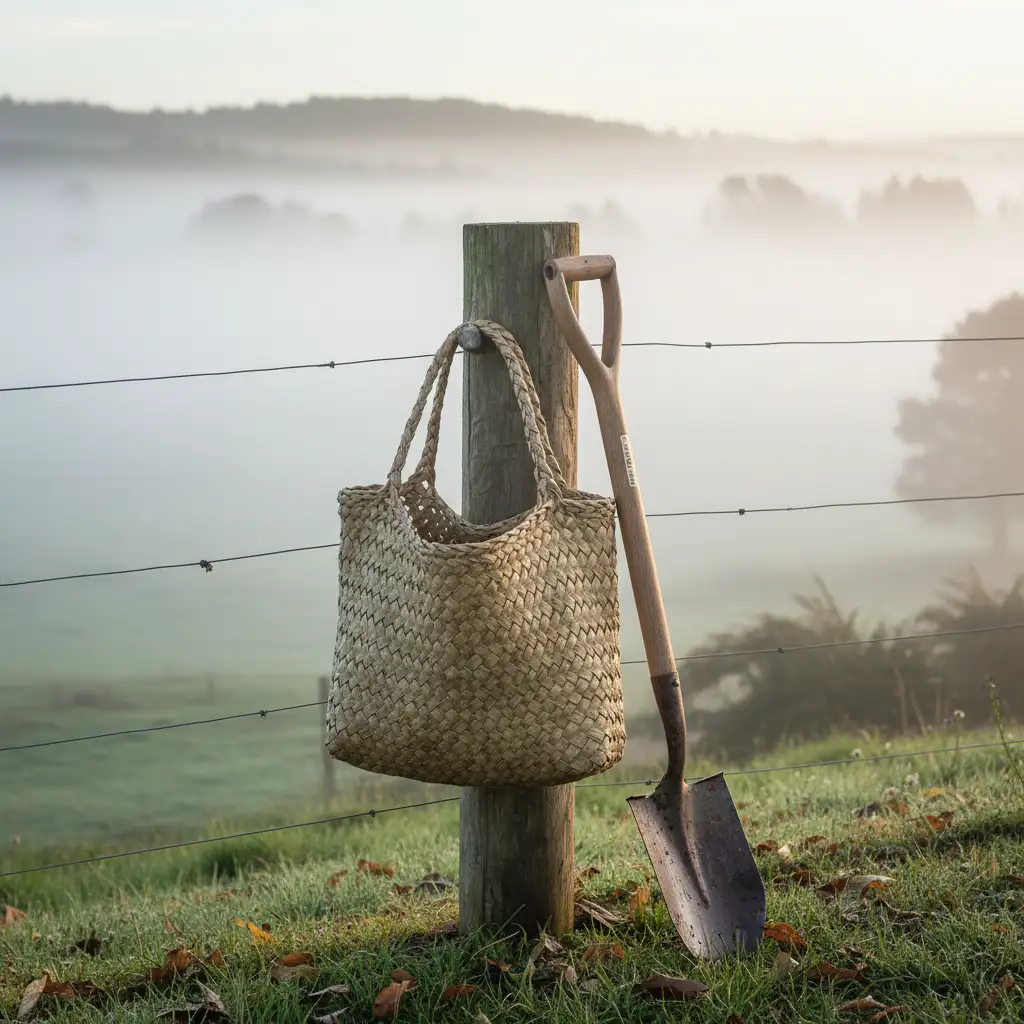
More importantly, these days serve as an environmental safeguard. If humans harvested continuously, nature would never recover. The Korekore days enforce a mandatory conservation period. It is a time to repair tools, plan, study, and allow the forest to simply be.
The Psychological Aspect of Rest
In a modern world that glorifies constant productivity, the Maramataka teaches us the value of the pause. Safe harvesting includes the safety of the harvester. Attempting to work against the prevailing energy can lead to frustration and physical fatigue. The Korekore days remind us that we are part of the cycle, not masters of it.
Tikanga and Safety: Protocols Beyond the Moon
While the Maramataka provides the timing, Tikanga (protocol) provides the method. Safe harvesting in the New Zealand native tradition is deeply rooted in respect. The moon might be in the perfect phase, but if the Tikanga is ignored, the harvest is considered unsafe.
Karakia (Incantation/Prayer)
Before entering the harvesting space, it is customary to recite a karakia. This serves to center the harvester, clearing the mind of distractions and setting a clear intention. It acknowledges the Tāne (god of the forest) and asks permission to harvest.
The Rule of Sustainability
A fundamental rule of safe harvesting is never to take the first or the last. The first plant you see is an indicator that the species is present; you leave it to ensure the lineage continues. You harvest from the abundance found subsequently. Furthermore, you never strip a plant bare. In the case of Harakeke, the “rito” (baby) and “awhi rito” (parents) leaves in the center are never cut; only the “tupuna” (grandparent) outer leaves are harvested. This ensures the plant’s survival.
Applying Maramataka to Modern Gardening
Integrating the Maramataka for gardening and harvesting into a modern lifestyle does not require you to be a tohunga, but it does require observation. Here is a practical framework for getting started:
- Get a Local Dial: Maramataka varies slightly between Iwi (tribes) due to geographical differences in how the moon is sighted. Purchase a calendar relevant to your local area in New Zealand.
- Observe Before Acting: Before you grab the spade, look at the moon. Check your calendar. Ask yourself: “Is the energy rising or falling?”
- Keep a Journal: Modern horticulture is rediscovering what ancients knew. Keep a diary of your harvest yields. You will likely notice that herbs picked on Rākaunui dry better and smell stronger than those picked on Korekore days.
- Respect the Rest: Schedule your heavy labor for high-energy days and use the low-energy days for planning or maintenance. This prevents burnout.
Conclusion
Safe harvesting is a holistic concept. It combines the astronomical precision of the Maramataka with the spiritual groundedness of Tikanga. By utilizing the Maramataka for gardening and harvesting, we move from being consumers of nature to participants in its rhythm. We learn that there is a time for action and a time for stillness, a time for the leaf and a time for the root.
Embracing this guide allows us to access the full potency of New Zealand’s flora while ensuring that these treasures remain abundant for generations to come. Whether you are cultivating a vegetable patch or gathering Rongoā for healing, let the moon be your guide.
What is the best moon phase for planting kumara?
The best time for planting kumara is generally during the waxing moon phases, specifically approaching the full moon (Rākaunui) or during the productive Tangaroa nights. These phases support strong root establishment and vigorous growth.
Can I weed my garden during the full moon?
While you can, it is not the most efficient time. Weeding is best done during the Whiro (New Moon) or waning phases. Pulling weeds when the sap is descending and the light is low discourages them from regrowing quickly.
What are the Korekore days in the Maramataka?
Korekore days are low-energy periods in the lunar cycle associated with rest and non-productivity. In gardening and harvesting, these are days to abstain from planting or gathering, as yields are poor and nature requires time to regenerate.
How does Maramataka differ from the Gregorian calendar?
The Gregorian calendar is a solar calendar based on the earth’s revolution around the sun, focusing on fixed dates. The Maramataka is a lunar-stellar calendar based on the cycles of the moon and stars, focusing on energy flow, environmental cues, and seasonal rhythms.
Is it safe to harvest rongoā (medicine) at night?
Generally, harvesting is done in the morning after the dew has lifted. However, specific protocols may vary. The primary concern is harvesting during the correct lunar phase and maintaining proper Tikanga (respect/prayer), rather than the specific hour of darkness, though daylight ensures better visual identification.
What does “Tangaroa” mean in the context of gardening?
In the Maramataka, Tangaroa phases are productive days named after the god of the ocean. While highly auspicious for fishing, they are also considered excellent days for planting and harvesting due to the industrious energy present in the environment.


