
The Rongoā Māori health hub provides an authoritative resource for understanding traditional Māori healing. This comprehensive guide covers modern applications, navigates compliance with New Zealand’s Therapeutic Products Act, offers condition-specific insights for women’s and autoimmune health, and reviews evidence-based uses of native New Zealand supplements, ensuring a culturally informed and professionally curated exploration.
Understanding Rongoā Māori in the Modern Era
Rongoā Māori, the traditional health and healing system of the Māori people of New Zealand, offers a profound, holistic approach to well-being deeply rooted in generations of ancestral knowledge. Far from being a relic of the past, Rongoā Māori is experiencing a significant resurgence and integration into contemporary health landscapes. It encompasses a broad spectrum of practices, including mirimiri and romiromi (bodywork), karakia (prayer), waiata (song), and the use of rākau rongoā (medicinal plants). At its core, Rongoā Māori acknowledges the interconnectedness of all living things and the environment, advocating for balance across the physical (taha tinana), mental/emotional (taha hinengaro), spiritual (taha wairua), and family/social (taha whānau) dimensions of health, collectively known as ‘Hauora’.
In today’s complex health environment, where there is an increasing demand for natural, culturally resonant, and holistic therapies, Rongoā Māori stands as a powerful testament to the efficacy of indigenous knowledge systems. Its application extends beyond mere symptom management, focusing instead on restoring harmony and addressing the root causes of imbalance. As New Zealand grapples with chronic health conditions and the desire for more person-centred care, the principles and practices of Rongoā Māori provide invaluable pathways to wellness, offering profound insights and practical solutions for a diverse population.
Rongoā Māori Applications: Bridging Tradition and Contemporary Wellness
The core principles underpinning Rongoā Māori practices are fundamental to understanding its effectiveness and unique contribution to health. These include Wairua (spirit/soul), Mana (prestige/authority), Tapu (sacredness/restricted), Mauri (life force), and Hauora (holistic well-being). A Rongoā practitioner, or tohunga rongoā, works with these concepts to address imbalances, often engaging in a profound spiritual and physical connection with the patient (tūroro) and the natural world.
Traditional Rongoā applications are diverse. Mirimiri and romiromi, forms of traditional Māori massage, are not merely physical manipulations but are deeply spiritual practices aimed at releasing blockages, promoting circulation, and restoring the flow of mauri. These practices are often accompanied by karakia (prayer or incantation) to invoke spiritual guidance and healing energies. Rākau rongoā, the medicinal plants, are prepared and administered in various forms, such as infusions, poultices, and balms, each carefully selected for its specific healing properties and often harvested according to strict tikanga (protocols) that respect the plant’s mauri.
In contemporary settings, Rongoā Māori is being applied to address a wide array of health challenges. For instance, the calming and anti-inflammatory properties of plants like Kawakawa make them valuable for stress reduction and managing everyday aches. The holistic approach addresses mental well-being by fostering a sense of cultural connection and belonging, which can be particularly therapeutic for Māori navigating a Western healthcare system. Immune support is another key area, with various native plants traditionally known for their cleansing and strengthening properties. The integration of Rongoā Māori often involves working alongside Western medical professionals, creating a truly integrative health pathway that prioritises cultural safety and patient choice. This collaborative model ensures that patients receive comprehensive care that honours both traditional and scientific understandings of health, leading to more profound and sustainable wellness outcomes.

Navigating the Regulatory Landscape: Rongoā Māori and the Therapeutic Products Act
The Therapeutic Products Act (TPA) and Its Implications
The introduction of the Therapeutic Products Act (TPA) in New Zealand marks a significant shift in the regulation of medicines, medical devices, and natural health products. Designed to ensure the safety, quality, and efficacy of products available to the public, the TPA replaces older, fragmented legislation. For Rongoā Māori, a system deeply embedded in traditional practices and indigenous knowledge, this new regulatory framework presents both challenges and opportunities. The TPA aims to cover products that make therapeutic claims, including many rākau rongoā preparations that are increasingly commercialised. This means that products derived from native plants, when marketed with health claims, will likely fall under the TPA’s purview, requiring manufacturers and practitioners to meet specific standards for manufacturing, labelling, and claims substantiation.
The Act introduces a system of licensing, notification, and compliance, which can be complex for small-scale Rongoā practitioners or community groups traditionally operating outside formal regulatory structures. The cost and technical requirements associated with scientific evidence, quality control, and adverse event reporting can be substantial barriers. However, the TPA also provides an opportunity to formalise and protect the integrity of Rongoā Māori products, potentially opening pathways for wider acceptance and integration into the broader health system, provided cultural sensitivities and intellectual property rights are adequately addressed within the regulatory framework. The Act’s focus on consumer safety means that traditional practices must be carefully articulated and understood to ensure their continued practice and protection without being unduly burdened by regulations designed for synthetic pharmaceuticals.
Ensuring Compliance and Cultural Integrity
The pathway to compliance for Rongoā Māori under the TPA is critical for its future. One key area of focus is the recognition of traditional use. The Act has provisions for traditional medicinal products, which could offer a more appropriate regulatory route than treating Rongoā as a conventional pharmaceutical. This pathway would ideally acknowledge centuries of empirical knowledge and cultural practice as valid forms of evidence, rather than solely relying on Western-centric clinical trials.
Ensuring cultural integrity, however, goes beyond mere regulatory compliance. It involves robust protection of Māori intellectual property (IP) and adherence to principles of kaitiakitanga (guardianship). The knowledge, processes, and specific plant varieties used in Rongoā Māori are taonga (treasures) of significant cultural value. Any regulatory framework must work in partnership with Māori, respecting their self-determination and ensuring that commercialisation does not lead to the misappropriation or exploitation of traditional knowledge. This includes establishing appropriate governance structures where Māori voices are central to decision-making regarding Rongoā Māori products. Documentation of traditional knowledge, while vital for substantiation, must be handled with utmost care and respect for tikanga. This balance between modern regulatory demands and the preservation of cultural heritage is paramount for Rongoā Māori to thrive and continue to provide healing benefits in Aotearoa New Zealand.

Condition-Specific Guides: Rongoā Māori for Targeted Health Support
Women’s Health: Supporting Wāhine Ora with Rongoā
Rongoā Māori offers a rich tapestry of practices dedicated to supporting Wāhine Ora, the holistic well-being of women, through all stages of life. From menarche to menopause, traditional Māori healing provides empathetic and effective care, deeply rooted in the understanding of the female body’s natural cycles and its connection to the environment. For menstrual health, rākau rongoā such as Kawakawa (Macropiper excelsum) are frequently utilised in infusions or poultices to alleviate cramping and discomfort due to its anti-inflammatory and antispasmodic properties. Māmaku (Cyathea medullaris, Black Tree Fern) has also been traditionally used for its soothing properties in various forms.
During pregnancy (hapūtanga) and childbirth (whānautanga), Rongoā Māori focuses on preparing the body and spirit for the journey, providing support for both physical and emotional changes. Gentle mirimiri can aid in relaxation and pain management, while specific karakia are offered for protection and strength. Post-birth, Rongoā practices assist in recovery, often including rākau rongoā known for their restorative and cleansing qualities. For menopause (kūropi), the emphasis shifts to managing symptoms such as hot flushes and mood changes through balancing practices and adaptogenic native plants, supporting the body’s transition naturally. The holistic approach also addresses the spiritual and emotional aspects of these life stages, fostering resilience and a deep connection to one’s whakapapa (genealogy) and cultural identity, which are vital components of Māori women’s health.
Autoimmune Conditions: A Rongoā Māori Perspective on Chronic Illness
Autoimmune conditions, characterised by the immune system mistakenly attacking healthy body tissues, present complex challenges in modern medicine. From a Rongoā Māori perspective, such conditions are often viewed as a profound imbalance within the individual’s hauora – a disruption across the physical, mental, spiritual, and social dimensions. The approach to addressing autoimmune issues through Rongoā Māori is inherently holistic, seeking to restore this fundamental balance rather than just suppressing symptoms.
Traditional practitioners might employ a combination of internal and external rongoā. Anti-inflammatory plants are central, such as Kawakawa, which is renowned for its ability to reduce inflammation and pain, often used in teas or applied topically. Kūmarahou (Pomaderris kumeraho) may be used for its cleansing properties, believed to support the body’s detoxification pathways and immune system modulation. Harakeke (Phormium tenax, Flax) can be used externally for its soothing and protective qualities. Beyond plant medicines, mirimiri and romiromi are crucial for improving circulation, reducing stress, and addressing physical manifestations of energetic blockages that are believed to contribute to chronic illness. Stress reduction techniques, karakia, and a focus on dietary changes that align with traditional Māori food practices (kai Māori) are also integral. The emphasis is on strengthening the individual’s mauri and wairua, empowering them to actively participate in their healing journey and cultivate a lifestyle that supports long-term wellness and resilience in the face of chronic conditions.

Evidence-Based Reviews: New Zealand Native Supplements in Focus
Kawakawa (Macropiper excelsum): A Versatile Taonga
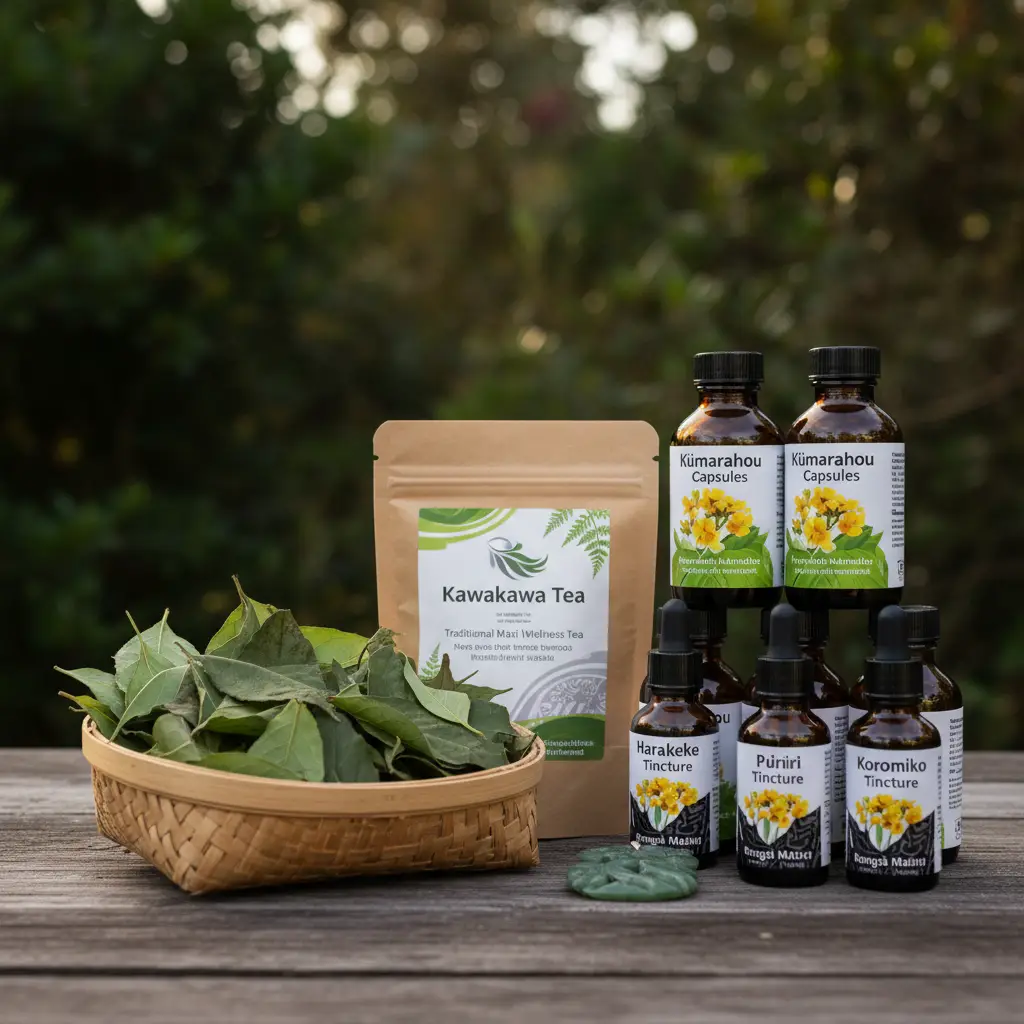
Kawakawa, often called the ‘Māori pepper tree’, is perhaps one of the most revered and widely used rongoā plants. Traditionally, it has been a go-to remedy for a vast array of ailments. Its leaves are commonly chewed or brewed into a tea for internal use, offering relief for digestive issues, colds, flu, and general pain. As a poultice or balm, it’s applied topically to soothe skin irritations, insect bites, bruises, and reduce inflammation from conditions like arthritis.
Modern research has begun to validate many of these traditional uses. Studies have identified compounds in Kawakawa, particularly myristicin and lignans, which contribute to its significant anti-inflammatory, analgesic (pain-relieving), and antimicrobial properties. Its antioxidant activity also supports cellular health and general well-being. Several New Zealand brands now offer Kawakawa in various forms, including teas, tinctures, balms, and capsules. When selecting a product, look for those that specify sustainable harvesting practices and clear indications of the plant parts used (typically leaves). Quality products often highlight their adherence to traditional preparation methods, ensuring the potency and integrity of the rongoā. Consumers report great success with Kawakawa for minor aches, digestive comfort, and as a warming tea during winter months.
Kūmarahou (Pomaderris kumeraho): Respiratory and Detox Support
Kūmarahou is another highly valued native plant, particularly known for its traditional role as a respiratory tonic and blood cleanser. Māori used infusions of Kūmarahou leaves to clear congested airways, alleviate coughs, and support lung health, especially during seasonal illnesses. It was also considered a potent detoxifying agent, believed to cleanse the blood and support liver function.
Scientific investigation into Kūmarahou reveals the presence of saponins, compounds that give the plant its characteristic frothy lather when agitated with water. These saponins are known for their expectorant properties, helping to loosen and expel mucus from the respiratory tract, thus supporting its traditional use for coughs and colds. Emerging research also suggests potential antioxidant and anti-inflammatory activities, further supporting its role in systemic cleansing. Kūmarahou is available in teas, liquid extracts, and sometimes in encapsulated forms. It is generally recommended for short-term use for acute respiratory conditions or as part of a seasonal cleanse. Users typically praise its effectiveness in clearing congestion and promoting a feeling of internal purification. As with all herbal remedies, sourcing from reputable suppliers who respect tikanga and sustainable harvesting is crucial.
Hapūa (Pteridium esculentum): Nutrient Density and Traditional Use
Hapūa, commonly known as bracken fern, holds significant historical and cultural importance as a traditional Māori food source and medicine. The rhizome (underground stem) of the hapūa fern was a staple food, especially during times of scarcity, providing sustenance and essential nutrients. Beyond its caloric value, hapūa was also utilised for its medicinal properties, though less extensively documented than Kawakawa or Kūmarahou in contemporary Rongoā texts.
Nutritionally, hapūa rhizomes are a source of carbohydrates and, traditionally, provided various minerals. Modern scientific interest in ferns as a food source globally highlights their potential for unique bioactive compounds. However, it is important to note that certain species of bracken fern contain thiaminase, an enzyme that can destroy thiamine (Vitamin B1), and ptaquiloside, a carcinogen, if not prepared correctly. Traditional Māori preparation methods involved extensive processing, including pounding and cooking, which is understood to mitigate some of these potential risks. In contemporary supplement form, hapūa is less common than other native plants. Any modern use or supplementation derived from hapūa should be undertaken with careful consideration of its traditional preparation methods and current scientific understanding of its compounds, always prioritising safety and informed choice. For those interested, exploring historical accounts of kai Māori (Māori food) can offer valuable insights into its traditional role.
Embracing a Holistic Future with Rongoā Māori
Rongoā Māori represents more than just a collection of traditional remedies; it is a profound and comprehensive health system that prioritises holistic well-being, cultural connection, and environmental stewardship. As we navigate the complexities of modern health, the timeless wisdom embedded within Rongoā Māori offers invaluable pathways to achieving balance, resilience, and genuine wellness. Its resurgence is a testament to its efficacy and its deep resonance with individuals seeking more natural, culturally respectful, and integrative approaches to health.
The journey forward involves a careful and respectful integration of Rongoā Māori into contemporary health dialogues and regulatory frameworks. This necessitates ongoing dialogue between Māori practitioners, scientists, policymakers, and the wider community to ensure that this invaluable taonga continues to be protected, practiced, and understood for generations to come. By engaging with Rongoā Māori, we not only honour indigenous knowledge but also enrich our collective understanding of what it means to be truly healthy – in body, mind, spirit, and connection to the world around us. This Rongoā Māori health hub serves as a starting point for exploring this vital healing tradition, encouraging a deeper appreciation and respectful engagement with its transformative power.
People Also Ask
What is Rongoā Māori?
Rongoā Māori is the traditional health and healing system of the Māori people of New Zealand. It encompasses a holistic approach to well-being, including spiritual practices (karakia), bodywork (mirimiri, romiromi), and the use of medicinal plants (rākau rongoā) to restore balance across physical, mental, spiritual, and social dimensions of health.
How does the Therapeutic Products Act affect Rongoā Māori?
The Therapeutic Products Act (TPA) in New Zealand aims to regulate all products making therapeutic claims, including many Rongoā Māori products. It requires adherence to standards for safety, quality, and efficacy. The Act presents challenges for traditional practitioners but also offers pathways for formalising Rongoā products, provided cultural integrity and Māori intellectual property rights are protected and respected within the regulatory framework.
Can Rongoā Māori treat autoimmune conditions?
Rongoā Māori approaches autoimmune conditions holistically, seeking to restore overall balance (hauora) rather than just targeting symptoms. Practices like mirimiri, karakia, and specific rākau rongoā with anti-inflammatory or detoxifying properties (e.g., Kawakawa, Kūmarahou) are used to support the immune system, reduce inflammation, and address the spiritual and emotional aspects of chronic illness.
What New Zealand native plants are commonly used in Rongoā?
Some of the most commonly used New Zealand native plants in Rongoā Māori include Kawakawa (Macropiper excelsum) for pain and inflammation, Kūmarahou (Pomaderris kumeraho) for respiratory and cleansing support, and Harakeke (Phormium tenax, Flax) for soothing and healing properties. Each plant is valued for its unique medicinal profile and is harvested and prepared according to tikanga (protocols).
Is Rongoā Māori scientifically supported?
While Rongoā Māori is rooted in traditional knowledge and cultural practices, modern scientific research is increasingly exploring and validating the bioactive compounds and therapeutic properties of native New Zealand plants used in Rongoā. Studies on plants like Kawakawa have confirmed their anti-inflammatory, antimicrobial, and antioxidant effects, bridging traditional wisdom with contemporary scientific understanding.
Where can I find a reputable Rongoā Māori practitioner?
To find a reputable Rongoā Māori practitioner, it is recommended to seek referrals through Māori health organisations, local marae (Māori communal meeting grounds), or established community health trusts. Practitioners should demonstrate a deep understanding of tikanga, whakapapa, and the traditional practices of Rongoā Māori, ensuring culturally safe and effective healing services.