A Rongoā Māori clinical framework represents a comprehensive approach to health that transcends simple herbal medicine, integrating physical, spiritual, and environmental well-being. By shifting from static historical knowledge to a dynamic lifestyle practice, it provides a culturally grounded pathway for healthcare providers to address Māori health inequities through holistic, indigenous-led clinical excellence and spiritual connection.
Introduction to Rongoā Māori: A Holistic Science
Rongoā Māori is often misunderstood by the Western medical gaze as merely a collection of herbal remedies or primitive folklore. In reality, it is a sophisticated, multi-dimensional system of healing that has sustained the Māori people for centuries. It encompasses Rongoā Rākau (plant-based remedies), Mirimiri and Romiromi (manual therapies and bodywork), and Wairuatanga (spiritual healing). Central to this system is the recognition that human health is inextricably linked to the health of the environment, or Te Taiao. A robust Rongoā Māori clinical framework acknowledges that a patient is not a collection of symptoms, but a member of a whānau (family), a descendant of an iwi (tribe), and a part of the natural world.
The Philosophical Foundations of Hauora
To understand the clinical framework, one must first understand Hauora—the Māori concept of health. This is most famously articulated through Sir Mason Durie’s Te Whare Tapa Whā model, which likens health to the four walls of a house: Taha Tinana (physical), Taha Hinengaro (mental), Taha Whānau (social), and Taha Wairua (spiritual). If any wall is weak, the entire structure is compromised. The Rongoā Māori clinical framework uses these pillars as diagnostic and therapeutic guides. Unlike the reductionist approach of Western medicine, which seeks to isolate a single cause for a symptom, Rongoā seeks to restore balance across all four dimensions. This requires the practitioner to look beyond the immediate ailment and consider the patient’s spiritual state, their relationship with their ancestors, and their connection to the land.
The Shift from Static Knowledge to a Dynamic Lifestyle
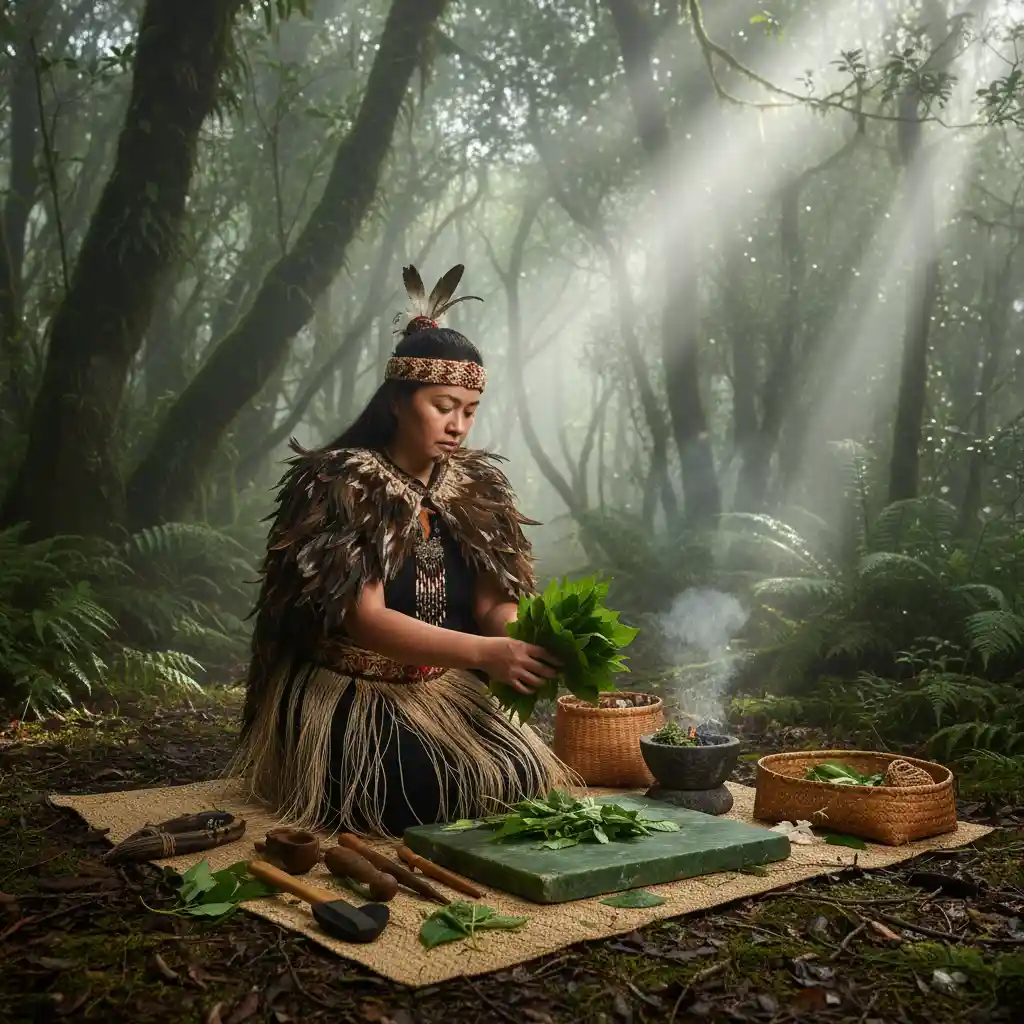
For decades, Rongoā was often treated as a static repository of ancient knowledge—a museum piece of sorts that survived the Tohunga Suppression Act of 1907. However, the modern movement within Māori health is shifting the focus toward Rongoā as a living, breathing lifestyle. This transition is crucial for the efficacy of a Rongoā Māori clinical framework. It moves the practice away from being a reactive treatment (taking a tonic when sick) to a proactive way of living. This lifestyle integration involves daily rituals, dietary choices based on local flora, and a constant awareness of one’s spiritual hygiene. It is about living in a way that prevents the ‘mate’ (sickness) from taking hold by maintaining a high state of ‘mauri’ (life force).
Decolonizing the Clinical Space
The shift toward a lifestyle-based framework is also an act of decolonization. For too long, Māori health has been defined by its deficits and gaps compared to non-Māori populations. By centering Rongoā Māori, the clinical framework shifts the narrative toward indigenous strength and self-determination. In a clinical setting, this means that a practitioner might prioritize a patient’s need to return to their marae (ancestral meeting grounds) as part of their treatment plan, recognizing that cultural disconnection is a primary driver of ill health. This isn’t just ‘culturally sensitive’ care; it is the clinical application of Māori epistemology as a primary health intervention. The framework validates that traditional knowledge is not secondary to science, but a valid science in its own right.
Integrating Rongoā in Modern Healthcare Systems
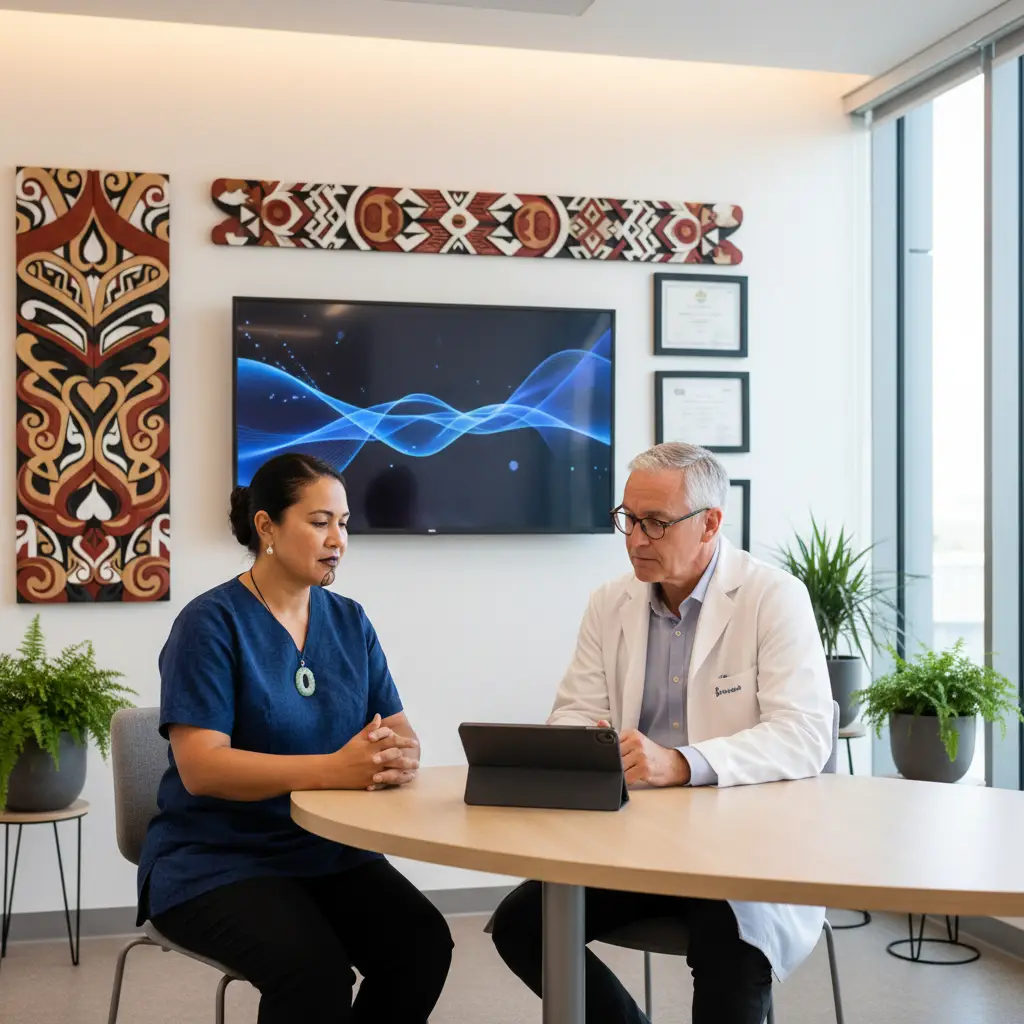
The integration of Rongoā Māori into the broader healthcare system of Aotearoa New Zealand is currently undergoing a radical transformation. With the establishment of Te Aka Whai Ora (the Māori Health Authority), there is now a formal mechanism to fund and support Rongoā services alongside mainstream medicine. A successful Rongoā Māori clinical framework in this context requires a high level of inter-professional collaboration. Doctors, nurses, and specialists must learn to work with Rongoā practitioners (Kaimahi Rongoā) in a relationship of mutual respect. This integration is not about ‘fitting’ Rongoā into a Western box; it is about creating a dual-competency system where the patient has the right to choose the modality that best fits their worldview.
Safety, Ethics, and Professional Standards
As Rongoā Māori becomes more formalized within clinical frameworks, issues of safety and ethics come to the fore. However, the Māori approach to ‘safety’ differs from Western credentialing. In Rongoā, safety is rooted in Whakapapa (lineage) and the mandate given by the community and ancestors. A practitioner’s ‘qualification’ is often their reputation within their iwi and the depth of their connection to the land. A clinical framework must therefore find ways to respect these traditional modes of accountability while ensuring patient safety. This includes protocols for the sustainable harvesting of plants, the ethical use of spiritual knowledge, and the protection of intellectual property rights as outlined in the Wai 262 claim. Professional standards in this framework are defined by ‘Manaakitanga’ (care and hospitality) and ‘Kaitiakitanga’ (guardianship).
Maramataka as a Daily Guide for Clinical Wellness
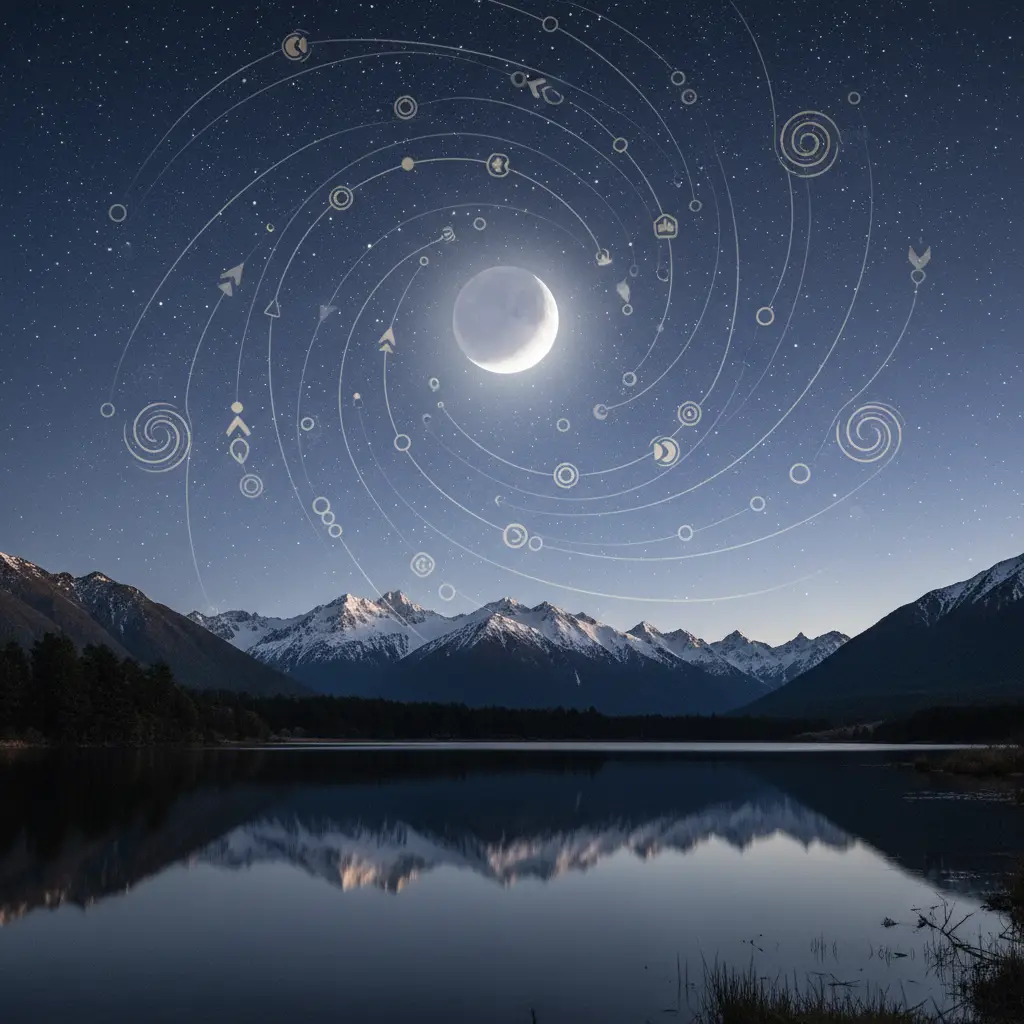
One of the most potent tools within the Rongoā Māori clinical framework is the Maramataka, the traditional Māori lunar calendar. The Maramataka is not just for planting and fishing; it is a sophisticated system for monitoring and managing human energy and behavior. It categorizes days based on the moon’s phase, predicting times of high energy (Huna) and low energy (Whiro). In a clinical sense, the Maramataka provides a roadmap for timing interventions. For instance, some days are better suited for physical activity and surgery, while others are intended for reflection, rest, and spiritual work. Integrating Maramataka into a health framework allows patients to align their recovery with the natural rhythms of the environment.
Managing Energy Cycles in Patient Care
When healthcare providers use the Maramataka, they can better understand the fluctuations in a patient’s mood and physical resilience. A patient might feel particularly vulnerable during a ‘Whiro’ period (new moon), which is a time of low light and inward focus. Conversely, during ‘Rākau-nui’ (full moon), energy levels are high, and the potential for outward-facing activities is maximized. By teaching patients to track their own cycles against the Maramataka, the clinical framework empowers them with a sense of agency. This reduces the feeling of being a passive recipient of care and turns the patient into an active participant in their own ‘Mauri’ management. It is a tool for mental health, chronic pain management, and general wellbeing that costs nothing but requires deep observation and connection to the world around us.
The Future of Māori Health Integration: Towards Autonomy
The future of the Rongoā Māori clinical framework lies in the move toward total health autonomy for Māori. This involves the expansion of Rongoā-led clinics where the entire environment—from the architecture to the intake process—is grounded in Tikanga Māori (customary practices). The goal is to move beyond ‘incorporating’ Rongoā into Western hospitals and instead build systems where Rongoā is the primary framework. This requires a significant investment in workforce development, ensuring that the next generation of Māori practitioners are trained both in their traditional arts and in the navigation of modern clinical systems. This ‘biliteracy’ will be the hallmark of future indigenous health leaders.
A Global Model for Indigenous Health
The work being done in Aotearoa to formalize a Rongoā Māori clinical framework serves as a beacon for indigenous peoples worldwide. As global health systems struggle with the limitations of the biomedical model, the holistic, relationship-based approach of Rongoā offers a sustainable alternative. It emphasizes that health is not a commodity to be bought, but a relationship to be nurtured—with ourselves, our families, and our planet. As we face global environmental crises, the Rongoā principle of ‘Te Taiao’ (the environment) being the ultimate source of health becomes even more critical. The future of medicine is not just in new pills or technologies, but in the recovery of ancient wisdom that understands the interconnectedness of all life.
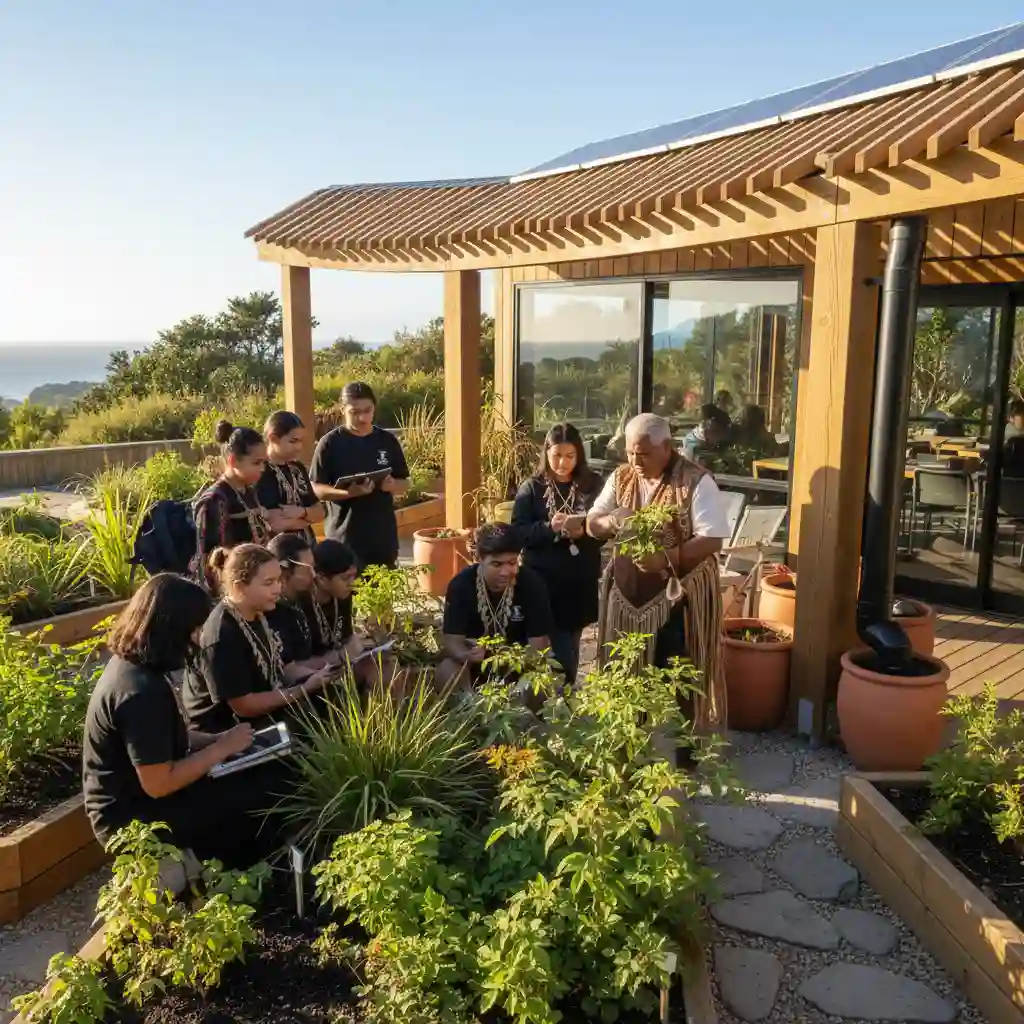
Conclusion: The Living Framework
In summary, the transition from viewing Rongoā Māori as static knowledge to a dynamic clinical framework is essential for the future of healthcare. It is a framework that honors the past while being firmly planted in the needs of the present. By integrating the spiritual, the physical, and the environmental, Rongoā provides a pathway to true healing that Western models often miss. Whether through the application of the Maramataka, the use of Rongoā Rākau, or the deep spiritual work of Mirimiri, this framework offers a more humane, effective, and culturally resonant way of being well. As the healthcare landscape continues to evolve, the principles of Rongoā Māori will remain a cornerstone of health equity and holistic excellence in Aotearoa and beyond.
People Also Ask
What is a Rongoā Māori clinical framework?
It is a structured approach to healthcare that uses traditional Māori healing principles—including plant medicine, bodywork, and spiritual healing—within a professional clinical setting to provide holistic care that addresses physical, mental, and spiritual needs.
How does Rongoā Māori differ from Western medicine?
While Western medicine often focuses on isolating and treating specific physical symptoms, Rongoā Māori is holistic, treating the person as a whole and focusing on the balance between spiritual, environmental, and ancestral connections.
Is Rongoā Māori recognized by the New Zealand government?
Yes, particularly through the Māori Health Authority (Te Aka Whai Ora), which was established to ensure that Rongoā Māori services are funded, supported, and integrated into the national health system alongside mainstream services.
What role does the Maramataka play in healing?
The Maramataka, or Māori lunar calendar, is used to track energy cycles. It guides practitioners and patients on the best times for specific activities, treatments, and rest, aligning human health with natural environmental rhythms.
Can anyone use Rongoā Māori remedies?
While many Rongoā plants are safe for general use, a clinical framework emphasizes consultation with trained practitioners (Kaimahi Rongoā) to ensure the correct application, spiritual protocols, and safety, especially when used alongside other medications.
What is the significance of Wairuatanga in clinical practice?
Wairuatanga, or spirituality, is the foundation of Māori health. In a clinical framework, this means acknowledging that spiritual wellbeing is essential for physical recovery and often involves karakia (prayer) and connection to one’s ancestors.