Rongoā Māori principles represent a holistic healing system rooted in Te Ao Māori (the Māori world), emphasizing the inextricable link between the mind, body, spirit, and environment. At its core, Rongoā is not merely the application of herbal remedies but a practice governed by tikanga (customary protocols) that seeks to restore balance to the mauri (life force) and wairua (spirit) of the patient. To practice Rongoā effectively, one must adhere to the sacred laws of tapu and noa, ensuring that healing honors the connection between the land (Papatūānuku) and the people (tangata whenua).
The Holistic Nature of Rongoā Māori
Rongoā Māori is frequently misunderstood as simply “Māori herbal medicine.” While the use of native flora (rākau) is a significant component, defining it solely by its physical application diminishes its profound depth. Rongoā is a comprehensive system of healing that predates European arrival in Aotearoa, designed not just to treat symptoms but to address the root causes of imbalance within an individual and their whānau (family).
In the Western medical paradigm, a patient presenting with a skin condition might receive a topical cream. In Rongoā Māori, the practitioner (healer) looks beyond the physical manifestation. They inquire into the patient’s spiritual well-being, their family relationships, and their connection to the land. This approach aligns closely with the Te Whare Tapa Whā model of health, which visualizes well-being as a meeting house supported by four walls: taha wairua (spiritual health), taha tinana (physical health), taha hinengaro (mental health), and taha whānau (family health). If one wall is weak, the house falls.
Understanding Rongoā requires a shift in perspective from curing a disease to restoring harmony. It acknowledges that physical ailments are often manifestations of spiritual or emotional discord. Therefore, the principles guiding Rongoā are as much about spiritual navigation as they are about botanical knowledge.
Core Rongoā Māori Principles Defined
To truly grasp the efficacy and reverence of this practice, one must understand the foundational concepts that govern it. These principles are not abstract theories; they are practical laws that dictate how medicine is gathered, prepared, and administered.
Wairua (Spirituality)
Wairua is arguably the most critical element of Rongoā. It refers to the spiritual dimension of existence. In traditional healing, illness is often viewed as a disruption of the wairua. Before any physical remedy is administered, the spiritual pathway must be cleared. This is often achieved through karakia (incantation or prayer), which serves to align the healer, the patient, and the medicine with the spiritual forces. Without the acknowledgement of wairua, the physical medicine is considered to have little to no potency.
Tapu (Sacredness/Restriction)
Tapu is a concept of sanctity, potential, and restriction. It is a protective force. In the context of Rongoā, certain areas of the forest, specific plants, or even the patient themselves may be in a state of tapu. For example, a rāhui (temporary ritual prohibition) might be placed on an area to allow the land to heal, making it tapu to harvest there. Respecting tapu ensures safety. Violating tapu can lead to spiritual and physical retribution (utu) or a lack of healing efficacy.
Noa (Neutrality/Balance)
If tapu is the restriction, noa is the release or the state of neutrality. Rongoā practice involves navigating between states of tapu and noa. For instance, water and cooked food are often used to lift tapu (whakanoa), returning a person or place to a state where everyday activities can resume. A healer must know how to transition a patient from a state of sickness (often associated with tapu) back to a state of wellness and normality (noa).
Mauri (Life Force)
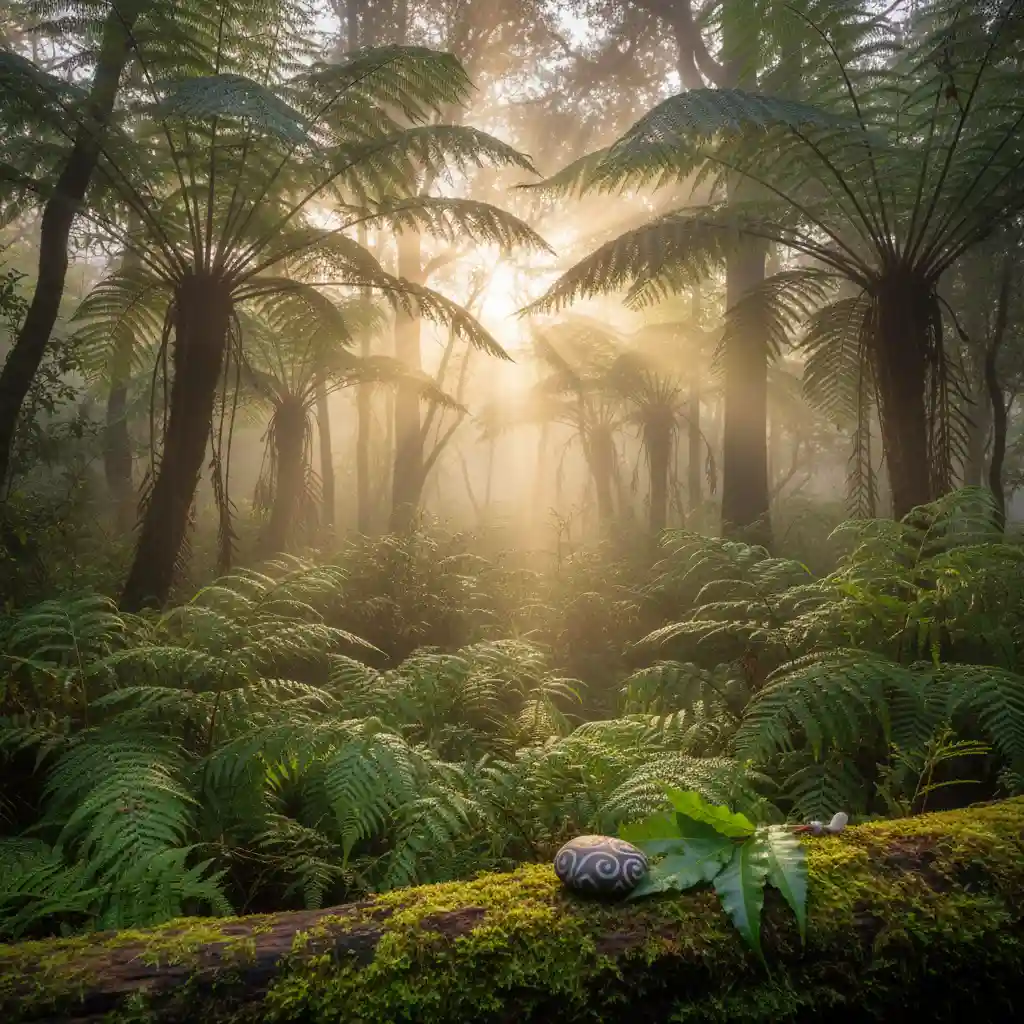
Mauri is the essential life force or vitality that binds the physical and spiritual together. Every plant, stone, body of water, and person possesses mauri. The objective of Rongoā is to protect and enhance the mauri. When harvesting plants, a practitioner ensures they do not deplete the mauri of the rakau (tree) or the ngahere (forest). They take only what is needed, ensuring the life force remains strong for future generations.
Tikanga: The Protocols of Harvesting and Preparation
The application of Rongoā Māori principles is most visible in the tikanga (protocols) of harvesting. You cannot simply walk into the bush and strip a tree of its bark. To do so would be a violation of mana and mauri.
The process begins with intent. The healer enters the forest with a clear purpose and a respectful heart. Before a single leaf is plucked, karakia is offered to Tāne Mahuta (the guardian of the forest) to ask permission and give thanks. This acknowledges the source of the medicine and ensures the harvesting is done with the blessing of the atua (gods).
Sustainability is inherent in these principles. A practitioner will never harvest from the east side of a tree (the side of new life/sunrise) or take the central shoot (rito) of a plant like flax (harakeke), as this ensures the plant’s survival. They harvest from the side that faces the setting sun or take the older leaves, leaving the young ones to grow. This ancient conservation ethic ensures that the “pharmacy” of the forest remains stocked forever.
Furthermore, the preparation of the medicine—whether it be a waireka (sweet drink), pani (balm), or rongoā rākau (plant medicine)—must be done in a calm, clean environment. The energy of the person preparing the medicine is believed to transfer into the remedy. If the maker is angry or distracted, that negative energy can taint the rongoā.
The Role of the Tohunga in Traditional Healing
Historically, the repository of this knowledge was the Tohunga. A Tohunga is an expert, a priest, or a master of skills. In the context of healing, the Tohunga Ahurewa or Tohunga Rongoā acted as the conduit between the physical and spiritual worlds.
The training to become a Tohunga was rigorous and could take decades. Selected often from childhood based on lineage (whakapapa) and aptitude, initiates were taught not only botanical identification but also astronomy, history, and the esoteric arts. They were the guardians of the community’s health.
The Tohunga Suppression Act of 1907 severely impacted the transmission of this knowledge, forcing many practices underground. However, the Act was repealed in 1962, and today there is a resurgence of Tohunga-led healing. Modern practitioners may not always use the title “Tohunga” out of humility, but those who carry the deep knowledge of the ancestors continue to play a vital role in guiding whānau toward wellness.
Common Rongoā Rākau and Their Applications
While the principles are paramount, the plants themselves are the physical vessels of healing. Here are a few of the most significant plants used in Rongoā, applied according to the principles discussed above:
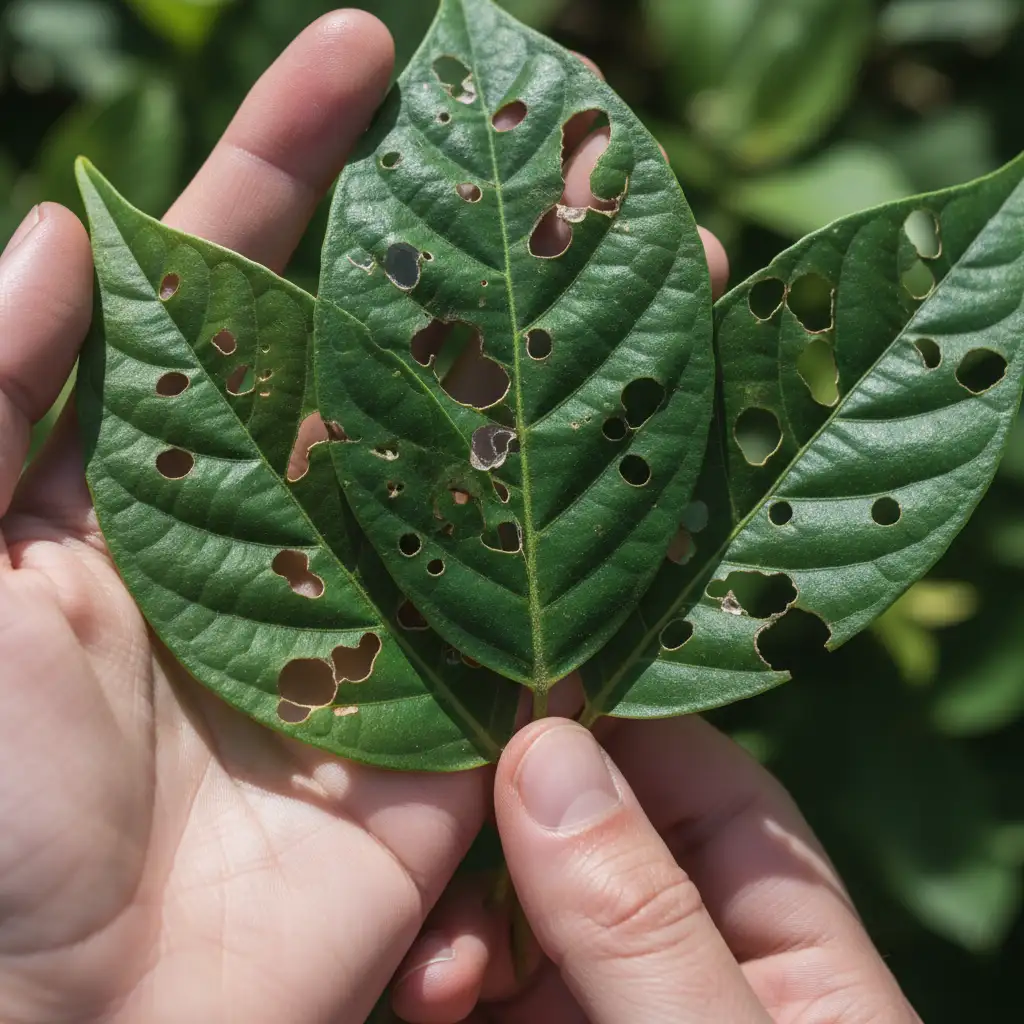
- Kawakawa (Piper excelsum): Often called the “pharmacy of the forest,” Kawakawa is used for digestive issues, skin ailments, and general tonic. Interestingly, the leaves with holes eaten by the looper moth are prized as the most potent, as the plant concentrates its healing alkaloids to repair the damage—a lesson in resilience (mauri).
- Mānuka (Leptospermum scoparium): Beyond the famous honey, the bark and leaves of the Mānuka tree are used to reduce fever, treat urinary conditions, and act as a sedative. It is known for its strong antibacterial properties.
- Kūmarahou (Pomaderris kumeraho): Known as “gumdigger’s soap” because its flowers lather when rubbed with water, Kūmarahou is a powerful remedy for respiratory conditions like asthma and bronchitis. It acts as a blood purifier and is extremely bitter, signifying its potency.
- Harakeke (New Zealand Flax): The gel at the base of the flax leaf is a potent antiseptic and healer for burns and cuts, similar to aloe vera. The roots are also used to aid digestion.
Modern Relevance and Integration in Healthcare
In recent years, there has been a significant shift in the New Zealand healthcare landscape toward recognizing Rongoā Māori as a legitimate and necessary form of care. The Accident Compensation Corporation (ACC) now funds Rongoā Māori services for covered injuries, a historic move that validates traditional healing alongside physiotherapy and western medicine.
This integration is not without challenges. Western medicine relies on standardized dosage and clinical trials, whereas Rongoā relies on intuition, variation based on the patient’s wairua, and ancestral knowledge. Bridging these two epistemologies requires mutual respect. Doctors are increasingly referring patients to Rongoā practitioners for conditions where western medicine has hit a wall, particularly for chronic pain, mental health, and spiritual disconnection.
The modern practice of Rongoā also faces the threat of commercialization. As global interest in natural medicine grows, there is a risk of Rongoā being stripped of its cultural context—sold merely as a product rather than a process. Upholding the principles of tapu, mana, and kaitiakitanga (guardianship) is essential to protect the integrity of the practice.
Conclusion: Preserving the Matauranga
Rongoā Māori is a testament to the enduring wisdom of the Māori people. It teaches us that health is not merely the absence of disease, but the presence of balance across the physical, spiritual, and familial realms. As interest in these ancient principles grows, so too does the responsibility to protect them. By adhering to the principles of wairua, tapu, and noa, and by respecting the tikanga of the forest, we ensure that this taonga (treasure) remains a vibrant source of healing for generations to come.
What are the main principles of Rongoā Māori?
The main principles of Rongoā Māori include Wairua (spiritual health), Tapu (sacredness and restriction), Noa (balance and safety), Mauri (life force), and Whakapapa (genealogy/connection). These principles guide how healing is approached, ensuring a holistic balance between the physical body, the spirit, and the environment.
Is Rongoā Māori covered by ACC?
Yes, ACC (Accident Compensation Corporation) in New Zealand now funds Rongoā Māori services for clients with covered injuries. This allows patients to choose traditional Māori healing methods as part of their rehabilitation plan, provided the practitioner is an ACC-registered vendor.
What is Kawakawa used for in Rongoā?
Kawakawa is one of the most versatile plants in Rongoā Māori. It is commonly used to treat digestive problems (such as stomach aches), skin conditions (like eczema and cuts), and respiratory issues. It can be prepared as a tea, a poultice, or a balm.
Can anyone practice Rongoā Māori?
While anyone can learn about the plants, true Rongoā practice requires deep cultural understanding, spiritual awareness, and adherence to tikanga (protocols). It is traditionally passed down through whakapapa or taught by a Tohunga. Cultural safety and respect for the matauranga (knowledge) are essential for anyone engaging with it.
What is the difference between Rongoā and Western medicine?
Rongoā Māori is holistic, treating the patient’s spiritual, physical, and mental health as interconnected, often addressing the root cause through wairua (spirit). Western medicine tends to focus more on treating specific physical symptoms and pathologies in isolation using pharmaceutical or surgical interventions.
How is Rongoā medicine harvested?
Rongoā is harvested following strict tikanga (protocols). This involves saying a karakia (prayer) to ask permission from the forest guardians, harvesting sustainably (e.g., taking only what is needed, not from the east side), and ensuring the harvester is in a positive state of mind to prevent negative energy from affecting the medicine.