Rongoā Māori is the traditional, holistic healing system of the indigenous people of Aotearoa New Zealand, encompassing herbal remedies (rākau rongoā), physical therapies (mirimiri), and spiritual healing (karakia). Unlike Western medicine, which often focuses on isolating symptoms, this comprehensive Rongoā Māori guide explains how the practice treats the patient as a whole entity, balancing physical, spiritual, mental, and familial well-being to restore the mauri (life force).
What is Rongoā Māori? Defining Holistic Health
To view Rongoā Māori merely as “Māori herbal medicine” is a significant oversimplification. While the use of native flora is a tangible and vital component, Rongoā is a sophisticated, multi-dimensional system of healing that has sustained the Māori people for nearly a thousand years. It is deeply rooted in the concept of interconnectivity—the understanding that human health is inextricably linked to the health of the environment and the spiritual realm.
In this Rongoā Māori guide, it is essential to establish that the practice is governed by Tikanga (customary protocols). These protocols ensure safety, efficacy, and respect for the natural world. The foundation of this system aligns closely with the health model known as Te Whare Tapa Whā, developed by Sir Mason Durie. This model compares health to the four walls of a house; if one wall is missing or damaged, the house becomes unstable.
The Four Pillars of Rongoā
- Taha Tinana (Physical Health): The capacity for physical growth and development. This is where rākau rongoā (plant medicine) and mirimiri (bodywork/massage) are primarily applied.
- Taha Wairua (Spiritual Health): The capacity for faith and wider communion. Health is viewed as related to unseen and unspoken energies.
- Taha Hinengaro (Mental Health): The capacity to communicate, to think, and to feel. Mind and body are inseparable.
- Taha Whānau (Family Health): The capacity to belong, to care, and to share where individuals are part of wider social systems.
Therefore, a practitioner does not simply look at a skin rash or a cough; they look at the person’s relationships, their stress levels, their connection to their ancestors, and their physical symptoms simultaneously.
The Spiritual Connection: Mauri and Wairua in Healing
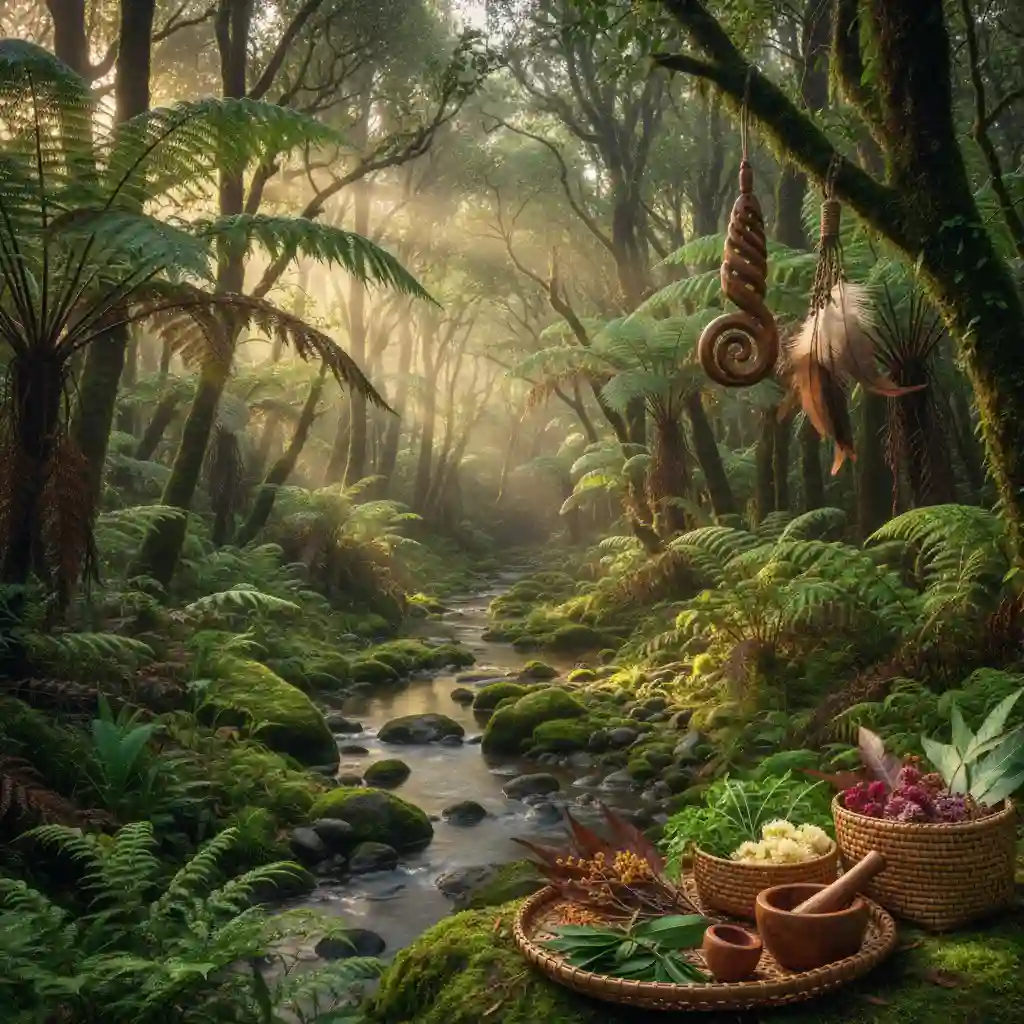
Central to understanding Rongoā is grasping the concepts of Mauri and Wairua. These are not merely abstract philosophical terms but are tangible elements in the diagnosis and treatment of illness.
Understanding Mauri (Life Force)
Mauri is the life spark or life force that exists in all things—people, plants, rivers, and mountains. In the context of healing, illness is often viewed as a diminishment or disruption of a person’s mauri. The goal of Rongoā is to restore the vibrancy of this life force. Furthermore, the plants used in healing possess their own mauri.
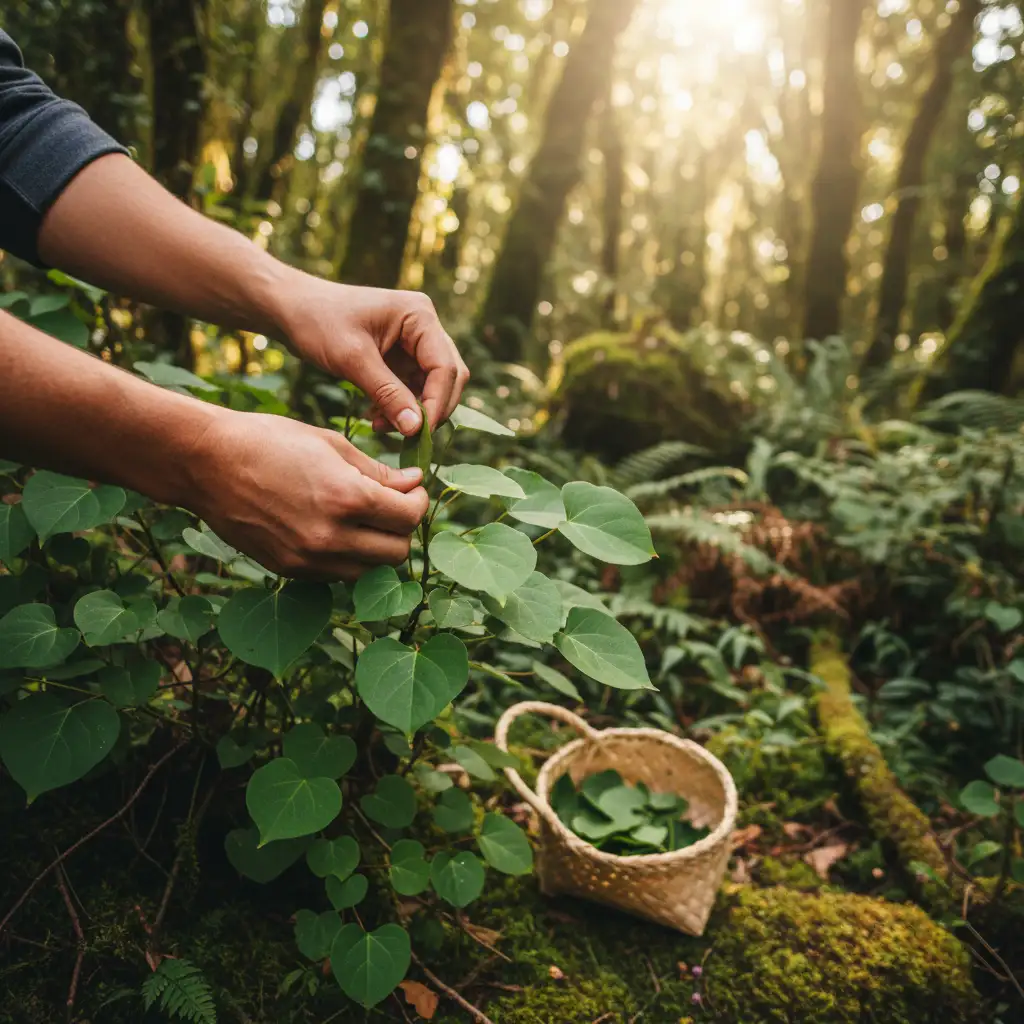
This leads to strict harvesting protocols. A practitioner will never harvest plants without first acknowledging the mauri of the forest. This usually involves:
- Karakia (Prayer): Asking permission from Tāne Mahuta (the guardian of the forest) before taking any leaf or bark.
- Sustainable Harvesting: taking only what is needed and harvesting from the east side of the plant (facing the rising sun) to ensure the plant’s regeneration.
- Gratitude: Giving thanks to the plant for sacrificing its life force to aid the patient.
The Role of Wairua (Spirit)
Wairua refers to the spirit or soul. In traditional Māori society, it was believed that many ailments were caused by a breach of tapu (sacred law) or a spiritual imbalance. Consequently, healing the physical body without addressing the wairua would result in only a temporary cure. Mirimiri (massage) and Romishu (deep tissue work) are not just physical manipulations of muscle; they are methods to release blocked energy and trauma stored within the cellular memory of the body, thereby healing the wairua.
The Role of the Tohunga in Traditional Society
The custodians of this knowledge were the Tohunga. In pre-colonial New Zealand, Tohunga were the experts, priests, and healers chosen from a young age for their intellectual and spiritual aptitude. They were the equivalent of modern-day specialists, holding vast knowledge of botany, astronomy, history, and spirituality.
The Tohunga Suppression Act 1907
It is impossible to discuss the history of Rongoā without acknowledging the impact of colonization. The Tohunga Suppression Act of 1907 was a piece of legislation intended to stop traditional Māori healers from practicing. While ostensibly designed to protect Māori from “charlatans,” it had the devastating effect of driving legitimate traditional healing underground.
For decades, Rongoā was practiced in secret within families, passed down quietly from grandmother to grandchild to avoid prosecution. This period of suppression led to a significant loss of knowledge. However, the resilience of the culture ensured that the foundations survived.
The Modern Resurgence
Today, the role of the Tohunga is being revitalized and respected once more. Modern practitioners often work alongside General Practitioners (GPs) and hospitals. The passing of the Act has long been repealed, and there is a robust movement to formalize and protect this knowledge through organizations like Te Kāhui Rongoā (the national professional body for Rongoā Māori providers). This resurgence acknowledges that the Tohunga’s wisdom is vital for the future health of the nation.
Overview of the Most Common Healing Plants
Aotearoa is home to a unique flora that evolved in isolation for millions of years. This Rongoā Māori guide highlights four of the most significant plants found in the traditional pharmacopeia.
1. Kawakawa (Macropiper excelsum)
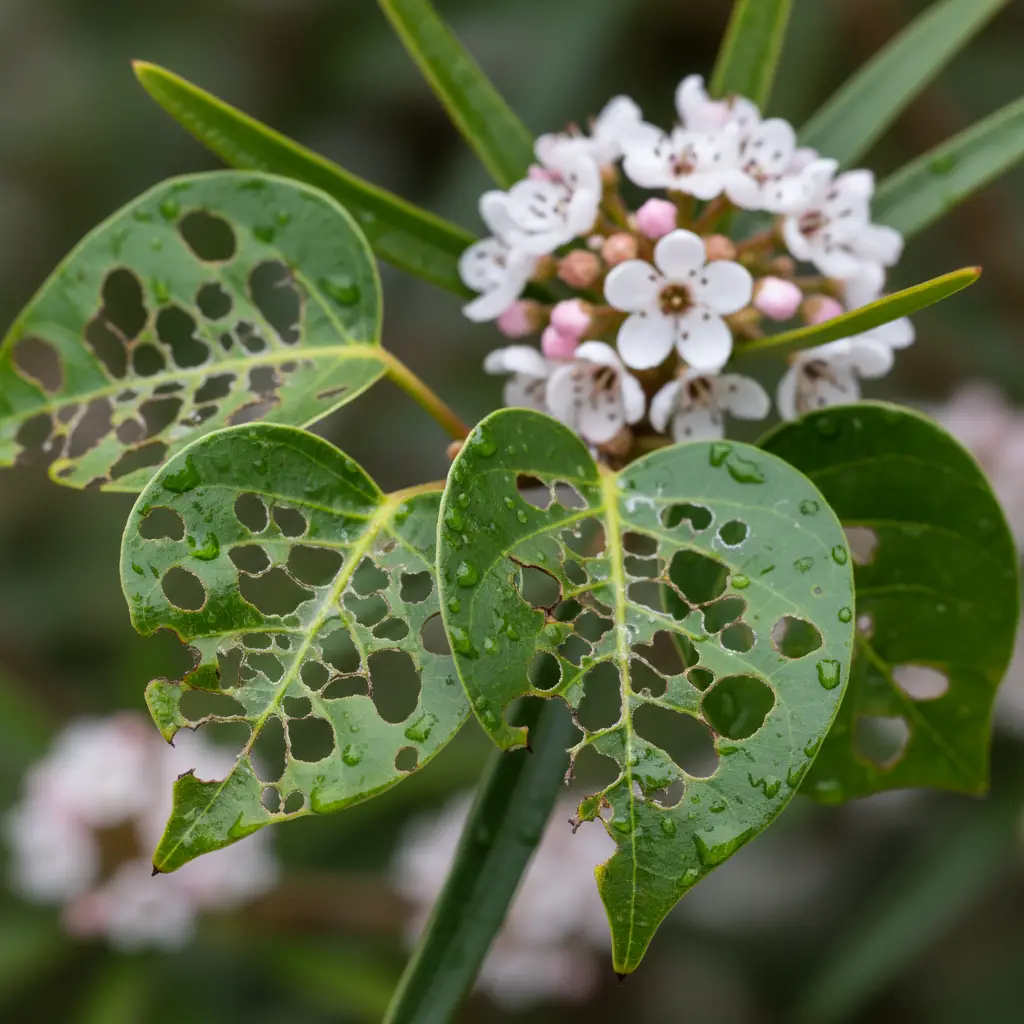
Often referred to as the “pharmacy of the forest,” Kawakawa is perhaps the most versatile herb in Rongoā. Easily identified by its heart-shaped leaves, often riddled with holes from the looper moth caterpillar (which actually indicates the most potent leaves), it is used for:
- Internal use: A tea made from the leaves acts as a blood purifier, aids digestion, and reduces inflammation.
- External use: Balms and poultices are used for eczema, cuts, boils, and insect bites.
- Analgesic: Chewing the leaves can relieve toothache due to its numbing properties.
2. Mānuka (Leptospermum scoparium)
While Mānuka honey is globally famous, traditional Rongoā utilizes the bark and leaves as well. It is a powerful antimicrobial agent.
- Respiratory health: Inhalation of steam from boiling leaves helps clear blocked sinuses and treats colds.
- Sedative: The seed capsules were historically boiled to create a fluid that acted as a sedative and pain reliever.
- Skin healing: The bark contains tannins that help in healing burns and reducing scarring.
3. Kūmarahou (Pomaderris kumeraho)
Known as “Gum Digger’s Soap” because the flowers create a natural lather when rubbed with water, Kūmarahou is the premier rongoā for respiratory conditions.
- Lungs: It is highly effective for bronchitis, asthma, and clearing mucus from the lungs.
- Detoxification: It acts as a bitter tonic that supports liver and kidney function to flush toxins from the body.
4. Harakeke (Phormium tenax)
Harakeke (New Zealand Flax) is the heart of the family (referencing the structure of the plant). Beyond its use in weaving, it is a potent healer.
- Gel: The clear gel found at the base of the leaves is a superior antiseptic and soothing agent for burns and sunburn, similar to Aloe Vera.
- Roots: The roots were traditionally boiled to create a juice used to treat intestinal parasites and constipation.
How Rongoā Complements Modern Western Medicine
In the contemporary healthcare landscape of New Zealand, the narrative has shifted from “alternative” medicine to “complementary” medicine. Health professionals are increasingly recognizing that Rongoā Māori offers something that clinical medicine sometimes lacks: a focus on spiritual well-being and connection.
Integration in Clinical Settings
It is becoming more common to see Rongoā practitioners working within District Health Boards (DHBs). For example, in palliative care, Rongoā provides comfort and spiritual peace to patients and whānau (family) that pharmaceuticals cannot offer. The Accident Compensation Corporation (ACC) of New Zealand now funds Rongoā Māori sessions for rehabilitation, a historic move that validates the efficacy of traditional healing in a modern legislative framework.
Synergy, Not Competition
Rongoā does not seek to replace modern surgery or antibiotics. Instead, it supports the body’s ability to heal itself while medical interventions tackle acute pathology. For instance, a patient undergoing chemotherapy (Western medicine) might utilize Rongoā (such as mirimiri and specific teas) to manage nausea, reduce stress, and maintain their spiritual resilience during the grueling treatment.
However, safety is paramount. Because rākau rongoā contains active chemical compounds, there is a potential for interaction with pharmaceutical drugs. Therefore, transparency between the patient, the GP, and the Rongoā practitioner is critical to ensure a safe, integrative approach.

Embracing the Wisdom of Aotearoa
This Rongoā Māori guide serves as an introduction to a profound and ancient system of health. Rongoā is more than a list of herbal remedies; it is a worldview that places humanity within the natural order, not above it. By acknowledging the spiritual alongside the physical, and respecting the mauri of the land, Rongoā offers a pathway to deep, sustainable wellness.
As interest in natural and holistic health grows globally, the wisdom of the Tohunga and the healing power of the New Zealand bush offer invaluable insights. Whether you are seeking to reconnect with your heritage or looking for complementary therapies to support your health journey, Rongoā Māori stands as a testament to the enduring power of indigenous knowledge.
Frequently Asked Questions
Is Rongoā Māori safe to use with prescription medication?
Generally, Rongoā is safe, but because native plants contain active chemical compounds, they can interact with prescription medications. It is crucial to consult with both your General Practitioner and a qualified Rongoā practitioner before combining treatments to avoid adverse reactions.
Can anyone practice Rongoā Māori?
While anyone can learn about the plants, true Rongoā practice requires deep cultural understanding, training in tikanga (protocols), and often mentorship under an experienced practitioner. It is not just about botany; it is about spiritual stewardship and responsibility.
What is the difference between Mirimiri and Romiromi?
Mirimiri is often described as soft-tissue massage used to soothe and balance energy. Romiromi is a more intense, deep-tissue form of bodywork that stimulates pressure points to release blocked energy and trauma stored in the body.
Where can I find a qualified Rongoā practitioner?
In New Zealand, you can look for practitioners registered with Te Kāhui Rongoā. Additionally, many local marae and Māori health providers offer Rongoā services or can refer you to trusted local healers.
Does ACC cover Rongoā Māori treatments?
Yes, as of recent policy changes, ACC (Accident Compensation Corporation) in New Zealand can fund Rongoā Māori services for covered injuries if the practitioner is an approved vendor. This acknowledges Rongoā as a valid form of rehabilitation.
What is the best plant for a common cold in Rongoā?
Kawakawa and Kūmarahou are the most commonly used plants for colds. Kawakawa tea helps with inflammation and general malaise, while Kūmarahou is excellent for clearing mucus from the chest and lungs.