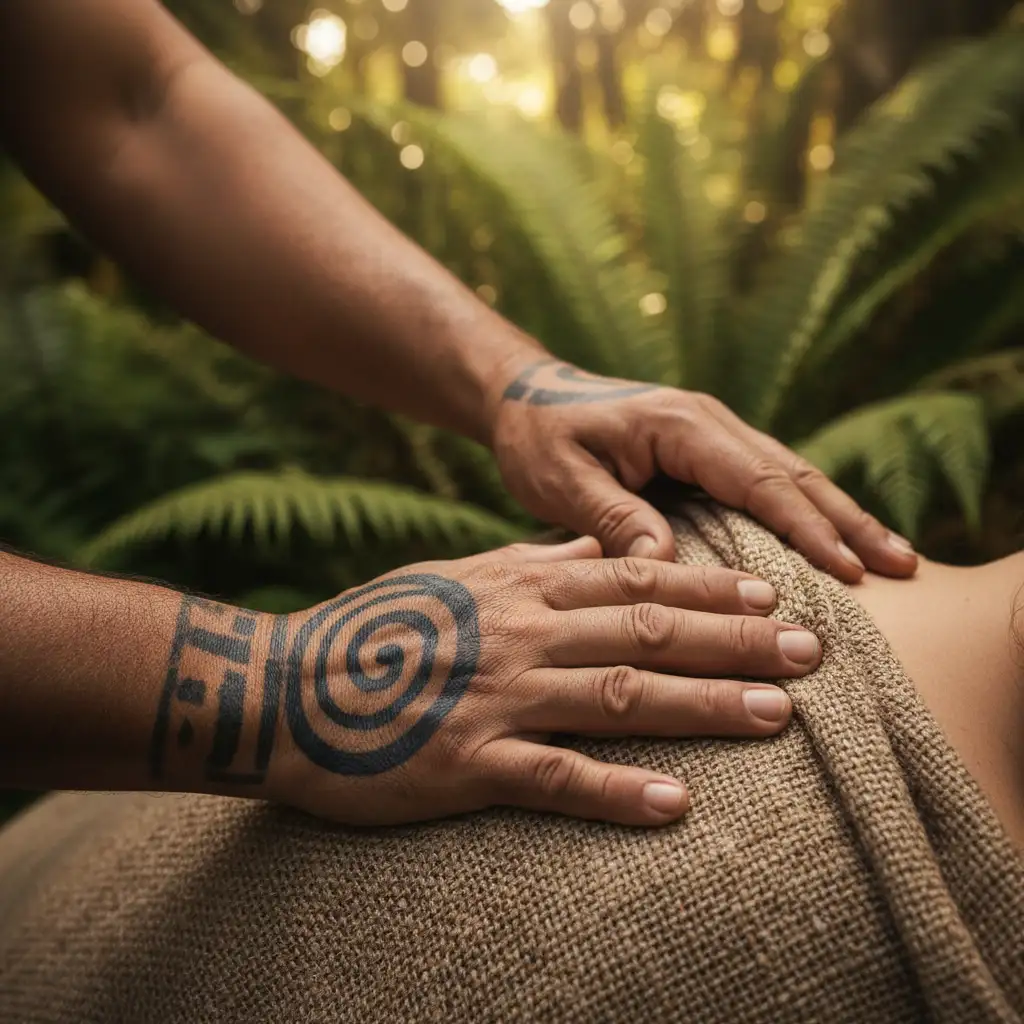
Maori medicine for eczema, or Rongoā Māori, primarily utilizes native plants such as Kawakawa (Macropiper excelsum), Manuka, and Harakeke to treat skin inflammation. These botanical remedies possess scientifically recognized anti-inflammatory, antimicrobial, and analgesic properties that soothe irritation, repair the skin barrier, and address the underlying holistic imbalances contributing to dermatitis and sensitive skin conditions.
Understanding Skin Conditions from a Holistic View
In the realm of modern dermatology, conditions such as eczema, psoriasis, and dermatitis are often treated symptomatically with topical steroids and emollients. However, within the framework of Rongoā Māori (traditional Maori medicine), these physical manifestations are viewed through a much wider lens. To effectively utilize Maori medicine for eczema, one must first appreciate the concept of Te Whare Tapa Whā—the four cornerstones of health.
This holistic model suggests that physical health (Taha Tinana) cannot be separated from spiritual health (Taha Wairua), mental health (Taha Hinengaro), and family health (Taha Whānau). When a patient presents with chronic eczema, a Rongoā practitioner does not merely see inflamed skin; they look for an imbalance within these pillars. The skin is often considered the body’s warning system, signaling that internal processing or external environmental factors are out of alignment.
For the modern sufferer of skin conditions, this approach offers a refreshing and effective alternative. It encourages a treatment plan that goes beyond applying a balm. It invites an investigation into stress levels, connection to the environment, and nutritional intake. While the application of bioactive plant extracts is the primary mechanism for symptom relief, the long-term efficacy of Rongoā lies in this comprehensive approach to wellness. By treating the person rather than just the pathology, Rongoā fosters an environment where the skin can heal itself permanently rather than entering a cycle of suppression and flare-up.
The Trinity of Healing: Kawakawa, Manuka, and Harakeke
When investigating Maori medicine for eczema, three specific plants consistently emerge as the most potent therapeutic agents. These native species have evolved in New Zealand’s unique ecosystem, developing robust chemical defense systems that translate into powerful medicinal properties for human skin.
Kawakawa: The Pharmacy of the Forest
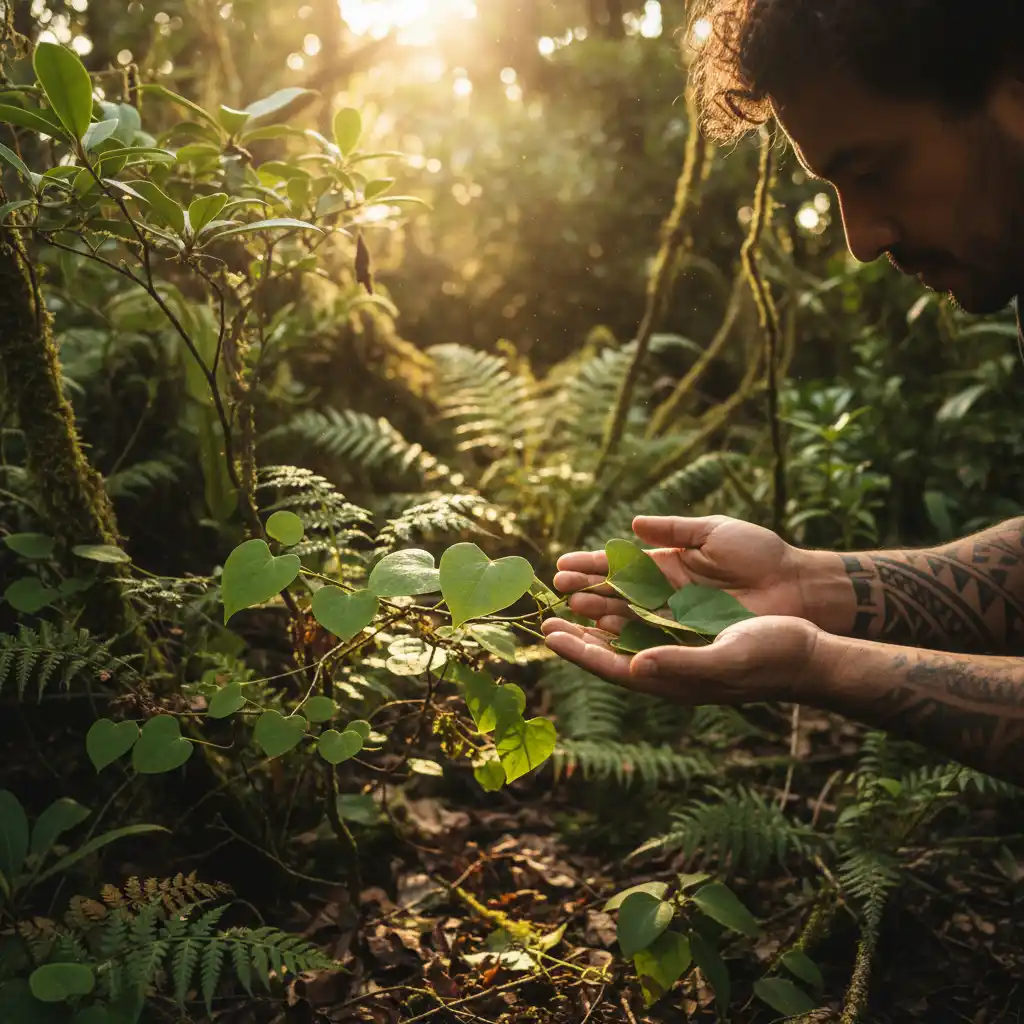
Kawakawa (Macropiper excelsum) is arguably the most critical ingredient in any Rongoā formulation for eczema. Visually distinct with its heart-shaped leaves often riddled with holes from the looper moth, Kawakawa is rich in myristicin and elemicin. These compounds function as mild analgesics (pain relievers) and powerful anti-inflammatories. When applied topically, Kawakawa acts similarly to a mild numbing agent, immediately reducing the intense itch-scratch cycle that exacerbates eczema. Furthermore, its antimicrobial properties help prevent secondary infections in cracked or broken skin, a common complication in severe dermatitis.
Manuka: The Antimicrobial Powerhouse
While Manuka honey is globally renowned, the leaf and oil of the Manuka tree (Leptospermum scoparium) are equally significant in Rongoā. For wet or weeping eczema, Manuka is indispensable. It possesses exceptional antibacterial and antifungal qualities due to its high concentration of triketones. In a synergistic blend, Manuka ensures that the skin microbiome remains balanced, eliminating pathogenic bacteria like Staphylococcus aureus, which often colonize eczema patches, without stripping the skin of its natural oils.
Harakeke: The Cooling Hydrator
Harakeke (Phormium tenax), often referred to as New Zealand flax, produces a gel at the base of its leaves that is functionally similar to Aloe Vera but often considered more potent in the New Zealand context. The clear gel is packed with polysaccharides that provide intense hydration and form a protective, breathable seal over the skin. For dry, scaling eczema, Harakeke provides a cooling relief that reduces redness and heat. It acts as a humectant, drawing moisture into the dermis and locking it in, which is essential for repairing the compromised skin barrier typical of atopic dermatitis.
Dietary Changes Alongside Rongoā
Topical application of Maori medicine for eczema is most effective when supported by internal health measures. In traditional practice, what is consumed is just as important as what is applied. The concept of “Kai” (food) as medicine is central to reducing systemic inflammation that manifests on the skin.
Modern Rongoā practitioners often recommend integrating bitter tonics to support liver function and digestion. Kumarahou (Pomaderris kumeraho) is a primary herb used for this purpose. Known as “gumdigger’s soap” due to its saponin content, Kumarahou is taken internally as a tea to detoxify the blood and improve bronchial and renal function. By assisting the body’s elimination pathways, Kumarahou reduces the load on the skin, which is often acting as a secondary elimination organ in eczema sufferers.
Furthermore, a diet compatible with Rongoā involves reducing inflammatory triggers such as processed sugars and gluten, and increasing the intake of Omega-3 rich foods—historically sourced from kaimoana (seafood). The synergy between drinking Kumarahou tea to cleanse the system and applying Kawakawa balm to soothe the surface creates a dual-action treatment strategy that addresses the root cause of inflammation.
Case Studies: Natural Healing Success
The resurgence of Rongoā in the commercial wellness sector is driven by tangible results. Examining anonymized case studies reveals the efficacy of these traditional remedies in modern contexts.
Case Study A: Infant Atopic Dermatitis
A six-month-old subject presented with severe facial and limb eczema. Standard steroid creams provided temporary relief, but symptoms rebounded aggressively upon cessation. The parents switched to a high-potency Kawakawa and olive oil infusion balm. Within 48 hours, the redness had subsided significantly. The analgesic nature of the Kawakawa allowed the infant to sleep without scratching. Over a four-week period, combined with the removal of dairy from the breastfeeding mother’s diet, the infant’s skin barrier was fully restored with no signs of thinning skin often associated with steroid use.
Case Study B: Adult Contact Dermatitis
A 45-year-old tradesman developed chronic contact dermatitis on his hands due to exposure to industrial solvents. The skin was cracked, bleeding, and prone to infection. A regimen involving soaking hands in a cooled Manuka leaf decoction (for antiseptic purposes) followed by the application of a Harakeke and Hemp seed oil barrier cream was implemented. The Manuka wash prevented infection in deep fissures, while the Harakeke gel created a natural “second skin.” Complete closure of wounds was observed within 14 days, allowing the subject to return to work with a maintenance plan of daily barrier application.
Top 5 Rongoā Balms for Sensitive Skin
For those conducting a commercial investigation into the best products available, it is vital to look for specific formulations. The market is flooded with “natural” products, but authentic Maori medicine for eczema requires high concentrations of the active plant matter. Below are the top 5 categories of Rongoā balms recommended for sensitive skin.
1. The Intensive Kawakawa Repair Balm
Best For: Acute flare-ups and intense itching.
Look for a balm where Kawakawa leaf extract is the first or second ingredient. The carrier oil should ideally be olive or almond oil, which facilitates deep penetration. These balms are characteristically dark green and have a peppery, earthy scent. They are the gold standard for stopping the itch immediately.
2. Manuka and Beeswax Antiseptic Salve
Best For: Infected, weeping, or cracked eczema.
This formulation combines the antimicrobial power of Manuka oil with the protective sealing properties of organic NZ beeswax. This is heavier than a standard moisturizer and is best used as a spot treatment for open scratches to prevent bacterial colonization.
3. Harakeke & Coconut Cooling Gel
Best For: Sunburn-associated eczema or heat rash.
Water-based rather than oil-based, these gels absorb instantly. They are excellent for use on the face or under clothing where heavy oils might stain. The Harakeke provides an immediate temperature reduction to the skin, soothing the “fire” of inflammation.
4. Hemp & Kawakawa Synergistic Blend
Best For: Chronic, dry, scaling psoriasis or eczema.
Hemp seed oil is rich in Omega 3, 6, and 9 fatty acids, which mirrors the skin’s lipid layer. When infused with Kawakawa, this blend offers deep nourishment for long-term maintenance. It helps to rebuild the skin’s architecture over time and keeps scales soft and manageable.
5. Gentle Chamomile & Kawakawa Baby Balm
Best For: Infants and hypersensitive skin.
These formulations dilute the potency slightly with gentle calming herbs like Chamomile or Calendula. They are designed for the delicate skin of babies where strong essential oils might be too overwhelming. They provide a gentle barrier against diaper rash and drool rash, which can trigger eczema outbreaks.
Frequently Asked Questions
Is Kawakawa balm safe for use on open wounds?
Yes, generally Kawakawa balm is safe and beneficial for open wounds. However, it is important to ensure the balm is free from essential oils or fragrances that might sting. The natural antimicrobial properties of Kawakawa help prevent infection while the analgesic compounds reduce pain.
How long does it take for Maori medicine for eczema to work?
Relief from itching is often immediate due to the numbing properties of Kawakawa. However, visible healing of the skin barrier typically takes 2 to 4 weeks of consistent application. Unlike steroids, natural remedies work with the body’s healing cycle, which requires patience.
Can I use Rongoā products alongside prescribed steroid creams?
Yes, Rongoā balms can often be used as a complementary therapy. Many users apply steroid creams to control acute severe flares and use Rongoā balms for maintenance and hydration to reduce the frequency of steroid use. Always consult a healthcare professional before altering a prescribed regimen.
What is the difference between Manuka honey and Manuka oil for skin?
Manuka honey is a humectant and is excellent for wound healing and drawing out moisture. Manuka oil is a concentrated essential oil distilled from the leaves; it is far more potent antibacterially and is used in balms to treat acne, fungal infections, and bacterial presence on eczema patches.
Are there any side effects to using Kumarahou tea?
Kumarahou is a powerful detoxifier. Some users may experience a “healing crisis” or mild stomach upset if they consume too much too quickly. It is recommended to start with a small cup daily. Pregnant women or those on medication should consult a specialist before consuming internal Rongoā.
Is Harakeke gel better than Aloe Vera?
Many New Zealand herbalists consider Harakeke superior for local conditions because it is native to the environment and creates a more durable barrier. It is particularly effective for the drying wind conditions of New Zealand, offering robust hydration that rivals or exceeds Aloe Vera.