Rongoā Māori regulation in New Zealand navigates a complex interplay between traditional Māori healing practices, contemporary natural health product legislation, and the imperative to protect indigenous knowledge. It encompasses legal frameworks governing product safety and quality, the recognition of cultural intellectual property, and guidelines for practitioners, ensuring the integrity and efficacy of these vital healing modalities.
The Legal Landscape of Natural Health Products in NZ
New Zealand’s regulatory environment for natural health products is dynamic, constantly evolving to balance consumer safety with access to traditional and complementary medicines. For Rongoā Māori, this landscape presents unique considerations, demanding an approach that respects cultural traditions while adhering to contemporary health and safety standards. Historically, Rongoā Māori has operated largely outside Western regulatory frameworks, drawing its authority from tikanga (Māori custom and protocols) and wairua (spirituality). However, as Rongoā Māori gains broader recognition and its products enter more commercial spaces, its interaction with national legislation becomes increasingly pertinent.
Current Regulatory Frameworks and Their Application
The primary legislation influencing natural health products in New Zealand has been the Dietary Supplements Regulations 1985, administered by the Ministry of Health. These regulations classify many Rongoā Māori preparations, when sold as products, as ‘dietary supplements,’ requiring them to meet basic safety and labelling standards. This often means providing ingredient lists, dosage recommendations, and allergen information. However, this framework does not inherently address the unique cultural and spiritual components of Rongoā Māori, nor does it typically differentiate between a rongoā practitioner’s individually prepared remedies and commercially mass-produced items.
A significant development has been the passing of the Therapeutic Products Act 2023, which is intended to replace the existing Medicines Act 1981 and the Dietary Supplements Regulations. This new Act aims to create a more comprehensive and risk-based regulatory system for all therapeutic products, including medicines, medical devices, and natural health products. The implementation of this Act will introduce new categories and requirements, which will undoubtedly impact Rongoā Māori products and practices. A key challenge will be ensuring that the new regulatory regime is culturally sensitive and provides appropriate pathways for Rongoā Māori, rather than inadvertently imposing unsuitable Western pharmaceutical models.
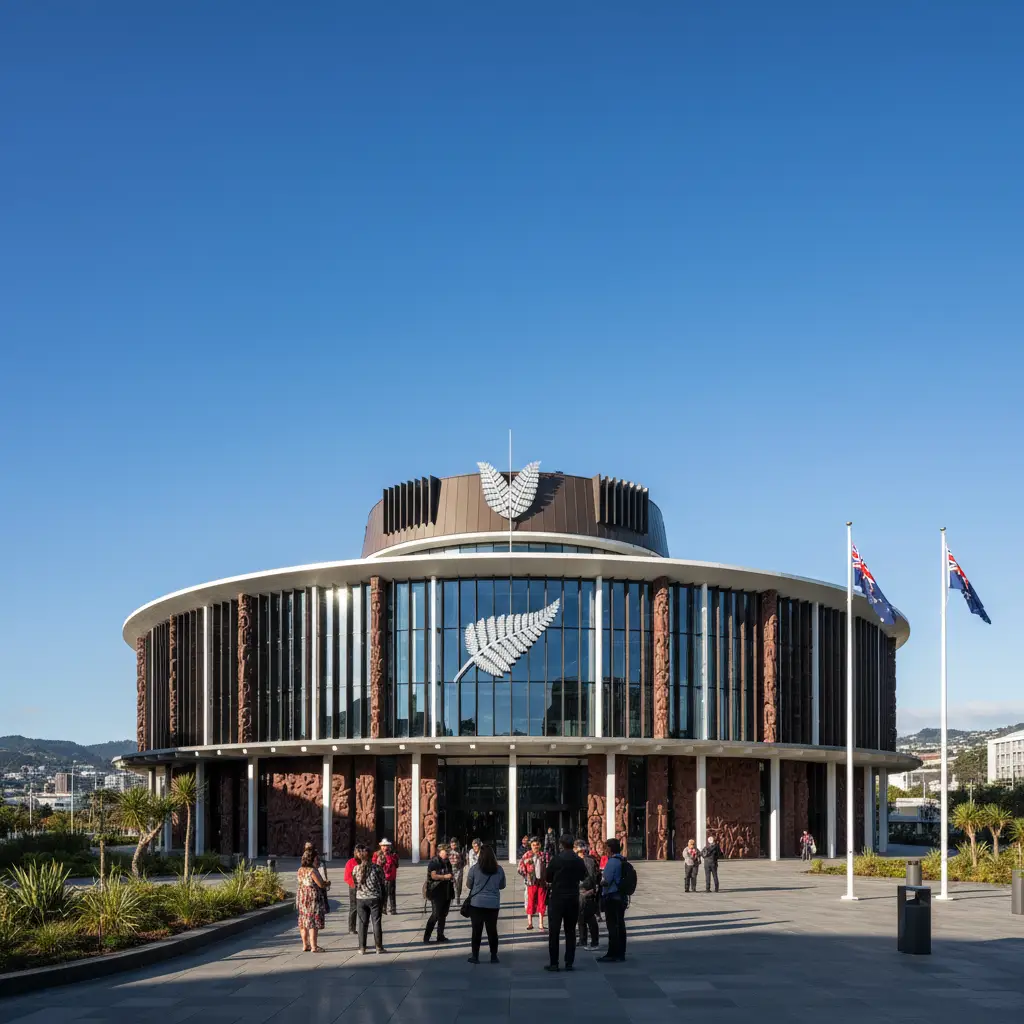
The Act acknowledges the importance of Te Tiriti o Waitangi (the Treaty of Waitangi) and provides for specific considerations related to Mātauranga Māori. This is a crucial step towards creating a regulatory environment that is more attuned to the unique context of indigenous healing. Consultation with Māori stakeholders, particularly those within the Rongoā Māori community, will be vital during the development of subsidiary regulations and implementation guidelines to ensure that the spirit of the Treaty is upheld and that Rongoā Māori practices are appropriately supported and protected.
Distinguishing Traditional Practice from Commercial Products
A critical distinction in the regulatory discussion is between the practice of Rongoā Māori as a traditional healing art and the commercial production and sale of Rongoā-inspired products. Traditional Rongoā Māori practice often involves one-on-one consultation, spiritual healing, and remedies prepared fresh for an individual, guided by a kaiwhakahaere rongoā (Rongoā practitioner). These practices are deeply embedded in tikanga and often do not involve products that enter the commercial supply chain in the same way as a packaged supplement.
When Rongoā ingredients or preparations are standardized, packaged, and marketed for sale, particularly to a broader public or through retail channels, they typically fall under product-based regulations. This includes requirements for ingredients, manufacturing processes, labelling, and claims. The challenge lies in ensuring that these commercial products maintain the integrity and cultural authenticity of Rongoā Māori, avoiding dilution or appropriation, while simultaneously meeting safety and quality benchmarks expected by consumers and regulators. The Therapeutic Products Act 2023 is expected to provide clearer definitions and pathways for these distinctions, although the specifics will be critical.
Protecting Mātauranga Māori: Indigenous Intellectual Property and Cultural Integrity
The protection of Mātauranga Māori, encompassing traditional knowledge, practices, and intellectual property associated with Rongoā Māori, is a central and non-negotiable aspect of its regulation and commercialization. Without robust mechanisms to safeguard this heritage, there is a significant risk of cultural appropriation, exploitation, and erosion of Māori control over their traditional healing systems.
The Significance of WAI 262 and Indigenous Rights
The Wai 262 inquiry, formally known as the Ko Aotearoa Tēnei (This is Aotearoa) report, is a landmark Waitangi Tribunal report concerning Māori traditional knowledge and culture. It investigated claims by Māori regarding intellectual property rights over flora, fauna, and other taonga (treasures) associated with Mātauranga Māori. The report, issued in 2011, highlighted significant deficiencies in New Zealand’s intellectual property laws regarding the protection of indigenous knowledge, cultural practices, and biodiversity. For Rongoā Māori, Wai 262 underscores the need for legislative and policy changes that affirm Māori proprietary and kaitiaki (guardianship) rights over their healing knowledge, plant resources, and associated cultural expressions.
The recommendations from Wai 262 advocate for a comprehensive framework that includes specific legislation, Māori-led institutions, and mechanisms for benefit-sharing and attribution. While not yet fully implemented, the principles of Wai 262 continue to inform policy discussions and are a critical reference point for any regulatory framework impacting Rongoā Māori. Any new legislation, such as the Therapeutic Products Act, must demonstrate how it addresses the spirit and intent of Wai 262 to ensure genuine partnership and protection for Mātauranga Māori.
Mechanisms for Protecting Traditional Knowledge
Protecting Mātauranga Māori requires a multi-faceted approach. One key mechanism involves developing culturally appropriate consent and attribution protocols. This means ensuring that any commercial use of Rongoā Māori knowledge or ingredients receives prior informed consent from the relevant iwi (tribes) or hapū (sub-tribes) who are kaitiaki of that knowledge. It also necessitates transparent benefit-sharing arrangements, ensuring that Māori communities derive equitable benefits from the commercialization of their traditional resources and knowledge.
Furthermore, the development of Māori-led governance structures is crucial. These structures can oversee the integrity and authenticity of Rongoā Māori practices and products, provide certifications, and act as cultural guardians. This self-determination approach ensures that decisions regarding Rongoā Māori are made by those who hold the cultural authority and deep understanding of its tikanga.
Legislation can also play a role by recognizing and protecting collective cultural intellectual property rights, distinct from individual patent or copyright. This might involve sui generis (unique) legal frameworks specifically designed to protect indigenous knowledge, preventing its unauthorized use or misappropriation. Such frameworks would empower Māori to control access to, and the use of, their traditional knowledge, ensuring its survival and transmission for future generations.
Safety Standards for Rongoā Māori Practitioners and Producers
Ensuring the safety and efficacy of Rongoā Māori, whether through direct practitioner services or commercial products, is paramount. This involves establishing clear, culturally appropriate standards for both practitioners and producers, balancing traditional wisdom with contemporary health expectations.
Practitioner Competency and Ethical Guidelines
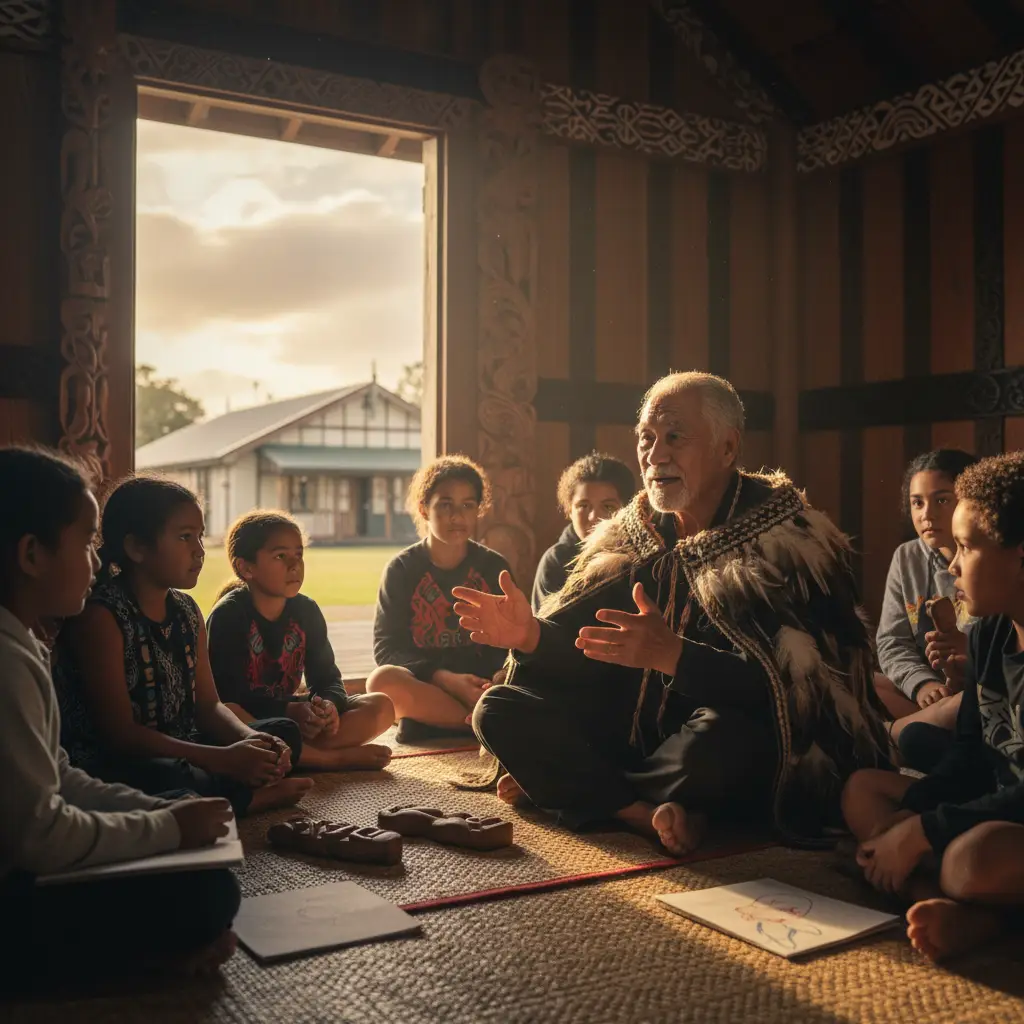
For Rongoā Māori practitioners (kaiwhakahaere rongoā), safety standards primarily revolve around competency, ethical conduct, and adherence to tikanga. Unlike Western medical professions which often require formal certifications from state-sanctioned bodies, Rongoā practitioners traditionally gain their knowledge through whakapapa (genealogy), apprenticeships, and direct learning from tohunga (experts) and elders. Their authenticity and authority come from within their whānau (family), hapū, and iwi.
However, as Rongoā Māori integrates further into the broader healthcare landscape, discussions around voluntary registration, codes of practice, and ongoing professional development are emerging. These efforts aim to provide assurance to the public regarding a practitioner’s training and ethical framework, without undermining the traditional pathways of knowledge transmission. Any such frameworks must be Māori-led and grounded in tikanga, emphasizing concepts like manaakitanga (hospitality, care), whanaungatanga (kinship, relationships), and wairuatanga (spirituality) as core tenets of practice.
Ethical guidelines for practitioners include maintaining confidentiality, obtaining informed consent, practicing within their scope of knowledge, and referring clients to other health professionals when necessary. Furthermore, the spiritual and holistic nature of Rongoā Māori means practitioners must also maintain their own wellbeing and cultural integrity to effectively facilitate healing.
Quality Control for Rongoā Products
For Rongoā Māori products intended for commercial sale, quality control encompasses a range of considerations, from ingredient sourcing to final packaging. The provenance of native ingredients is crucial, requiring sustainable harvesting practices and respect for the land (whenua) from which they are gathered. This often involves working with kaitiaki of specific regions or plant species to ensure environmental sustainability and cultural protocols are observed.
Sourcing and Preparation
Sourcing of plants (rakau) must adhere to principles of sustainability and respect. This includes understanding the seasonal cycles, appropriate harvesting techniques that do not harm the plant population, and the spiritual protocols associated with gathering. The preparation of rongoā, whether infusions, balms, or other forms, traditionally involves karakia (prayers) and specific tikanga, which are integral to its efficacy. Translating these traditional preparation methods into standardized manufacturing processes for commercial products requires careful consideration to preserve their essence while meeting hygienic and quality standards.
Labelling and Claims
Product labelling for Rongoā Māori items faces the challenge of balancing consumer information requirements with the cultural nuance of traditional healing. Labels typically need to provide ingredient lists, potential allergens, and instructions for use. However, making therapeutic claims about Rongoā Māori products can be complex under existing regulations, which often require scientific evidence that may not align with traditional Māori understandings of efficacy. A future regulatory framework could ideally allow for culturally appropriate claims that reflect Mātauranga Māori, while still ensuring consumers are not misled.
Good Manufacturing Practices (GMP) and Cultural Considerations
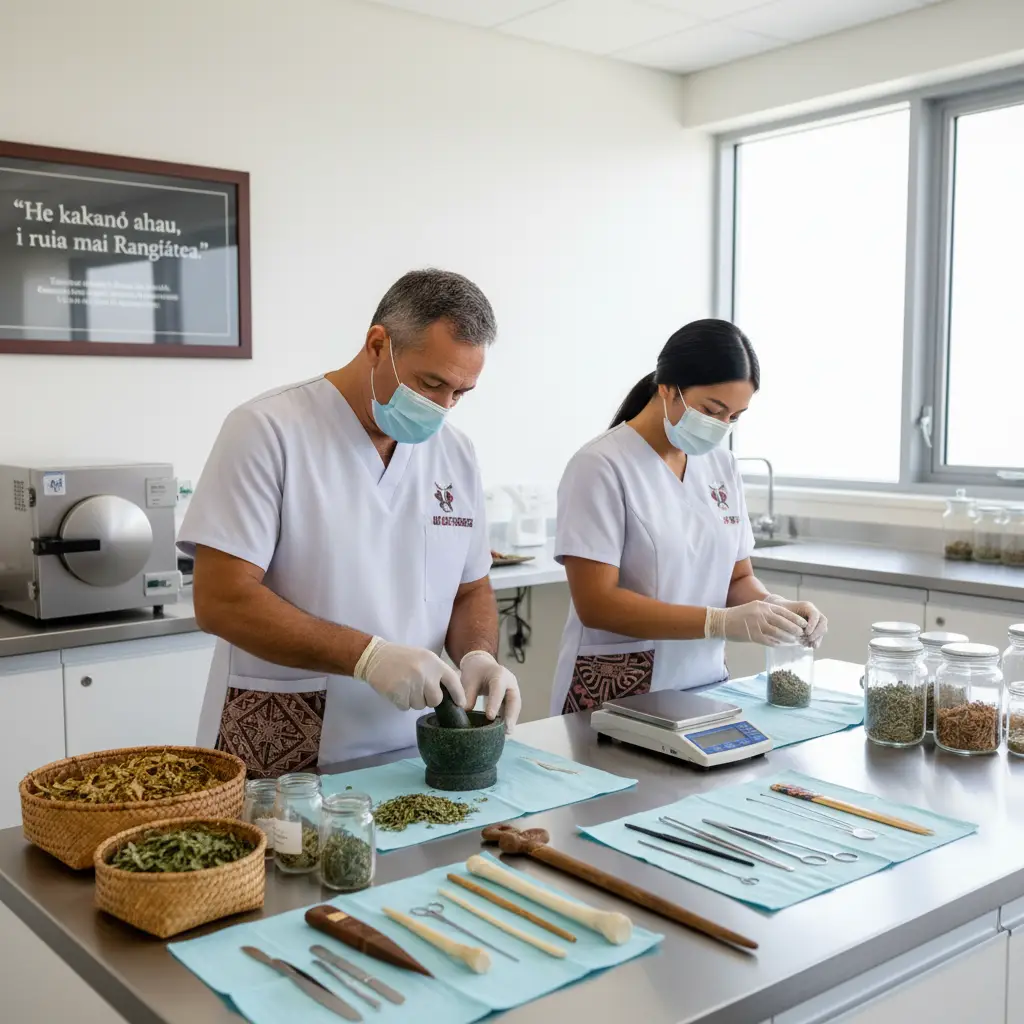
While Good Manufacturing Practices (GMP) are standard in the pharmaceutical and food industries to ensure consistent quality and safety, their direct application to traditionally prepared Rongoā Māori products can be challenging. GMP frameworks are typically designed for synthetic or highly processed ingredients and large-scale production, which may not always align with small-batch, culturally specific Rongoā preparation methods. However, core GMP principles—such as hygiene, clear documentation, batch consistency, and contaminant prevention—are vital for any commercial product.
The key lies in developing “culturally resonant GMP” or equivalent quality assurance systems that respect traditional practices while ensuring product safety. This might involve adapting existing GMP standards to include specific Rongoā Māori protocols, or developing entirely new, Māori-led quality frameworks that are recognized by regulatory bodies. Such an approach would prioritize the integrity of the Rongoā, acknowledge the spiritual dimension of its preparation, and still deliver safe, high-quality products to consumers.
Export Regulations for Native Rongoā Ingredients and Products
As interest in Rongoā Māori and native New Zealand ingredients grows globally, understanding export regulations becomes critical for producers looking to enter international markets. This involves navigating a complex web of national and international laws, particularly those related to biodiversity, biosecurity, and intellectual property.
International Trade and Biosecurity
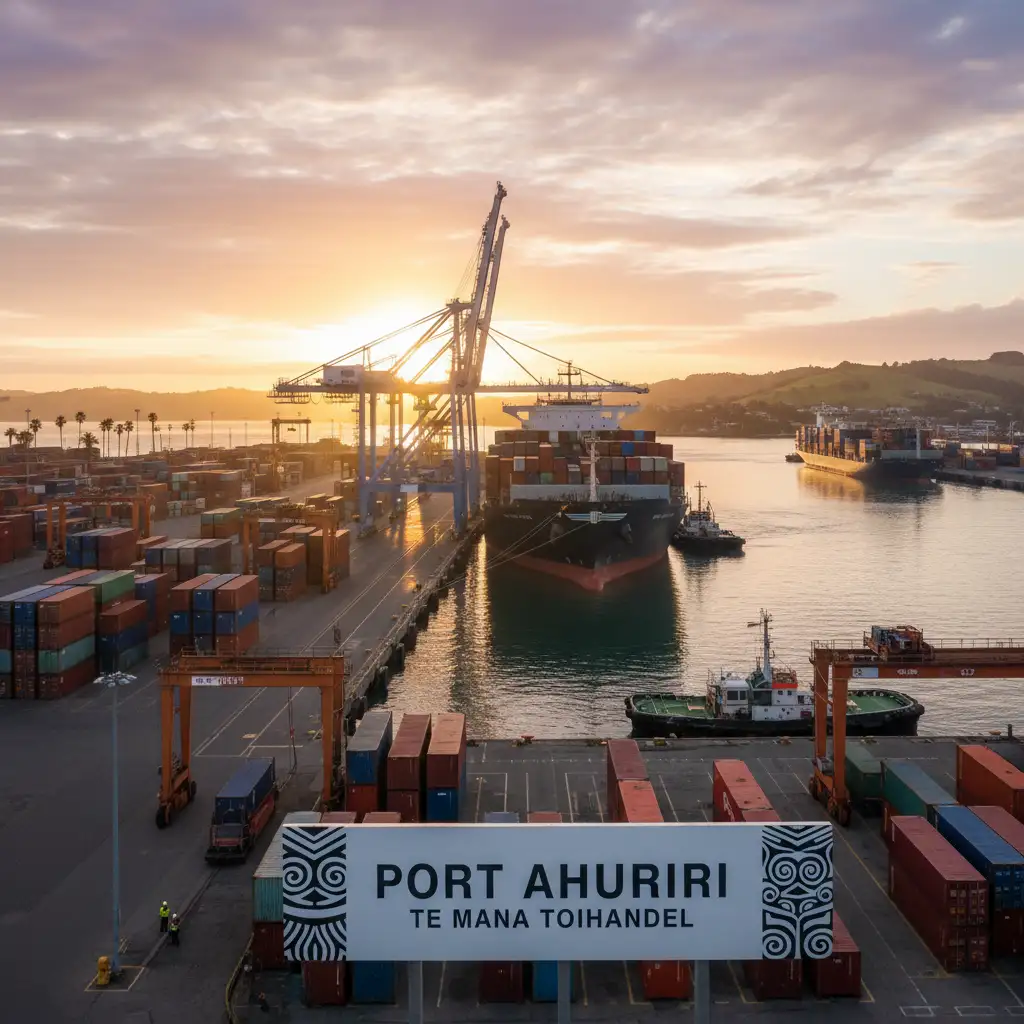
Exporting Rongoā Māori ingredients or finished products requires compliance with New Zealand’s export regulations, administered by agencies like Biosecurity New Zealand (part of the Ministry for Primary Industries). This includes obtaining necessary permits, meeting phytosanitary requirements (to prevent the spread of pests and diseases), and adhering to customs procedures. Each destination country will also have its own import regulations, which can vary significantly and may include restrictions on certain plant species, ingredients, or product types.
For native New Zealand plants used in Rongoā, particular attention must be paid to their conservation status. If a species is listed under the Convention on International Trade in Endangered Species of Wild Fauna and Flora (CITES), export may be restricted or require special permits to ensure its sustainability. Even for non-CITES species, demonstrating sustainable sourcing practices is increasingly important for ethical consumers and international markets.
Beyond biosecurity, the commercialization of native ingredients internationally raises significant questions about the implementation of the Nagoya Protocol on Access and Benefit-Sharing. This international agreement provides a transparent legal framework for the fair and equitable sharing of benefits arising from the utilization of genetic resources, including traditional knowledge associated with them. For Rongoā Māori, this means that if native New Zealand genetic resources and associated Mātauranga Māori are utilized by international entities, there should be mechanisms in place to ensure fair benefits return to the Māori kaitiaki.
Protecting Cultural Identity in Global Markets
Exporting Rongoā Māori products also carries the responsibility of protecting its cultural identity and preventing appropriation. This involves ensuring that the products are marketed authentically, respectfully, and with appropriate attribution to Māori knowledge and origins. Misleading claims or marketing that trivializes the cultural significance of Rongoā Māori can be detrimental.
Strategies to protect cultural identity in global markets include trademarking Māori terms or product names (where appropriate and culturally sanctioned), developing collective marks or certification schemes that signify authentic Rongoā Māori, and engaging in cultural education campaigns alongside product promotion. Māori-owned and operated export businesses are best placed to navigate these complexities, ensuring that cultural values remain at the forefront of commercial endeavors.
Navigating the Future of Rongoā Māori Regulation
The regulatory landscape for Rongoā Māori in New Zealand is at a pivotal juncture. The introduction of the Therapeutic Products Act 2023 presents both challenges and opportunities. The challenge lies in ensuring that the implementation of the Act creates an inclusive and culturally appropriate regulatory environment that truly supports Rongoā Māori, rather than seeking to fit it into a pre-existing Western paradigm.
The opportunity, however, is significant. This new legislation, with its explicit recognition of Te Tiriti o Waitangi, provides a chance to co-design a regulatory framework that genuinely reflects partnership. This would involve extensive and meaningful engagement with Rongoā Māori practitioners, rūnanga (governing bodies), iwi, and hapū. Such an approach could lead to the development of unique regulatory pathways that acknowledge the holistic nature of Rongoā Māori, the spiritual elements of its practice, and the importance of Mātauranga Māori protection.
Towards a Culturally Responsive Regulatory System
A truly culturally responsive regulatory system for Rongoā Māori would likely feature several key components:
- Māori-led Governance: Empowering Māori entities to have significant oversight and decision-making power regarding Rongoā Māori practices and products.
- Dual Pathways: Creating distinct, yet complementary, regulatory pathways for traditional Rongoā Māori practice and for commercial Rongoā products, acknowledging their different contexts and needs.
- Protection of Mātauranga Māori: Implementing robust legal and policy mechanisms that specifically protect indigenous intellectual property, ensure fair benefit sharing, and prevent cultural appropriation.
- Flexible Quality Standards: Developing quality and safety standards for products that are culturally sensitive, acknowledging traditional preparation methods while meeting modern consumer safety expectations.
- Practitioner Recognition: Establishing Māori-led systems for the recognition and professional development of Rongoā practitioners, respecting traditional learning pathways.
Ultimately, the goal is to foster an environment where Rongoā Māori can thrive, both as a revered traditional healing system and as a contributor to New Zealand’s health and wellness sector, all while upholding the principles of tikanga and the rights of Māori as kaitiaki of their unique heritage. This requires ongoing dialogue, mutual respect, and a commitment to genuine partnership between government, industry, and the Rongoā Māori community.
People Also Ask
What is Rongoā Māori?
Rongoā Māori encompasses traditional Māori healing practices, including herbal remedies (rākau rongoā), physical therapies (mirimiri, romiromi), and spiritual healing (karakia). It is a holistic system deeply rooted in Mātauranga Māori (Māori knowledge) and tikanga (Māori customs and protocols), addressing the physical, spiritual, mental, and emotional well-being of an individual.
How is Rongoā Māori currently regulated in New Zealand?
Currently, Rongoā Māori products, when commercially sold, often fall under the Dietary Supplements Regulations 1985. The upcoming Therapeutic Products Act 2023 is set to introduce a new comprehensive regulatory framework that will impact all natural health products, including Rongoā Māori. Traditional Rongoā practice is largely self-regulated by tikanga and Māori communities.
What is the Wai 262 claim and why is it important for Rongoā Māori?
Wai 262 is a landmark Waitangi Tribunal report that investigated Māori claims concerning intellectual property rights over indigenous flora, fauna, and traditional knowledge (Mātauranga Māori). For Rongoā Māori, it is crucial because it highlights the need for legal protection of Māori traditional knowledge, cultural practices, and biodiversity, advocating for Māori control and benefit-sharing mechanisms.
Are Rongoā Māori practitioners required to be registered?
Unlike some Western health professions, there is no mandatory state-sanctioned registration for Rongoā Māori practitioners. Practitioners gain their authority and knowledge through traditional pathways within their whānau, hapū, and iwi. Discussions are ongoing within Māori communities about developing Māori-led accreditation or registration systems to ensure public confidence while respecting traditional practices.
How are Rongoā Māori ingredients sourced sustainably?
Sustainable sourcing for Rongoā Māori ingredients involves adhering to tikanga, which includes respecting the land (whenua) and plant species (rakau). Practitioners and producers often work with local kaitiaki (guardians) to ensure ethical harvesting practices, seasonal timing, and the long-term health of plant populations. This helps prevent over-harvesting and protects biodiversity.
What are the challenges for Rongoā Māori products in international markets?
Challenges include navigating diverse international import regulations, demonstrating compliance with biosecurity and sustainability standards (like CITES or Nagoya Protocol), and protecting Mātauranga Māori from cultural appropriation. Ensuring authentic representation and fair benefit-sharing for Māori communities are critical considerations when exporting Rongoā Māori products globally.