
Traditional Māori postpartum care, deeply rooted in Te Ao Māori (the Māori world view), offers a holistic and profound approach to maternal recovery, acknowledging the sacredness of both mother and pēpi (baby). This comprehensive system extends beyond physical healing, encompassing spiritual, emotional, and communal well-being, guided by ancestral wisdom and the supportive embrace of whānau (family).
The Sacred Fourth Trimester in Te Ao Māori
In Te Ao Māori, the period following childbirth is not merely a recovery phase but a sacred and profoundly significant ‘fourth trimester’. This time, often extending to 100 days or more, is dedicated entirely to the mother’s holistic healing and the crucial bonding period with her newborn, pēpi. The transition into motherhood is acknowledged as a transformative journey, demanding rest, nourishment, and unwavering support from the wider whānau. This approach stands in stark contrast to many Western societal norms that often pressure new mothers to quickly resume pre-pregnancy activities.
The concept of `mana` (prestige, authority, spiritual power) is deeply intertwined with childbirth. A woman’s mana is elevated through the act of bringing life into the world, and protecting this mana during the postpartum period is paramount. The mother is considered `tapu` (sacred, set apart) during this time, signifying her unique and vulnerable state. This sacredness necessitates a protective environment, free from unnecessary burdens and focused solely on her well-being and that of her pēpi.
The Spiritual Significance of Whenua
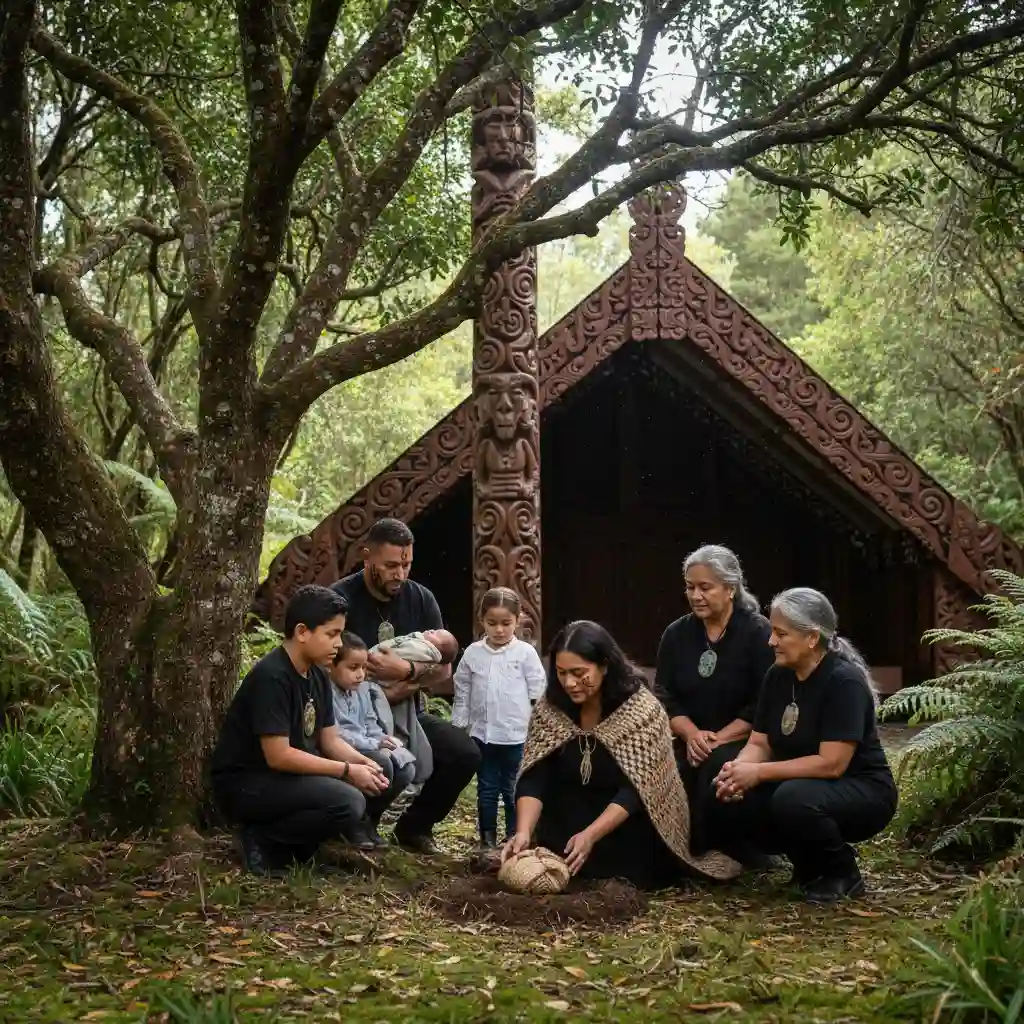
Central to Māori birth practices is the profound spiritual connection to the `whenua` (placenta, but also land). Unlike many cultures where the placenta is discarded, in Te Ao Māori, the whenua is revered as a sacred organ, a life-giving connection between the mother and child, and a physical link to the ancestral lands. The traditional practice involves burying the whenua on ancestral land or a significant place, often under a tree. This act symbolises the pēpi’s lifelong connection to the land, their `whakapapa` (genealogy), and their tūrangawaewae (place where one belongs, standing place). This ritualistic burial is not just a symbolic gesture; it is a spiritual anchor, rooting the child to their heritage and identity from the very beginning of life.
The act of burying the whenua also serves to integrate the new family member into the community and their lineage, reinforcing the concept that a child is not merely born to parents but into an entire whānau, hapū (sub-tribe), and iwi (tribe). This practice underscores the collective responsibility and love that will envelop the child throughout their life. For the mother, witnessing or participating in this ritual can be a powerful and grounding experience, reaffirming her role and connection to her whakapapa.
Acknowledging Tapu and Noa
The postpartum period is a time of intense `tapu` for the mother. This state of tapu requires specific observances and care. The mother might be ritually cleansed or remain in a protected space to ensure her wellbeing and prevent her tapu from being negatively affected or affecting others. Gradually, through specific practices and the passage of time, the mother transitions back to a state of `noa` (ordinary, free from tapu restrictions). This transition is not rushed but allowed to unfold naturally, guided by the wisdom of elders and the needs of the mother and pēpi.
Understanding tapu and noa is crucial for appreciating the depth of Māori postpartum care. It’s not about restriction but about honouring a profound life event and safeguarding the mother’s vitality. The whānau’s role is to create an environment where the mother can fully embody her tapu, allowing her to focus on healing, rest, and nurturing her pēpi without external pressures. This structured support system ensures that the mother’s energy is conserved and directed towards recovery and bonding, laying a strong foundation for her long-term health and the healthy development of her child.
Harakeke and Muka: Traditional Healing and Binding
The native New Zealand flax, `harakeke` (Phormium tenax), is a cornerstone of Rongoā Māori and plays a significant role in postpartum care. Every part of the harakeke plant is valued for its versatility, strength, and healing properties. From its broad leaves to the strong fibres known as `muka`, harakeke has been traditionally used for weaving, medicine, and practical applications, making it an indispensable resource for Māori communities.
Kōpito: Abdominal Binding with Muka
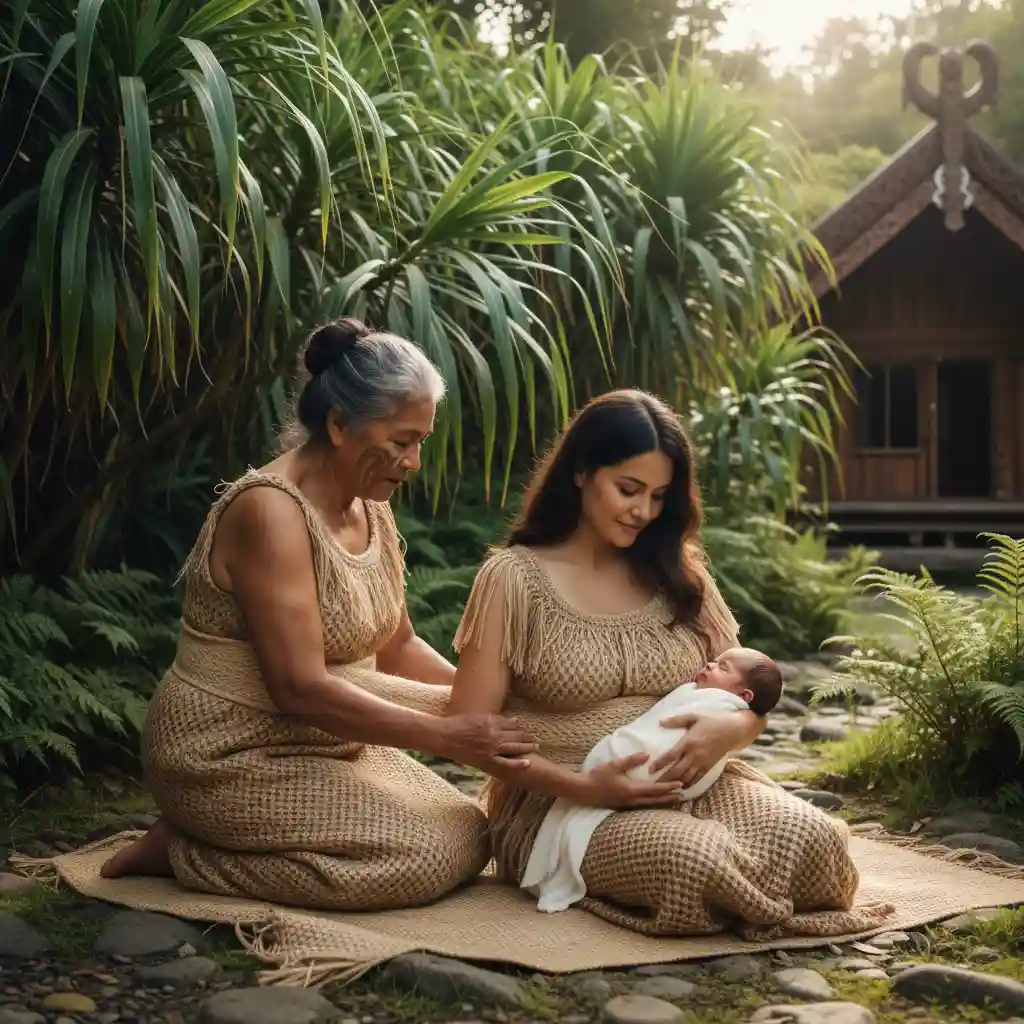
One of the most cherished and effective traditional practices involves the use of muka (flax fibre) for abdominal binding, known as `kōpito` or `whakapukukuru`. This practice supports the mother’s physical recovery by gently compressing and supporting the abdominal muscles and organs as they return to their pre-pregnancy position. After childbirth, a woman’s abdominal muscles are stretched and weakened, and her internal organs are shifting. Kōpito provides external support, alleviating back pain, encouraging good posture, and helping the uterus to contract and shrink.
The muka binding is carefully prepared and applied, often by an experienced kuia (elderly woman) or a skilled practitioner. The bind is firm but comfortable, designed to provide constant, gentle pressure. Beyond the physical benefits, the act of kōpito also carries significant cultural and emotional weight. It signifies the community’s care and acknowledgment of the mother’s journey, offering comfort and security during a vulnerable time. The application of kōpito is often accompanied by karakia (prayers or incantations) to invoke healing and protection, further enhancing its holistic benefits.
Other Uses of Harakeke in Postpartum Care
Beyond abdominal binding, harakeke offers a multitude of applications in postpartum care. The gel-like substance found at the base of the harakeke leaves, known as `wai harakeke` (flax water), has soothing and anti-inflammatory properties. It can be applied topically to soothe sore nipples from breastfeeding, minor cuts, or perineal discomfort. Its natural emollients can also help to moisturize and protect the skin.
Furthermore, poultices made from crushed harakeke leaves, sometimes combined with other Rongoā plants, can be applied to aid in wound healing or to reduce swelling. The strength and absorbency of prepared harakeke fibres were also historically used for various hygienic purposes, demonstrating the plant’s incredible utility and the deep understanding of its properties within Rongoā Māori. The use of harakeke extends to crafting comfortable, supportive mats or bedding for the mother and pēpi, ensuring comfort during rest periods.
Native Plants for Postpartum Recovery and Lactation Support
Rongoā Māori, the traditional Māori system of medicine, relies heavily on the rich biodiversity of Aotearoa (New Zealand)’s native flora. For postpartum mothers, specific plants are utilised for their healing, restorative, and lactogenic properties, administered through teas, poultices, or balms. The knowledge of these plants and their applications is passed down through generations, embodying centuries of observation and practice.
Kawakawa: A Versatile Rongoā Plant
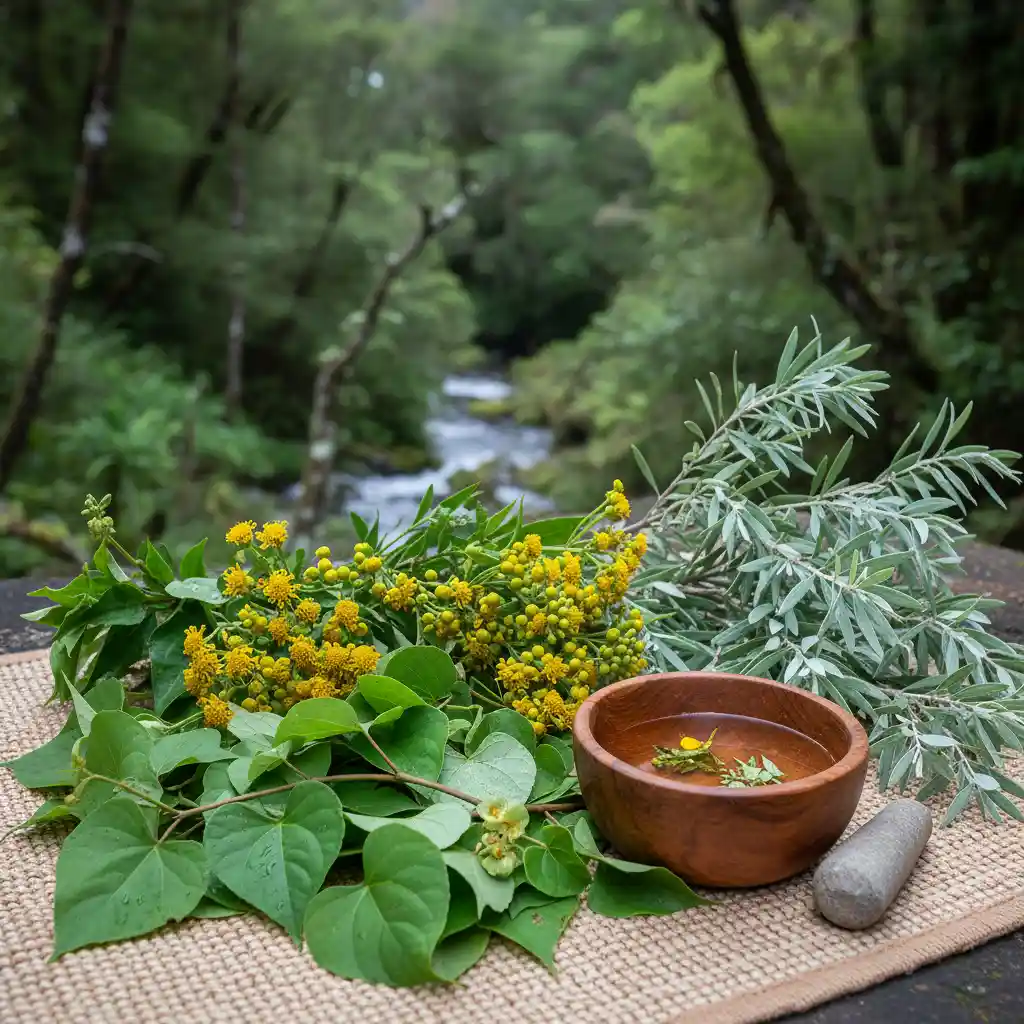
`Kawakawa` (Macropiper excelsum) is arguably one of the most significant and widely used Rongoā plants. Recognisable by its heart-shaped leaves, kawakawa possesses powerful anti-inflammatory, analgesic, and antiseptic properties. In postpartum care, kawakawa is invaluable.
A tea made from kawakawa leaves can be consumed to aid internal healing, reduce inflammation, and alleviate general discomfort and pain. It is also believed to have a calming effect, supporting the mother’s emotional well-being. Externally, kawakawa poultices or balms can be applied to soothe episiotomy wounds, haemorrhoids, or muscle aches. The leaves can also be added to a warm bath for a therapeutic and relaxing soak, promoting perineal healing and general relaxation. Its antimicrobial properties help prevent infection, while its soothing nature brings comfort.
Kūmarahou and Hōhere: Supporting Milk Supply
Lactation support is a critical aspect of postpartum care, ensuring the pēpi receives vital nourishment and fostering the breastfeeding bond. Native plants like `kūmarahou` (Pomaderris kumeraho) and `hōhere` (Hoheria populnea or lacebark species) are traditionally used to support and enhance milk production.
Kūmarahou, often prepared as a tonic or tea, is highly regarded for its cleansing and strengthening properties. It is believed to help clear blockages and invigorate the body, which can indirectly support milk flow. Its slightly bitter taste is often attributed to its medicinal efficacy. Hōhere, with its delicate white flowers, is another plant traditionally used as a galactagogue, believed to promote and increase breast milk supply. These plants are administered with careful consideration, often in conjunction with specific dietary recommendations and practices designed to optimize maternal health and milk production. The preparation often involves steeping the leaves or bark in hot water, creating a potent infusion.
The Role of Tohunga and Traditional Knowledge
The application of Rongoā Māori is not a self-prescribed practice. It is deeply embedded in a system of knowledge held by `tohunga rongoā` (traditional Māori healers) and kuia who possess profound understanding of the plants, their preparation, and their appropriate use. These experts consider the individual’s specific needs, constitutional type, and the nature of their symptoms before recommending a course of treatment. This personalised approach ensures safety and efficacy.
Consultation with a tohunga ensures that the correct plant is used, in the correct dosage and preparation method, and with the appropriate accompanying karakia. This respect for traditional knowledge and the guidance of tohunga underscores the holistic and spiritual dimensions of Rongoā Māori, ensuring that physical healing is supported by spiritual well-being and cultural integrity. Their role is pivotal in bridging the ancient wisdom with contemporary needs, ensuring that this invaluable knowledge continues to serve new mothers.
Mental Wellbeing and Whānau Support Structures
Traditional Māori postpartum care fundamentally recognises that a mother’s mental and emotional state is as crucial as her physical recovery. The holistic approach encompasses `hinengaro` (mind), `wairua` (spirit), and `tinana` (body), acknowledging that these elements are intricately interconnected. The postpartum period can be a time of immense emotional fluctuation, vulnerability, and psychological adjustment. Traditional Māori practices are designed to provide a robust scaffolding of support, buffering against potential mental health challenges such as postpartum depression and anxiety.
The concept of `whanaungatanga` (kinship, relationship, sense of family connection) is paramount. It describes the deep familial bonds and the collective responsibility to care for one another. For a new mother, this translates into an immersive support system where she is nurtured, protected, and relieved of domestic duties, allowing her to fully immerse herself in rest, recovery, and bonding with her pēpi.
The Whakapapa of Care: Multigenerational Support
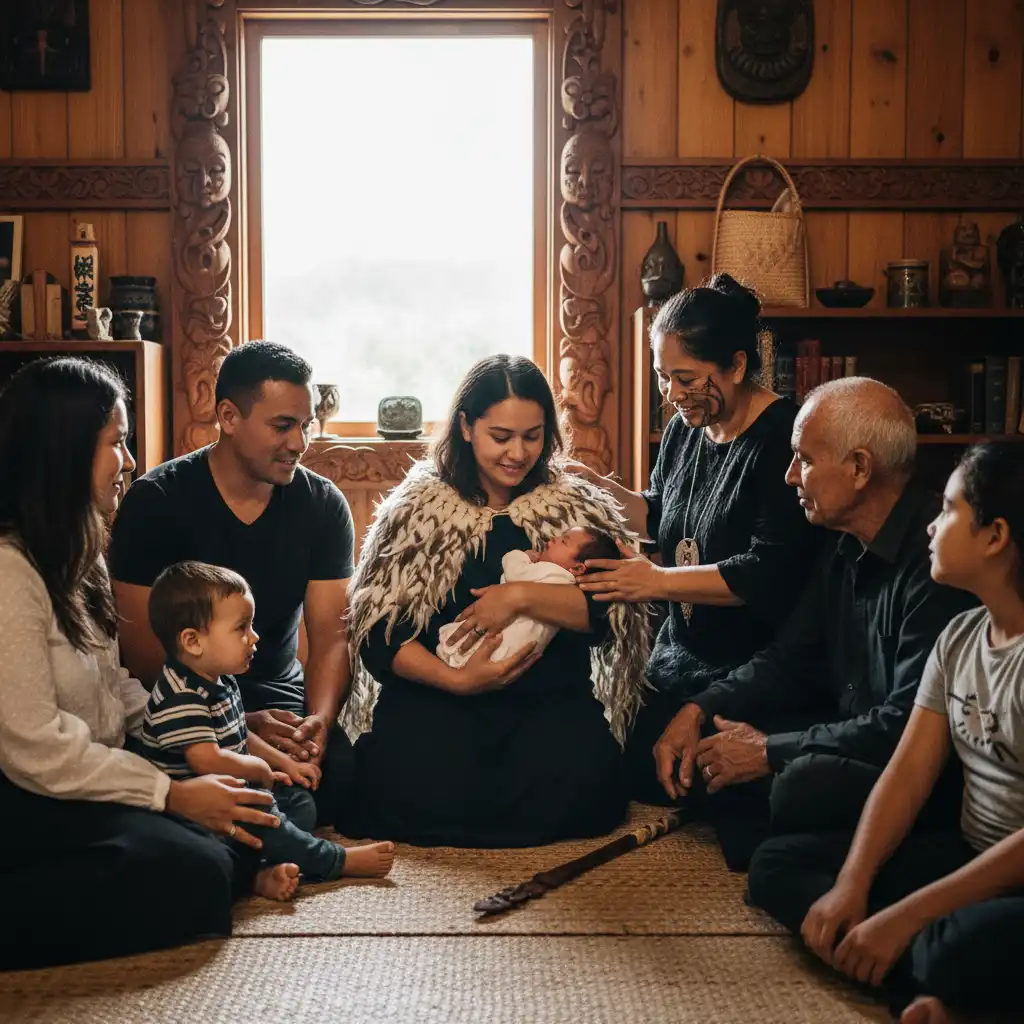
The care provided to a new mother is often multigenerational. Kuia (grandmothers and elders) play a central role, drawing upon their vast experience and ancestral wisdom. They provide guidance, practical assistance, and emotional reassurance. Aunts, sisters, and other female relatives often step in to manage household chores, cook nutritious meals, care for older children, and provide companionship. This collective effort ensures that the mother’s only focus is herself and her pēpi.
This traditional structure contrasts sharply with the often isolated experience of motherhood in many Western societies, where mothers are expected to manage independently. In Te Ao Māori, isolation is actively prevented, and the mother is enveloped in a web of love and support. This continuous presence of trusted whānau members helps mitigate feelings of loneliness, overwhelm, and inadequacy, fostering a sense of security and belonging. The sharing of stories, laughter, and wisdom within this supportive environment is therapeutic in itself.
Emotional and Spiritual Nourishment
Beyond practical assistance, traditional Māori postpartum care prioritises emotional and spiritual nourishment. This can include `kōrero` (talking, open communication) where the mother feels safe to express her feelings, fears, and joys without judgment. Elders often share their own experiences, offering guidance and normalising the challenges of new motherhood.
Spiritual practices such as `karakia` (prayers, incantations) are often offered for the mother and pēpi, invoking protection, strength, and blessings. These practices reinforce the spiritual significance of the new life and the mother’s journey. Being surrounded by her cultural practices and language provides a profound sense of identity and grounding, further contributing to her mental well-being. This spiritual connection is believed to strengthen the mother’s `mauri` (life force) and foster a deeper bond with her pēpi and ancestors.
Honouring the Mother’s Journey
The traditional Māori approach honours the mother’s journey into a new phase of life, recognising her transformation and the immense energy expended during childbirth. The entire community ensures she is well-rested, well-fed, and emotionally buoyant. There is no expectation for her to ‘bounce back’ quickly; instead, she is given the time and space to heal completely, both physically and emotionally. This deliberate slowing down allows for profound bonding between mother and pēpi, establishing a secure attachment that is crucial for the child’s development.
The focus on rest, warmth, and nourishment ensures the mother’s vitality is restored. Warmth is considered essential for healing, both externally through warmth-giving foods and internally through protected spaces. Nutritious, easy-to-digest foods are prepared, often by other whānau members, freeing the mother from culinary duties. This comprehensive approach is a testament to the deep respect held for mothers and the foundational role they play within the whānau and community.
The Enduring Legacy of Traditional Māori Postpartum Care
Traditional Māori postpartum care is far more than a set of practices; it is a philosophy of care deeply embedded in the principles of Te Ao Māori. It champions a holistic view of health, where physical, mental, emotional, and spiritual well-being are inextricably linked. The profound emphasis on community support, ancestral wisdom, and reverence for the natural world offers invaluable lessons for contemporary maternal care.
In an era where new mothers often face isolation and immense pressure, the enduring wisdom of traditional Māori practices provides a powerful counter-narrative. It reminds us of the critical importance of a dedicated ‘fourth trimester,’ where the mother is not merely recovering but undergoing a sacred transformation, deserving of unwavering care, protection, and love from her entire community. Integrating aspects of this traditional care, such as extended rest, community involvement, and the use of natural remedies, could offer significant benefits to mothers in all cultures, fostering stronger families and healthier communities. The continued revitalisation and celebration of these practices ensure that generations to come will benefit from this rich cultural inheritance, promoting a more compassionate and comprehensive approach to welcoming new life into the world.
People Also Ask About Traditional Māori Postpartum Care
What is the ‘fourth trimester’ in traditional Māori understanding?
In traditional Māori understanding, the ‘fourth trimester’ is a sacred and extended postpartum period, often lasting 100 days or more, dedicated entirely to the mother’s holistic healing (physical, mental, emotional, spiritual) and bonding with her pēpi (baby). It emphasizes rest, nourishment, and comprehensive support from the whānau (family).
Why is the placenta (whenua) so important in Māori postpartum practices?
The whenua (placenta) is profoundly sacred in Te Ao Māori, symbolising the life-giving connection between mother and child and a physical link to ancestral lands. Burying the whenua on ancestral land roots the child to their whakapapa (genealogy) and tūrangawaewae (place of belonging), establishing their identity and connection to the land and community.
How is harakeke (flax) used for postpartum healing?
Harakeke is used extensively. Its strong fibres (muka) are traditionally used for kōpito (abdominal binding) to support the mother’s core and aid recovery. The gel from the leaves (wai harakeke) soothes sore nipples or perineal discomfort, and poultices can reduce swelling and promote wound healing due to its anti-inflammatory properties.
What native plants support lactation in Rongoā Māori?
Native plants like kūmarahou and hōhere are traditionally used as galactagogues in Rongoā Māori to support and enhance breast milk supply. Kawakawa, known for its versatile healing properties, also aids general maternal well-being which indirectly supports lactation and overall recovery.
What role does whānau (family) play in Māori postpartum care?
Whānau plays a critical, comprehensive role, providing multigenerational support. They manage household chores, cook nutritious meals, care for older children, and offer emotional and spiritual comfort. This collective care ensures the mother can focus solely on rest, recovery, and bonding with her pēpi, preventing isolation and strengthening community bonds.
How does traditional Māori care address a new mother’s mental well-being?
Traditional Māori care holistically supports mental well-being through robust whānau support, preventing isolation and providing safe spaces for kōrero (open communication). Elders share wisdom and experiences, and karakia (prayers) offer spiritual nourishment. This integrated approach fosters a strong sense of belonging, reduces stress, and honours the mother’s transformative journey.