
Science based maternal safety is the systematic application of rigorous clinical research, peer-reviewed data, and established regulatory protocols to ensure the physical and emotional well-being of mothers and infants. It prioritizes evidence-based medicine and standardized safety certifications over anecdotal trends to minimize health risks and optimize care outcomes.
The Core Pillars of Science-Based Maternal Care
In an era dominated by social media influencers and anecdotal advice, distinguishing between marketing trends and science based maternal safety is critical for new parents. True safety in maternal and infant health is not merely about using “natural” products or following traditional practices; it is about adhering to protocols that have withstood the rigors of the scientific method.
The foundation of science-backed safety rests on three primary pillars: clinical trials, epidemiological surveillance, and peer review. Clinical trials allow researchers to test interventions—whether they are pharmaceuticals, surgical techniques, or behavioral guidelines—in controlled settings to determine efficacy and risk profiles. Epidemiological surveillance involves tracking population health data to identify trends, such as the correlation between sleep positions and Sudden Infant Death Syndrome (SIDS). Finally, the peer review process ensures that any claim regarding safety is scrutinized by independent experts before it becomes a standard of care.
By relying on these pillars, healthcare providers can offer recommendations that statistically maximize survival rates and health outcomes. For expectant families, understanding this hierarchy of evidence is the first step in making informed decisions that go beyond fear-based marketing.

Understanding Maternal Health Regulations
Maternal safety is heavily governed by a complex framework of regulations designed to protect patients from malpractice, unsafe devices, and unverified treatments. In the United States and many developed nations, agencies like the Food and Drug Administration (FDA) and the Centers for Disease Control and Prevention (CDC) play pivotal roles.
The Role of Regulatory Agencies
Regulatory bodies are responsible for approving prenatal vitamins, monitoring the safety of ultrasound equipment, and establishing guidelines for labor and delivery units. For instance, the CDC’s Maternal Mortality Review Committees gather granular data on maternal deaths to create actionable recommendations that hospitals implement to prevent future tragedies. These regulations are not static; they evolve as new scientific data emerges.
Hospital Safety Protocols
Within the hospital setting, science based maternal safety manifests through standardized protocols known as “bundles.” These are sets of evidence-based practices that, when performed collectively and reliably, improve patient outcomes. Common safety bundles address obstetric hemorrhage and severe hypertension in pregnancy. By removing variation in care and adhering to strict scientific guidelines, hospitals have significantly reduced preventable maternal morbidity.
Evidence-Based Infant Care Protocols
Once the baby arrives, the focus shifts to infant safety. This is perhaps the area most susceptible to misinformation. Science-based care for infants focuses heavily on respiratory safety, nutritional adequacy, and immunological protection.
The Science of Safe Sleep
One of the most profound successes of science-based safety campaigns is the “Back to Sleep” initiative. Research identified a strong statistical link between prone (stomach) sleeping and SIDS. By advising parents to place babies on their backs, SIDS rates dropped dramatically. This recommendation is based on infant anatomy and respiratory physiology, specifically the position of the trachea relative to the esophagus, which minimizes the risk of aspiration and suffocation.
Nutritional Standards
Whether parents choose breast milk or formula, science dictates the safety standards for both. Breastfeeding recommendations are based on studies showing immunological benefits, while infant formula is one of the most highly regulated food products in the world. Manufacturers must adhere to strict nutrient specifications to ensure proper brain development and growth, preventing conditions like malnutrition or electrolyte imbalances.

Navigating Safety Standards for Consumer Products
For modern parents, the marketplace is a minefield of products claiming to be “safe.” However, science based maternal safety requires looking for specific certifications that validate these claims through physical testing.
Crash Testing and Car Seats
Car seat safety is purely a matter of physics and engineering. Regulations require seats to undergo rigorous crash testing to ensure they can withstand impact forces and protect the infant’s developing spine and neck. The recommendation to keep children rear-facing for as long as possible is based on the biomechanics of a crash; a rear-facing seat distributes the force of a collision along the entire back of the child, rather than concentrating it on the harness points.
Chemical Safety and Certifications
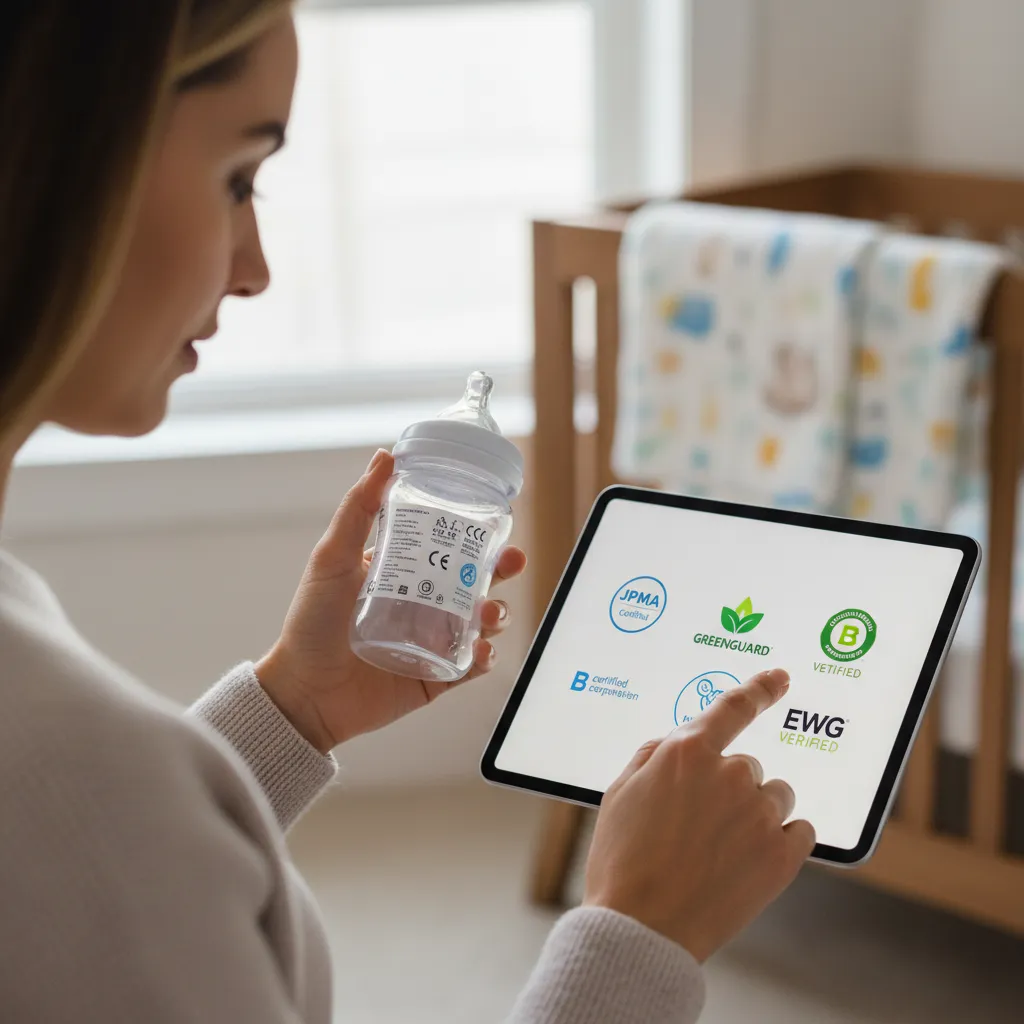
When selecting cribs, strollers, and toys, parents should look for certifications like GREENGUARD Gold or JPMA (Juvenile Products Manufacturers Association). These seals indicate that products have been tested for volatile organic compounds (VOCs), lead, phthalates, and structural integrity. Science-backed safety means understanding that “chemical-free” is an impossible marketing term; instead, the goal is “toxicant-free” or “low-emission” products that do not exceed safety thresholds established by toxicologists.
The Physiology of Postpartum Safety
Maternal safety extends well into the postpartum period, often referred to as the “fourth trimester.” This phase is critical because the maternal body undergoes rapid physiological changes as it returns to a non-pregnant state.
Monitoring for Complications
Scientific guidelines emphasize the importance of monitoring for postpartum preeclampsia, infection, and hemorrhage. Unlike traditional advice that might dismiss headaches or swelling as “normal” fatigue, science-based care creates specific red-flag lists. If a new mother experiences specific symptoms, immediate medical intervention is required based on the known pathophysiology of postpartum complications.
Mental Health Screening
Mental health is a crucial component of safety. Postpartum depression and anxiety are medical conditions driven by hormonal fluctuations and neurochemical changes. Science-based safety protocols now mandate routine screening using validated tools like the Edinburgh Postnatal Depression Scale. Treating mental health with the same urgency as physical health prevents long-term developmental issues for the child and safety risks for the mother.
Environmental Toxicology and the Home
Creating a safe home environment involves understanding environmental toxicology. This includes air quality, water purity, and surface sanitation.
Air Quality and Respiratory Health
Indoor air quality can significantly impact infant respiratory health, as their lungs are still developing. Science-based recommendations suggest maintaining proper humidity levels to support mucosal immunity and using HEPA filters to reduce allergen load. Avoiding smoke exposure is non-negotiable, as second-hand and third-hand smoke are proven carcinogens and respiratory irritants.
Water Safety for Formula and Sanitation
For formula-fed infants, the safety of the water source is paramount. While boiling water is a traditional method for sterilization, modern guidelines also focus on lead levels in piping and nitrate levels in well water. Using filtered or distilled water when necessary is a decision based on chemical analysis, ensuring that the infant’s developing kidneys are not overwhelmed by contaminants.
Conclusion: Empowering Parents with Data
Embracing science based maternal safety is about empowerment. It shifts the parenting paradigm from one of anxiety and guesswork to one of confidence and knowledge. By understanding the rigorous testing behind car seats, the physiological reasons for sleep guidelines, and the regulatory frameworks protecting hospital care, parents can navigate the early years with assurance.
Ultimately, the goal of science-backed care is to provide a safety net woven from data, research, and clinical expertise. As medical science advances, so too will our ability to protect the most vulnerable among us, ensuring that every mother and child has the best possible start in life.
People Also Ask
What is science based maternal safety?
Science based maternal safety refers to care practices, product choices, and medical interventions that are supported by clinical research, peer-reviewed studies, and regulatory standards to ensure the health of mothers and babies.
Why is evidence-based care important for infants?
Evidence-based care relies on proven data rather than tradition or opinion, significantly reducing risks like SIDS, malnutrition, and preventable diseases through validated protocols.
How can I verify if a baby product is safe?
Look for certifications from reputable organizations such as the JPMA, GREENGUARD Gold, or compliance with CPSC (Consumer Product Safety Commission) standards, which require rigorous physical and chemical testing.
What are the most critical safety standards for newborns?
The most critical standards include the “Back to Sleep” protocol for SIDS prevention, proper car seat installation guidelines, and FDA regulations regarding infant formula nutrition and safety.
Does “natural” mean safer for maternal health?
Not necessarily. While some natural products are safe, “natural” is a marketing term not strictly regulated. Science-based safety focuses on toxicity levels, efficacy, and clinical testing regardless of the source.
What organizations regulate maternal safety?
Key organizations include the World Health Organization (WHO), the Centers for Disease Control and Prevention (CDC), and the American Academy of Pediatrics (AAP).