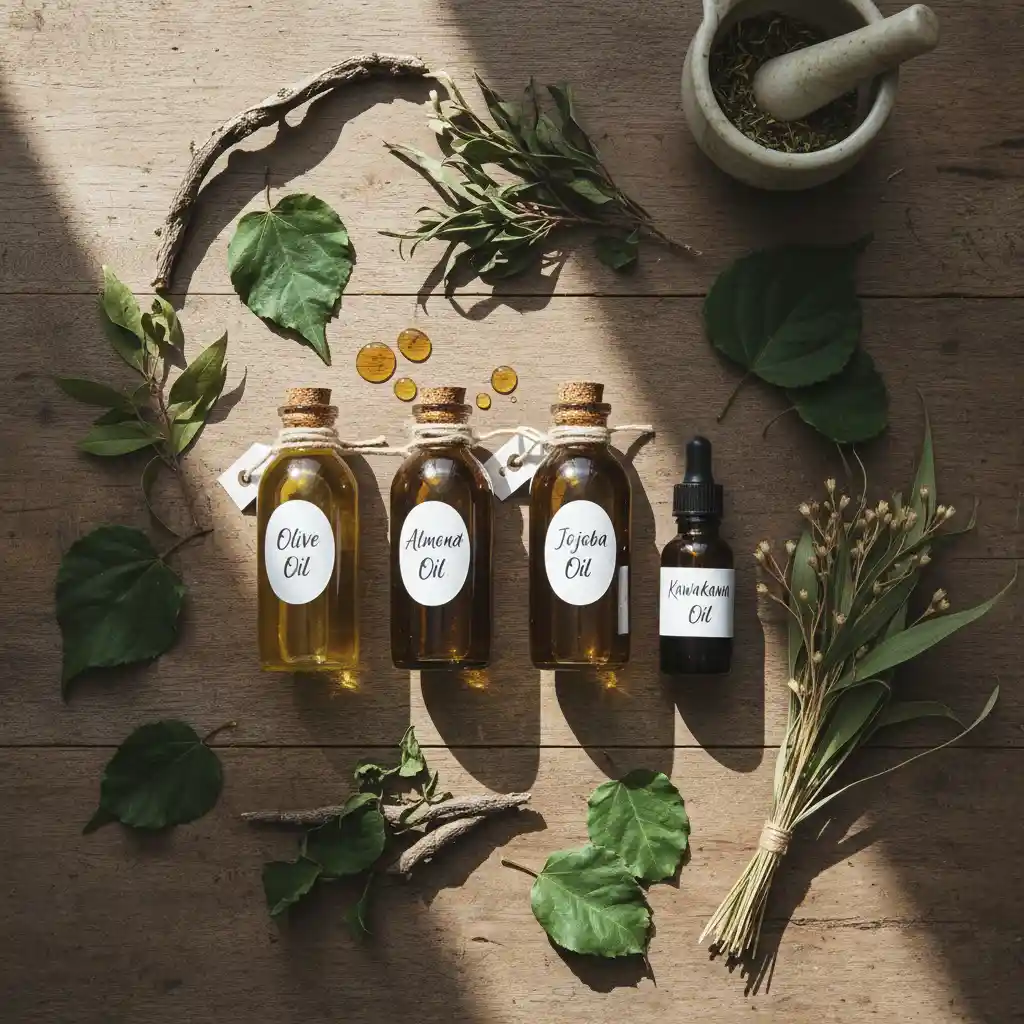
To create a potent kawakawa balm recipe, begin by harvesting healthy leaves with respect to tikanga, and allowing them to semi-dry to reduce moisture content. Infuse the leaves in a stable carrier oil (such as olive or sweet almond oil) using a double boiler method on low heat for 4 to 6 hours. Once strained, combine the warm infused oil with beeswax at a ratio of approximately 5 parts oil to 1 part beeswax, stirring until melted before pouring into sterilized tins to set.
The Cultural Significance and Tikanga of Rongoā
Creating herbal medicine in Aotearoa (New Zealand) is not merely a chemical process of extraction; it is a spiritual practice deeply rooted in Te Ao Māori (the Māori world). When approaching a kawakawa balm recipe, one is engaging with Rongoā Rākau (plant medicine), which requires adherence to specific protocols known as Tikanga.
The efficacy of the balm is believed to be directly linked to the respect shown during the harvesting process. Before harvesting any plant material, it is customary to say a karakia (prayer) to acknowledge Tāne Mahuta (the guardian of the forest) and to ask permission to take from the plant for healing purposes. This sets a clear intention and honors the life force (mauri) of the rākau.
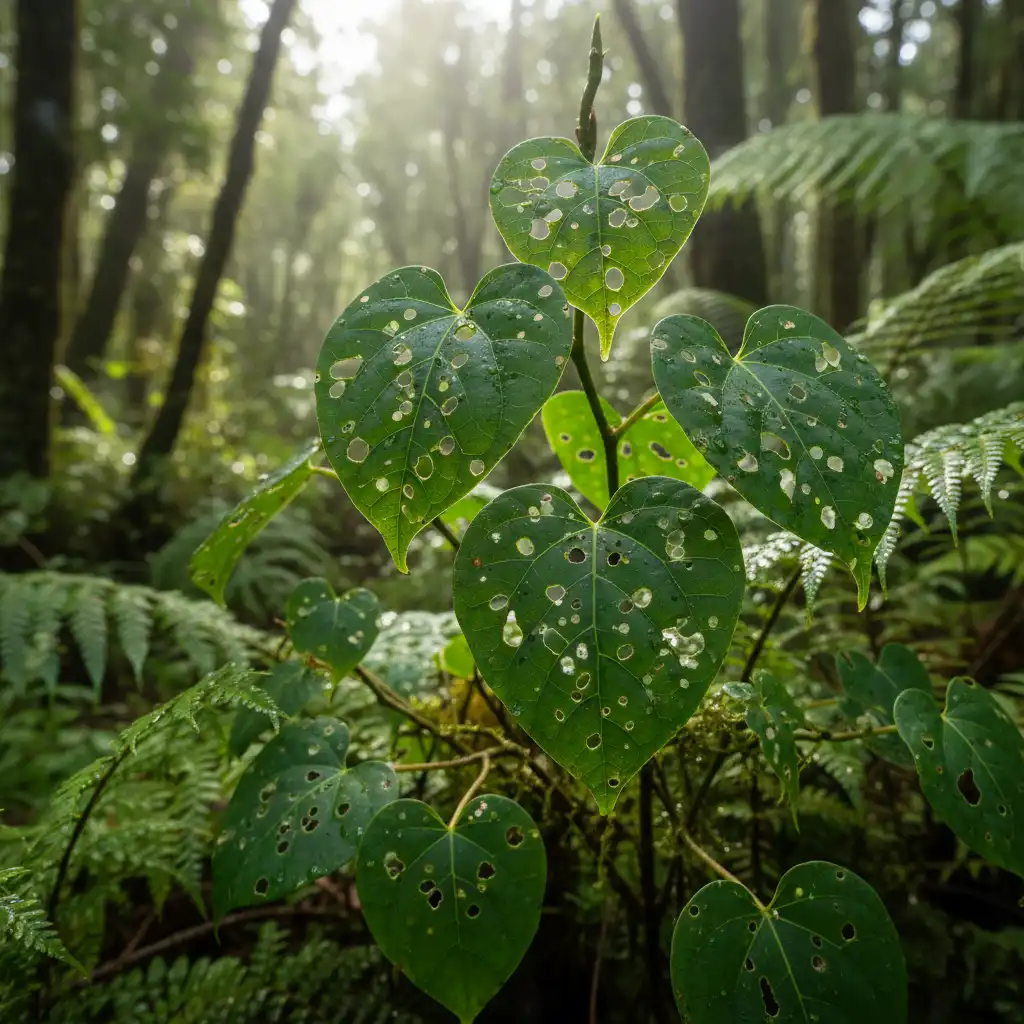
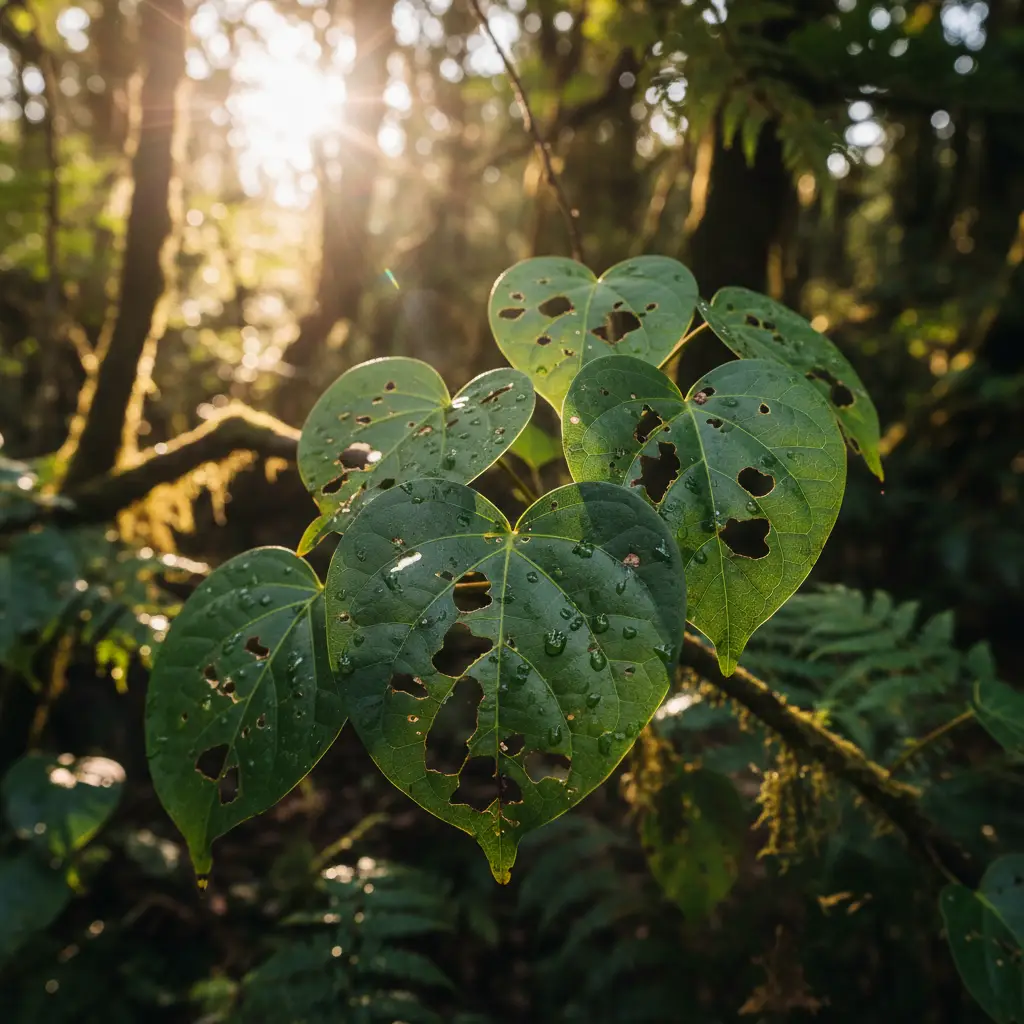
Furthermore, sustainability is a core tenet of traditional harvesting. We never strip a tree bare. The general rule is to harvest from the east side (the side of the rising sun), never take the central shoot (the child/rito), and never take the leaves directly surrounding it (the parents). Instead, we harvest the older leaves—specifically those with holes eaten by the looper moth caterpillar (Cleora scriptaria). These holes are a sign of potency; the plant has produced higher concentrations of secondary metabolites, such as myristicin, to defend itself against the insects, making these leaves the most medicinal.
Understanding the Plant: Kawakawa Properties
Macropiper excelsum, commonly known as Kawakawa or the NZ Pepper Tree, is a powerhouse of pharmacological activity. While traditional use spans centuries, modern science has begun to validate the chemical mechanisms behind this plant’s legendary healing status. The primary active constituent is myristicin, a phenylpropene that provides significant analgesic (pain-relieving) and anti-inflammatory properties.
When applied topically in the form of a balm, Kawakawa is exceptional for:
- Eczema and Psoriasis: Its anti-inflammatory nature helps soothe red, irritated skin.
- Cuts and Abrasions: Antimicrobial properties assist in preventing infection while accelerating tissue repair.
- Bruising and Joint Pain: The analgesic effect acts as a mild numbing agent, stimulating circulation to bruised areas.
- Insect Bites: It effectively reduces the histamine response, calming the itch of mosquito or sandfly bites.
Preparation: Harvesting and Drying Plant Material
One of the most common mistakes in homemade herbalism is introducing water into an oil-based product. Water is the enemy of shelf-life, as it creates an environment where bacteria and mold can thrive. Fresh Kawakawa leaves contain a significant amount of water.
Once you have harvested your leaves with gratitude, wash them gently to remove dust or debris, and then pat them dry. The critical step that follows is “wilting” or semi-drying. Lay the leaves out on a clean rack or paper towel in a warm, dry place (out of direct sunlight) for 24 to 48 hours. The goal is not to make them crispy or brittle, but to allow them to become limp and lose a portion of their moisture content. This ensures a potent oil infusion without the risk of the final balm going rancid quickly.
The Infusion Process: Double Boiler Method
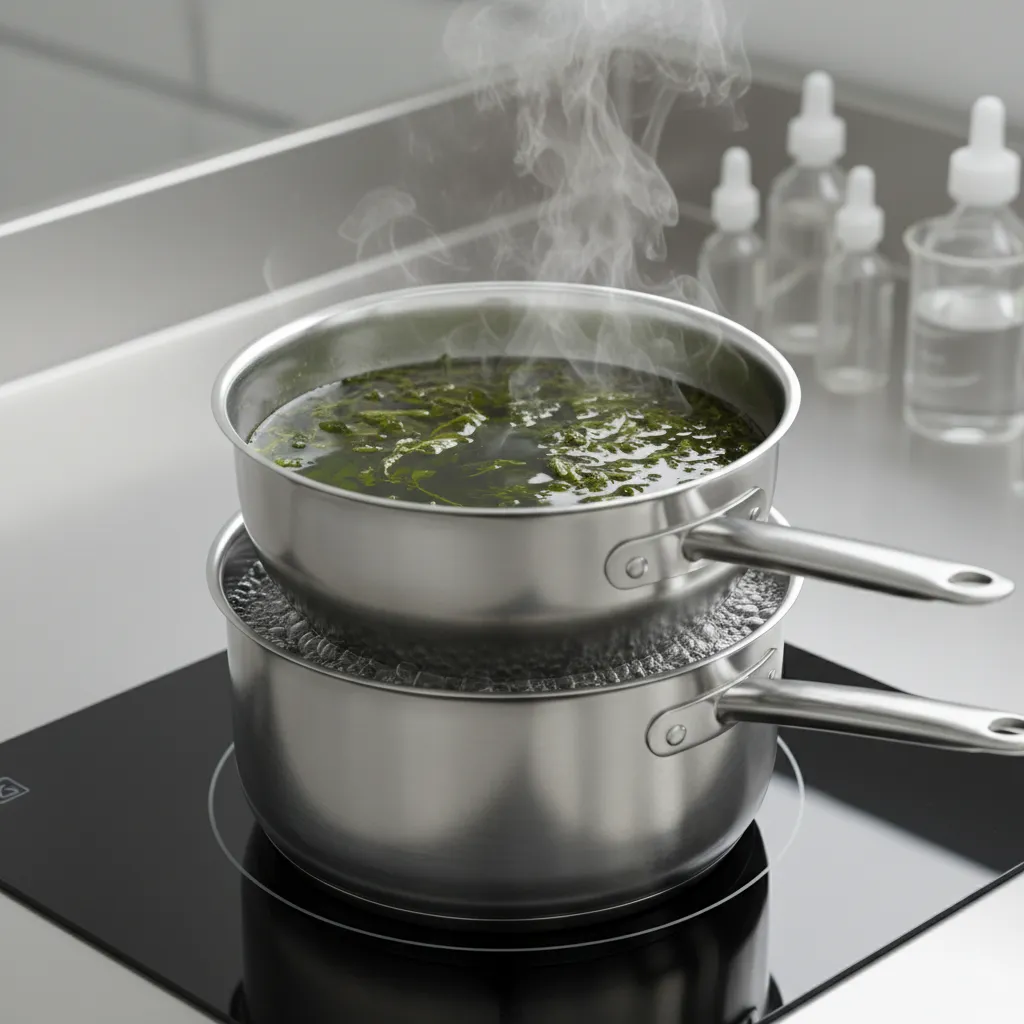
While traditional methods might have involved steeping leaves in animal fats over a fire, or the slower “solar infusion” method which takes weeks, the modern double boiler technique offers a perfect balance of speed, sanitation, and temperature control. High heat can destroy the delicate therapeutic compounds in the plant, so a gentle, indirect heat is essential.
The Carrier Oil:
Before infusing, choose your carrier oil.
- Olive Oil: The traditional choice for many modern herbalists. It is shelf-stable, nourishing, and has a long history of use.
- Sweet Almond Oil: Lighter and absorbs faster than olive oil, making it good for facial balms.
- Coconut Oil: Adds antimicrobial properties but can change the consistency of the balm depending on the ambient temperature.
- Sunflower Oil: High in Vitamin E, but has a shorter shelf life.
The Ultimate Kawakawa Balm Recipe
This recipe yields approximately 250ml of finished balm. It is scalable; simply maintain the ratios.
Ingredients
- 2 cups of loosely packed, wilted Kawakawa leaves (torn into small pieces to increase surface area).
- 2 cups (500ml) of high-quality Cold Pressed Olive Oil (or carrier of choice).
- 60g – 80g of Beeswax pellets (use organic yellow beeswax for a honey scent, or white refined beeswax for a neutral scent).
- 1 tsp Vitamin E Oil (optional, as a preservative antioxidant).
Equipment
- Double boiler (or a glass bowl sitting over a pot of simmering water).
- Muslin cloth or cheesecloth for straining.
- Clean glass jar for the initial infusion.
- Sterilized tins or glass jars for the final product.
- Wooden spoon or chopstick.
Step-by-Step Instructions
- Prepare the Bath: Fill the bottom pot of your double boiler with water and bring it to a gentle simmer. Place the top pot (or glass bowl) on top. Ensure the water does not touch the bottom of the top bowl.
- Combine: Add your wilted, torn Kawakawa leaves and the carrier oil to the top bowl. The oil should completely submerge the leaves.
- Infuse: Let the mixture heat gently for 4 to 6 hours. The oil temperature should remain around 40°C – 50°C (100°F – 120°F). Do not let it fry; if the leaves start sizzling, the heat is too high. The oil will turn a deep, vibrant emerald green.
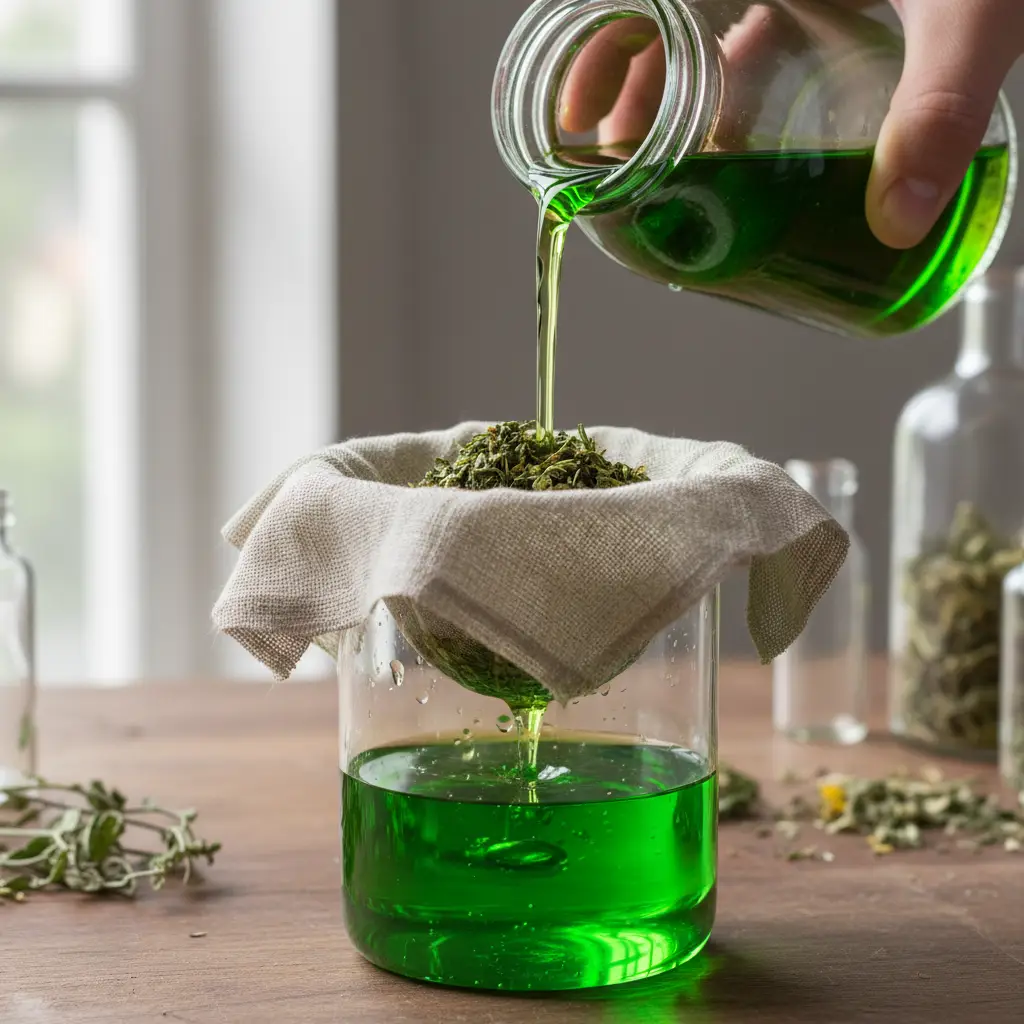
- Strain: Line a sieve with muslin cloth and place it over a clean bowl. Pour the oil and leaf mixture through. Gather the corners of the cloth and squeeze tightly to extract every drop of the potent oil (the “green gold”). Discard the spent leaves to your compost.
- Melt Wax: Return the infused oil to the double boiler (cleaned) or a clean heat-proof jug. Add the beeswax pellets. Stir until the wax is completely dissolved.
- Check Consistency: (See the “Spoon Test” below).
- Pour: Remove from heat. If using Vitamin E or essential oils, add them now and stir well. Pour immediately into your sterilized tins or jars.
- Set: Allow the balms to cool completely undisturbed (usually 1-2 hours) before putting the lids on.
Refining Your Formulation: Ratios and Consistency
The difference between a salve, a balm, and an ointment often comes down to the ratio of wax to oil. The standard ratio for a spreadable kawakawa balm recipe is typically 1 part beeswax to 5 parts oil (1:5). However, this is not a rigid rule and should be adjusted based on your climate and intended use.
The Spoon Test
Before pouring your entire batch, dip a cold metal spoon into your hot oil/wax mixture. Pull it out and let it sit for a minute. It will harden rapidly. Test the consistency with your finger:
- Too Hard? If it drags on the skin or is difficult to scoop, add more infused oil.
- Too Soft? If it is runny or melts too easily (messy for pockets), add more beeswax.
If you are making this balm for a tropical climate or summer use, aim for a 1:4 ratio for a firmer product. For winter use or for a massage balm, a 1:6 ratio provides a softer glide.
Incorporating Essential Oils: Pros and Cons
Traditional Rongoā Māori preparations generally rely on the scent of the plant material and the earthiness of the fat/oil. However, modern formulations often include essential oils. Here is a professional breakdown of whether you should include them.
The Pros
- Synergy: Adding Manuka or Kanuka essential oil can boost the antibacterial and antifungal properties of the balm, creating a “super-balm” for infections.
- Aromatherapy: Lavender can be added to nighttime balms to aid sleep, or Eucalyptus for chest rubs.
- Preservation: Some essential oils have mild preservative qualities.
The Cons
- Sensitization: Essential oils are potent. Adding them increases the risk of contact dermatitis, especially for users with sensitive skin or for balms intended for babies (nappy balm).
- Dilution Safety: You must adhere to safe dilution rates (usually 1-2% for adults, 0.5% for children).
- Masking: Strong essential oils can mask the natural, peppery, earthy scent of the Kawakawa, which many users find grounding and authentic.
Recommendation: If you are making a general-purpose healing balm for the whole family (including infants), stick to the pure Kawakawa infusion and beeswax. If creating a specific muscle rub, adding Manuka oil is an excellent choice.
Labeling, Storage, and Shelf-Life
Even a perfectly executed kawakawa balm recipe can be ruined by poor storage. Because this is an anhydrous product (contains no water), it does not require a broad-spectrum preservative like a lotion would. However, oils can go rancid (oxidize).
Shelf-Life Expectations
A balm made with fresh olive oil and stored correctly should last 12 to 18 months. Adding Vitamin E (Tocopherol) at 0.5% helps retard oxidation, extending the freshness of the oils.
Labeling Requirements
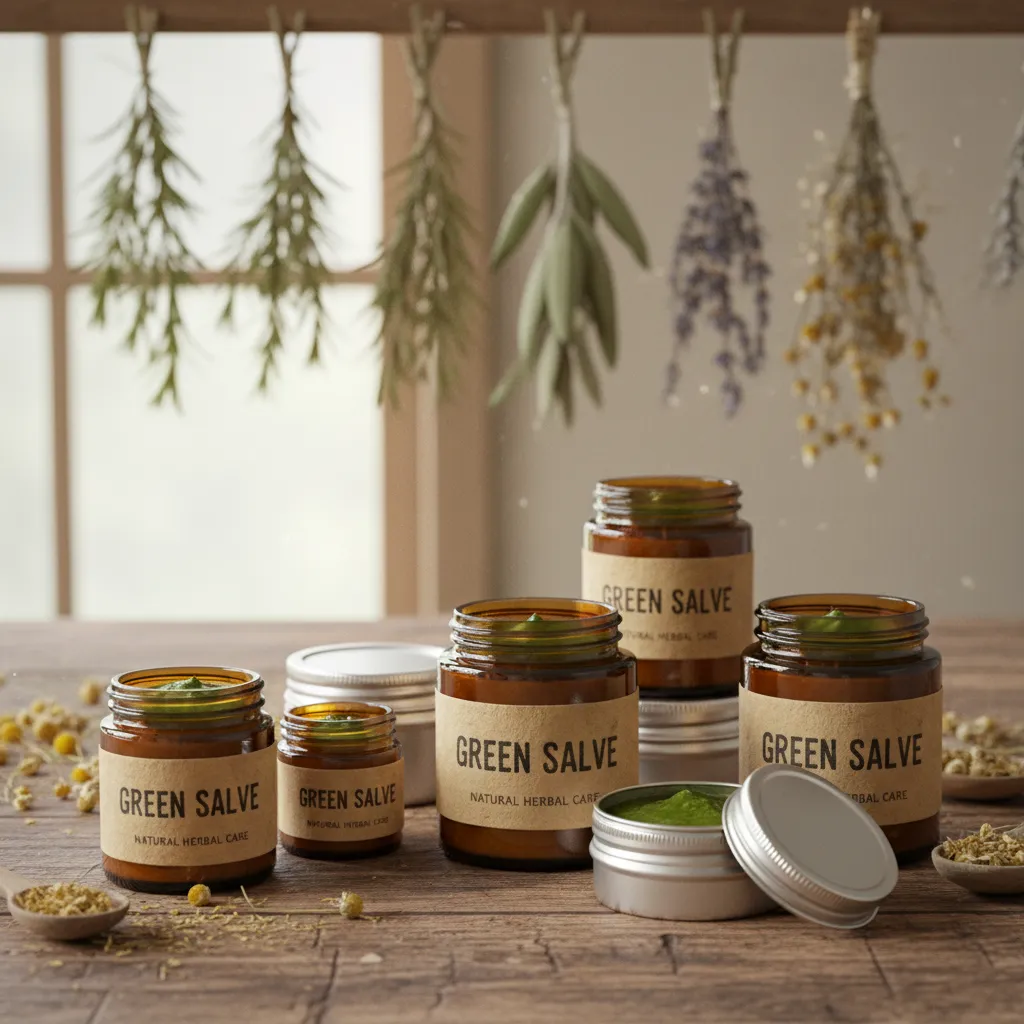
For personal use, a simple date is sufficient. If you plan to sell or gift your balms, professional labeling is crucial. Your label should include:
- Product Name (e.g., Traditional Kawakawa Balm).
- Full Ingredient List (INCI names are preferred for sales, e.g., Macropiper excelsum leaf extract).
- Batch Number and Date of Manufacture.
- Usage Instructions.
- Safety Warnings (e.g., “External Use Only”).
Safety and Contraindications
Kawakawa is generally considered very safe for topical use. However, as a professional herbalist, I must advise on a few precautions:
- Patch Test: Always recommend a patch test on the inner arm 24 hours before full use, especially if essential oils are added.
- Deep Wounds: Do not apply oil-based balms to deep, puncture, or weeping wounds that need to breathe. Balms seal moisture in, which can trap bacteria in deep anaerobic wounds. Use a wash or poultice for these initially, and switch to balm once the wound has closed/scabbed.
- Allergies: Be mindful of the carrier oil. Avoid Sweet Almond oil if there are nut allergies in the family; stick to Olive or Sunflower oil.
Frequently Asked Questions
Can I use dried kawakawa leaves instead of fresh?
Yes, you can use fully dried leaves. In fact, fully dried leaves eliminate the risk of water contamination and mold. However, many herbalists believe that using fresh, wilted leaves captures a wider spectrum of the plant’s volatile oils and mauri (life force). If using fully dried leaves, you may need to infuse slightly longer to extract the chlorophyll.
Why is my balm grainy?
Graininess occurs due to temperature fluctuations as the balm cools, causing the fatty acids in the butter or wax to crystallize at different rates. To fix this, gently remelt the balm and place it in the fridge to cool rapidly. This forces all the lipids to solidify simultaneously, resulting in a smooth finish.
What is the best carrier oil for Kawakawa balm?
Cold-pressed Extra Virgin Olive Oil is the gold standard for traditional Rongoā balms due to its stability, skin compatibility, and historical availability. For a lighter, non-greasy feel, fractionated coconut oil or sweet almond oil are excellent modern alternatives.
Can I use soy wax instead of beeswax?
Yes, soy wax or candelilla wax are excellent vegan alternatives to beeswax. However, candelilla wax is harder than beeswax, so you will need to adjust your ratio (use less wax or more oil) to avoid a rock-hard balm.
How long does it take to infuse the oil?
Using the double boiler method (heat infusion), it takes 4 to 6 hours. If you are using the solar infusion method (cold infusion), it requires 4 to 6 weeks of placing the jar in a sunny windowsill, shaking it daily.
Is Kawakawa balm safe for babies?
Generally, yes. A basic Kawakawa balm made with olive oil and beeswax is very gentle and often used for nappy rash and cradle cap. However, avoid adding essential oils to balms intended for infants under 6 months old.