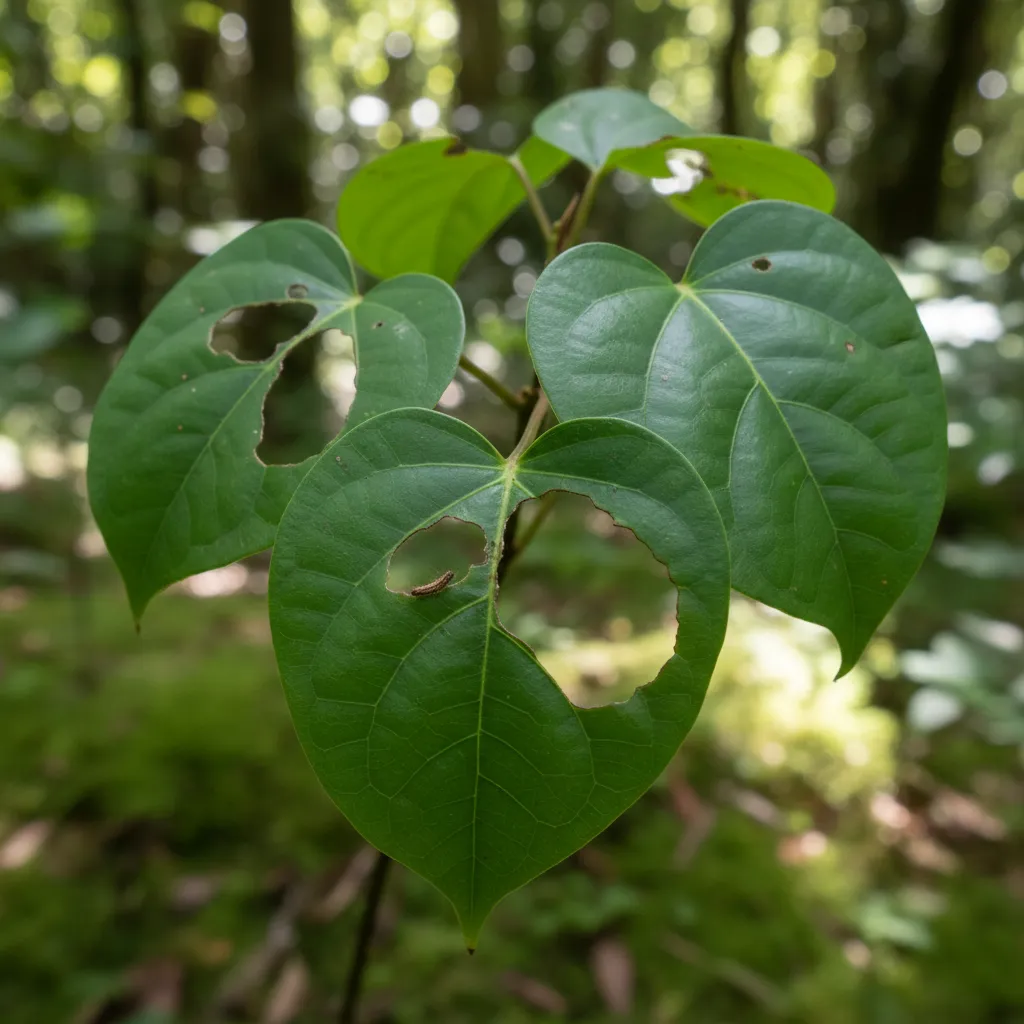
Kumarahou tea benefits are primarily derived from its potent natural compounds, including saponins and flavonols, which make it a highly effective expectorant for respiratory health. Traditionally used in Rongoā Māori medicine, this native New Zealand herb helps clear mucus from the lungs, soothing bronchitis, asthma, and colds. Additionally, Kumarahou acts as a blood purifier and a skin healing agent, historically known as “Gumdigger’s Soap” for its ability to cleanse and treat skin irritations.
In the lush, verdant landscapes of New Zealand, few plants command as much respect in the realm of traditional wellness as Kumarahou (Pomaderris kumeraho). Known for its distinctive yellow flowers that bloom in early spring, this shrub is not merely a botanical curiosity but a cornerstone of Rongoā Māori (traditional Māori medicine). For centuries, it has been utilized as a versatile tonic, revered for its ability to tackle severe respiratory ailments and support overall bodily detoxification.
As interest in natural, sustainable, and indigenous wellness practices grows, the spotlight has firmly returned to this bitter yet beneficial herb. Whether you are seeking relief from a lingering winter cough, looking to support your skin health, or simply wishing to integrate native New Zealand flora into your wellness routine, understanding the history and application of Kumarahou is essential.
The Respiratory Guardian: Treating Bronchitis and Asthma
The most renowned application of Kumarahou lies in its profound impact on the respiratory system. For generations, it has been the go-to remedy for ailments affecting the lungs and bronchial tubes. In the context of New Zealand herbalism, it is often considered the premier “lung herb.”
Mechanism of Action
The efficacy of Kumarahou tea benefits in treating respiratory issues can be attributed to its high saponin content. Saponins are chemical compounds that produce a soap-like foam when agitated in water. In the human body, these compounds act as powerful expectorants. When consumed as a tea or tonic, Kumarahou works to loosen sticky phlegm and mucus that adheres to the bronchial walls.
By reducing the viscosity of mucus, the herb allows the body to expel it more easily through coughing. This makes it particularly valuable for:
- Bronchitis: Alleviating the deep chest congestion associated with bronchial inflammation.
- Asthma: While not a replacement for emergency inhalers, regular consumption has traditionally been used to manage symptoms and improve breathing capacity.
- Colds and Flu: Shortening the duration of chest colds by preventing mucus buildup that can lead to secondary infections.
Historical Usage in Rongoā
Māori healers (tohunga) have long utilized the leaves and flowers of the plant to create decoctions for whānau (family) suffering from chest complaints. Early European settlers, observing the success of these treatments, quickly adopted Kumarahou into their own pharmacopeia, relying on it heavily in an era before modern pharmaceuticals.
The ‘Gumdigger’s Soap’: Skin Cleansing and Healing
One of the most fascinating historical nicknames for Kumarahou is “Gumdigger’s Soap.” This name provides a clue to its chemical composition and its topical applications.
The Science of Saponins
In the 19th and early 20th centuries, gum diggers in the Northland region of New Zealand spent their days harvesting Kauri gum, a resin that left their hands covered in sticky, stubborn sap and dirt. With soap being a scarce or expensive commodity in remote bush camps, diggers discovered that rubbing the flowers of the Kumarahou plant with water created a natural lather.
This lather effectively cut through the grease and resin, cleaning their skin. However, the benefits extended beyond simple hygiene. The diggers noticed that the plant also had a soothing effect on the sores, scratches, and rashes that were common occupational hazards.
Modern Dermatological Applications
Today, the skin-healing properties of Kumarahou are utilized in creams, balms, and washes. The tea itself can be used externally as a wash to treat various skin conditions:
- Eczema and Psoriasis: The anti-inflammatory properties help soothe red, irritated skin.
- Wound Healing: Traditional use suggests it accelerates the healing of cuts and sores.
- Acne: Its detoxifying nature can help clear skin eruptions when used as a facial wash or consumed internally to clear the blood.
Blood Purification and Detox Properties
In the philosophy of holistic health, the state of the skin is often a reflection of the internal environment of the body. Kumarahou is widely regarded as a “depurative” or blood purifier. This concept aligns with the naturopathic view that supporting the elimination organs—specifically the liver and kidneys—improves overall vitality.
Metabolic Support
The bitterness of Kumarahou is a key indicator of its function. In herbal medicine, bitter herbs are known to stimulate liver function and bile production, which aids in digestion and the breakdown of fats. By supporting the liver’s natural detoxification pathways, Kumarahou tea benefits the body’s ability to filter out toxins.
This internal cleansing action is believed to be the mechanism that supports its efficacy in treating skin disorders. By reducing the toxic load in the blood, the skin is relieved of the burden of eliminating waste products, allowing it to heal and clear.
Preparation of Kumarahou Tonic
Preparing Kumarahou requires respect for the plant and adherence to proper preparation methods to ensure safety and potency. Unlike delicate herbal teas that require a quick steep, Kumarahou leaves are tough and require a decoction method (simmering) to extract the active medicinal compounds.
Step-by-Step Brewing Guide
- Gathering: If harvesting fresh, take only what you need. Traditional tikanga (protocol) involves saying a karakia (prayer) and never harvesting when it is raining or when the plant is wet. Alternatively, purchase dried leaves from a certified supplier.
- The Ratio: A general guideline is approximately 5-10 grams of dried leaf per liter of water. Because it is potent, start with a lower amount.
- Simmering: Place the leaves in a pot with cold water. Bring the water to a gentle boil, then reduce the heat to a low simmer. Cover the pot and let it simmer for 10 to 20 minutes. The liquid should turn a deep amber or golden color.
- Straining: Remove from heat and strain the liquid through a fine sieve or muslin cloth to remove all leaf particulate.
- Storage: The tonic can be stored in a glass bottle in the refrigerator for up to one week.
Recommended Dosage
Because Kumarahou is a medicinal tonic rather than a recreational beverage, dosage is key. For adults, a common recommendation is half a cup diluted with warm water, taken two to three times a day during acute illness. For general maintenance, a smaller dose once a day is sufficient. Always consult a healthcare professional before administering to children.
Navigating the Taste: Flavor Profile and Sweetening Tips
It is important to manage expectations regarding the flavor of Kumarahou. It is intensely bitter. In Rongoā Māori, the bitterness is often associated with the “mana” or power of the medicine; if it isn’t bitter, it isn’t working.
Improving Palatability
For those unaccustomed to strong herbal tonics, the taste can be challenging. However, there are several ways to make the experience more pleasant without compromising the medicinal value:
- Manuka Honey: This is the most traditional and effective sweetener. New Zealand Manuka honey not only masks the bitterness but adds its own antibacterial and soothing properties, creating a synergistic effect for sore throats and coughs.
- Lemon and Ginger: Adding fresh lemon juice and ginger slices during the simmering process can brighten the flavor and add warming, immune-boosting properties.
- Blending with Kawakawa: Another native superstar, Kawakawa, has a peppery, aromatic taste. Blending Kumarahou with Kawakawa can balance the flavor profile while providing additional digestive and anti-inflammatory support.
- Dilution: Simply diluting the tonic with more hot water can make the bitterness more manageable for beginners.
Sourcing Sustainably and Safety Precautions
As the popularity of Kumarahou tea benefits spreads globally, the pressure on wild populations increases. It is vital to approach the consumption of this taonga (treasure) with sustainability in mind.
Buying Responsibly
Avoid harvesting from the wild unless you have specific permission and knowledge of sustainable harvesting practices. Over-harvesting can kill the shrub, which has a relatively short lifespan. Instead, purchase from suppliers who:
- Grow their own Kumarahou or practice certified sustainable wild-harvesting.
- Follow Tikanga Māori protocols, ensuring spiritual and environmental respect.
- Are transparent about the origin and processing of their herbs.
Contraindications and Safety
While natural, Kumarahou is potent. It contains coumarin agents which can thin the blood. Therefore, it should be avoided or used with extreme caution by individuals on blood-thinning medication (such as warfarin). Furthermore, due to a lack of clinical trials on fetal safety, it is generally recommended that pregnant or breastfeeding women avoid Kumarahou unless under the guidance of a qualified medical herbalist.
Kumarahou stands as a testament to the wisdom of Māori healing traditions. By integrating this powerful plant into your wellness regime with respect and understanding, you can access a natural, effective way to support respiratory health and skin vitality.
What is Kumarahou good for?
Kumarahou is primarily used for respiratory health, treating conditions like bronchitis, asthma, and colds by acting as an expectorant. It is also used as a blood purifier, a liver tonic, and a skin cleanser for conditions like eczema and sores.
How do you make Kumarahou tea?
To make Kumarahou tea (tonic), simmer approximately 5-10 grams of dried leaves in a liter of water for 10-20 minutes. Do not just steep it like regular tea; it needs to be decocted to release the active saponins. Strain and drink warm.
Can you drink Kumarahou everyday?
While Kumarahou can be taken daily for a short period to treat an ailment, it is generally treated as a medicine rather than a daily beverage. Long-term, high-dosage use should be monitored, and it is often cycled (taken for a few weeks, then a break).
Does Kumarahou help with asthma?
Traditionally, yes. Kumarahou helps clear mucus from the lungs and reduce bronchial congestion, which can alleviate asthma symptoms. However, it should not replace prescribed asthma medication or emergency inhalers.
What does Kumarahou taste like?
Kumarahou has a very distinct, strong bitter taste. This bitterness is a sign of its active compounds. It is rarely described as delicious on its own and is usually sweetened with Manuka honey to make it palatable.
Is Kumarahou safe during pregnancy?
There is insufficient clinical data regarding the safety of Kumarahou during pregnancy. Due to its potency and blood-thinning properties, it is generally advised that pregnant women avoid it or consult a medical professional before use.