
Kawakawa balm, a traditional Rongoā Māori remedy, is revered for its potent healing properties, particularly for skin conditions and muscle discomfort. Navigating the diverse market of Kawakawa balms requires a discerning eye, as formulations vary significantly in their carrier oils, herbal concentrations, and additional ingredients. This comprehensive comparison guides consumers through key distinctions to identify the best Kawakawa balm tailored to specific therapeutic needs and personal preferences.
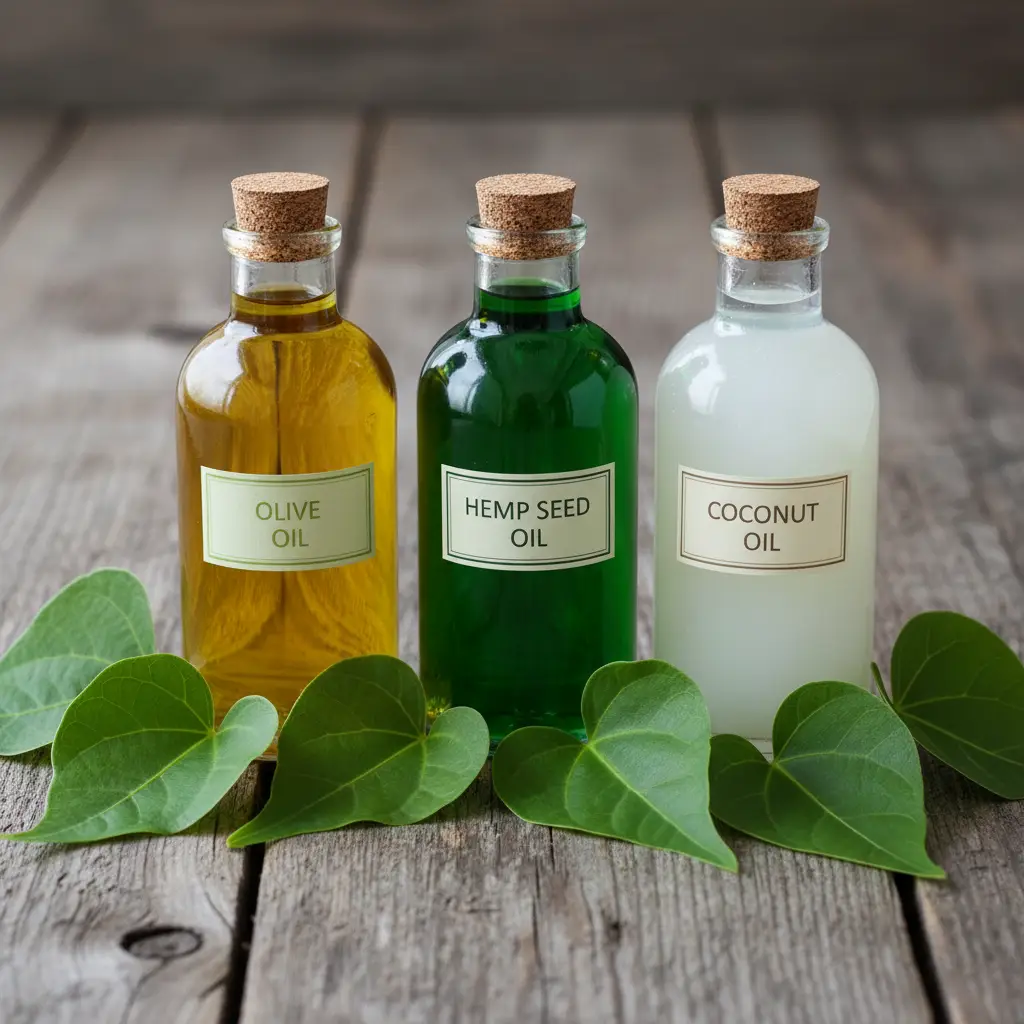
Carrier Oils Comparison: Olive vs. Hemp vs. Coconut
The choice of carrier oil in Kawakawa balm is paramount, not merely serving as a base but actively contributing to the balm’s therapeutic profile, absorption rate, and skin feel. These oils dilute and transport the active compounds from the Kawakawa leaf, enhancing their delivery and efficacy. Understanding the properties of common carrier oils—olive, hemp, and coconut—is crucial for selecting a balm that aligns with your specific needs.
Olive Oil: The Traditional Emollient
Olive oil, particularly extra virgin olive oil, is a cornerstone in many traditional balms, including early Rongoā Māori preparations. Its rich composition of monounsaturated fatty acids (primarily oleic acid), antioxidants like vitamin E, and polyphenols makes it an exceptional emollient. Olive oil provides deep moisturization, helping to soothe dry, irritated skin by forming a protective barrier that reduces transepidermal water loss. Its relatively thick consistency means it absorbs slower, offering prolonged contact for the Kawakawa’s active compounds to work their magic, which can be beneficial for persistent skin issues or localized inflammation. However, its heavier feel may not be preferred by those seeking a lighter application or with acne-prone skin, as it can sometimes feel occlusive.
Hemp Seed Oil: The Anti-Inflammatory Powerhouse
Hemp seed oil has gained significant traction in natural skincare due to its exceptional fatty acid profile. It boasts an optimal ratio of omega-6 to omega-3 essential fatty acids (linoleic acid and alpha-linolenic acid), which are crucial for maintaining skin barrier function and reducing inflammation. Unlike olive oil, hemp seed oil is non-comedogenic, meaning it’s less likely to clog pores, making it suitable for a wider range of skin types, including oily or acne-prone skin. Its anti-inflammatory properties complement Kawakawa’s own, potentially offering enhanced relief for conditions like eczema, psoriasis, and general skin irritation. The oil absorbs readily, leaving a less greasy residue than olive oil, which contributes to a more pleasant user experience for everyday application.
Coconut Oil: The Versatile Moisturizer
Coconut oil is celebrated for its multifaceted benefits, primarily its moisturizing capabilities and natural antimicrobial properties, attributed to its high content of lauric acid. In Kawakawa balms, coconut oil provides a smooth texture and contributes to the balm’s stability. Its ability to penetrate the skin deeply makes it an effective carrier for delivering Kawakawa’s beneficial compounds. For individuals dealing with compromised skin barriers or those seeking a balm with inherent antimicrobial benefits, coconut oil can be an excellent choice. However, it’s important to note that coconut oil can be comedogenic for some individuals, especially those prone to breakouts, and its distinct scent, while natural, may not be universally appealing. Its melting point means balms formulated with high concentrations of coconut oil can change consistency with temperature fluctuations, becoming softer in warmer climates.
Concentration of Kawakawa Leaf in Commercial Products
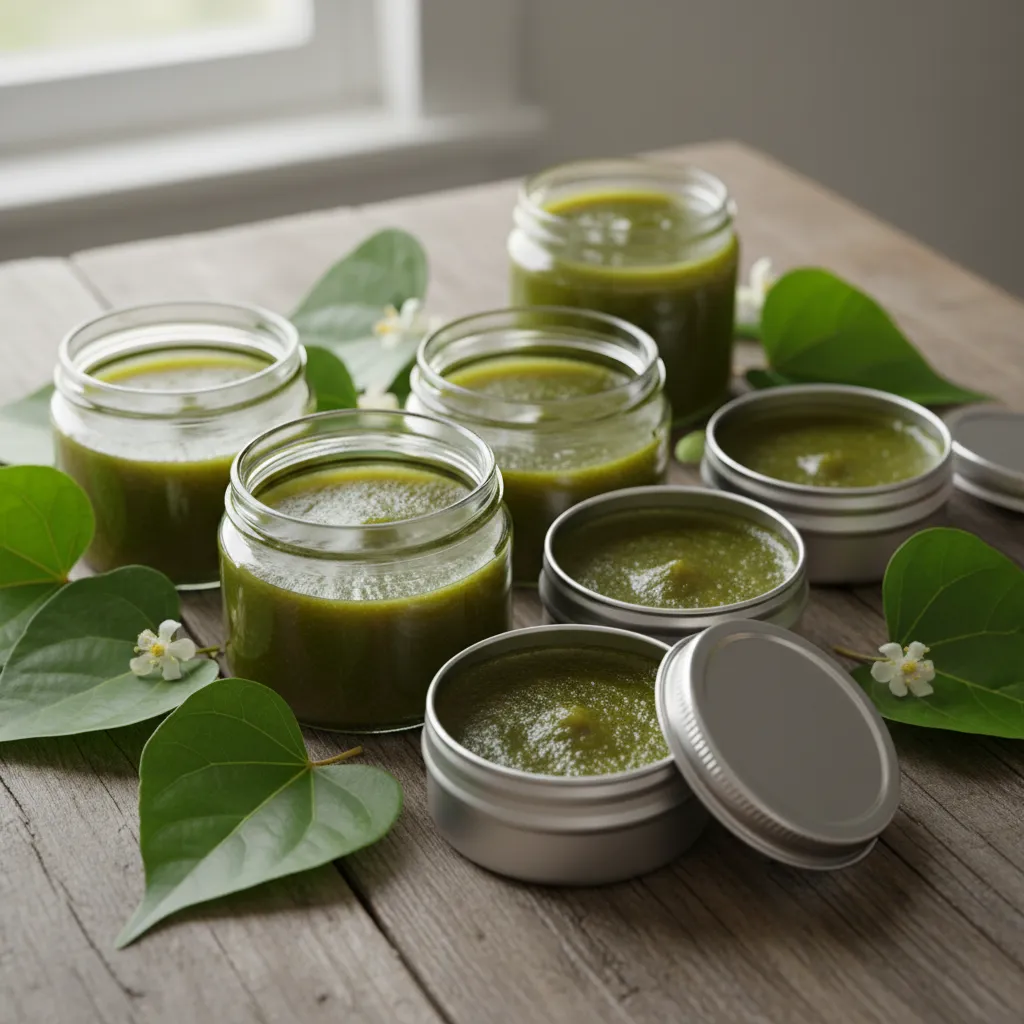
The efficacy of a Kawakawa balm is fundamentally linked to the concentration and quality of the Kawakawa leaf extract it contains. Kawakawa (Macropiper excelsum) is rich in active compounds such as myristicin, elemicin, and safrole, known for their anti-inflammatory, analgesic, and antimicrobial properties. However, quantifying the exact concentration in commercial balms can be challenging due to the lack of standardized metrics for herbal preparations, unlike pharmaceutical drugs.
Understanding Kawakawa’s Potency
Traditionally, Kawakawa leaves are infused into carrier oils over time, allowing the active constituents to leach into the oil. The potency of this infusion depends on several factors: the ratio of leaves to oil, the duration of the infusion process, and the method of heat application (if any). A higher concentration generally means more active compounds are present, potentially leading to more pronounced therapeutic effects. However, it’s important to consider that potency also relates to the quality of the Kawakawa leaves themselves – their age, growing conditions, and harvesting practices can all influence their biochemical profile.
Indicators of Concentration in Balms
Without specific percentage declarations, consumers must rely on other indicators to gauge Kawakawa concentration:
- Ingredient List Order: In most regulated markets, ingredients are listed in descending order of their proportion. If “Kawakawa infused oil” or “Macropiper excelsum leaf extract” appears high on the list, it suggests a significant concentration.
- Product Claims and Branding: Reputable brands often highlight their Kawakawa content, detailing their infusion processes or the ratio of leaves used. Look for phrases like “double-strength,” “high potency,” or specifics about traditional preparation methods.
- Color and Scent: While not definitive, a balm with a distinct herbaceous scent and a greenish hue (from chlorophyll) might indicate a richer infusion, provided no artificial colors or fragrances have been added.
- Texture and Feel: A very thick, intensely herbal-smelling balm might hint at a high concentration, but this is less reliable as other ingredients also influence texture.
It’s crucial to balance potency with individual sensitivity. While a higher concentration might offer stronger relief, some individuals might find very potent balms irritating, especially on highly sensitive or broken skin. Starting with a moderate concentration and assessing tolerance is often a prudent approach.
Reviewing Additives: Beeswax, Essential Oils, and Preservatives
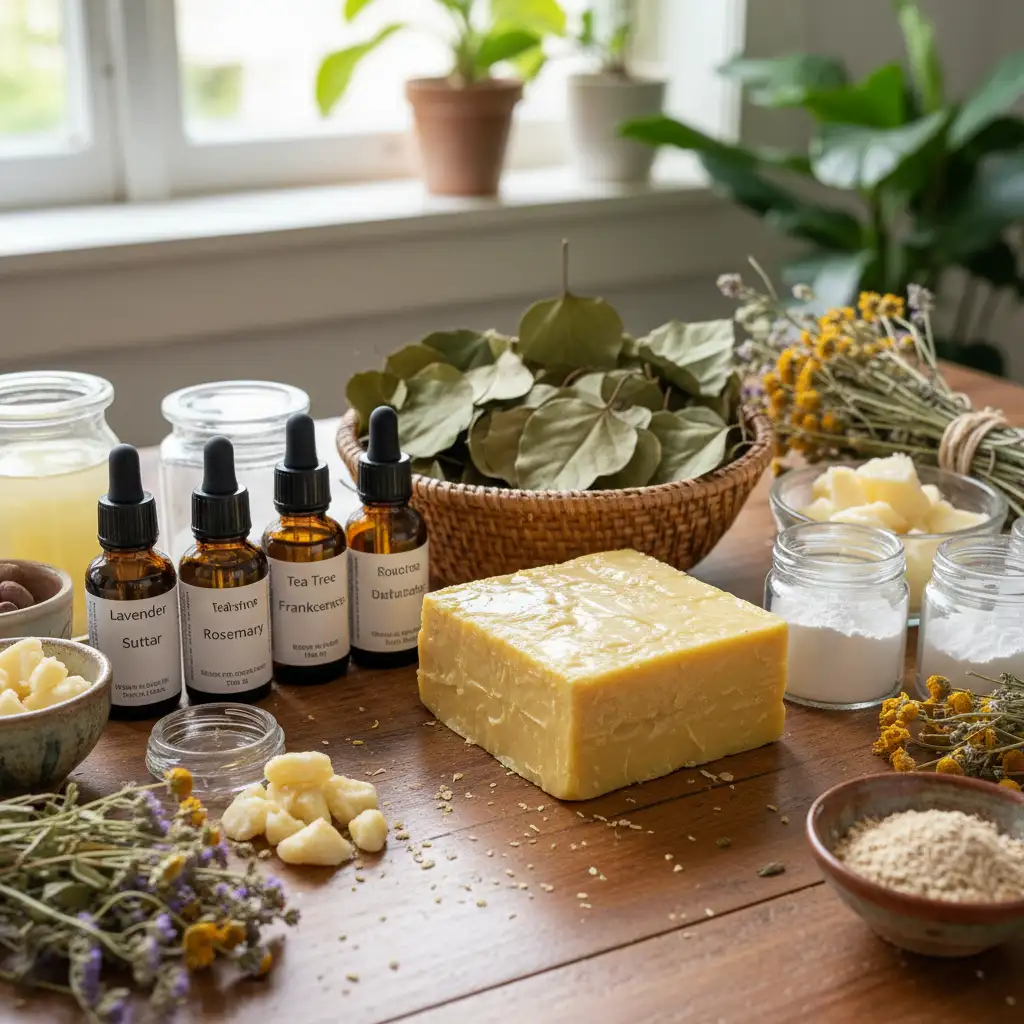
Beyond the carrier oil and Kawakawa itself, the efficacy, texture, stability, and sensory experience of a Kawakawa balm are significantly influenced by its additional ingredients. These additives can enhance therapeutic benefits, improve shelf life, or simply make the product more pleasant to use. However, it’s essential to understand their roles and potential implications for sensitive individuals.
Beeswax and Other Thickening Agents
Beeswax is a common and highly valued ingredient in balms, serving primarily as a natural thickener and emulsifier. It provides structure, giving the balm its characteristic solid-to-soft texture. More importantly, beeswax forms a protective, breathable barrier on the skin, sealing in moisture and enhancing the skin’s natural healing process without clogging pores. It also contributes to the balm’s stability, preventing oil separation and extending shelf life. For those seeking vegan alternatives, plant-based waxes like candelilla wax or carnauba wax are sometimes used, offering similar thickening properties while maintaining a cruelty-free profile. The choice of thickening agent can subtly alter the balm’s consistency and absorption, with beeswax generally providing a richer, more occlusive feel.
Essential Oils and Natural Fragrances
Many Kawakawa balms incorporate essential oils not just for their aromatic qualities but also for their synergistic therapeutic effects. Common additions include:
- Lavender oil: Known for its calming, anti-inflammatory, and skin-healing properties, often used to soothe irritated skin.
- Tea Tree oil: Valued for its antiseptic and antimicrobial actions, beneficial for minor cuts, insect bites, or fungal issues.
- Peppermint or Eucalyptus oil: Often added to balms targeting muscle pain due to their cooling and analgesic effects.
While beneficial, essential oils can be potent and may cause sensitization or allergic reactions in some individuals, particularly those with very sensitive skin or fragrance allergies. For eczema sufferers or those seeking a minimalist approach, fragrance-free balms or those relying solely on the natural, subtle scent of Kawakawa and its carrier oils are often preferred. Always check the ingredient list for specific essential oils if you have known sensitivities.
Preservatives and Shelf Life
Balms, being oil-based, are less susceptible to microbial growth than water-based creams. However, natural ingredients can still degrade over time due due to oxidation. Antioxidants like Vitamin E (tocopherol) are frequently added as natural preservatives to prevent the oils from going rancid, thus extending the balm’s shelf life. Some manufacturers might use broad-spectrum natural preservative systems, especially if the balm is exposed to moisture or frequent handling. While synthetic preservatives are generally avoided in natural Kawakawa balms, ensuring the product’s stability and safety over its intended use period is crucial. Reputable brands prioritize using gentle, effective natural antioxidants to maintain product integrity without introducing potentially irritating chemicals.
Top Picks for Eczema vs. Muscle Pain
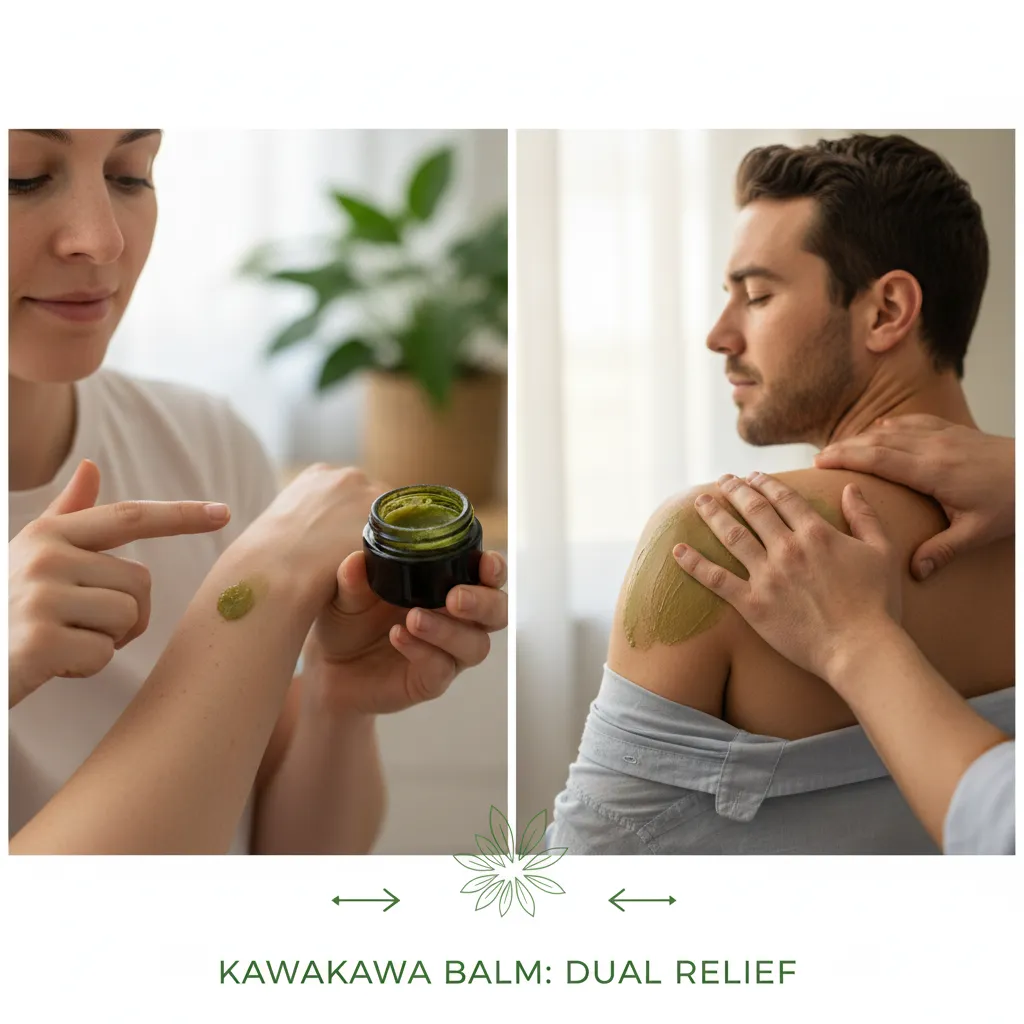
The diverse formulations of Kawakawa balms mean that while many offer general wellness benefits, certain products are better suited for specific conditions. Distinguishing between a balm optimized for soothing eczema and one designed for deep muscle relief is key to achieving the best therapeutic outcome.
Kawakawa Balm for Eczema
For individuals managing eczema, the primary goals are to reduce inflammation, alleviate itching, repair the compromised skin barrier, and prevent flare-ups. The ideal Kawakawa balm for eczema will feature:
- Gentle Carrier Oils: Hemp seed oil and olive oil are often preferred for their anti-inflammatory properties and deep moisturizing capabilities, while being less likely to clog pores or irritate sensitive, compromised skin.
- High Kawakawa Concentration: A robust infusion of Kawakawa is crucial for its inherent anti-inflammatory and skin-healing compounds (myristicin, elemicin), which directly address eczema symptoms.
- Minimal or No Essential Oils: To minimize the risk of irritation and allergic reactions, eczema sufferers should opt for fragrance-free balms or those with only very mild, skin-friendly essential oils (e.g., lavender in very low concentrations) if tolerated.
- Barrier-Enhancing Additives: Beeswax is highly beneficial for its ability to create a protective, breathable layer, locking in moisture and shielding the skin from external irritants.
When selecting for eczema, prioritize balms with simple, pure ingredient lists that focus on Kawakawa and nurturing carrier oils. Patch testing is always recommended for highly sensitive skin.
Kawakawa Balm for Muscle Pain
For muscle aches, sprains, strains, or general soreness, the focus shifts towards deeper penetration, warming or cooling sensations, and enhanced analgesic effects. A Kawakawa balm tailored for muscle pain often includes:
- Fast-Absorbing Carrier Oils: While olive oil can work, hemp seed oil might be preferred for its quicker absorption, allowing active ingredients to reach deeper tissues more efficiently.
- Potent Kawakawa Extract: A strong Kawakawa infusion is paramount, as its analgesic and anti-inflammatory properties are central to muscle pain relief.
- Synergistic Essential Oils: Balms for muscle pain frequently incorporate essential oils known for their warming, cooling, or pain-relieving effects, such as peppermint, eucalyptus, wintergreen, or arnica. These oils can enhance circulation, reduce localized discomfort, and provide a sensory experience that aids in pain perception.
- Consistent Texture: A balm that is easy to massage into the skin without being too greasy allows for thorough application and targeted relief.
When choosing for muscle pain, look for balms that explicitly market themselves for this purpose and contain additional active ingredients that complement Kawakawa’s pain-relieving capabilities. These balms often provide a more immediate and noticeable sensation of relief.
Conclusion
The journey to finding the best Kawakawa balm is a nuanced exploration of traditional wisdom blended with modern understanding of natural ingredients. By meticulously comparing carrier oils, assessing Kawakawa concentration, and scrutinizing additives like beeswax and essential oils, consumers can make informed decisions that resonate with their specific health needs. Whether seeking profound relief for persistent eczema or targeting deep-seated muscle aches, a thoughtful approach to Kawakawa balm selection ensures that the chosen product delivers maximum therapeutic value. Embrace the rich heritage of Rongoā Māori by choosing a balm that aligns with purity, potency, and personalized wellness, unlocking the full potential of this remarkable native New Zealand plant.
People Also Ask (PAA)
What are the primary benefits of Kawakawa balm?
Kawakawa balm is renowned for its anti-inflammatory, analgesic, and antimicrobial properties. It is traditionally used to soothe various skin irritations, including eczema, psoriasis, insect bites, and minor cuts, as well as to relieve muscle pain and bruising.
Is Kawakawa balm safe for sensitive skin or babies?
Many Kawakawa balms are formulated with natural, gentle ingredients and are considered safe for sensitive skin, including for babies. However, it is always recommended to check the full ingredient list for potential allergens (like certain essential oils) and perform a patch test on a small area of skin before widespread use.
How often should I apply Kawakawa balm for best results?
For optimal results, Kawakawa balm can typically be applied to the affected area 2-3 times daily, or as needed. Consistent application is key, especially for chronic conditions like eczema or persistent muscle pain, to allow the active compounds to work effectively.
Can Kawakawa balm interact with medications?
While Kawakawa balm is a topical herbal remedy and generally considered safe, there is limited scientific research on its interactions with systemic medications. If you are on prescription medication or have underlying health conditions, it is advisable to consult with a healthcare professional before incorporating new herbal remedies into your routine.
How do I store Kawakawa balm to maintain its efficacy?
To preserve the efficacy and shelf life of Kawakawa balm, store it in a cool, dark place away from direct sunlight and excessive heat. Extreme temperatures can alter its consistency and potentially degrade the active ingredients. Ensure the lid is tightly closed after each use to prevent oxidation.
What’s the difference between Kawakawa balm and Kawakawa oil?
Kawakawa oil is typically the infused carrier oil containing the extracted compounds of the Kawakawa leaf. Kawakawa balm takes this oil and combines it with a thickening agent, most commonly beeswax, to create a semi-solid product that offers a protective barrier and is easier to apply topically. Balms generally have a longer contact time with the skin due to their thicker consistency.