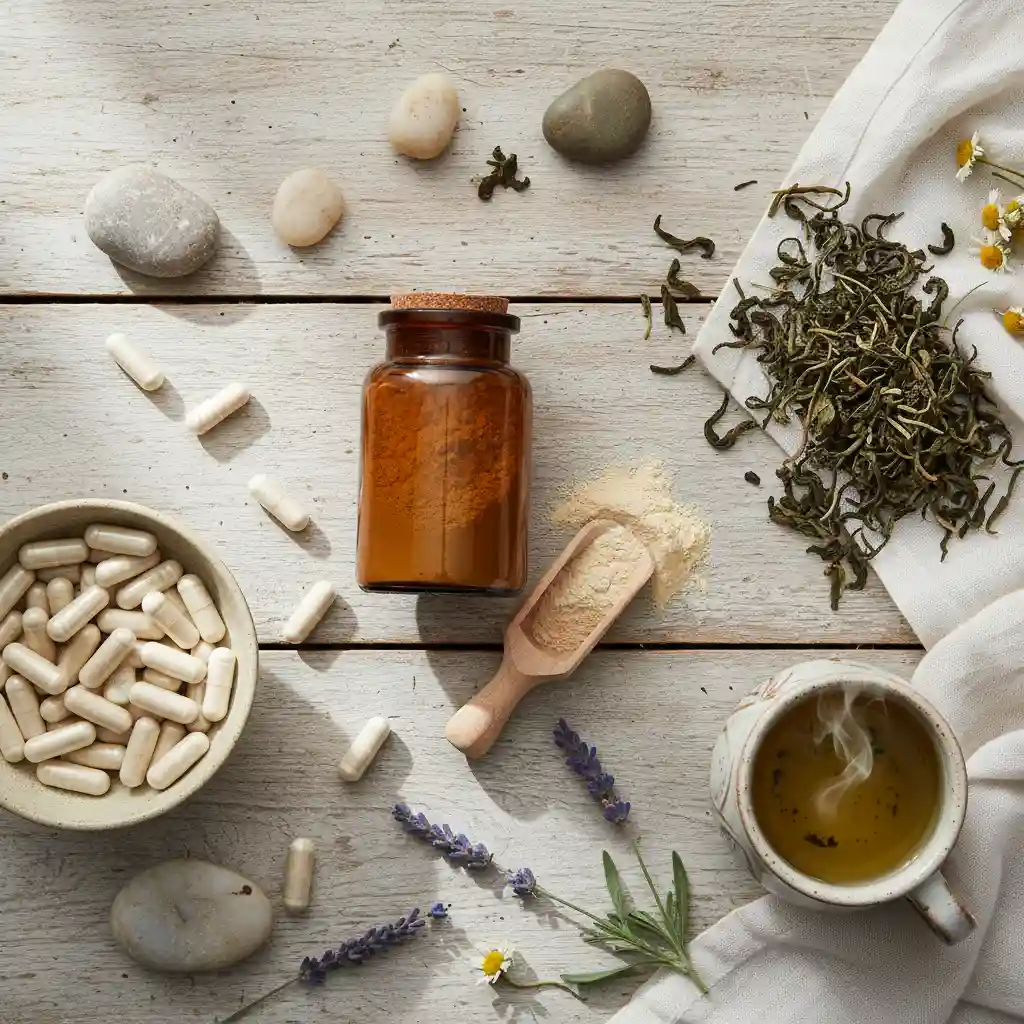
Kava supplements in NZ are natural wellness products derived from the root of the Piper methysticum plant, traditionally used across the Pacific for relaxation and social bonding. Available as capsules, instant powders, or traditional ground roots, high-quality New Zealand kava products prioritize Noble varieties rich in kavalactones to support stress relief, improved sleep quality, and muscle relaxation without the intoxicating effects of alcohol.
In the high-paced environment of modern life, the search for natural, non-addictive methods to manage stress and anxiety has led many New Zealanders back to the wisdom of the Pacific. Kava, or ‘awa’, is far more than a mere herbal supplement; it is a cultural cornerstone of Oceania that has found a significant home in Aotearoa’s multi-cultural wellness landscape. Whether consumed in a traditional ceremony or taken as a convenient daily capsule, kava offers a unique pathway to “Pacific Relaxation”—a state of calm alertness that distinguishes it from other sedatives.
The Cultural Heartbeat of the Pacific
To understand the value of kava supplements in NZ, one must first respect the plant’s origins. For over 3,000 years, Pacific Islanders—from Vanuatu and Fiji to Tonga and Samoa—have cultivated Piper methysticum. It is not considered a drug in the Western sense but a facilitator of community and consensus.
In traditional settings, kava is the beverage of peace. It is consumed to welcome guests, seal business deals, and resolve conflicts. The act of sharing a shell (bilo) of kava signifies a laying down of arms and an opening of the heart. In New Zealand, with its vibrant Pasifika population, these traditions remain alive. However, as the wider population seeks alternatives to alcohol and pharmaceuticals for stress management, kava has transcended cultural boundaries to become a staple in NZ multi-cultural herbalism.
The cultural philosophy behind kava is one of “talanoa” (open dialogue). Unlike alcohol, which can induce aggression or loss of control, kava induces a clear-headed calm. This makes it uniquely suited for social relaxation where connection and conversation are the goals. Modern supplements aim to capture this essence, providing the physiological benefits of the root to those who may not have the time or tools for a full traditional preparation.
Kavalactones: The Science of Relaxation
The efficacy of kava supplements lies in a group of active compounds known as kavalactones. While the plant contains various alkaloids and chalcones, it is the kavalactones—specifically six major ones—that are responsible for the psychoactive and physiological effects. These compounds are concentrated in the rootstock of the plant.
Kavalactones work primarily by interacting with the limbic system, the part of the brain that manages emotions. They modulate the Gamma-Aminobutyric Acid (GABA) receptors. GABA is the brain’s primary inhibitory neurotransmitter; it calms overactive nervous system activity. By enhancing the effects of GABA, kava reduces anxiety, relaxes muscle tension, and promotes sleepiness.
The Chemotype Profile
Not all kava is created equal. The specific effect of a kava supplement depends on its chemotype—a six-digit number representing the relative proportions of the six major kavalactones. Some chemotypes produce a “heady” effect, characterized by mental clarity, mood elevation, and sociability. Others produce a “heavy” effect, leading to profound muscle relaxation and sedation, ideal for sleep aid.
When selecting kava supplements in NZ, understanding the chemotype can help tailor the experience to your needs. A daytime supplement for anxiety relief should lean towards heady varieties (often rich in kavain), while a nighttime sleep aid should utilize heavy varieties (rich in dihydrokavain).
Safety First: Noble Kava vs. Tudei Kava
In the global and New Zealand market, the distinction between “Noble” kava and “Tudei” (Two-Day) kava is the single most important factor regarding safety and quality. This distinction is critical for anyone looking to purchase kava supplements.
Noble Kava
Noble kava varieties are the traditional cultivars that have been safely consumed for centuries. They have a favorable chemotype profile rich in kavain and low in flavokawains (compounds associated with adverse reactions). Noble kava provides a clean, pleasant relaxation without a hangover. It metabolizes relatively quickly, allowing the user to wake up refreshed. Reputable NZ suppliers will exclusively stock Noble kava.
Tudei Kava
Tudei varieties were traditionally reserved for medicinal or specific ceremonial contexts and were not meant for daily recreational drinking. They contain high concentrations of flavokawains and have a different kavalactone profile that stays in the system much longer—hence the name “Two-Day,” referring to the duration of the lethargy or “hangover” effects. Tudei kava has been linked to nausea and potential liver stress. Unfortunately, because Tudei kava grows faster and yields more weight than Noble kava, it sometimes infiltrates the supplement market as a cheaper alternative.
Consumers must be vigilant. Always verify that your kava supplements in NZ are certified Noble. This ensures you are getting a product that is safe for regular consumption and adheres to the quality standards expected in the New Zealand wellness industry.
Preparation: Traditional Bowls vs. Modern Supplements
The method of consumption significantly dictates the experience. In New Zealand, consumers generally choose between the ritualistic traditional preparation and the convenience of modern formulations.
The Traditional Method (Medium Grind)
This is the purist’s approach. The dried root is ground into a medium-coarse powder. It is placed in a strainer bag (usually muslin or synthetic mesh) and kneaded in a bowl of tepid water for 5 to 10 minutes. The kneading extracts the kavalactones, creating a muddy, earthy beverage.
- Pros: Full spectrum of effects, cultural connection, social ritual, most economical.
- Cons: Time-consuming, acquired taste (earthy, peppery, bitter), requires equipment (bowl, strainer).
Instant Kava and Micronized Kava
Instant kava is dehydrated fresh kava juice (green kava). It dissolves instantly in water and is highly potent. Micronized kava is the root ground so finely that the woody fibers are removed, allowing it to be stirred directly into a drink.
- Pros: Convenient, potent, no straining required.
- Cons: More expensive than medium grind; micronized versions can sometimes cause stomach upset if too much root material is ingested.
Kava Capsules and Tablets
For many seeking kava supplements in NZ for anxiety or sleep, capsules are the preferred method. These contain standardized extracts or micronized root.
- Pros: Taste-free, precise dosage, extremely convenient, discreet.
- Cons: Slower onset of effects, often lacks the “mouth-numbing” sensation associated with quality kava, may miss the full entourage effect of the whole root if highly processed.
Wellness Benefits for the Modern Kiwi
Integrating kava into a wellness routine offers several distinct advantages, particularly for those navigating the stresses of urban life in New Zealand.
Natural Anxiety Relief
Clinical studies have suggested that kava can be effective in treating Generalized Anxiety Disorder (GAD). Unlike benzodiazepines, kava does not typically impair cognitive function. Users report feeling calm but sharp, making it a viable option for managing work-related stress.
Sleep Architecture
Insomnia is a growing issue in NZ. Kava aids sleep not by knocking you out, but by quieting the mental chatter that prevents sleep onset. It promotes deep sleep phases without disrupting REM sleep, meaning users wake up feeling rested rather than groggy.
Muscle Recovery
Kava is a potent muscle relaxant. For athletes or those with physical labor jobs, a shell of kava or a supplement in the evening can help soothe sore muscles and reduce tension held in the body.
Where to Buy High-Quality Kava in NZ
The New Zealand market is fortunate to have close proximity to the Pacific Islands, resulting in high-quality imports. However, discernment is still required.
1. Specialized Kava Vendors:
The best source is usually a dedicated kava vendor (online or physical kava bars). These vendors have direct relationships with farmers in Vanuatu, Fiji, or Tonga. They can tell you the specific cultivar, the island of origin, and the chemotype. Look for vendors who provide Certificates of Analysis (COA) confirming the product is Noble kava.
2. Health Food Stores:
Many NZ health stores stock kava supplements in capsule or tincture form. When buying these, look for brands that specify “Noble variety” and list the milligrams of kavalactones per serving. Avoid generic “herbal blends” where the source of the kava is obscure.
3. Pharmacies:
Some pharmacies carry pharmaceutical-grade kava extracts. These are often standardized to very specific kavalactone percentages. While reliable for dosage, they may lack the full spectrum experience of the whole root.
Safety and Dosage Guidelines
While kava is generally safe, responsible use is paramount. This is especially true given the scrutiny kava faced in the early 2000s due to poor-quality exports (often Tudei or peelings) entering the European market.
- Liver Health: If you have pre-existing liver conditions, consult a GP before taking kava. Avoid combining kava with alcohol or hepatotoxic medications.
- Driving: While kava provides mental clarity, high doses can affect motor coordination. It is advised not to drive or operate heavy machinery after consuming large amounts of kava.
- Dermopathy: Chronic, extremely heavy consumption can lead to “kava dermopathy,” a reversible condition where the skin becomes dry and scaly. This is rare in casual supplement users.
- Dosage: For supplements, follow the manufacturer’s instructions. For traditional brew, a common starting point is 2-4 tablespoons of medium grind root per session.
Frequently Asked Questions
Is kava legal in New Zealand?
Yes, kava is legal in New Zealand. It is regulated as a food under the Food Standards Code. However, there are restrictions on the commercial extraction of kavalactones for use in certain types of dietary supplements without proper approval, but traditional root and water extracts are widely available and legal.
Can I drive after taking kava supplements?
It depends on the dosage and your personal tolerance. While kava is not a narcotic, high doses can slow reaction times and impair motor skills. It is recommended to avoid driving until you know how kava affects you, and never drive after consuming heavy doses.
How long does it take for kava supplements to work?
Traditional kava beverages usually take effect within 15 to 20 minutes, especially if consumed on an empty stomach. Capsules may take longer, typically 30 to 60 minutes, as the casing needs to dissolve and the contents need to be digested.
Will kava show up on a drug test?
Standard employment drug screens do not test for kava or kavalactones. However, because kava structure is chemically complex, there have been rare anecdotal reports of false positives for other substances, though this is scientifically uncommon. It is always best to disclose supplement use if tested.
Can I mix kava with alcohol?
No, it is strongly advised not to mix kava with alcohol. Both substances are processed by the liver, and combining them can increase the workload on the liver exponentially. Furthermore, the sedative effects of both can compound, leading to excessive drowsiness.
What is the difference between Fijian and Vanuatu kava?
Generally, Vanuatu kava is known for being more potent and “heavier,” making it great for sleep and deep relaxation. Fijian kava (often called Waka or Lawena) tends to be more “heady” and social, offering a lighter, more euphoric buzz suitable for daytime or social gatherings.