Contrast shower benefits are derived from the physiological process known as the “vascular flush,” where alternating between hot and cold water forces blood vessels to rapidly dilate and constrict. At our Home of holistic health, this mechanism significantly improves systemic circulation, accelerates muscle recovery by flushing lactic acid, boosts immune function through increased white blood cell activity, and enhances lymphatic drainage for superior detoxification.
The Science Behind Contrast Hydrotherapy
Hydrotherapy, the therapeutic use of water, has been a cornerstone of natural medicine for centuries, tracing its roots back to ancient Roman baths and later popularized in the 19th century by Father Sebastian Kneipp. The efficacy of contrast showers lies not in magic, but in hard physiology. The primary mechanism at play is the manipulation of the circulatory system through thermal application.
When you expose your body to heat, the blood vessels undergo vasodilation. This widening of the vessels draws blood from the internal organs toward the skin and extremities. This phase promotes relaxation and increases blood flow to the surface. Conversely, sudden exposure to cold water triggers vasoconstriction. The blood vessels tighten and narrow, forcing blood away from the surface and back toward the core and vital organs to preserve heat.
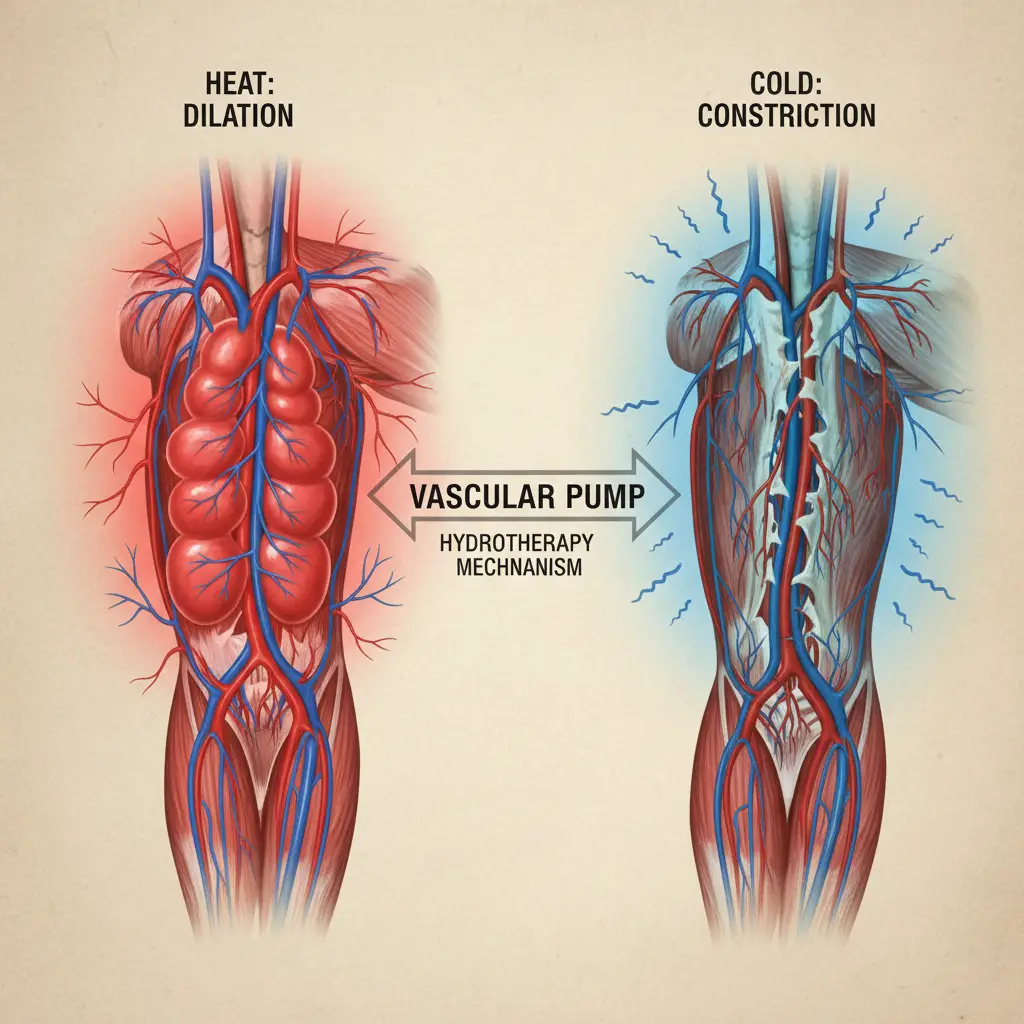
By alternating between these two extremes, you create a pump-like effect—often called the “vascular flush.” This mechanical pumping action moves stagnant blood and lymph fluid throughout the body more efficiently than the heart can do alone at rest. This process is crucial for delivering oxygen and nutrients to tissues while simultaneously removing metabolic waste products.
Comprehensive Contrast Shower Benefits
Integrating contrast showers into your daily routine offers a multitude of health advantages. While athletes often use them for recovery, the benefits extend well into general wellness, immunology, and mental health.
1. Enhanced Circulation and Lymphatic Drainage
The lymphatic system is the body’s sewage treatment plant, responsible for removing toxins and waste. Unlike the cardiovascular system, which has the heart as a pump, the lymphatic system relies on muscle movement and breath to circulate fluid. The alternating temperatures of a contrast shower act as an external pump for the lymph vessels. This is particularly beneficial for individuals with sedentary lifestyles or those suffering from mild edema (fluid retention). Improved circulation also ensures that oxygen-rich blood reaches the periphery, improving skin health and cellular repair.
2. Strengthening Immunity
Regular exposure to cold water is a form of hormetic stress—a beneficial stressor that triggers positive adaptations in the body. Research suggests that routine hydrotherapy can increase the count of monocytes and lymphocytes, white blood cells that are instrumental in fighting off pathogens. By regularly stimulating the immune system through thermal contrast, the body becomes more efficient at recognizing and neutralizing threats. For a deeper dive into the physiological effects of hydrotherapy, you can review data from the National Institutes of Health (NIH) regarding cold exposure and immune modulation.
3. Accelerated Muscle Recovery
Athletes have long utilized contrast baths to mitigate Delayed Onset Muscle Soreness (DOMS). The mechanism is twofold: the cold phase reduces inflammation and numbs pain receptors, while the heat phase relaxes tight muscles and improves elasticity. This technique is a perfect addition to a Basic First Aid Kit with NZ Herbal Remedies. The rapid circulation caused by the contrast helps flush out lactic acid and other metabolic byproducts that accumulate during intense exercise. This allows for faster turnaround times between training sessions.
4. Mental Resilience and Energy
Stepping into a freezing stream of water requires mental fortitude. This act spikes the production of norepinephrine, a neurotransmitter involved in focus, attention, and mood regulation. The shock of the cold activates the sympathetic nervous system, providing an immediate jolt of energy that rivals caffeine. Because it balances the nervous system, it can be a valuable tool in the Holistic Management of Insomnia. Over time, voluntarily subjecting oneself to the discomfort of cold water builds “grit” and mental resilience, helping individuals manage stress better in other areas of life.
Constitutional Hydrotherapy vs. Contrast Showers
It is important to distinguish between a home contrast shower and clinical Constitutional Hydrotherapy. While both utilize the principles of alternating temperatures, Constitutional Hydrotherapy is a specific naturopathic modality usually performed in a clinical setting.
A standard contrast shower is a self-administered practice involving standing under running water. In contrast, Constitutional Hydrotherapy involves a practitioner applying alternating hot and cold wet towels to the torso (chest and back) while the patient lies down. This is often combined with sine-wave electrical stimulation to further contract muscles and move lymph.
Constitutional hydrotherapy is designed to change the “constitution” of the patient’s cells, deeply affecting the vital organs, digestion, and chronic immune conditions. While contrast showers are excellent for maintenance and daily vitality, Constitutional Hydrotherapy is often prescribed for more serious conditions like chronic fatigue, bronchitis, or digestive disorders.
The Optimal Contrast Shower Protocol
To maximize contrast shower benefits, one must adhere to specific timing ratios. Randomly switching the dial is less effective than a structured protocol.
The 3:1 Ratio
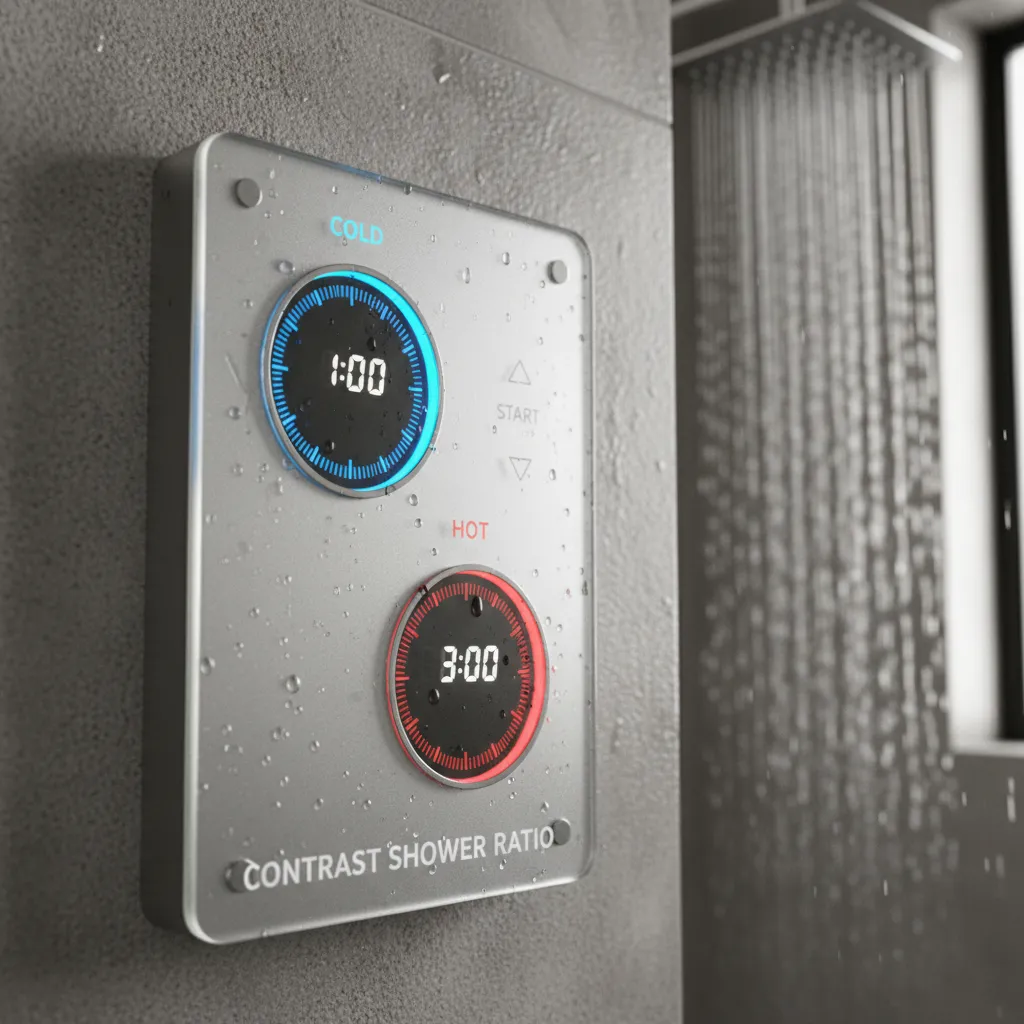
The gold standard for contrast hydrotherapy is a ratio of three minutes of heat to one minute of cold. Here is the step-by-step guide:
- Warm Up: Start with a normal warm shower to cleanse the body and raise your core temperature.
- Hot Phase (3 Minutes): Turn the water to hot (as hot as is comfortable, do not burn yourself). Focus the water on tight muscles or the back of the neck.
- Cold Phase (1 Minute): Turn the water to cold (as cold as the tap allows). Breathe deeply. Do not hold your breath. Ensure the water hits your chest and face to stimulate the vagus nerve.
- Repeat: Cycle through this hot/cold pattern 3 times.
- The Finish: Always end on COLD. This closes the pores and stimulates the internal warming response of the body.
Safety Precautions and Heart Health
While contrast shower benefits are substantial, this therapy acts as a stressor on the cardiovascular system and is not suitable for everyone. The rapid changes in vascular dilation and constriction cause fluctuations in blood pressure and heart rate.
Who Should Avoid Contrast Showers?
- Heart Conditions: Individuals with a history of heart disease, arrhythmia, or uncontrolled high blood pressure should avoid extreme temperature contrasts, as the shock can induce cardiac events.
- Raynaud’s Disease: Those with Raynaud’s phenomenon may experience exacerbated symptoms or painful spasms in the extremities due to the cold vasoconstriction.
- Pregnancy: Pregnant women should consult a healthcare provider. While mild contrast might be safe, extreme heat (hyperthermia) is generally contraindicated during pregnancy.
- Advanced Diabetes: Neuropathy (loss of sensation) can make it difficult to gauge water temperature, leading to potential burns or frostbite-like injuries.
For healthy individuals, if you feel dizzy or lightheaded at any point, sit down immediately and return the water to a neutral, lukewarm temperature. Always listen to your body. For more information on heart safety and thermal stress, refer to resources from the American Heart Association.
Frequently Asked Questions
How often should I take a contrast shower?
For general health and immunity boosting, contrast showers can be taken daily. If you are using them specifically for heavy muscle recovery after training, they are most effective immediately following your workout. However, listen to your body; if you feel overly fatigued, a warm Epsom salt bath might be more restorative than the stimulating contrast shower.
Do contrast showers help with weight loss?
Contrast showers may support weight loss indirectly by activating “brown fat” (brown adipose tissue). Brown fat burns calories to generate heat when the body is exposed to cold. Additionally, the metabolic increase required to warm the body back up after the cold phase burns a small amount of energy, though it should not replace diet and exercise.
Why must I always end with cold water?
Ending with cold water causes vasoconstriction, which drives blood from the skin back to the internal organs, keeping the core warm. If you end with hot water, your pores remain open, and blood stays at the surface, which can lead to rapid heat loss and a chilling effect once you step out of the shower into the cooler air.
Can contrast showers make you sick?
When done correctly, they boost immunity. However, if you are already in the acute stages of a fever or a severe viral infection, the stress of the cold water might be too much for your body to handle. It is generally best to rest during an active fever. Contrast showers are better used as a preventative measure or during the very early stages of a cold.
How cold does the water need to be?
Ideally, the water should be below 60°F (15°C) to trigger the necessary physiological response. However, if you are a beginner, start with “cool” water and gradually work your way down to the coldest setting over several weeks to allow your body to adapt to the thermal shock.
Is a contrast shower better than an ice bath?
They serve slightly different purposes. An ice bath provides prolonged, deep tissue cooling which is superior for acute injury inflammation or extreme athletic recovery. A contrast shower is a “pumping” action that emphasizes circulation and lymphatic flow. Contrast showers are generally more sustainable for daily use and less intense than full submersion ice baths.