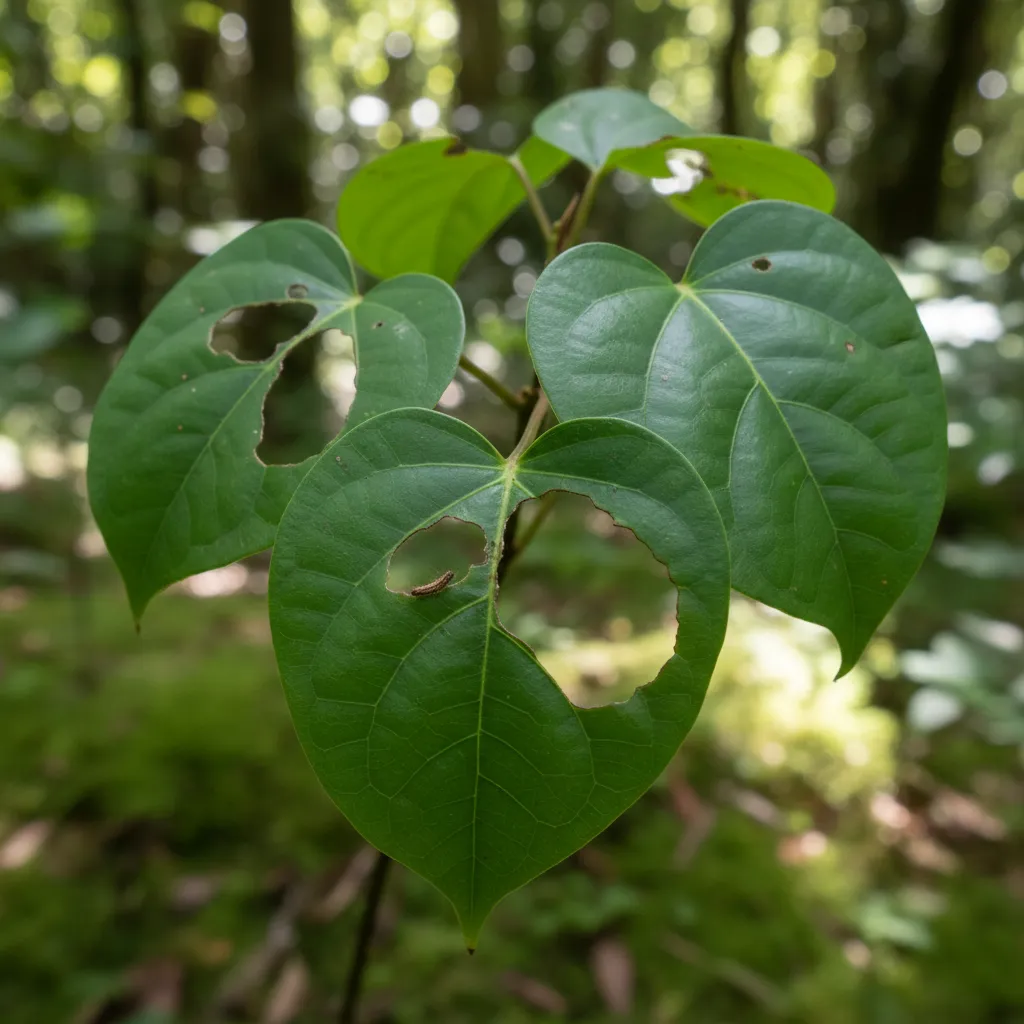
Horopito for Candida is highly effective due to its primary active compound, polygodial, which functions as a potent non-ionic surfactant. This natural sesquiterpene dialdehyde disrupts the cell membrane integrity of Candida albicans, causing the yeast cells to leak and die. Unlike many synthetic antifungals, Horopito’s complex chemical structure makes it difficult for yeast to develop resistance, making it a sustainable option for treating chronic yeast overgrowth and restoring gastrointestinal balance.
The Ancient Origins of the New Zealand Pepper Tree
In the isolated ecosystem of New Zealand, flora has evolved over millions of years to develop unique defense mechanisms against predators and pathogens. Among these botanical treasures is Pseudowintera colorata, commonly known as Horopito or the New Zealand Pepper Tree. Historically, this plant has been a cornerstone of Rongoā Māori (traditional Māori medicine), utilized for centuries to treat skin diseases, wounds, and digestive ailments.
Today, the global wellness market is turning its gaze toward this ancient shrub. While traditional use focused on topical applications and chewing the leaves for toothache, modern science has validated its internal application, specifically regarding fungal overgrowth. As antibiotic resistance rises and the prevalence of gut dysbiosis increases due to modern diets, Horopito has emerged as a premier natural therapeutic, particularly for those seeking horopito for candida remediation.
Polygodial: The Active Compound in Horopito
The efficacy of Horopito lies in its chemistry. The leaves contain a powerful sesquiterpene dialdehyde known as polygodial. This compound is responsible for the plant’s characteristic hot, peppery taste—a flavor profile so intense that it naturally deters insects and animals from consuming the leaves. This evolutionary defense mechanism is exactly what makes the plant so effective against microscopic fungi.
The Mechanism of Action
Polygodial acts primarily as a surfactant. In biological terms, it damages the permeability of the plasma membrane of fungal cells. When introduced to yeast species like Candida albicans, polygodial disrupts the lipid bilayer, causing the structural integrity of the cell to fail. This leads to the leakage of intracellular components, effectively destroying the yeast cell from the outside in. Research indicates that polygodial is not only fungicidal (killing the fungus) but also fungistatic (inhibiting its reproduction), offering a dual-pronged approach to infection control.
Synergy with Other Compounds
While polygodial is the star component, the whole-leaf extract of Horopito contains other essential oils and flavonoids (such as quercetin and luteolin) that may work synergistically. This “entourage effect” is often why whole-herb extracts can be more effective and better tolerated than isolated synthetic compounds. The presence of antioxidants in the leaf also helps to reduce the oxidative stress associated with chronic infections.
Combating Candida and Yeast Infections Naturally
Candida albicans is a commensal yeast that naturally resides in the human gut, mouth, and vagina. In a healthy ecosystem, it is kept in check by beneficial bacteria. However, factors such as high-sugar diets, antibiotic usage, chronic stress, and hormonal imbalances can precipitate an overgrowth, leading to Candidiasis. This can manifest as oral thrush, vaginal yeast infections, or systemic digestive issues.
Targeting Systemic Overgrowth
Using horopito for candida is distinct from using milder antifungals like caprylic acid because of its potency and systemic reach. When ingested in capsule form, the active polygodial survives the stomach acid and reaches the small and large intestines where yeast colonization often occurs. By reducing the fungal load in the gut reservoir, Horopito helps prevent the recurrence of localized infections, such as vaginal thrush, which often stem from a gastrointestinal imbalance.
Efficacy Against Non-Albicans Species
One of the most compelling arguments for Horopito is its broad-spectrum activity. While Candida albicans is the most common culprit, other species like Candida glabrata and Candida krusei are becoming increasingly prevalent and are often naturally resistant to common drug treatments. Studies suggest that polygodial retains its antifungal activity against these tougher, non-albicans species, making it a critical tool for complex or recurrent cases.
Horopito vs. Pharmaceutical Antifungals
When investigating commercial solutions for yeast infections, the standard medical route involves azole drugs (e.g., Fluconazole, Clotrimazole) or polyenes (e.g., Nystatin). While these are effective for acute symptoms, they have limitations that natural alternatives like Horopito seek to address.
The Issue of Resistance
Fungal resistance is a growing global health threat. Frequent use of azole drugs can lead to mutated yeast strains that no longer respond to treatment. Because pharmaceutical antifungals often target a single specific enzyme or pathway, the yeast can adapt relatively quickly. In contrast, Horopito’s polygodial physically disrupts the cell membrane. It is significantly harder for an organism to evolve a resistance to a physical destruction of its outer shell than it is to bypass a metabolic pathway blocker.
Side Effect Profiles
Pharmaceutical antifungals, particularly when taken systemically (orally) for long periods, can place strain on the liver. Fluconazole, for example, carries warnings for hepatotoxicity. Horopito, when used at recommended dosages, has a strong safety profile. While it produces a warming sensation in the gut due to its peppery nature, it does not carry the same risk of liver toxicity, making it a safer option for the longer protocols often required to treat chronic Candida overgrowth.
Digestive Health and Microbiome Benefits
The benefits of Horopito extend beyond simply killing yeast. In the context of New Zealand multi-cultural herbalism, gut health is viewed as the foundation of overall wellness. Chronic Candida overgrowth often leads to “Leaky Gut Syndrome” (intestinal permeability), where the gut lining becomes inflamed and porous.
Restoring the Bacterial Balance
A common concern with potent antimicrobials is that they might “nuke” the microbiome, killing beneficial bacteria alongside the pathogens. While Horopito is a powerful antifungal, anecdotal evidence and preliminary research suggest it is more selective than broad-spectrum antibiotics. By reducing the fungal load, it reduces the competition for resources in the gut, allowing beneficial bacterial colonies (like Lactobacillus and Bifidobacterium) to re-establish themselves. However, it is standard practice in naturopathy to pair Horopito treatment with a high-quality probiotic to accelerate this restoration.
Commercial Review: Kolorex and Supplement Selection
For the consumer investigating horopito for candida, the marketplace is dominated by New Zealand exports. Due to the plant being endemic to NZ, the highest quality supplements originate there. The most prominent and clinically researched brand is Kolorex.
Kolorex: The Gold Standard?
Forest Herbs Research, the company behind Kolorex, has spent decades researching Pseudowintera colorata. Their distinct advantage lies in their breeding program. Not all Horopito plants are created equal; the concentration of polygodial varies wildly in the wild depending on the location and predation levels. Kolorex utilizes a sustainably farmed cultivar that is standardized to ensure a high, consistent yield of polygodial.
- Pros: Backed by clinical studies; standardized polygodial content; utilizes supercritical CO2 extraction (cleaner than chemical solvents); includes soft gels for better absorption.
- Cons: Premium price point compared to generic herbal blends; the “heat” of the capsule can cause mild heartburn in sensitive individuals.
Alternative Blends and Tinctures
Other brands offer Horopito in tincture form or mixed with other antifungals like Olive Leaf or Oregano Oil. While tinctures allow for flexible dosing, the taste of Horopito is intensely hot and numbing, making liquid consumption unpleasant for many. Capsules are generally preferred for compliance. When reviewing alternatives to Kolorex, look for “Standardized Extract” on the label. If the label simply says “Horopito Leaf,” the polygodial content may be negligible.
What to Look for on the Label
To ensure commercial viability and therapeutic value, ensure the product lists:
1. Latin Name: Pseudowintera colorata.
2. Extraction Method: CO2 extraction is preferred for preserving the lipid-soluble polygodial.
3. Origin: Sourced from New Zealand (this is non-negotiable as the plant is endemic).
4. Standardization: A guarantee of active compound percentage.
Usage, Dosage, and the Healing Crisis
Integrating Horopito into a wellness regimen requires respect for its potency. It is not a mild herb like chamomile; it is a “warrior” herb.
Navigating the “Die-Off” Effect
When horopito for candida begins to work, yeast cells die rapidly, releasing endotoxins (such as acetaldehyde) into the bloodstream. This can trigger a Herxheimer reaction, or “die-off.” Symptoms may include flu-like fatigue, brain fog, headaches, or a temporary worsening of skin rashes. This is not a side effect of the herb, but a sign of its efficacy.
To mitigate this:
Start Slow: Do not start with the maximum dose. Take one capsule every other day for the first week.
Hydrate: Drink extensive amounts of water to flush toxins.
Binders: Some practitioners recommend taking activated charcoal or bentonite clay (away from food/meds) to bind toxins in the gut.
Who Should Avoid It?
Due to the lack of safety data on fetal development, Horopito is generally not recommended during pregnancy or breastfeeding. Additionally, because it can be irritating to the stomach lining in its raw form, those with active stomach ulcers should consult a healthcare professional before use. Always take Horopito supplements with food to buffer the “heat” of the polygodial.
Frequently Asked Questions
How long does it take for Horopito to work for Candida?
Most users report a change in symptoms within 7 to 14 days, though a full protocol for chronic Candida often lasts 4 to 8 weeks. The timeline depends on the severity of the overgrowth and adherence to a low-sugar diet alongside the supplementation.
Can I take Horopito alongside antibiotics?
Yes, Horopito can be taken alongside antibiotics to help prevent the fungal overgrowth that typically follows antibiotic therapy. However, always consult your prescribing physician to ensure there are no specific interactions with your medication.
Is Horopito better than Oregano Oil?
Both are potent antifungals. Oregano oil (carvacrol) is excellent but can be very harsh on beneficial gut bacteria if used long-term. Horopito is often considered more specific to fungal membranes and may be better tolerated for the longer durations required to treat systemic Candida.
Does Horopito cause burning in the stomach?
Because polygodial is the component that gives the plant its hot, peppery taste, some users experience a warming sensation or mild heartburn. Taking the supplement with a meal containing fats usually prevents this discomfort.
Can men use Horopito for yeast infections?
Absolutely. Candida overgrowth affects men as well, manifesting as jock itch, athlete’s foot, or digestive issues. The mechanism of action is the same regardless of gender.
Is Horopito safe for long-term use?
Horopito is generally considered safe for protocols lasting several months. However, herbalists usually recommend cycling off the herb after 2-3 months to allow the body to rest, or switching to a maintenance dose.