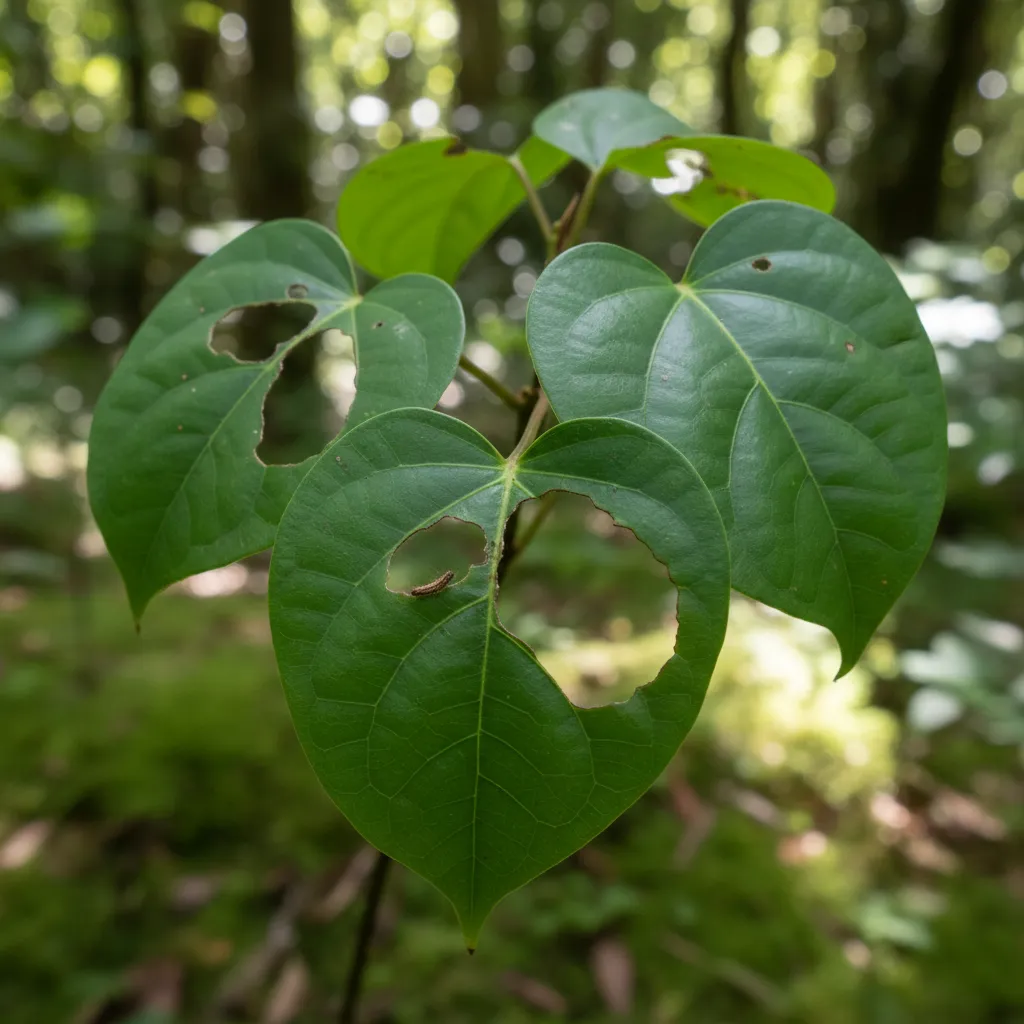
Harakeke gel benefits include superior hydration, natural antiseptic properties, and a cooling effect that rivals Aloe Vera. Extracted from the base of New Zealand flax leaves, this nutrient-rich gel (pia) is high in polysaccharides and D-glucuronic acid, making it an exceptional humectant that soothes sunburn, reduces inflammation, and accelerates the healing of skin irritations while forming a protective barrier against bacteria.
New Zealand’s native flora offers a treasure trove of botanical remedies, yet few are as versatile or culturally significant as Harakeke (Phormium tenax). Often referred to as New Zealand flax, Harakeke has been a cornerstone of Rongoā Māori (traditional healing) for centuries. While the strong fibers were traditionally woven into mats, baskets, and clothing, the clear, cool gel found at the base of the leaves—known as pia—is a potent skincare ingredient that is rapidly gaining global recognition.
In the realm of multi-cultural herbalism and wellness, Harakeke gel is frequently compared to Aloe Vera due to its soothing texture and hydrating capabilities. However, recent studies and traditional knowledge suggest that Harakeke may offer superior moisture retention and adhesion to the skin. This guide explores the profound benefits of Harakeke gel, the protocols for harvesting it respectfully, and its place in both traditional and modern wellness practices.
Tikanga and Respect: Harvesting Harakeke Gel Correctly
Before delving into the dermatological benefits, it is imperative to understand the cultural significance of the plant. In Māori worldview, the Harakeke bush is viewed as a whānau (family). The harvesting of Harakeke is governed by tikanga (protocols) that ensure the sustainability of the plant and respect for the environment.
The Structure of the Plant
The Harakeke fan represents a family unit. The central shoot is the rito (the baby), and the leaves immediately enclosing it are the awhi rito (the parents). These three inner leaves must never be cut, as doing so destroys the heart of the plant and stops its growth. Only the outer leaves, representing the tšpuna (ancestors), are harvested. This practice ensures the plant’s longevity and reflects a cycle of life where the older generation protects the new.
Protocols for Harvesting
When harvesting Harakeke for its gel, professional herbalists and respectful practitioners adhere to specific rules:
- Karakia (Prayer): Acknowledging the plant and the earth before harvesting is standard practice to give thanks.
- Daytime Harvesting: Harakeke is traditionally harvested during the day when the plant is dry, not at night or in the rain, to prevent fungal infections and rot in the cut leaves.
- Clean Cuts: The leaves should be cut at a downward angle away from the center of the plant to allow rain to run off, preventing water from pooling and rotting the base.
- Returning to the Earth: Any unused parts of the leaf should be returned to the base of the bush to decompose and nourish the soil, completing the cycle.
Adhering to these principles is not merely superstitious; it is an ecological best practice that has preserved these plants for generations. For anyone looking to utilize Harakeke gel benefits, respecting the source is the first step in the wellness journey.
Harakeke vs. Aloe Vera: The Battle of Hydration
Aloe Vera has long been the gold standard for natural hydration, but Harakeke is challenging that title. While both plants produce a mucilaginous gel that soothes the skin, the chemical composition of Harakeke offers distinct advantages, particularly for those with dry or sensitive skin.
Superior Moisture Retention
The primary driver behind Harakeke gel benefits is its high concentration of complex polysaccharides, specifically D-xylose and D-glucuronic acid. These natural sugars act as humectants, drawing moisture from the environment into the skin. Research indicates that Harakeke gel is more viscous and adhesive than Aloe Vera. This thickness allows it to form a breathable, protective film over the skin, locking in moisture for longer periods and preventing transepidermal water loss (TEWL).
Astringent and Toning Qualities
Unlike Aloe, which is primarily soothing, Harakeke possesses mild astringent properties. This means it can help tighten pores and control excess oil production without stripping the skin. For individuals with combination or oily skin, Harakeke provides a balanced approach—hydrating dry areas while regulating oil in the T-zone. This dual action makes it a versatile ingredient in formulations designed to balance skin pH and texture.
Soothing Sunburn, Bites, and Skin Irritations
The application of Harakeke gel extends far beyond cosmetic moisturization. It is a powerful therapeutic agent used to treat a variety of acute skin conditions. The gel’s cooling nature provides immediate relief from heat and inflammation, making it a staple in natural first-aid kits across New Zealand.
Natural Antiseptic and Antibacterial Action
One of the most profound Harakeke gel benefits is its antimicrobial capability. The gel contains phytosterols and flavonoids that help combat bacteria, reducing the risk of infection in minor cuts and abrasions. Historically, Māori used the gel as a styptic to stop bleeding and cover wounds. Today, it is an excellent natural remedy for acne, as it soothes the redness of breakouts while fighting the bacteria that cause them.
Relief for Insect Bites and Sunburn
New Zealand’s sun is notoriously harsh, and insect bites are a common nuisance. Harakeke gel acts as a natural analgesic (pain reliever) when applied topically. The thick consistency cools the burn site immediately, reducing the stinging sensation. For insect bites, the gel reduces the histamine response, alleviating itching and swelling. Because it dries to form a protective layer, it also prevents the scratching that often leads to secondary infections.
Harakeke in Modern New Zealand Skincare
The commercial beauty industry has taken note of Harakeke gel benefits, leading to a surge in “clean beauty” products featuring this native ingredient. From high-end serums to daily moisturizers, Harakeke is being championed as a sustainable, effective alternative to synthetic hydration agents.
Sustainability and Ethical Sourcing
As demand grows, so does the importance of ethical sourcing. Premium skincare brands in New Zealand partner with local iwi (tribes) and sustainable farms to harvest Harakeke. This ensures that the tikanga is respected on a commercial scale and that the ecosystem remains balanced. Unlike some monoculture crops that deplete the soil, Harakeke is a hardy perennial that supports local biodiversity, making it an environmentally sound choice for eco-conscious consumers.
Formulation Synergy
In modern formulations, Harakeke is often paired with other New Zealand botanicals like Kawakawa (for inflammation) and Mānuka honey (for healing). These ingredients work synergistically. For example, a cream containing Harakeke and Mānuka honey utilizes the gel for hydration and the honey for deep tissue repair, creating a powerhouse product for anti-aging and skin barrier restoration.
DIY Guide: Extracting and Using Harakeke Gel
For those with access to a Harakeke bush, extracting the gel at home can be a rewarding connection to nature. However, it is crucial to perform this process safely and respectfully.
Step-by-Step Extraction
- Select the Leaf: Choose a healthy outer leaf (Grandparent/Tšpuna) that is free from disease or damage. Ensure you do not disturb the central three leaves.
- Cut Respectfully: Use a sharp knife to make a diagonal cut at the base.
- Expose the Gel: The gel is located at the very bottom of the leaf, between the blades. You can carefully split the base of the leaf open with your fingers or a knife to reveal the clear, jelly-like substance.
- Collect the Pia: Scoop out the gel using a clean spoon or a small spatula. It will be sticky and thick.
- Storage: Fresh Harakeke gel does not have a long shelf life because it lacks preservatives. It should be kept in the refrigerator in a sanitized, airtight container and used within 3 to 5 days.
Home Usage Ideas
Soothing Face Mask: Mix one teaspoon of Harakeke gel with a teaspoon of Mānuka honey. Apply to the face for 15 minutes to hydrate and calm redness, then rinse with warm water.
Sunburn Cooling Gel: Blend the gel with a drop of lavender essential oil and keep it chilled. Apply liberally to sun-exposed skin for instant relief.
Hair Serum: Rub a small amount of gel between your palms and smooth over frizzy hair ends. The polysaccharides help seal the hair cuticle without the heaviness of silicones.
Embracing Aotearoa’s Native Healer
Harakeke gel represents the perfect intersection of ancient wisdom and modern science. Its benefits—ranging from intense hydration and bacterial protection to sustainable cultivation—make it a standout ingredient in the world of natural wellness. By understanding the cultural protocols surrounding the plant and utilizing it with respect, we can unlock the full potential of New Zealand’s “Aloe Vera.” Whether used in a high-tech serum or harvested fresh from the garden, Harakeke offers a gentle, effective solution for skin health that honors the land from which it grows.
What are the main skin benefits of Harakeke gel?
Harakeke gel is highly hydrating, soothing, and antiseptic. It helps lock in moisture, cools sunburn, reduces redness and inflammation, and speeds up the healing of cuts and insect bites due to its high polysaccharide content.
Is Harakeke gel better than Aloe Vera?
Many users find Harakeke gel superior to Aloe Vera because it is thicker and more adhesive, creating a better protective barrier on the skin. It also contains unique D-glucuronic acid which aids in hydration retention.
Can I harvest Harakeke gel myself?
Yes, but you must follow proper tikanga (cultural protocols). Only harvest the outer leaves (the ancestors), never the central three leaves (the family core), and do so during the day with a clean, diagonal cut.
Is Harakeke gel safe for sensitive skin?
Generally, yes. Harakeke gel is a natural, gentle ingredient suitable for sensitive and eczema-prone skin. However, as with any botanical product, a patch test is recommended before full application.
How long does fresh Harakeke gel last?
Freshly extracted Harakeke gel contains no preservatives and should be stored in the refrigerator. It is best used within 3 to 5 days to prevent bacterial growth or spoilage.
What is the traditional Maori use for Harakeke gel?
Traditionally, Māori used the gel (pia) as an antiseptic for wounds, burns, and scalds. It was also used to soothe chafing and as a splinting adhesive for broken limbs when combined with the leaf fibers.