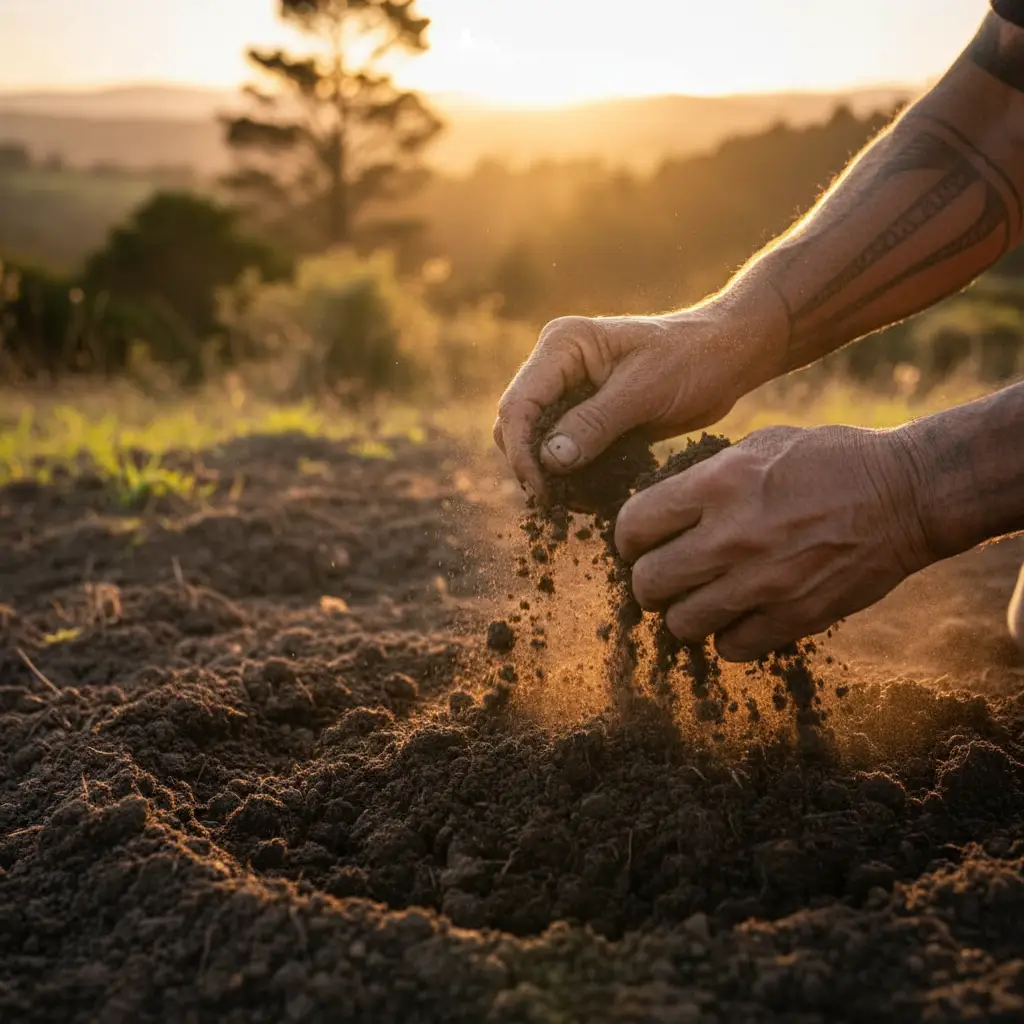
To grow Kawakawa effectively, plant seedlings in a semi-shaded area with rich, free-draining soil that mimics the conditions of a native forest floor. Ensure the location is sheltered from heavy frost and strong winds, as young plants are sensitive to cold. Keep the soil consistently moist but never waterlogged, particularly during dry spells, to support its shallow root system and encourage the growth of lush, medicinal foliage.
Kawakawa (Macropiper excelsum) is arguably one of New Zealand’s most distinctive and spiritually significant native plants. Often identified by its heart-shaped leaves and the characteristic holes left by the looper moth caterpillar, this shrub is a powerhouse of Rongoā Māori (traditional Māori medicine). Cultivating Kawakawa at home not only provides you with a sustainable source of healing leaves for teas and balms but also connects your garden to the ancient lineage of Aotearoa’s natural history.
Integrating this shrub into your home garden requires an understanding of its natural habitat. In the wild, it thrives under the canopy of larger trees, protected from the harsh midday sun and biting frosts. Replicating these conditions is the key to success. Whether you are an experienced herbalist or a novice gardener looking to embrace native flora, growing Kawakawa is a rewarding journey that blends horticulture with heritage.
Understanding Kawakawa (Macropiper excelsum)
Before putting a spade in the ground, it is essential to understand the botanical profile of the plant. Kawakawa belongs to the Piperaceae family, making it a close relative of the Kava plant (Piper methysticum) found throughout the Pacific and the black pepper vine. It is endemic to New Zealand and is predominantly found in coastal and lowland forests throughout the North Island and the upper half of the South Island.
Morphologically, it presents as a densely branched shrub or small tree, typically reaching heights of up to six meters in the wild, though it usually stays smaller in domestic garden settings. The leaves are aromatic, heart-shaped, and a deep, glossy green. The plant is dioecious, meaning male and female flowers occur on separate plants. The fruit, a small orange berry clusters on a spike, is a favorite food source for native birds, particularly the Kererū.
Ideal Growing Conditions
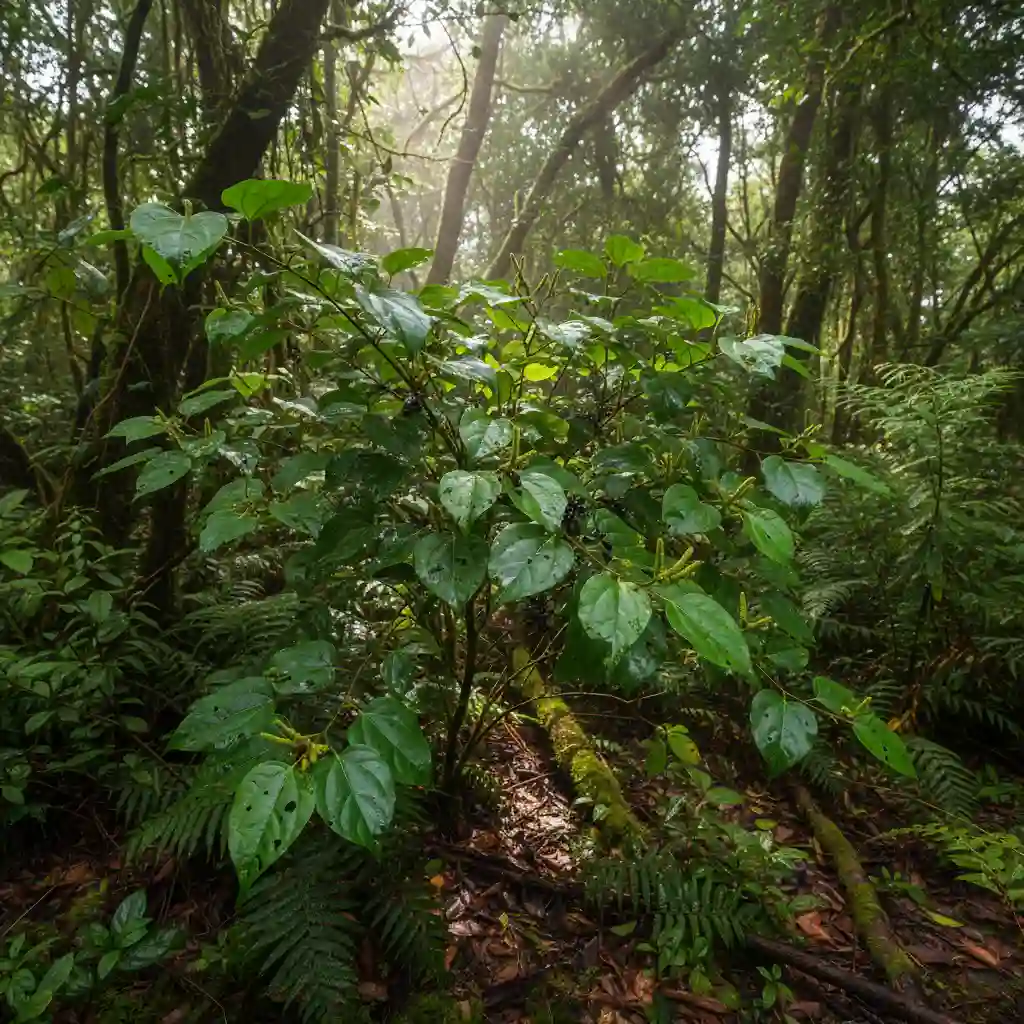
Success in growing Kawakawa hinges on how closely you can mimic its natural understory environment. It is not a plant that thrives in isolation or exposure; it prefers the company of other plants and the shelter they provide.
Light Requirements: Shade Lovers vs. Sun Tolerance
Kawakawa is classically defined as a shade-loving plant. In its natural habitat, it grows beneath the canopy of towering Podocarps like Rimu and Totara. Consequently, in a home garden, it performs best in semi-shade or dappled light. Direct, scorching midday sun can bleach the leaves, causing them to turn a sickly yellow and develop scorched edges.
However, Kawakawa does exhibit a degree of sun tolerance, particularly in coastal regions where the airflow helps mitigate heat stress. If you must plant it in a sunnier spot, ensure it is morning sun rather than the harsh afternoon intensity. Deep shade is well-tolerated, resulting in larger, darker green leaves, which are often preferred for aesthetic and medicinal purposes.
Soil Composition and Drainage
The forest floor is rich in decaying organic matter, creating a humus-rich, friable soil structure. This is the gold standard for Kawakawa. The soil should be free-draining; while the plant loves moisture, it despises having “wet feet.” Heavy clay soils that pool water in winter can lead to root rot, a common cause of failure for young plants.
If you are gardening on clay, amend the soil heavily with compost, leaf mould, and gypsum to improve structure. Raising the planting bed is another effective strategy to ensure the root crown remains above the water table during wet winters. Ideally, the soil pH should be slightly acidic to neutral, mirroring the decomposition of forest leaf litter.
Temperature and Frost Sensitivity
Kawakawa is frost-tender. This is the primary limiting factor for growing it in the lower South Island or inland high-country areas. Young plants are particularly vulnerable and can be decimated by a single hard frost. In cooler regions, plant Kawakawa under the eaves of the house or beneath the canopy of established frost-hardy trees which act as a thermal blanket.
Once established, older bushes can tolerate light frosts, though they may lose some foliage. If you live in a frost-prone area, consider growing Kawakawa in a large container that can be moved to a sheltered patio or greenhouse during the coldest months of the year.
Planting Your Kawakawa
The timing of planting is crucial to ensure the root system establishes itself before the plant faces the stress of either summer heat or winter cold.
When to Plant
The optimal time to plant Kawakawa is in autumn or early spring. Autumn planting allows the roots to settle into the still-warm soil while benefiting from increased rainfall, establishing a robust system before winter. Spring planting is suitable for areas with harsh winters, ensuring the threat of frost has passed before the new plant goes into the ground. Avoid planting in the height of summer, as the heat stress on a young plant with an unestablished root system can be fatal.
Potting vs. Ground Planting
Kawakawa adapts surprisingly well to container gardening. This is excellent news for those with limited space or those living in colder climates. When potting, select a large container—at least 40-50 liters for a mature specimen—to accommodate the root system. Use a high-quality potting mix designed for trees and shrubs, and consider adding a slow-release native fertilizer.
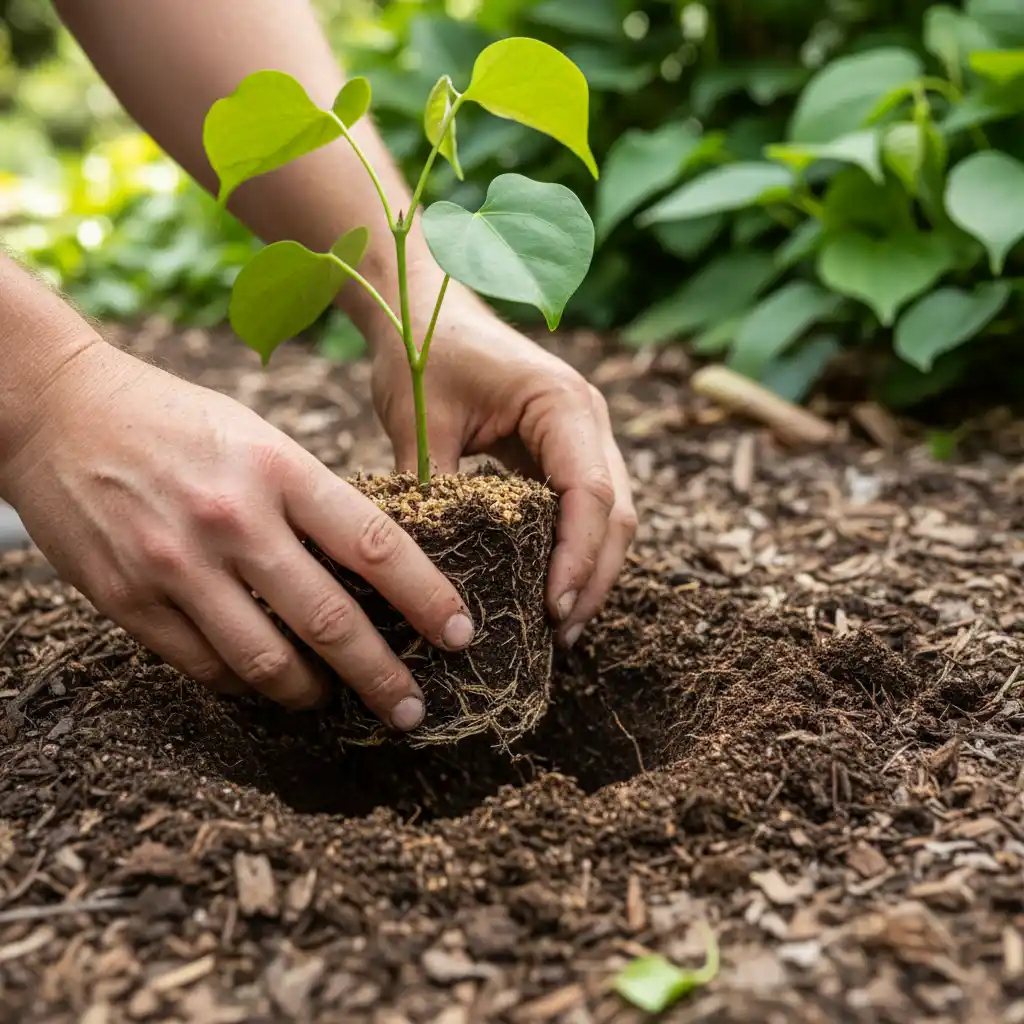
For ground planting, dig a hole twice the width of the root ball but no deeper. This encourages lateral root growth into the surrounding topsoil. Gently tease out the roots if they are pot-bound. Backfill with a mixture of the native soil and high-quality compost. Water deeply immediately after planting to eliminate air pockets.
Watering and Ongoing Maintenance
Once planted, Kawakawa is relatively low maintenance, provided its basic hydration and nutrition needs are met.
Watering Requirements
Moisture is critical. The large surface area of Kawakawa leaves means the plant transpires significant amounts of water. During the first two years, regular watering is non-negotiable. In dry summer periods, a deep soak twice a week is preferable to light daily sprinklings, which only wet the surface. If the leaves begin to droop, the plant is signaling acute water stress.
Mulching and Feeding
Mulching is the single best maintenance practice for Kawakawa. Apply a thick layer (7-10cm) of organic mulch, such as wood chips, leaf mould, or pea straw, around the base of the plant. This suppresses weeds, retains vital soil moisture, and regulates soil temperature. Crucially, as the mulch breaks down, it mimics the nutrient cycling of the forest floor.
Regarding fertilizer, Kawakawa is not overly hungry, but it appreciates a boost. A general-purpose native plant fertilizer applied in spring will support new growth. Blood and bone is also an excellent organic option that releases nutrients slowly.
The Looper Moth: Why Holes are Good
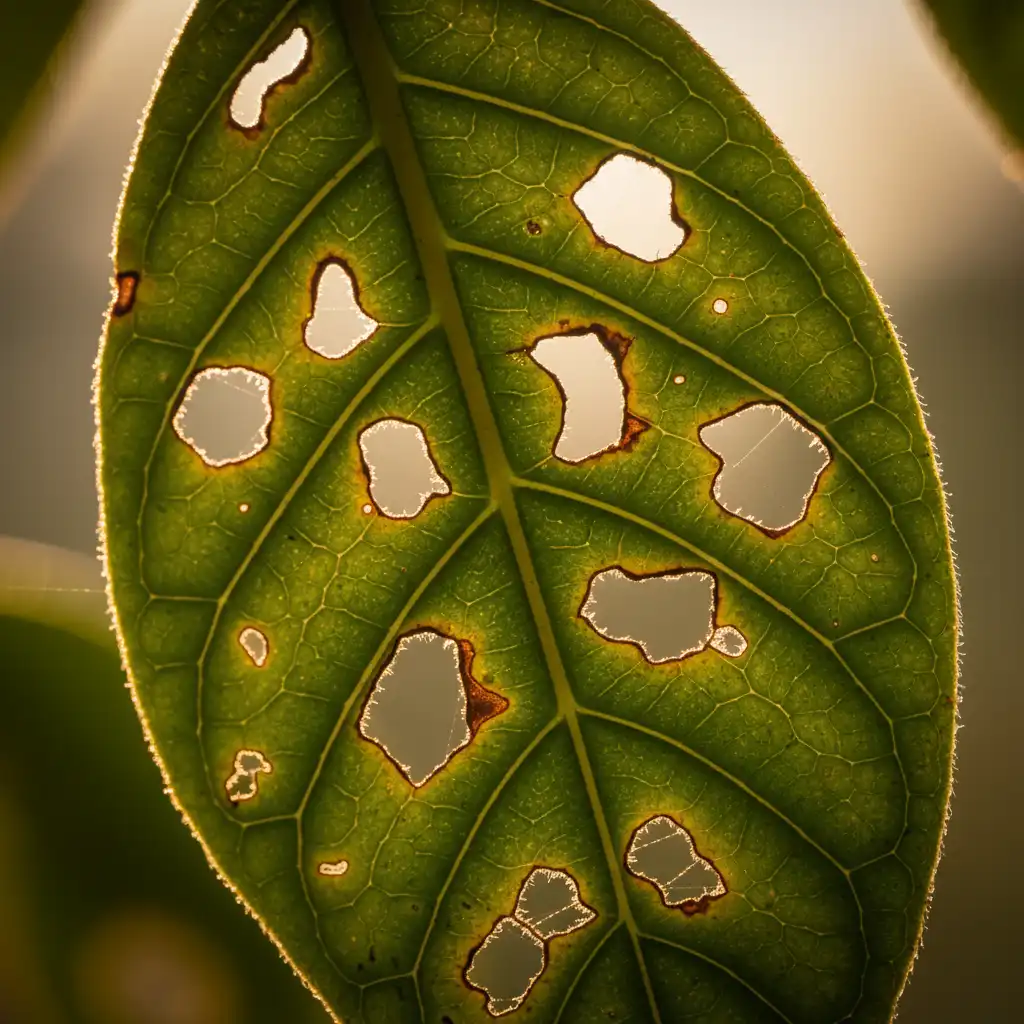
One of the most frequent questions from new growers concerns the holes that appear in the leaves. In almost any other gardening context, insect damage is seen as a problem to be eradicated. With Kawakawa, it is a sign of potency.
Identifying the Looper Moth (Cleora scriptaria)
The holes are created by the caterpillar of the Kawakawa Looper Moth (Cleora scriptaria). These caterpillars are masters of camouflage, often looking exactly like a small twig or leaf stem. They feed almost exclusively on Kawakawa leaves.
The Medicinal Connection
In Rongoā Māori, the leaves with the most holes are considered the most medicinally valuable. Scientific analysis supports this traditional knowledge. When the caterpillar chews on the leaf, the plant responds to the stress by releasing higher concentrations of secondary metabolites as a defense mechanism. These compounds, including myristicin and diayangambin, possess strong anti-inflammatory, antimicrobial, and analgesic properties.
Therefore, do not spray your Kawakawa with insecticides. The presence of the looper moth is a symbiotic relationship that enhances the therapeutic quality of your harvest. A pristine leaf with no holes is often considered “young” or less potent compared to the battle-hardened leaves that have survived herbivory.
Harvesting Respectfully: Tikanga and Technique
Harvesting Kawakawa is not merely a gardening chore; for many, it is a spiritual practice. Adhering to Tikanga (cultural protocols) ensures sustainability and respect for the plant’s mauri (life force).
Karakia and Intent
Before harvesting, it is customary to say a Karakia (prayer) or offer a moment of gratitude to the plant and Tāne Mahuta (God of the Forest). This acknowledges the gift being taken and sets a respectful intention for its use. Never take more than you need, and never strip a branch bare. A good rule of thumb is to take only a few leaves from each branch to ensure the plant continues to thrive.
Which Leaves to Pick
Select leaves that are mature and show signs of insect damage (the holes mentioned above). These are the leaves with the highest concentration of active ingredients. Avoid harvesting the very young, light green leaves at the tips of the branches, as these are the plant’s future growth. Traditionally, harvest from the side of the bush facing the rising sun (East) or the North, as these leaves have absorbed the most energy (mauri) from the sun.
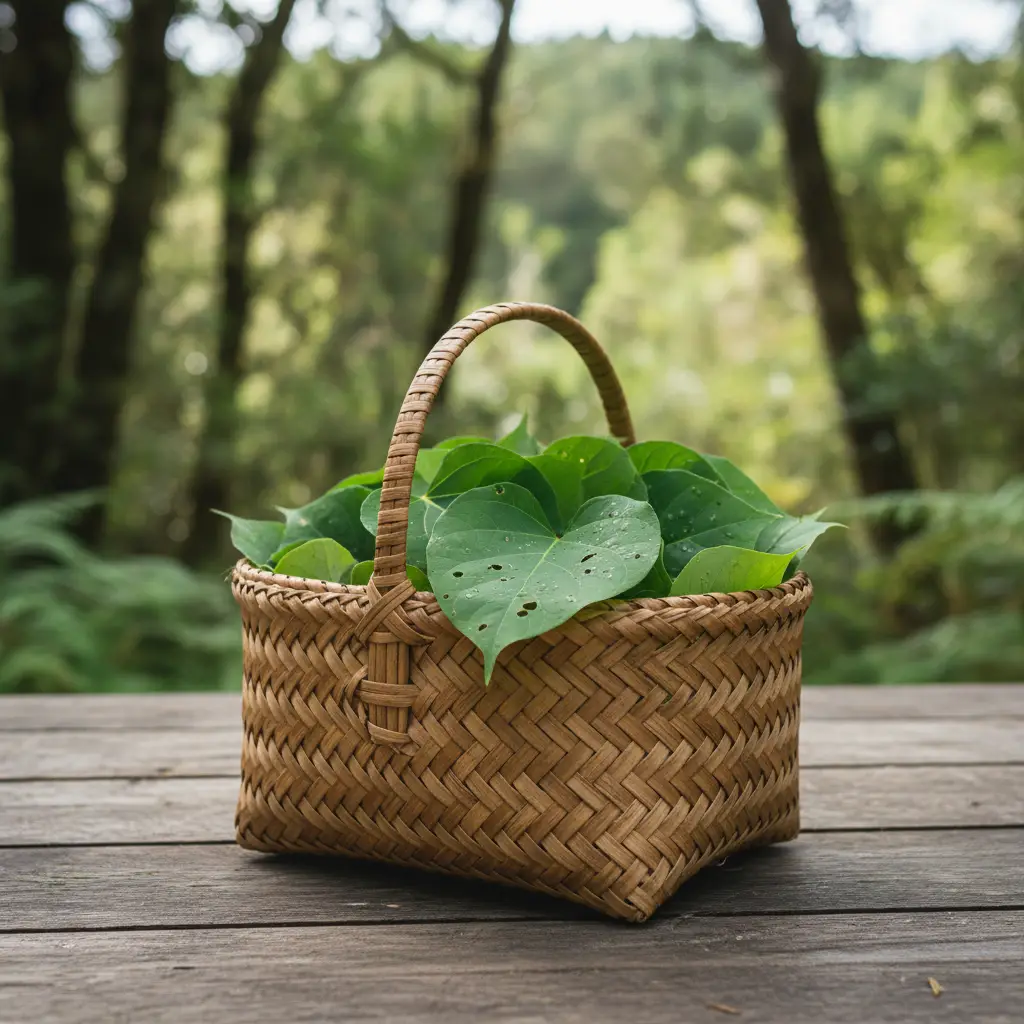
Uses for Homegrown Kawakawa
Once you have successfully grown and harvested your Kawakawa, the applications are versatile.
Kawakawa Tea: The most common preparation. Simmer 5-6 fresh leaves (bruised slightly to release oils) in water for 15 minutes. It is excellent for digestive issues, bloating, and circulation. The taste is peppery and warming.
Balms and Salves: By infusing the leaves in a carrier oil (like olive or almond oil) over low heat for several hours and then setting it with beeswax, you create a potent healing balm. This is widely used for eczema, insect bites, cuts, and bruises due to its antimicrobial and analgesic properties.
Poultices: In immediate first aid situations, a fresh leaf can be chewed or crushed and applied directly to a toothache or a nettle sting to numb the pain and reduce inflammation.
Common Pests and Problems
While generally robust, Kawakawa can struggle if conditions aren’t right.
- Phytophthora (Root Rot): Caused by waterlogged soil. Symptoms include sudden wilting despite moist soil. Prevention is the only cure—ensure excellent drainage.
- Frost Burn: Blackened, crispy leaves after a cold snap. Do not prune immediately; wait until spring to see where new growth emerges, then trim back the dead wood.
- Scale Insects: Occasionally affect stems. These can be rubbed off manually or treated with neem oil if the infestation is severe, though care must be taken if you intend to consume the leaves.
Growing Kawakawa at home is a meaningful way to engage with the land of Aotearoa. It provides a direct link to traditional healing practices and offers a beautiful, lush addition to any garden that respects the shade and shelter of the native forest.
How fast does Kawakawa grow?
Kawakawa is a relatively fast-growing shrub. Under ideal conditions (semi-shade, moist soil, and frost protection), it can grow between 50cm to 1 meter per year. It typically reaches maturity and full height within 3 to 5 years.
Can you grow Kawakawa indoors?
Yes, but it can be challenging. It requires a bright room but out of direct sun, and high humidity. Indoor heating often dries the air too much for Kawakawa, so regular misting or a humidifier is necessary to keep the foliage healthy.
Is Kawakawa toxic to dogs?
Generally, Kawakawa is not considered highly toxic to dogs, but ingestion of large amounts of plant material can cause digestive upset. As with all garden plants, it is best to monitor pets and prevent them from chewing on the shrub.
Why are my Kawakawa leaves turning yellow?
Yellowing leaves usually indicate one of two things: too much direct sunlight (sun scorch) or poor drainage leading to root stress. Nitrogen deficiency can also cause yellowing, but environmental factors are the more common culprits.
Can I prune Kawakawa hard?
Kawakawa responds well to pruning. You can prune it to shape or control its size, best done in late winter or early spring before rapid growth begins. Hard pruning can rejuvenate an old, leggy bush.
What is the best fertilizer for Kawakawa?
A slow-release fertilizer formulated for NZ native plants is ideal. Alternatively, organic options like blood and bone, seaweed tonics, or well-rotted compost provide the balanced nutrients the plant needs without encouraging excessive, weak growth.