
Green Lipped Mussel (GLM) oil and extracts, derived from the pristine waters of New Zealand, offer a compelling natural solution for joint health and inflammatory conditions. With a growing body of scientific evidence and a focus on sustainable aquaculture, understanding the nuances between GLM oil and powder, along with scrutinizing leading brands, is crucial for consumers seeking effective, natural relief. This comprehensive guide aims to equip you with the knowledge to make an informed decision.
Understanding Green Lipped Mussel Extracts: Oil vs. Powder
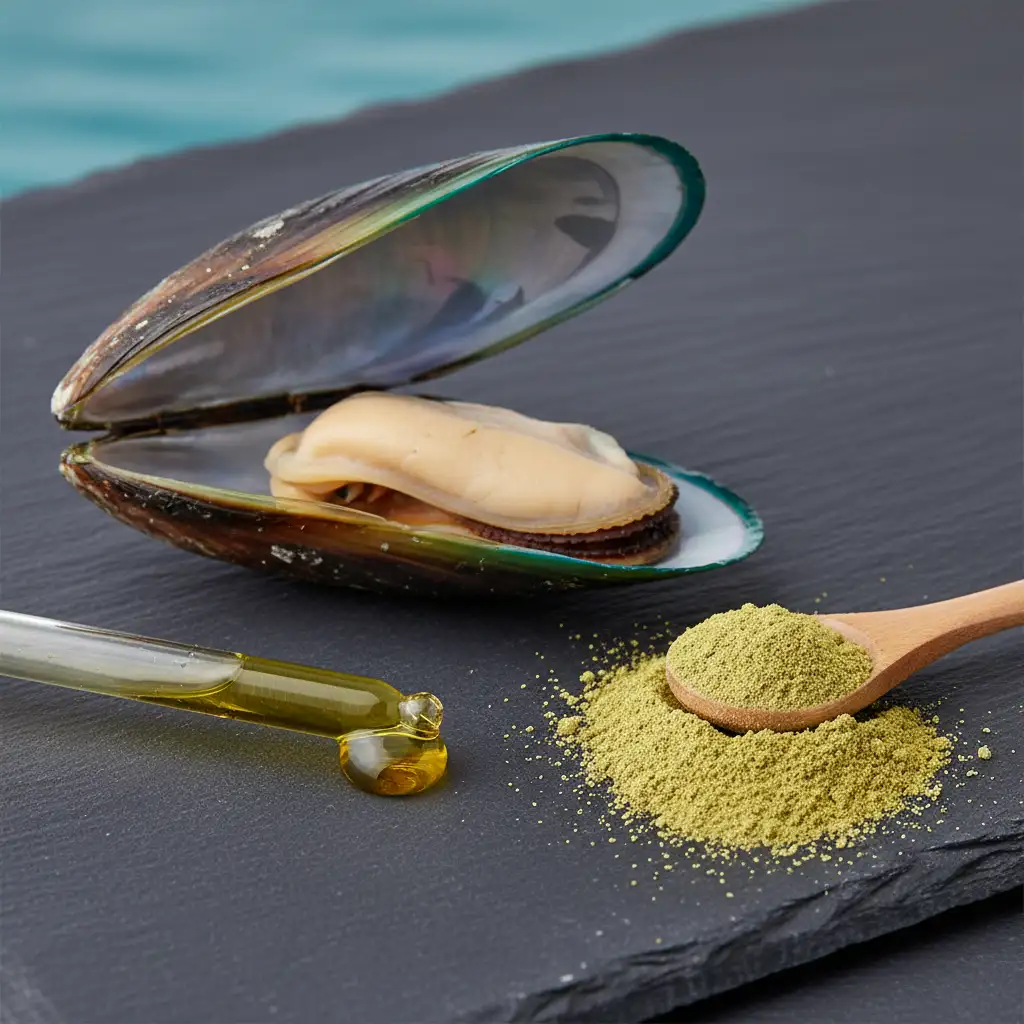
The market for Green Lipped Mussel (Perna canaliculus) products presents consumers with two primary forms: oil and whole mussel powder. While both originate from the same remarkable marine source, their processing, composition, and subsequent bioavailability differ significantly, influencing their efficacy for various health goals, particularly joint support and inflammation management.
The Core Difference: Bioavailability Analysis
Bioavailability refers to the proportion of a drug or other substance which enters the circulation when introduced into the body and so is able to have an active effect. In the context of GLM products, the method of extraction plays a pivotal role in determining how effectively the beneficial compounds are absorbed and utilized by the body. Green Lipped Mussel oil is typically extracted using advanced supercritical CO2 or organic solvent methods, which concentrate the lipid fractions, including a unique profile of Omega-3 fatty acids and other anti-inflammatory compounds. This concentration process, coupled with the oil’s lipid-soluble nature, often leads to superior absorption rates compared to powdered forms. The oil form isolates and concentrates specific active compounds, making them more accessible to the body’s systems.
Conversely, whole mussel powder is created by freeze-drying and grinding the entire mussel meat. While it retains the full spectrum of nutrients present in the mussel, including proteins, carbohydrates, vitamins, minerals, and glycosaminoglycans (GAGs) like chondroitin sulfate, the concentration of the potent anti-inflammatory lipids can be significantly lower. The larger molecular structures and the presence of other biological material in the powder can also affect the rate and extent of absorption, potentially leading to a lower bioavailability for certain key active ingredients when compared to the concentrated oil extracts.
Omega-3 Fatty Acids and Unique Lipids in Oil
Green Lipped Mussel oil is renowned for its exceptional Omega-3 fatty acid profile, which includes eicosapentaenoic acid (EPA) and docosahexaenoic acid (DHA), vital for anti-inflammatory processes and overall cardiovascular and cognitive health. However, what truly sets GLM oil apart is the presence of a diverse array of other lipids, including a broader spectrum of Omega-3s (such as ETA – eicosatetraenoic acid) and unique furan fatty acids (FTAs). These less common lipids are believed to contribute significantly to the potent anti-inflammatory effects observed with GLM oil. The concentration of these specific lipid compounds, which act as precursors to anti-inflammatory mediators in the body, is substantially higher in the oil extract, making it a targeted delivery system for these therapeutic components. This rich lipid profile directly interferes with inflammatory pathways, providing rapid and effective relief from pain and stiffness associated with joint conditions.
Glycosaminoglycans and Minerals in Powder
While GLM oil focuses on the lipid-soluble anti-inflammatory compounds, whole mussel powder offers a broader nutritional matrix. It is a rich source of glycosaminoglycans (GAGs), particularly chondroitin sulfate and hyaluronic acid, which are fundamental components of cartilage and synovial fluid. These compounds are crucial for maintaining the structural integrity and lubrication of joints, supporting their long-term health and repair mechanisms. The powder also provides a comprehensive array of vitamins, trace minerals (such as zinc, copper, manganese, and selenium), and amino acids, which are essential for cellular function and overall well-being. This holistic nutrient profile means that while the anti-inflammatory effect might be less immediate or concentrated than that of the oil, the powder can contribute to joint health through foundational support for cartilage and connective tissues. The synergistic effect of these natural constituents in their whole-food matrix is often highlighted as a key benefit of the powdered form, aligning with a more ‘Rongoā Māori’ perspective of holistic health.
Absorption and Efficacy: What the Research Suggests
Clinical research comparing GLM oil and powder provides valuable insights into their respective efficacies. Studies have consistently demonstrated the potent anti-inflammatory effects of GLM oil, particularly in conditions like osteoarthritis and rheumatoid arthritis. The concentrated lipid extract, with its unique Omega-3s and FTAs, has been shown to significantly reduce pain, swelling, and improve joint function, often with a faster onset of action due to its higher bioavailability of anti-inflammatory lipids. Some trials have focused on specific branded oil extracts, showing positive outcomes in reducing NSAID reliance and improving quality of life. The effectiveness is largely attributed to the inhibition of cyclooxygenase (COX) and lipoxygenase (LOX) pathways, key enzymes in the inflammatory cascade.
While whole mussel powder also exhibits anti-inflammatory properties, its mechanism and onset might differ. Research on powder often highlights its role in providing building blocks for cartilage repair and maintaining joint structure due to its GAG content. Some studies indicate that while powder may also reduce pain and improve mobility, it might take longer to show significant effects compared to concentrated oil. However, the comprehensive nutritional profile of the powder can support overall joint health from multiple angles. For individuals with more severe inflammatory conditions or those seeking rapid relief, the concentrated oil might be preferred, whereas for long-term joint maintenance and nutritional support, the powder offers a robust solution. The choice often depends on the specific therapeutic goal and individual response.
The Green Imperative: Sustainability of Aquaculture Practices
The ecological footprint of any marine-derived product is a critical consideration for conscientious consumers. New Zealand’s Green Lipped Mussel industry stands out globally for its exemplary commitment to sustainable aquaculture, a factor that significantly enhances the appeal and integrity of GLM extracts. This commitment is deeply rooted in both scientific best practices and traditional Māori principles of kaitiakitanga (guardianship of the natural world).
New Zealand’s Aquaculture Model
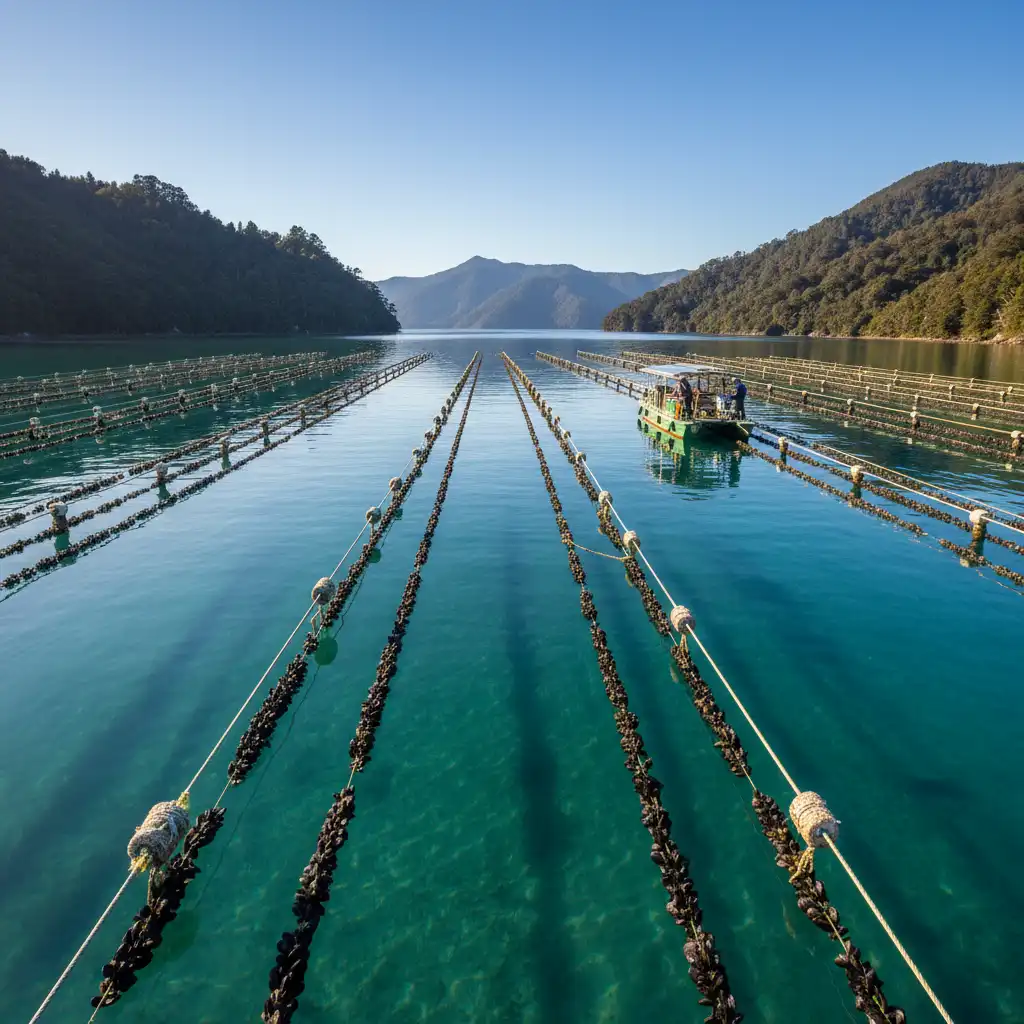
New Zealand’s coastal waters, particularly the Marlborough Sounds, provide an ideal environment for mussel farming, characterized by clean, nutrient-rich currents. The aquaculture model employed is largely rope-grown, where mussels attach themselves to ropes suspended from lines floating on the surface. This method is exceptionally environmentally friendly for several reasons. Firstly, mussels are filter feeders; they consume phytoplankton and other microscopic organisms naturally present in the seawater, requiring no external feed inputs. This means the farms do not contribute to overfishing of other marine species for feed, nor do they generate feed waste that can pollute the surrounding waters. Secondly, the ropes provide a large surface area for the mussels to grow, maximizing yield in a relatively small ocean footprint. Thirdly, strict government regulations and environmental monitoring ensure that farming practices maintain the pristine quality of the marine ecosystem. The industry operates under a comprehensive management framework that includes environmental impact assessments, water quality monitoring, and stock management to prevent overstocking and ensure the long-term health of the marine environment. This rigorous oversight ensures that the mussel farming operations are in harmony with the natural ecosystem.
Environmental Impact Assessment
Detailed environmental impact assessments consistently demonstrate that New Zealand’s Green Lipped Mussel aquaculture has a minimal negative ecological footprint, and in some aspects, can even be beneficial. As filter feeders, mussels actively improve water quality by removing suspended particles, excess nutrients, and phytoplankton from the water column, effectively acting as natural biofilters. This process can reduce turbidity and prevent algal blooms, contributing to a healthier marine environment. Furthermore, mussel farms provide habitat and refuge for other marine species, increasing local biodiversity. Research has also explored the potential for mussel farms to act as carbon sinks, as the mussels sequester carbon in their shells and soft tissues, which can then be removed from the ecosystem when harvested. The industry’s commitment to low-carbon practices extends to the processing plants, with efforts to minimize energy consumption and waste. The overall assessment highlights GLM farming as one of the most sustainable forms of animal protein production globally, making GLM extracts a responsible choice for consumers concerned about environmental ethics.
Ethical Sourcing and Traceability
The integrity of the Green Lipped Mussel supply chain is further bolstered by robust ethical sourcing and traceability protocols. New Zealand’s aquaculture industry places a strong emphasis on transparency, allowing consumers to trace their GLM products back to their origin. This includes knowing which farm the mussels came from, ensuring adherence to sustainable practices throughout the cultivation and harvesting process. Many producers participate in independent certification programs, such as the Aquaculture Stewardship Council (ASC) or Friend of the Sea, which provide third-party verification of environmental and social responsibility. These certifications guarantee that products are sourced from farms that minimize environmental impact, conserve natural habitats, and adhere to strict labor standards. The deep integration of Māori values, particularly kaitiakitanga, instills a sense of responsibility and long-term stewardship of the marine resources. This commitment to ethical and traceable sourcing not only ensures product quality and safety but also supports the local communities and preserves the natural beauty and biodiversity of New Zealand’s unique coastal ecosystems. When reviewing green lipped mussel oil products, checking for these certifications and traceability claims is a strong indicator of a high-quality, ethically produced supplement.
Navigating the Market: Comparative Review of Leading Joint Support Brands
For individuals investigating Green Lipped Mussel oil reviews, the sheer volume of available products can be overwhelming. A discerning approach requires understanding key evaluation criteria and scrutinizing the offerings from prominent brands. This section provides insights into how to assess GLM supplements and highlights examples of leading products in the market, focusing on aspects critical to consumer investigation.
Key Criteria for Evaluation
When selecting a Green Lipped Mussel supplement, several factors should guide your decision-making process:
- Extraction Method and Concentration: For oil, look for supercritical CO2 extraction, which yields a purer, more concentrated lipid extract without harmful solvents. For powder, consider freeze-dried methods to preserve nutrient integrity. The concentration of active compounds (e.g., Omega-3s for oil, GAGs for powder) should be clearly stated.
- Ingredient Purity and Quality: Ensure the product is made from 100% pure New Zealand Green Lipped Mussels. Check for absence of fillers, artificial colors, flavors, and preservatives.
- Third-Party Testing and Certifications: Reputable brands will provide evidence of third-party testing for purity, potency, and absence of heavy metals or toxins. Look for certifications like GMP (Good Manufacturing Practice) and those verifying sustainable sourcing (e.g., ASC).
- Complementary Ingredients: Some supplements combine GLM with other joint-supporting ingredients like curcumin, ginger, hyaluronic acid, or glucosamine. While these can enhance efficacy, ensure the GLM itself is adequately dosed.
- Dosage and Price Per Dose: Compare the recommended daily dosage with the concentration of active ingredients. Calculate the cost per effective dose rather than just the total bottle price.
- Consumer Reviews and Reputation: While not a substitute for scientific evidence, consistent positive feedback and a brand’s long-standing reputation can offer insights into product effectiveness and customer satisfaction.
Spotlight on Prominent Brands (Example Brand 1: Xtend-Life Green Lipped Mussel Oil)
Xtend-Life is a well-regarded New Zealand-based company known for its commitment to quality and transparency. Their Green Lipped Mussel Oil product typically uses a proprietary CO2 extraction process, aiming to maximize the concentration of active lipids, including the unique Omega-3s and FTAs. Their products are often characterized by:
- Features: High concentration of GLM oil, often standardized for specific lipid content. Emphasizes purity and sustainability.
- Pros: Strong focus on bioavailability, often backed by in-house research. Good for rapid anti-inflammatory effects. Transparent sourcing.
- Cons: May be higher priced than some competitors due to advanced extraction and concentration.
- Target Audience: Individuals seeking maximum anti-inflammatory benefits and those with more pronounced joint discomfort, willing to invest in a premium product.
Spotlight on Prominent Brands (Example Brand 2: Seatone Green Lipped Mussel Powder)
Seatone, an established brand with a long history, typically offers freeze-dried whole Green Lipped Mussel powder. They focus on providing the full spectrum of nutrients found in the mussel, advocating for the synergistic effects of these compounds. Key aspects include:
- Features: Whole mussel powder, retaining GAGs, vitamins, and minerals. Emphasis on holistic joint nourishment.
- Pros: Comprehensive nutrient profile, good for long-term joint health maintenance and cartilage support. Established brand reputation.
- Cons: Lower concentration of anti-inflammatory lipids compared to oils, potentially slower onset of action for acute inflammation.
- Target Audience: Those looking for broad-spectrum joint support, individuals preferring a whole-food approach, or those using GLM preventatively.
Spotlight on Prominent Brands (Example Brand 3: Solgar Advanced Green Lipped Mussel)
Solgar is a globally recognized supplement brand known for its pharmaceutical-grade standards. Their Green Lipped Mussel offering often comes in capsule form, containing a blend or a standardized extract. Solgar’s approach typically includes:
- Features: Often a combination of GLM extract with other joint support ingredients, or a standardized powder.
- Pros: Reliable quality control and manufacturing standards. Wide availability.
- Cons: Specific GLM concentration and type (oil vs. powder) may vary by product and might not always be the most concentrated GLM-only option.
- Target Audience: Consumers who trust established global brands and might be looking for a combination product with other proven joint support nutrients.
Making an Informed Choice
Ultimately, the