
Navigating the persistent pain of endometriosis requires a multi-faceted approach, and for many in New Zealand, natural remedies, especially those rooted in Rongoā Māori, offer profound relief. By addressing inflammation, supporting the body’s natural healing processes, and integrating traditional wisdom with modern understanding, individuals can find effective, holistic strategies for managing endometriosis-related pelvic pain.
Endometriosis, a chronic condition affecting millions worldwide, is characterised by the growth of endometrial-like tissue outside the uterus. This tissue responds to hormonal fluctuations, leading to inflammation, scar tissue formation, and debilitating pain. In Aotearoa New Zealand, there’s a growing recognition of the value in integrating traditional Māori healing practices, known as Rongoā Māori, with contemporary integrative health approaches to provide comprehensive support for individuals living with endometriosis and its associated pelvic pain. This article explores natural pain relief strategies, focusing on the anti-inflammatory power of native plants like Kawakawa and other Rongoā principles, offering a path towards sustainable well-being.
The Inflammatory Nature of Endometriosis
Endometriosis is fundamentally an inflammatory disease. While the exact cause remains elusive, its core pathology revolves around chronic inflammation within the pelvic cavity. Ectopic endometrial lesions, which are often found on organs such as the ovaries, fallopian tubes, and the outer surface of the uterus, release pro-inflammatory substances. These substances, including cytokines and prostaglandins, trigger a cascade of immune responses, leading to localised inflammation, irritation of nerve endings, and the characteristic pain experienced by individuals with endometriosis.
Understanding this inflammatory foundation is crucial for developing effective natural pain relief strategies. Instead of solely masking symptoms, a holistic approach aims to reduce the underlying inflammatory burden, thereby alleviating pain and improving overall quality of life. The constant presence of inflammatory mediators contributes to hypersensitivity of nerves, a phenomenon known as central sensitisation, which can amplify pain perception and lead to chronic pelvic pain even after the initial inflammatory trigger has subsided.
Understanding Endometriotic Lesions and Immune Response
The immune system plays a dual role in endometriosis. While it attempts to clear the misplaced endometrial tissue, it often becomes dysregulated, contributing to the inflammatory environment. Macrophages, a type of immune cell, are found in higher numbers in the peritoneal fluid of individuals with endometriosis and are implicated in producing inflammatory factors and promoting lesion growth. Furthermore, angiogenesis, the formation of new blood vessels, is often enhanced around endometriotic implants, providing them with a blood supply and further fuelling their growth and inflammatory activity. This complex interplay of hormonal stimulation, immune dysfunction, and inflammatory processes creates a challenging environment for the body.
The Vicious Cycle of Pain and Inflammation
The relationship between pain and inflammation in endometriosis is often described as a vicious cycle. The presence of endometriotic lesions causes inflammation, which in turn leads to pain. This chronic pain can then exacerbate stress, disrupt sleep, and impact mental health, all of which can further amplify the body’s inflammatory response. Breaking this cycle requires interventions that address both the physical aspects of inflammation and the psychological impacts of chronic pain. Natural pain relief for endometriosis in NZ often focuses on modulating inflammation through diet, lifestyle, and targeted botanical remedies, offering a sustainable approach to managing symptoms.
Kawakawa: Internal Tonics vs. External Balms for Pain
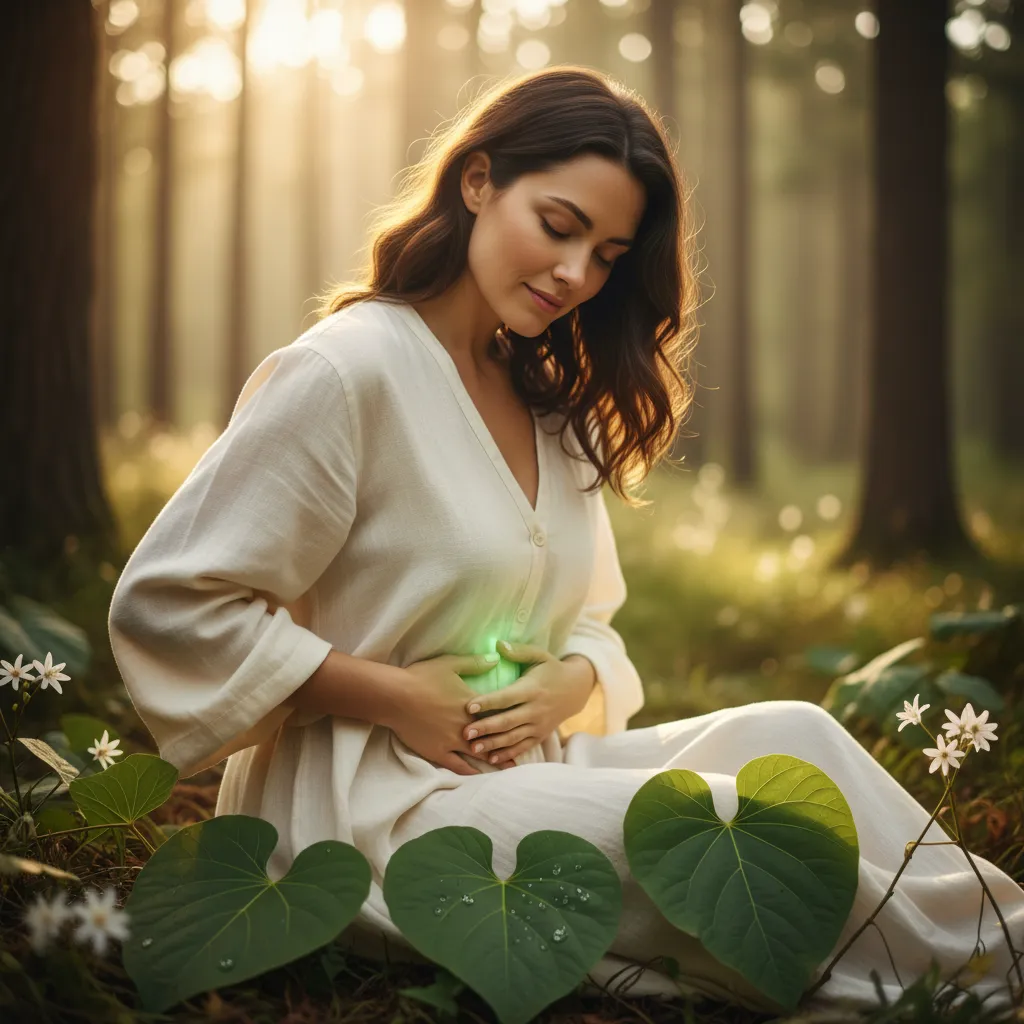
Kawakawa (Macropiper excelsum), a sacred plant in Rongoā Māori, holds a prominent place in natural health in New Zealand. Revered for its potent medicinal properties, particularly its anti-inflammatory and analgesic effects, Kawakawa is an invaluable ally in managing endometriosis pain. Its therapeutic benefits can be harnessed in various forms, offering both systemic relief through internal tonics and targeted local relief via external balms and compresses.
From a Rongoā perspective, Kawakawa is understood to have a warming effect, promoting circulation and helping to clear stagnation (whakanoa), which is often associated with pain and inflammation. The plant’s distinctive heart-shaped leaves are rich in active compounds, including myristicin and lignans, which contribute to its powerful healing capabilities. Embracing Kawakawa as a natural pain relief for endometriosis in NZ means tapping into centuries of indigenous knowledge and validated botanical science.
Kawakawa’s Anti-inflammatory and Analgesic Properties
Research into Kawakawa has begun to validate what Rongoā practitioners have known for generations. Its anti-inflammatory action is believed to be mediated through the inhibition of prostaglandin synthesis, similar to how non-steroidal anti-inflammatory drugs (NSAIDs) work, but often with fewer side effects. Additionally, Kawakawa possesses analgesic properties that can directly help in reducing pain sensation. When addressing endometriosis, where inflammation is a central driver of pain, Kawakawa’s ability to calm this internal fire makes it a highly relevant and effective botanical intervention.
These properties make Kawakawa a cornerstone of natural pain relief for endometriosis, offering a gentle yet powerful alternative or complementary therapy to conventional treatments. Its efficacy lies in its holistic approach to pain management, addressing both the symptoms and the underlying inflammatory processes.
Traditional and Modern Applications of Kawakawa for Endometriosis
For systemic relief, Kawakawa is traditionally prepared as a tea (wai rākau) or a tincture. An internal tonic, consumed regularly, can help to reduce overall inflammation throughout the body, providing sustained relief from diffuse pelvic pain and discomfort. This internal approach supports the body’s healing mechanisms from within, fostering a more balanced inflammatory response over time. Many Rongoā practitioners recommend consistent, low-dose internal use for chronic conditions like endometriosis.
For acute or localised pain, Kawakawa balms, oils, and poultices are highly effective. Applied directly to the lower abdomen or areas of specific pain, the external application allows the active compounds to penetrate the skin and exert their anti-inflammatory and pain-relieving effects precisely where they are needed most. A warm Kawakawa compress can provide soothing comfort during painful flares, helping to relax tense muscles and reduce cramping. Combining both internal and external applications often yields the most comprehensive benefits for natural pain relief for endometriosis in NZ.

Rongoā Strategies for Reducing Pelvic Inflammation
Beyond the specific applications of Kawakawa, Rongoā Māori offers a rich tapestry of strategies for managing chronic conditions like endometriosis. These practices extend beyond botanical medicine to encompass a holistic view of health, integrating physical, emotional, spiritual, and family well-being (tinana, hinengaro, wairua, whānau). When seeking natural pain relief for endometriosis in NZ, incorporating these broader Rongoā principles can significantly enhance healing outcomes and provide a deeper sense of empowerment.
Rongoā practitioners often emphasise the importance of addressing the root causes of imbalance (pāmahanahana) rather than simply treating symptoms. This might involve dietary advice, stress management techniques, and other native plant remedies that work synergistically to reduce pelvic inflammation and restore harmony within the body. The goal is to support the body’s innate capacity for healing, a core tenet of both Rongoā Māori and integrative health.
Harakeke and Kūmarahou: Synergistic Botanicals
In addition to Kawakawa, other native New Zealand plants offer valuable support for inflammatory conditions. Harakeke (Phormium tenax), or New Zealand flax, is traditionally used for its cooling and soothing properties. The gel from its leaves can be applied externally to inflamed areas, providing a calming effect. Internally, preparations from Harakeke can support tissue repair and reduce irritation.
Kūmarahou (Pomaderris kumeraho) is another significant rākau (plant medicine) renowned for its cleansing and tonic properties, particularly beneficial for the respiratory and digestive systems. While not directly aimed at endometriosis lesions, supporting overall detoxification and reducing systemic inflammation through plants like Kūmarahou can indirectly alleviate pelvic inflammation and contribute to natural pain relief for endometriosis in NZ. The synergistic use of these botanicals, often in conjunction with Kawakawa, can create a powerful anti-inflammatory and healing regimen.
Lifestyle and Dietary Modulations for Endometriosis Management
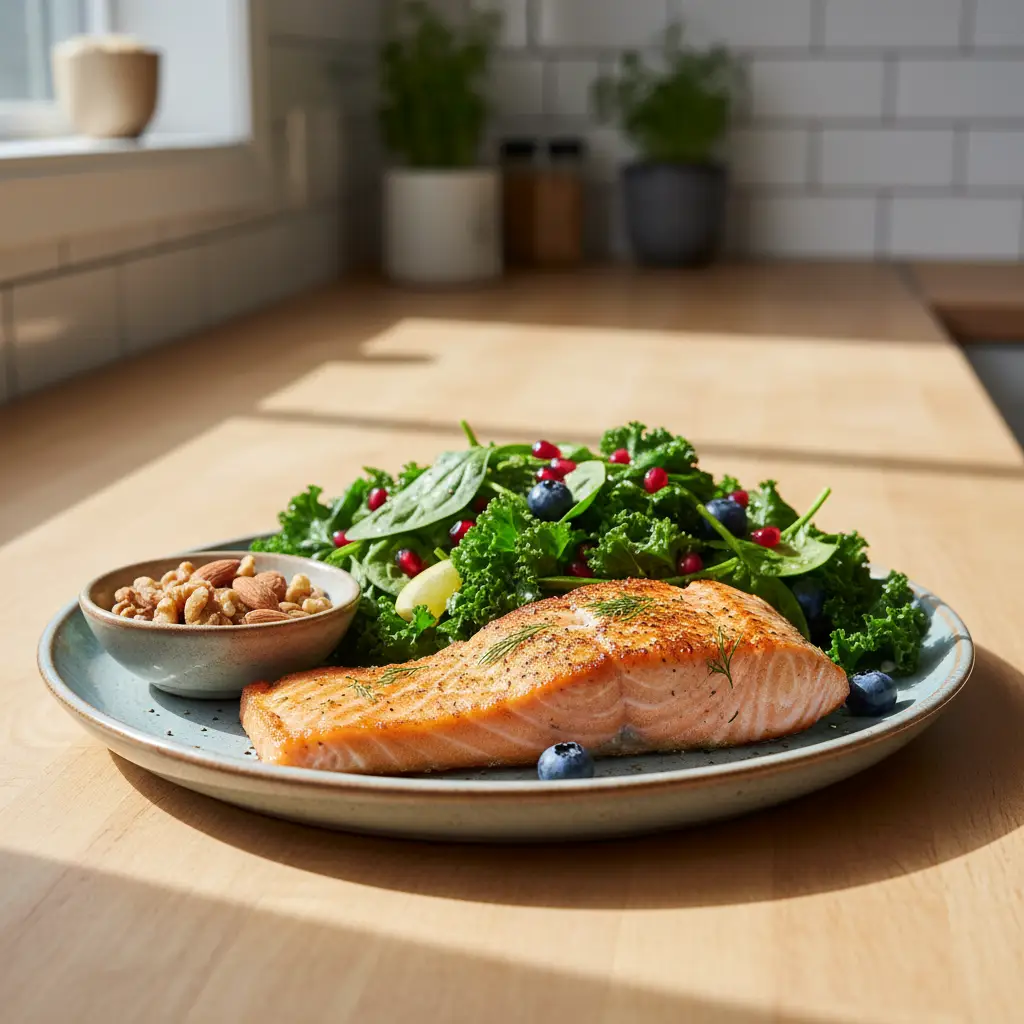
An anti-inflammatory diet is a cornerstone of natural endometriosis management. This involves reducing processed foods, refined sugars, red meat, and dairy, which can promote inflammation, and increasing intake of whole foods, fresh fruits, vegetables, omega-3 rich fish, and healthy fats. Specific dietary changes can help to modulate prostaglandin production, support gut health (which is intrinsically linked to inflammation), and balance hormones, all crucial for reducing endometriosis symptoms.
Lifestyle factors like regular, gentle exercise (such as walking, yoga, or swimming), adequate sleep, and stress reduction techniques are also vital. Chronic stress can exacerbate pain and inflammation, making stress management through practices like mindfulness, meditation, or spending time in nature (ngāhere) an integral part of an integrative healing plan. These elements complement botanical remedies, creating a robust framework for natural pain relief for endometriosis in NZ.
The Importance of Wairua (Spiritual Well-being) in Healing
In Rongoā Māori, healing is not solely a physical process. Wairua, or spiritual well-being, is considered paramount. Endometriosis can have significant emotional and spiritual impacts due to chronic pain, fertility challenges, and its often-misunderstood nature. Addressing these aspects through practices such as karakia (prayer/incantation), connecting with ancestral knowledge, and engaging with cultural support systems can provide profound comfort and strength. This holistic perspective acknowledges that true healing encompasses all dimensions of a person, fostering resilience and a sense of interconnectedness (whanaungatanga) in the healing journey. For those seeking natural pain relief for endometriosis in NZ, integrating spiritual and cultural support can be transformative.
Case Studies and Practitioner Advice
While individual experiences vary, the effectiveness of integrating Rongoā Māori and integrative health approaches for endometriosis pain management is increasingly evident in New Zealand. Practitioners often witness improvements not only in pain levels but also in overall well-being, energy, and emotional resilience. These approaches are most effective when tailored to the individual’s unique circumstances, symptom presentation, and personal preferences, ideally under the guidance of qualified practitioners.
Consider a hypothetical case: Sarah, a 32-year-old living in Auckland, struggled with severe period pain, chronic pelvic pain, and fatigue due to endometriosis. After years of conventional management, she sought an integrative approach. Her practitioner recommended a low-inflammation diet, daily Kawakawa tea, and a Kawakawa balm for acute pain flares. Additionally, she was advised on stress reduction techniques and encouraged to engage with local Rongoā practitioners for a broader cultural and spiritual connection to her healing journey. Over six months, Sarah reported a significant reduction in her pain intensity and frequency, improved energy, and a greater sense of control over her health. This example highlights the potential for comprehensive, natural pain relief for endometriosis in NZ.

Integrating Conventional and Traditional Care
It is crucial to emphasise that natural and Rongoā-based approaches are not necessarily a replacement for conventional medical care but rather a powerful complement. Open communication between individuals, their medical doctors, and Rongoā or integrative health practitioners is essential for a safe and effective treatment plan. A truly integrative approach allows for the best of both worlds – leveraging diagnostic tools and surgical options where necessary, alongside the profound healing wisdom of traditional practices and natural remedies. For those navigating endometriosis in NZ, this collaborative model offers the most comprehensive pathway to relief.
Navigating Your Endometriosis Journey in Aotearoa
For individuals in Aotearoa New Zealand seeking natural pain relief for endometriosis, the journey begins with informed choices and expert guidance. Seek out qualified Rongoā practitioners who are well-versed in native plant medicine and traditional healing practices. Simultaneously, consider working with an integrative health practitioner, such as a naturopath or nutritionist, who can help tailor dietary and lifestyle recommendations. Building a multidisciplinary support team ensures that all aspects of the condition – physical, emotional, and spiritual – are addressed, empowering individuals to live more comfortably and fully despite their endometriosis diagnosis.
In conclusion, endometriosis and its associated pelvic pain can be incredibly challenging, but effective natural pain relief strategies exist within the rich traditions of Rongoā Māori and the principles of integrative health. By understanding the inflammatory nature of the disease and leveraging the power of native plants like Kawakawa, alongside holistic lifestyle interventions, individuals in New Zealand can find significant relief and foster long-term well-being. Embracing these time-honoured and evidence-informed approaches offers a beacon of hope for living well with endometriosis.
People Also Ask (PAA)
What is the most effective natural pain relief for endometriosis?
The most effective natural pain relief for endometriosis often involves a multi-faceted approach, combining anti-inflammatory diet, stress reduction, and specific botanical remedies like Kawakawa. Its anti-inflammatory and analgesic properties help reduce pain and inflammation directly. Individual effectiveness can vary, so consulting with a Rongoā or integrative health practitioner is recommended to tailor a personal plan.
Can Rongoā Māori help with endometriosis?
Yes, Rongoā Māori offers significant support for endometriosis. Practices like the use of Kawakawa (internal tonics and external balms), other native plants, dietary guidance, and a holistic focus on spiritual and emotional well-being (wairua) can help reduce inflammation, manage pain, and improve overall quality of life for those with endometriosis.
Are there any specific New Zealand native plants good for pelvic pain?
Kawakawa (Macropiper excelsum) is highly regarded in Rongoā Māori for its anti-inflammatory and pain-relieving properties, making it excellent for pelvic pain. Other native plants like Harakeke (Phormium tenax) for cooling relief and Kūmarahou (Pomaderris kumeraho) for systemic cleansing can also be used synergistically.
What diet changes help reduce endometriosis pain?
An anti-inflammatory diet is crucial for reducing endometriosis pain. This typically involves increasing intake of fruits, vegetables, omega-3 fatty acids, and whole grains, while reducing processed foods, red meat, refined sugars, and often dairy and gluten, which can exacerbate inflammation in some individuals.
How do I find a Rongoā practitioner in NZ for endometriosis?
To find a qualified Rongoā practitioner in New Zealand, you can search through Māori health organisations, local marae, or reputable online directories dedicated to traditional healers. It’s advisable to seek practitioners with experience in women’s health or chronic pain management, and always ensure they are registered or recognised within the Rongoā community.
Is it safe to combine natural remedies with conventional endometriosis treatments?
Combining natural remedies with conventional treatments can be safe and effective, provided it is done under the guidance of both your medical doctor and your Rongoā or integrative health practitioner. Open communication ensures that all treatments work synergistically and safely, avoiding potential interactions or contraindications.

