
TCM in New Zealand refers to the established practice of Traditional Chinese Medicine within Aotearoa’s healthcare system, characterized by the integration of acupuncture, herbal medicine, and Tuina alongside Western modalities. It operates under the regulatory framework of the Chinese Medicine Council of New Zealand, increasingly interfacing with indigenous Rongoā Māori to offer holistic, culturally diverse health solutions.
The Landscape of Global Herbalism in Aotearoa
New Zealand (Aotearoa) represents a unique microcosm of global health traditions. As a nation with a rich indigenous history and a diverse immigrant population, the healthcare landscape has evolved into a pluralistic environment where Western biomedicine coexists with traditional healing systems. Among the most prominent of these are Traditional Chinese Medicine (TCM), Ayurveda from India, and the indigenous Rongoā Māori.
The demand for natural and holistic health solutions is rising. Kiwis are increasingly seeking alternatives that address the root causes of illness rather than merely suppressing symptoms. This shift has paved the way for a deeper appreciation of TCM in New Zealand, not merely as an alternative therapy but as a primary modality for injury recovery, chronic pain management, and constitutional health. Understanding the interplay between these global systems and the local indigenous context is vital for practitioners and patients alike.
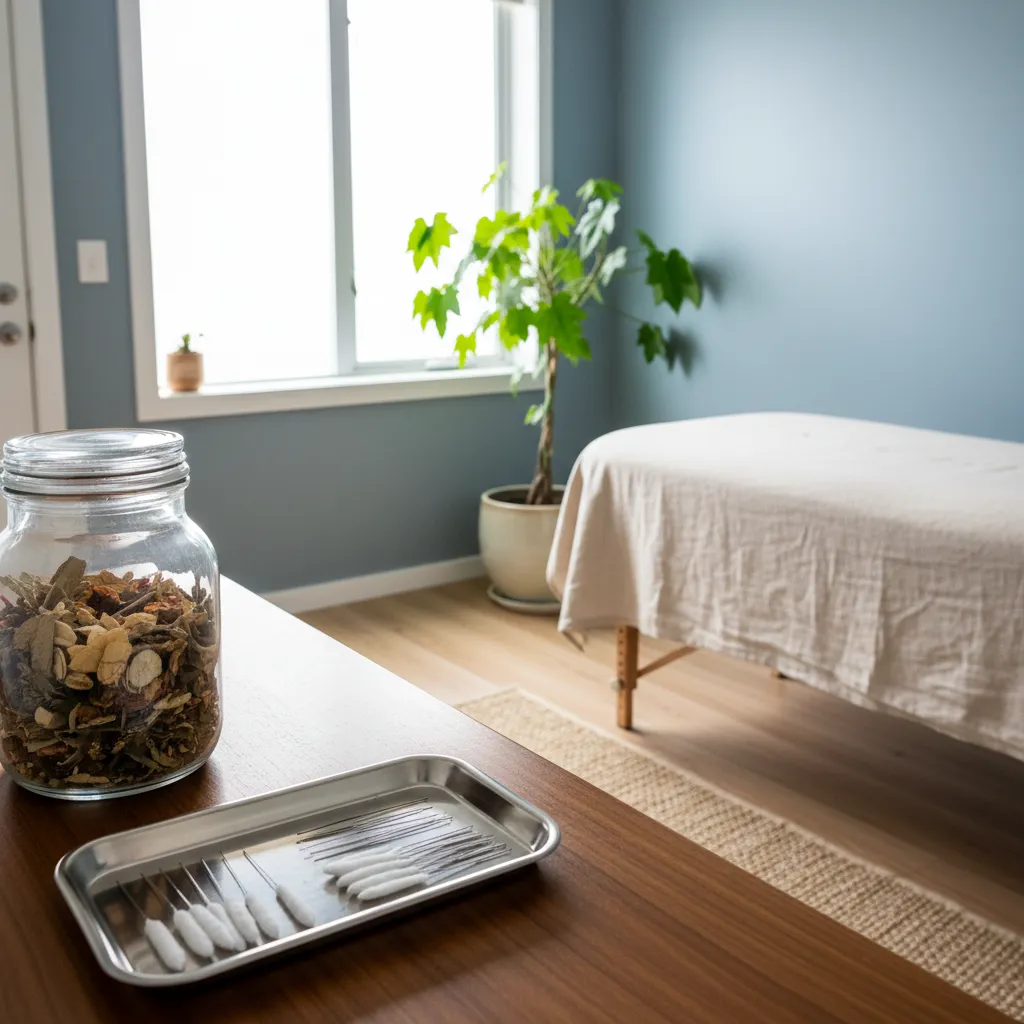
TCM in New Zealand: Regulation and Practice
Traditional Chinese Medicine has gained significant traction in New Zealand, arguably more so than many other Western nations, due in part to the Accident Compensation Corporation (ACC) recognizing and funding acupuncture treatment. This acceptance has legitimized the practice and integrated it into the rehabilitation sector.
The Regulatory Framework
Unlike general Western herbalism, which remains largely self-regulated, TCM in New Zealand has achieved a high level of professional recognition. The Chinese Medicine Council of New Zealand serves as the responsible authority under the Health Practitioners Competence Assurance Act 2003. This regulation ensures that practitioners of acupuncture, Chinese herbal medicine, and Tuina massage meet stringent standards of competence and safety.
Core Modalities Used Locally
While acupuncture is the most visible aspect, the herbal component of TCM is robust. Practitioners prescribe complex formulas designed to balance Yin and Yang, clear heat, or expel dampness. However, practicing TCM in the Southern Hemisphere presents unique challenges and opportunities. Seasonality is reversed, and the energetic properties of locally grown “Chinese” herbs may differ slightly from those grown in the terroir of mainland China. Despite this, the fundamental philosophy of Qi (vital energy) flow remains the guiding principle for practitioners across the country.
Rongoā Māori: The Indigenous Foundation
To discuss herbalism in New Zealand without centering Rongoā Māori is to ignore the whakapapa (genealogy) of the land itself. Rongoā Māori is the traditional healing system of the Māori people, encompassing herbal remedies (rongoā rākau), physical therapies (mirimiri and romiromi), and spiritual healing (karakia).
Unlike imported modalities, Rongoā is intrinsically linked to the wairua (spirit) and the natural environment of Aotearoa. It operates on a holistic model often visualized through Te Whare Tapa Whā, comprising:
- Taha Tinana: Physical health
- Taha Wairua: Spiritual health
- Taha Whānau: Family health
- Taha Hinengaro: Mental health
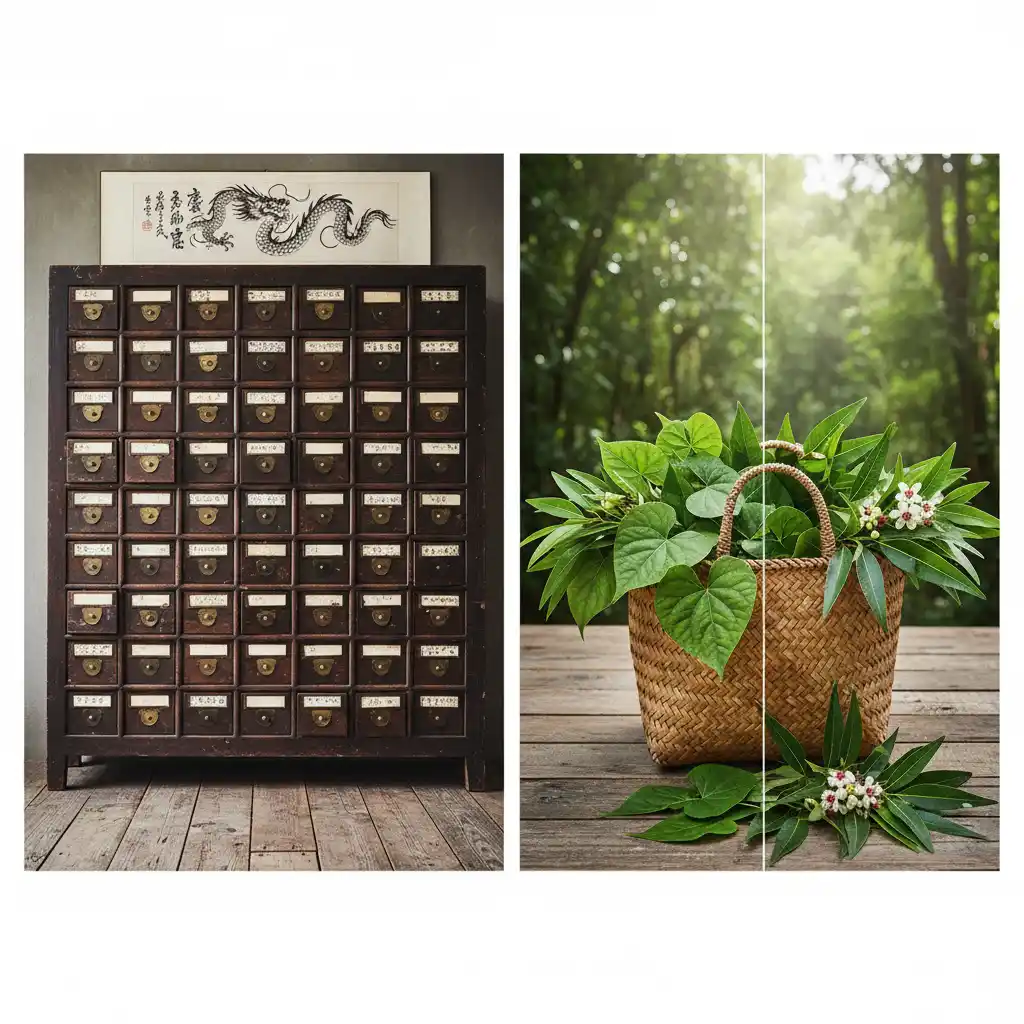
Plants such as Kawakawa (Piper excelsum), Manuka (Leptospermum scoparium), and Kumarahou (Pomaderris kumeraho) are not just biochemical resources; they are taonga (treasures) with their own mauri (life force). The harvest and preparation of these medicines involve strict tikanga (protocols) to ensure the sustainability of the forest and the spiritual potency of the medicine.
Comparative Analysis: TCM vs. Rongoā Māori
For the integrated healthcare seeker, understanding the parallels and divergences between TCM in New Zealand and Rongoā Māori is illuminating. Both systems are holistic, yet they arise from distinct cosmologies.
Similarities in Philosophy
Both systems view health as a state of balance. In TCM, this is the harmony of Yin and Yang and the smooth flow of Qi through meridians. In Rongoā, it is the balance of Mauri and the alignment of the individual with their ancestors and the environment. Both traditions utilize diagnostic methods that look beyond the presenting symptom, often examining the tongue, pulse, or skin, and inquiring about emotional states and family history.
Divergence in Application
The primary difference lies in the pharmacopoeia and the spiritual framework. TCM relies on a vast, documented history of materia medica tailored largely to the flora of Asia. Rongoā utilizes the endemic flora of New Zealand, which evolved in isolation. Furthermore, while TCM has been systematized into a clinical model that can be taught in universities, Rongoā is traditionally passed down through whanau (family) lines or from tohunga (expert) to tauira (student), heavily reliant on oral tradition and spiritual intuition.
Ethical Considerations in Cross-Cultural Herbalism
As interest in TCM in New Zealand and Rongoā grows, ethical considerations regarding bioprospecting and cultural appropriation become critical. The integration of these systems must be navigated with deep respect for Tino Rangatiratanga (Māori self-determination).
The WAI 262 Claim
Often referred to as the “Flora and Fauna” claim, WAI 262 is a seminal claim lodged with the Waitangi Tribunal. It concerns the ownership and protection of Māori culture and identity, including the protection of indigenous flora and the traditional knowledge associated with it. For herbalists and TCM practitioners, this means that using NZ native plants requires more than just botanical knowledge; it requires cultural authorization and an understanding that these plants are not merely “substitutes” for Chinese herbs.
Avoiding Appropriation
There is a risk in the “cut and paste” approach to herbalism, where a TCM practitioner might attempt to categorize Kawakawa merely as “Pungent and Warm” to fit it into a TCM paradigm without engaging with the whakapapa of the plant. True integration requires relationship building with mana whenua (people of the land) and acknowledging the intellectual property rights of indigenous knowledge holders.
Opportunities for Integrative Health
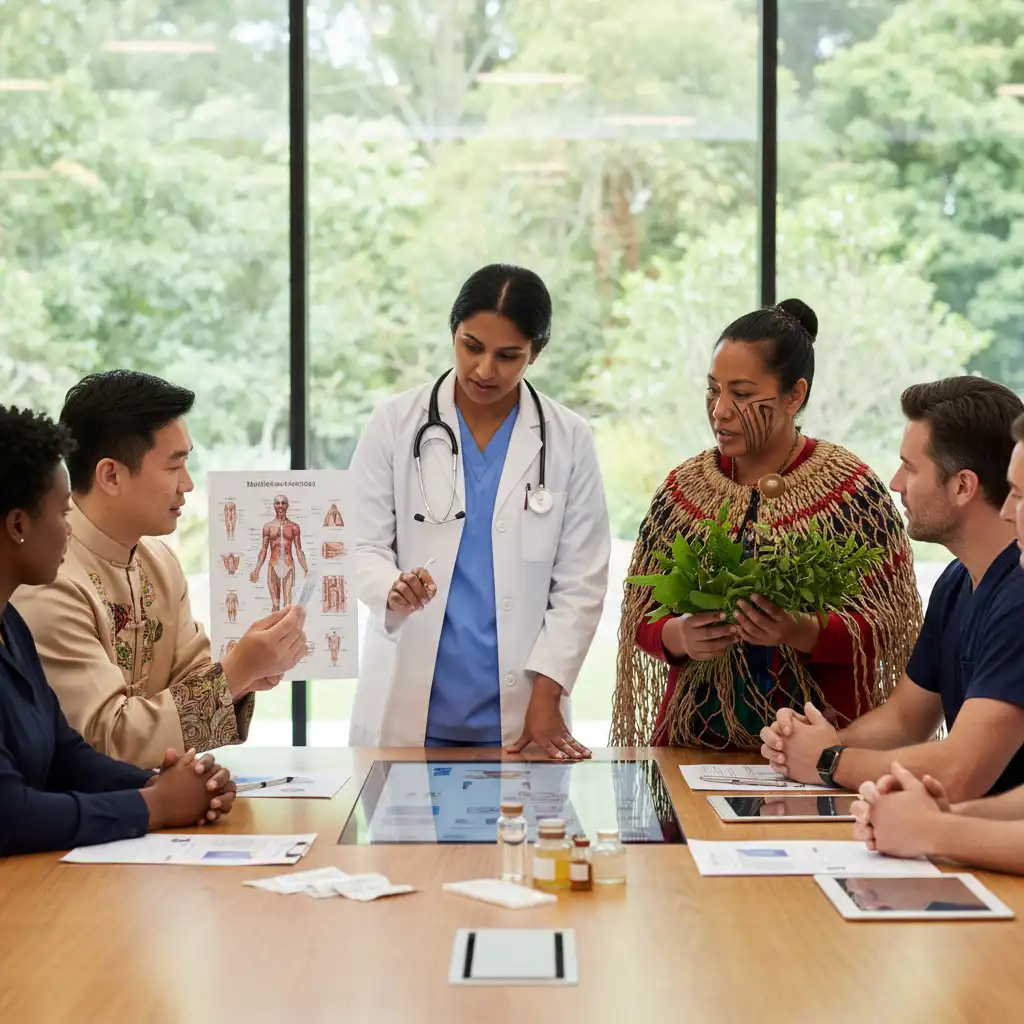
Despite the challenges, the future of integrative health in New Zealand is bright. We are seeing the emergence of clinics where TCM practitioners, Rongoā healers, and Western GPs work under one roof. This multidisciplinary approach offers the best of all worlds.
Clinical Synergies
For example, a patient suffering from chronic eczema might receive acupuncture to clear “Damp-Heat” (a TCM diagnosis), topical Manuka oil (Rongoā/Western Herbalism) to combat bacterial infection, and dietary advice based on modern nutritional science. This layered approach addresses the internal imbalance, the external symptom, and the lifestyle factors simultaneously.
Education and Research
New Zealand is well-positioned to become a leader in comparative herbal research. By applying rigorous scientific inquiry to both TCM and Rongoā—while respecting traditional knowledge frameworks—researchers can validate efficacy and safety, leading to broader acceptance in the public health sphere.
Conclusion
The practice of TCM in New Zealand is not an isolated discipline but part of a vibrant, weaving tapestry of global and local healing traditions. As the sector matures, the focus shifts from competition to collaboration. By honoring the distinct lineage of Traditional Chinese Medicine while holding deep respect for the tangata whenua and Rongoā Māori, New Zealand is forging a unique path in integrative healthcare. For the patient, this means access to a diverse toolkit of therapies that honor the body, mind, and spirit in equal measure.
For more information on the protection of indigenous flora, refer to the Waitangi Tribunal’s WAI 262 report.
People Also Ask
Is TCM regulated in New Zealand?
Yes, Traditional Chinese Medicine is regulated in New Zealand. Since November 2021, the Chinese Medicine Council of New Zealand (CMCNZ) has acted as the responsible authority under the Health Practitioners Competence Assurance Act 2003, registering practitioners in acupuncture, Chinese herbal medicine, and Tuina.
What is the difference between Rongoā Māori and TCM?
While both are holistic systems, they differ in origin and pharmacopoeia. TCM originates from China and uses a specific diagnostic framework (Yin/Yang, Meridians) and Asian herbs. Rongoā Māori is indigenous to New Zealand, deeply connected to spiritual healing (wairua) and utilizes native NZ plants (rongoā rākau) governed by tikanga (cultural protocols).
Can I get ACC for Traditional Chinese Medicine?
You can receive ACC coverage for acupuncture if it is performed by a registered treatment provider. However, ACC generally does not cover the cost of Chinese herbal medicine or Tuina massage exclusively, though policies can evolve, so it is best to check with your provider.
What are common native NZ herbs used in Rongoā?
Common native plants include Kawakawa (used for digestion, skin, and circulation), Manuka (antimicrobial and calming), Kumarahou (respiratory health), and Harakeke (skin conditions and digestive health). Each plant has specific harvesting protocols.
Is Ayurveda popular in New Zealand?
Yes, Ayurveda is growing in popularity in New Zealand, particularly within the wellness and yoga communities. While not as formally regulated as TCM or Western medicine, there are many qualified Ayurvedic practitioners and lifestyle consultants operating across the country.
How do I become a herbalist in NZ?
To become a herbalist in NZ, you typically complete a diploma or degree in Naturopathy or Herbal Medicine from an accredited institution. For TCM herbalism, you must complete a qualification approved by the Chinese Medicine Council. For Rongoā, learning is traditionally done through mentorship (teina/tuakana model) or specific wānanga (learning institutions).