
Navigating the diverse world of NZ native supplements, particularly Rongoā Māori products, demands a discerning eye. This comprehensive review guide provides commercial investigators with essential criteria, delving into potency, extraction methods, price-to-quality ratios, and critical sustainability practices, empowering consumers and businesses to make informed, ethical, and effective purchasing decisions.
New Zealand’s rich biodiversity offers a unique array of native flora, many of which have been traditionally utilised for centuries within Rongoā Māori, the traditional Māori system of health and healing. In recent years, there has been a significant surge in commercial interest surrounding these indigenous botanicals, leading to a proliferation of NZ native supplements on the market. While this growth presents exciting opportunities for wellness, it also necessitates a rigorous approach to evaluation. For consumers and businesses alike, distinguishing between truly effective, ethically sourced products and those that fall short requires a deep understanding of what constitutes quality and authenticity in this specialised niche.
This authoritative guide is meticulously crafted for the commercial investigator – whether you are a retailer, a health practitioner, or a discerning individual looking to integrate NZ native supplements into your regimen. We will equip you with the knowledge to critically assess products, ensuring your choices align with principles of efficacy, sustainability, and respect for the cultural heritage from which these remedies originate. Our focus will be on providing a robust framework for evaluating Rongoā-inspired supplements, moving beyond mere marketing claims to uncover the true value and integrity of each offering.
Navigating the Landscape: Essential Criteria for Evaluating Rongoā Products
The first step in any commercial investigation of NZ native supplements is to establish a clear set of evaluation criteria. Unlike generic supplements, Rongoā products carry a profound cultural and historical significance that must be respected alongside their purported health benefits. A holistic assessment requires an understanding of both traditional Māori wisdom (Mātauranga Māori) and contemporary scientific validation.
Traditional Knowledge and Modern Science Integration
True Rongoā-inspired supplements should ideally bridge the gap between ancient wisdom and modern scientific understanding. This means not only utilising plants traditionally valued by Māori but also ensuring that their preparation and application align with established Rongoā principles where possible, while also seeking contemporary evidence for their efficacy and safety. Look for products that clearly articulate their connection to Mātauranga Māori, perhaps through partnerships with tohunga (experts in Rongoā) or through transparent documentation of traditional use. Furthermore, modern scientific research, even if preliminary, can provide valuable insights into the biochemical compounds responsible for the traditional benefits, offering a more complete picture of the product’s potential.
Ingredient Purity and Authenticity
The purity and authenticity of the ingredients are paramount. Given the unique nature of NZ native flora, it is crucial to verify that the plant material used is indeed the species claimed and that it has been harvested from a clean, unpolluted environment. Contamination from pesticides, heavy metals, or other environmental pollutants can compromise both safety and efficacy. Reputable manufacturers will provide evidence of third-party testing for contaminants. Furthermore, authenticity extends to ensuring that the species used is genetically verifiable and not a misidentified substitute, which can sometimes occur in complex supply chains.
Regulatory Compliance and Certifications
While specific Rongoā certifications are still evolving, all commercial supplements in New Zealand must adhere to food safety regulations and potentially therapeutic product guidelines. Look for companies that demonstrate compliance with national health and safety standards. Beyond basic compliance, consider certifications related to organic farming, wild harvesting, or Good Manufacturing Practices (GMP). While not all native plants are cultivated, an emphasis on responsible and verifiable sourcing processes is a strong indicator of a trustworthy brand. For products claiming a Rongoā connection, some companies may also seek endorsements or partnerships with Māori trusts or cultural organisations, signifying a commitment to ethical engagement.
Dosage and Efficacy Claims
Evaluating the dosage and the scientific backing for efficacy claims is critical. Are the active ingredients present in therapeutically relevant amounts? Are the claims made by the manufacturer realistic and supported by traditional use or, ideally, by scientific studies (even if in-vitro or animal studies)? Be wary of exaggerated claims or products that do not provide clear dosage instructions. A transparent company will offer information on how the traditional preparation methods translate to modern supplement dosages, or provide details on any research conducted on their specific formulations.

Unlocking Efficacy: The Science Behind Potency and Extraction
The true power of an NZ native supplement often lies not just in the plant itself, but in how its beneficial compounds are extracted and preserved. The potency and bioavailability of active constituents are heavily influenced by the methods employed, directly impacting the product’s effectiveness.
Traditional vs. Contemporary Extraction Techniques
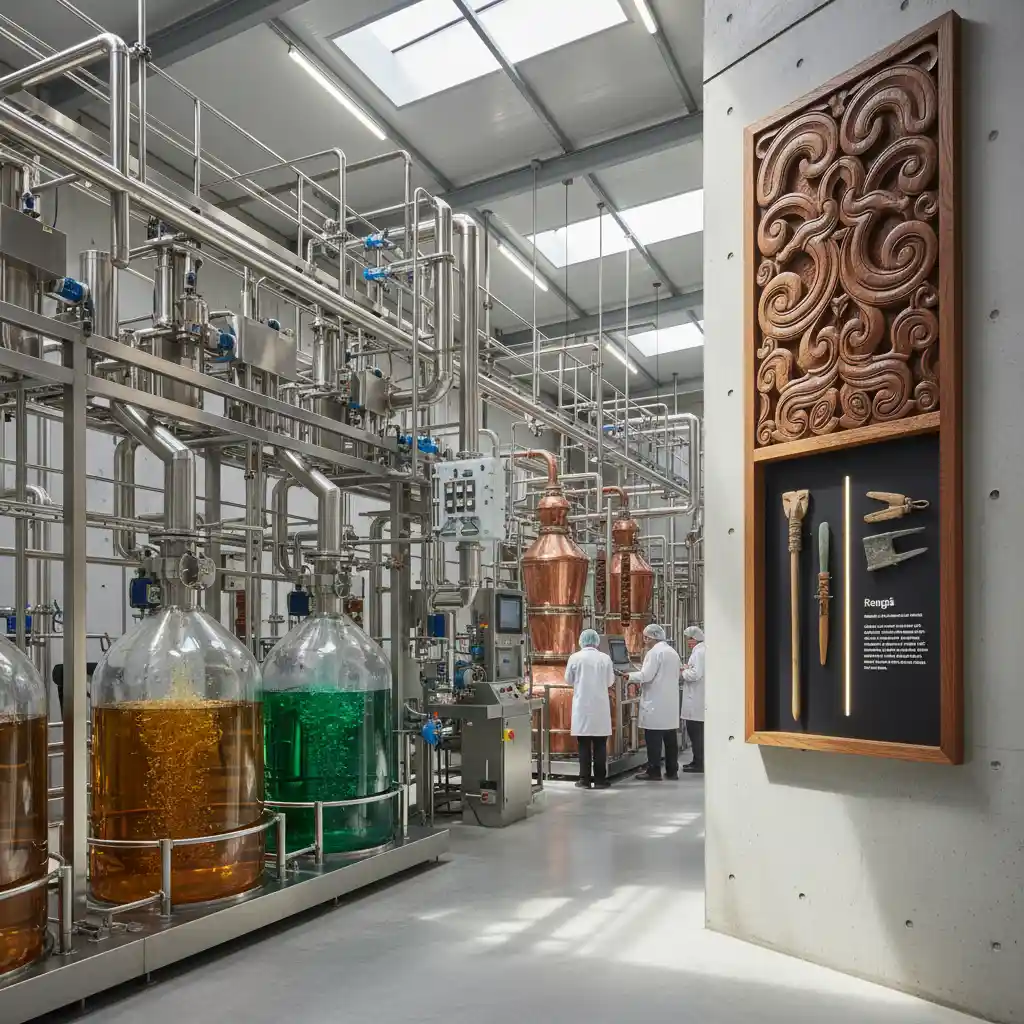
Rongoā Māori traditionally involved various methods to prepare plant materials, such as boiling, pounding, or steeping, often using water or specific oils. These methods were gentle and aimed at extracting the desired properties for immediate or short-term use. Contemporary extraction techniques, however, offer a broader spectrum of approaches, from simple tinctures (alcohol or glycerin based) to more advanced methods like supercritical CO2 extraction or ultrasonic-assisted extraction. Each method has pros and cons, affecting which compounds are extracted, their concentration, and their stability. For instance, some traditional water-soluble compounds might be best extracted by simple aqueous infusions, while fat-soluble compounds or volatile oils might require solvent-based or CO2 extraction. A premium product will detail its extraction method and justify why it was chosen for the specific plant and its intended use.
Standardisation and Active Compounds
Standardisation is a key indicator of a supplement’s consistency and quality. It refers to the process of ensuring that each batch of a product contains a consistent and measurable amount of specific active compounds. While full standardisation for all Rongoā plants can be challenging due to their natural variability and the complex synergy of their constituents, reputable manufacturers will strive to identify and quantify key markers or active compounds where possible. For example, if a product uses KawaKawa, a manufacturer might standardise for certain kavalactones or other known bioactive compounds. This provides a level of assurance regarding the product’s intended effect and allows for more consistent dosing. Without standardisation, the potency of a supplement can vary wildly from batch to batch, making it difficult to predict its effects.
Bioavailability and Absorption
Even the most potent extract is ineffective if the body cannot properly absorb and utilise its active compounds. Bioavailability refers to the proportion of a drug or other substance which enters the circulation when introduced into the body and is able to have an active effect. Factors influencing bioavailability include the compound’s chemical structure, the presence of other ingredients in the formulation (e.g., fats can enhance absorption of fat-soluble compounds), and the delivery system (e.g., capsules, liquids, topical applications). Companies investing in research might explore formulation strategies to enhance bioavailability, such as using liposomal delivery systems or micronisation. For commercial investigators, understanding how a product is formulated to maximise absorption is crucial for assessing its overall potential efficacy.
Value Proposition: A Comprehensive Price vs. Quality Analysis
When evaluating NZ native supplements, a simple price comparison is rarely sufficient. The true value lies in the intricate balance between cost, quality, and the profound benefits offered. Understanding this dynamic is crucial for both consumers seeking effective health solutions and businesses aiming for sustainable commercial practices.
Understanding Production Costs
The cost of producing high-quality NZ native supplements can be substantial. This includes expenses related to sustainable harvesting or cultivation, ethical sourcing from Māori landowners or collectives, rigorous testing for purity and potency, advanced extraction techniques, and adherence to strict manufacturing standards. Furthermore, the unique and often limited supply of specific native plants can drive up raw material costs. When a product appears significantly cheaper than its competitors, it’s essential to question where costs might have been cut. This could be in the quality of raw materials, the integrity of the sourcing process, the thoroughness of testing, or the sophistication of the extraction method. A higher price often reflects a greater investment in quality control, ethical practices, and research and development, which ultimately translates to a safer, more effective, and more responsible product.
Comparing Market Offerings
A detailed comparison of various products in the market involves more than just looking at the price tag per unit. It requires examining:
- Concentration and Dosage: Is a cheaper product simply less concentrated, requiring larger doses to achieve the same effect, thus making it more expensive in the long run?
- Ingredient Synergy: Does one product offer a blend of synergistic ingredients that enhance overall efficacy, justifying a higher price?
- Brand Reputation and Transparency: Brands with a long-standing reputation for quality and transparency, often evidenced by publicly available test results and detailed sourcing information, typically command a premium. This premium is often a reflection of consistent quality and reliability.
- Formulation and Delivery: A liquid extract designed for optimal absorption might be priced differently from a powdered capsule. Evaluate if the formulation justifies the cost based on potential benefits.
Commercial investigators should create a matrix comparing these factors across several brands to identify the true value proposition of each offering. This helps move beyond superficial cost analysis to a more holistic understanding of a product’s worth.
The Long-Term Investment in Health
Ultimately, purchasing supplements is an investment in health and well-being. Opting for a cheaper, lower-quality product might offer short-term savings but could lead to ineffective results, potential health risks from contaminants, or simply a wasted investment. Conversely, choosing a premium NZ native supplement, albeit at a higher initial cost, often represents a more effective and safer long-term investment. This perspective is particularly pertinent in the Rongoā space, where the integrity of the product reflects respect for a rich cultural heritage. A product that delivers on its promises, is sustainably and ethically sourced, and contributes positively to well-being offers far greater value over time.
Guardians of the Land: Sustainability and Ethical Sourcing in Rongoā
In the realm of NZ native supplements, particularly those with Rongoā Māori connections, sustainability and ethical sourcing are not merely buzzwords; they are fundamental pillars of integrity and responsible commerce. The very essence of Rongoā is deeply rooted in the interconnectedness of people, land, and spirit (whanaungatanga, kaitiakitanga, wairuatanga). Any commercial venture utilising these plants must uphold these values.
Respecting Mātauranga Māori and Indigenous Rights
At the heart of ethical sourcing lies profound respect for Mātauranga Māori – the indigenous knowledge system of Māori. This includes traditional ecological knowledge, intellectual property rights, and cultural protocols surrounding the harvesting and use of native plants. Companies must demonstrate genuine engagement and partnership with Māori communities, rather than simply appropriating traditional knowledge for commercial gain. This often involves:
- Benefit Sharing Agreements: Ensuring that Māori communities, iwi (tribes), or hapū (sub-tribes) receive fair and equitable benefits from the commercialisation of plants traditionally used in Rongoā.
- Cultural Competency: Employing or consulting with Māori experts to guide sourcing, processing, and marketing, ensuring cultural appropriateness and accuracy.
- Acknowledgement and Attribution: Clearly acknowledging the source of traditional knowledge and the cultural significance of the plants.
Genuine partnerships are not just ethical; they also often lead to superior products, benefiting from centuries of accumulated wisdom regarding plant properties and sustainable practices.
Sustainable Harvesting Practices
The delicate ecosystems of New Zealand are home to many endemic and sometimes rare plant species. Unsustainable harvesting practices can deplete natural resources, disrupt ecosystems, and jeopardise the long-term availability of these precious plants. Ethical companies prioritise sustainable harvesting, which includes:
- Wild Harvesting Protocols: Adhering to strict guidelines for wild harvesting, such as only taking what is needed, leaving enough for regeneration, and avoiding endangered populations. This often involves specific kaitiaki (guardians) overseeing the process.
- Cultivation: Where appropriate and feasible, cultivating native plants to reduce pressure on wild populations, often employing organic and regenerative farming methods.
- Traceability: Maintaining transparent supply chains that allow for full traceability from plant to product, verifying that materials are sourced legally and sustainably.
An exemplary brand will be able to articulate its sustainable harvesting policy clearly and provide evidence of its implementation.
Environmental Impact and Carbon Footprint
Beyond harvesting, the entire production process of a supplement has an environmental footprint. Ethical companies strive to minimise this impact. Considerations include:
- Packaging: Using recyclable, biodegradable, or minimal packaging materials.
- Energy Consumption: Utilising renewable energy sources in manufacturing and processing.
- Waste Reduction: Implementing robust waste management strategies throughout the supply chain.
- Water Usage: Practicing responsible water stewardship.
While achieving a perfectly neutral environmental footprint is challenging, a commitment to continuous improvement and transparency in reporting environmental efforts is a hallmark of an ethically responsible brand.
Community Engagement and Fair Trade
Ethical sourcing extends to the social well-being of the communities involved in the supply chain. This includes ensuring fair wages, safe working conditions, and opportunities for local economic development. For NZ native supplements, this often means directly engaging with Māori communities, supporting their economic aspirations, and contributing to the revitalisation of Rongoā practices. Look for companies that foster long-term, respectful relationships with their suppliers and provide clear evidence of their community engagement initiatives. Fair trade principles, adapted to the unique context of indigenous resources, are vital for ensuring that the benefits of commercialisation are shared equitably.

The journey to selecting high-quality NZ native supplements is multifaceted, requiring a blend of cultural understanding, scientific scrutiny, and ethical awareness. As commercial investigators, our role is to look beyond surface-level claims and delve into the core integrity of each product. By prioritising authenticity, verifiable potency, transparent manufacturing, and, critically, deep respect for Mātauranga Māori and sustainable practices, we not only ensure superior health outcomes but also contribute to the responsible stewardship of New Zealand’s unique natural and cultural heritage. The market for Rongoā-inspired supplements is growing, and with informed decisions, we can champion products that truly embody their promised value and uphold the values they represent.
People Also Ask
What makes a Rongoā Māori supplement authentic?
Authenticity in a Rongoā Māori supplement stems from its deep connection to Mātauranga Māori (Māori knowledge). This involves using native plants traditionally recognised in Rongoā, employing preparation methods that align with traditional principles where possible, and, crucially, having genuine engagement and partnerships with Māori communities or tohunga (experts). Look for products that clearly articulate their cultural connection and demonstrate respect for intellectual property rights and benefit-sharing with indigenous groups.
How can I verify the purity and safety of NZ native supplements?
To verify purity and safety, look for manufacturers who provide evidence of third-party testing for contaminants like heavy metals, pesticides, and microbial impurities. Reputable brands will often make these lab results (Certificates of Analysis) available upon request or publish them online. Additionally, check for adherence to Good Manufacturing Practices (GMP) and compliance with national food and health regulations.
Are all NZ native supplements sustainably sourced?
No, not all NZ native supplements are sustainably sourced. While many brands aim for sustainability, it’s crucial to investigate their specific practices. Look for commitments to sustainable wild harvesting protocols, cultivation efforts to reduce pressure on wild populations, and transparent supply chains. Ethical brands will often highlight their efforts in environmental stewardship and provide details on how they minimise their ecological footprint.
What is the difference between traditional Rongoā and modern Rongoā supplements?
Traditional Rongoā involves a holistic Māori healing system encompassing plant remedies, physical therapies, and spiritual practices, often administered directly by a tohunga. Modern Rongoā supplements are commercial products inspired by these traditions, often isolating specific plant ingredients into accessible forms like capsules or liquids. While they aim to deliver traditional benefits, they are processed through contemporary manufacturing and marketing, requiring careful evaluation to ensure they retain integrity and efficacy while respecting their cultural origins.
Why do some NZ native supplements cost more than others?
Higher costs in NZ native supplements often reflect significant investments in quality, ethics, and sustainability. This includes expenses for responsible harvesting (often from limited native resources), rigorous testing for purity and potency, advanced extraction techniques, adherence to strict manufacturing standards, and fair benefit-sharing with Māori communities. These factors contribute to a safer, more effective, and culturally responsible product, justifying a premium price over cheaper alternatives which may cut corners on these critical aspects.
Can I take NZ native supplements alongside conventional medicines?
It is always recommended to consult with a healthcare professional, such as your doctor or a qualified Rongoā practitioner, before taking any NZ native supplements, especially if you are also taking conventional medicines. Some natural compounds can interact with pharmaceuticals, potentially altering their efficacy or leading to adverse effects. A professional can provide personalised advice based on your health condition and current medications.