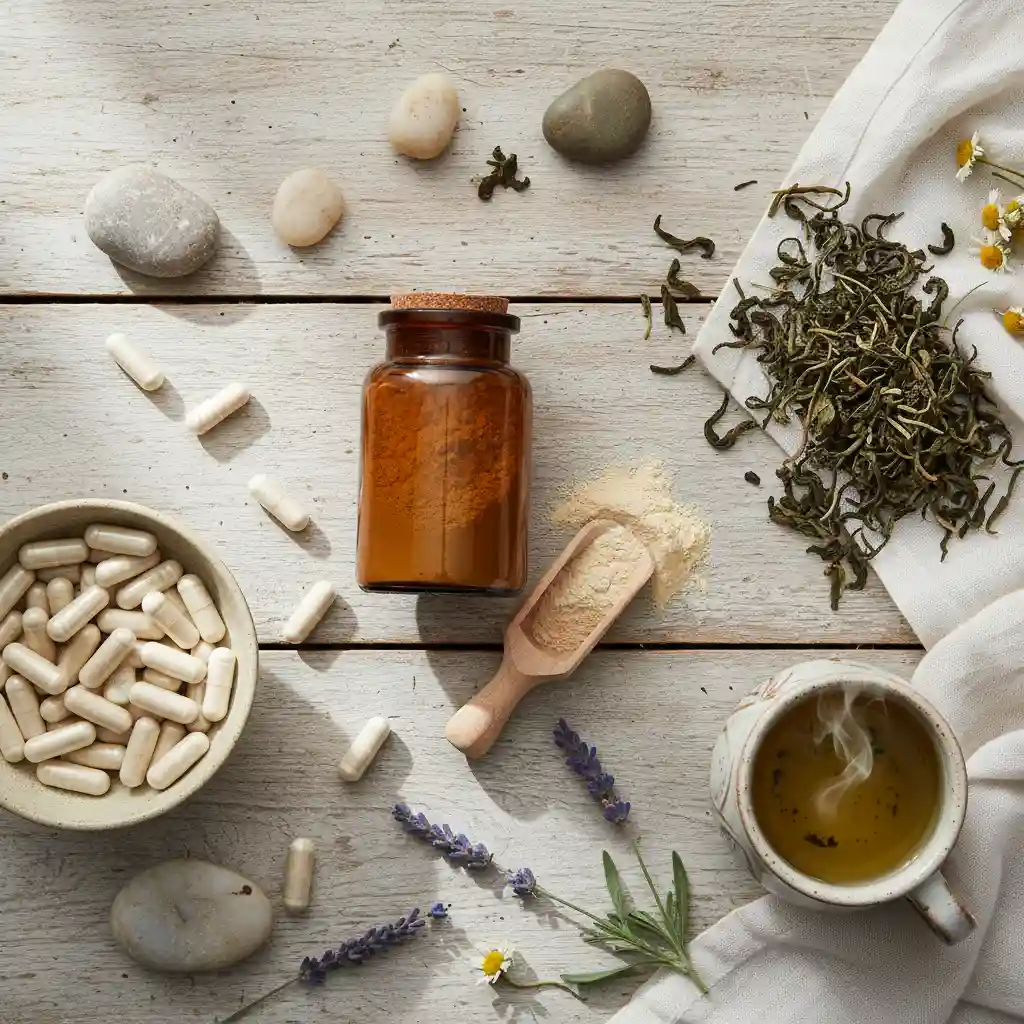
Ashwagandha (Withania somnifera) is a premier adaptogenic herb widely available in New Zealand, renowned for its clinically proven ability to lower cortisol levels and combat chronic stress. For NZ consumers, selecting high-quality extracts like KSM-66 or Sensoril ensures maximum potency, effectively supporting sleep quality, mental clarity, and overall resilience against the demands of modern Kiwi lifestyles.
Ancient Roots in Modern NZ Wellness
In the diverse landscape of New Zealand’s herbalism and wellness sector, few botanicals have garnered as much attention as Ashwagandha. Known traditionally as “Indian Ginseng” or “Winter Cherry,” this shrub is a cornerstone of Ayurveda, the traditional medicine system of India. Its name, translating roughly to “smell of the horse,” implies not only its distinct earthy aroma but also the traditional belief that consuming it imparts the strength and virility of a stallion. While modern Kiwi consumers are less concerned with equine metaphors, the demand for natural stress management solutions has skyrocketed, placing Ashwagandha at the forefront of the NZ wellness market.
Ashwagandha is classified as a Rasayana, or rejuvenator, in Ayurvedic tradition. Its primary role is to promote longevity and restore balance to the body and mind. In the context of New Zealand’s multicultural approach to health—where Māori Rongoā, Traditional Chinese Medicine, and Ayurveda often intersect with Western naturopathy—Ashwagandha fits perfectly as a holistic solution. It addresses the root cause of fatigue and burnout rather than merely treating the symptoms. As New Zealanders face increasing pressures from fast-paced work environments and economic shifts, the integration of this ancient root into daily routines represents a shift toward preventative, adaptogenic health strategies.
The Science: How Ashwagandha Lowers Cortisol
To understand why “ashwagandha nz” is such a frequently searched term, one must look at the biochemistry of stress. The human body reacts to stress through the Hypothalamic-Pituitary-Adrenal (HPA) axis. When stressed, the adrenal glands secrete cortisol. While cortisol is necessary for the “fight or flight” response, chronic elevation leads to anxiety, sleep disturbances, weight gain, and immune suppression. Ashwagandha functions as an adaptogen, a unique class of herbs that helps the body resist stressors of all kinds, whether physical, chemical, or biological.
Clinical studies have provided robust evidence supporting these mechanisms. Research indicates that high-concentration full-spectrum Ashwagandha root extracts can significantly reduce serum cortisol levels. One pivotal study demonstrated a reduction in cortisol levels by nearly 30% in participants taking a standardized extract compared to a placebo group. This reduction is not merely biochemical; it translates to tangible improvements in self-assessed stress scales and anxiety questionnaires.
The Role of Withanolides
The bioactive compounds responsible for these effects are known as withanolides. These steroidal lactones modulate the body’s response to stress by mimicking the body’s own stress-reducing hormones and reducing inflammation. When investigating commercial products in New Zealand, the concentration of withanolides is a critical quality marker. A standard root powder might contain low levels, whereas standardized extracts ensure a consistent delivery of these active compounds, providing reliable therapeutic outcomes.
KSM-66 vs. Sensoril: Which Extract is Best?
When browsing health stores or online pharmacies in New Zealand, consumers will typically encounter two patented forms of Ashwagandha: KSM-66 and Sensoril. Understanding the difference is vital for making an informed commercial decision, as they serve slightly different purposes and possess different chemical profiles.
KSM-66: The Gold Standard for Balance
KSM-66 is the most popular branded extract found in top-tier NZ supplements. It is a full-spectrum extract derived solely from the root of the plant, maintaining the natural balance of the various constituents found in the original herb. KSM-66 is standardized to contain 5% withanolides. It is widely regarded as the best option for general stress relief, physical performance, and sexual health. Because it mimics the natural ratios of the plant, it is often described as “smooth” in its effect, providing energy without jitteriness and calm without sedation. For the average Kiwi looking to support a gym routine or manage workplace stress, KSM-66 is often the preferred choice.
Sensoril: Potency for Sleep and Sedation
Sensoril, on the other hand, is derived from both the root and the leaves of the plant. It is standardized to a much higher potency, containing at least 10% withanolides. While this might sound superior, the inclusion of leaf extracts changes the alkaloid profile. Sensoril tends to be more sedating than KSM-66. Consequently, it is often the better choice for individuals specifically battling severe insomnia or intense anxiety where a calming, sedative effect is required. However, for daytime use, some users report it being too relaxing. When comparing products on the NZ market, check the label to see which patent is used, as this dictates the likely experience.
Timing and Dosage: Morning or Night?
One of the most common queries regarding Ashwagandha usage is the optimal timing. Unlike stimulants such as caffeine, Ashwagandha does not provide an immediate “kick,” nor does it induce immediate sleep like a pharmaceutical sedative. Its effects are cumulative, meaning consistency is more important than the specific hour of the day. However, timing can be tweaked to align with specific health goals.
Morning Administration
Taking Ashwagandha in the morning is ideal for those using it to support adrenal function and sustain energy levels throughout the day. Because it modulates cortisol, taking it in the morning can help blunt the spike in stress hormones that often occurs upon waking or during the morning commute. For athletes in New Zealand using Ashwagandha for recovery and testosterone support, a morning dose (often combined with breakfast to aid absorption) is standard practice.
Evening Administration
For those primarily seeking to improve sleep latency and quality, taking the supplement 30 to 60 minutes before bed is recommended. This is particularly effective if using a Sensoril-based product or a blend designed for sleep support. The herb’s anxiolytic (anxiety-reducing) properties help quiet the “racing mind” that prevents many people from falling asleep. Furthermore, because Ashwagandha can lower blood sugar levels slightly, taking it with dinner or a light snack is advisable to prevent any hypoglycemic discomfort during the night.
Commercial Investigation: Best Ashwagandha Supplements in NZ
Navigating the New Zealand supplement market requires a discerning eye. The market is flooded with options ranging from cheap supermarket brands to high-end practitioner-only ranges. To identify the best Ashwagandha in NZ, consumers must evaluate several key criteria: extraction method, third-party testing, and additional synergistic ingredients.
1. Look for Standardized Extracts
Avoid generic “Ashwagandha Root Powder” if you are seeking therapeutic results. While these are fine for mild nutritional support, they lack the potency required for significant stress reduction. Look for labels that explicitly state “Standardized to X% Withanolides” or display the KSM-66 or Sensoril logos. In New Zealand, reputable brands like Clinicians, Go Healthy, and Harker Herbals often utilize these high-grade raw materials.
2. Purity and Safety Certifications
New Zealand has strict biosecurity and food safety standards. However, many supplements are imported. Ensure that the product you choose is manufactured in a GMP (Good Manufacturing Practice) certified facility. For those preferring local NZ products, look for the “New Zealand Made” logo or organic certifications such as BioGro if purchasing a powder form. Heavy metal testing is crucial for Ayurvedic herbs; premium brands will have certificates of analysis available upon request to prove their products are free from lead, mercury, and arsenic.
3. Delivery Formats: Capsules vs. Liquids vs. Gummies
Capsules: The most common and convenient form. They offer precise dosing and mask the bitter taste of the herb. This is the preferred format for the serious biohacker or commercial investigator looking for value and potency.
Liquid Extracts/Tinctures: Brands like Kiwiherb offer liquid formulations. These are excellent for rapid absorption and for those who have difficulty swallowing pills. They allow for flexible dosing but retain the strong, earthy taste.
Gummies: A growing trend in the NZ market. While tasty, be wary of high sugar content and lower dosages. Gummies often contain 150-300mg of extract per serving, whereas clinical studies often cite 600mg as the therapeutic sweet spot. They are good for maintenance but may be insufficient for acute stress.
4. Synergistic Blends
Many top-rated NZ supplements combine Ashwagandha with other adaptogens or nutrients. Popular combinations include:
Ashwagandha + Magnesium: For enhanced muscle relaxation and sleep support.
Ashwagandha + Rhodiola: For daytime energy and cognitive focus.
Ashwagandha + L-Theanine: For a “zen-like” focus without drowsiness.
When investigating commercial options, consider whether you need a standalone herb or a comprehensive stress complex.
Safety and Contraindications
While Ashwagandha is generally considered safe for most people, it is a potent bioactive substance and requires respect. It is not suitable for everyone. Pregnant women should avoid Ashwagandha as there is some evidence suggesting it may induce uterine contractions. Furthermore, because it influences hormone levels, those with hyperthyroidism should consult a healthcare professional, as the herb can increase thyroid hormone production. Similarly, individuals with autoimmune diseases (such as lupus or rheumatoid arthritis) should be cautious, as boosting immune system activity could potentially exacerbate symptoms. Always consult with a NZ-registered GP or naturopath before starting a new supplement regimen, especially if you are currently taking medication for blood pressure or blood sugar.
Conclusion
Ashwagandha has rightfully earned its place as a staple in the New Zealand wellness toolkit. Its ability to modulate the physiological markers of stress makes it an invaluable ally in the modern world. By choosing high-quality, standardized extracts like KSM-66 and tailoring the dosage to your specific needs, you can unlock the full potential of this ancient healer. Whether you opt for a locally manufactured blend or a premium imported extract, the key lies in consistency and quality.
What is the best time of day to take Ashwagandha?
The best time depends on your goals. Take it in the morning to support energy and manage daytime stress, or take it at night to improve sleep quality and calm a racing mind. Consistency is more important than timing.
Can I buy Ashwagandha over the counter in New Zealand?
Yes, Ashwagandha is widely available over the counter in New Zealand. You can find it in pharmacies, health food stores, supermarkets, and online wellness retailers without a prescription.
How long does it take for Ashwagandha to work?
Ashwagandha is not an immediate fix. While some users report feeling calmer within a few days, clinical studies suggest that it typically takes 4 to 8 weeks of consistent daily use to experience the full benefits regarding cortisol reduction and stress resilience.
Is Ashwagandha safe to take with antidepressants?
You should exercise caution. Because Ashwagandha has mild sedative effects and influences neurotransmitters, it may interact with SSRIs or other psychiatric medications. Always consult your doctor or pharmacist in NZ before combining them.
Does Ashwagandha increase testosterone?
Research suggests that Ashwagandha, particularly KSM-66, can support healthy testosterone levels in men, especially those engaging in resistance training. It helps by reducing cortisol, which is known to suppress testosterone production.
What is the recommended dosage for Ashwagandha?
Most clinical studies use a dosage of 300mg to 600mg of standardized extract per day. For root powder, dosages are higher (1g to 6g), but extracts are generally preferred for consistency and potency.