
Making Rongoā Māori balms and tonics is a holistic practice that combines the respectful identification and harvesting (Tikanga) of New Zealand native plants with precise preparation methods. The process involves identifying species like Kawakawa and Manuka, extracting therapeutic constituents through traditional decoctions (wairakau) or modern tinctures, and stabilizing these extracts in carrier oils and beeswax to create healing balms, all while adhering to strict safety, dosage, and hygiene standards.
The resurgence of interest in New Zealand native herbalism has brought a profound appreciation for the ancient wisdom of Rongoā Māori. This is not merely about mixing ingredients; it is a spiritual and physical discipline that connects the practitioner to the land (Whenua) and the ancestors. Whether you are a clinical herbalist looking to expand your materia medica or a home enthusiast seeking natural remedies, understanding the nuances of making Rongoā Māori balms and tonics is essential for safety and efficacy.
In this comprehensive guide, we will explore the bridge between traditional Māori healing practices and modern herbal preparation standards. We will move beyond simple recipes to understand the phytochemistry of our native flora, the importance of Tikanga (cultural protocols) during harvesting, and the technical requirements for creating shelf-stable, therapeutic-grade products.
Safety First: Identification, Tikanga, and Dosage
Before a single leaf is picked or a pot is boiled, the practitioner must possess an absolute certainty regarding plant identification. New Zealand’s bush is generous, but it can also be unforgiving. The most critical rule in applied NZ herbalism is: if you are not 100% sure, do not harvest it.
The Critical Distinction: Tutu vs. Edible Natives
One of the most dangerous potential errors in NZ herbalism is the confusion between the nutritious or medicinal plants and the deadly Tutu (Coriaria arborea). Tutu is highly toxic; all parts of the plant contain tutin, a potent neurotoxin. In the early stages of growth, young Tutu shoots can superficially resemble other plants to the untrained eye. When making Rongoā Māori balms and tonics, particularly those intended for internal use, the exclusion of toxic lookalikes is paramount. Always cross-reference identification with authoritative botanical guides and, ideally, a knowledgeable mentor.
Tikanga: The Protocol of Harvesting
Safety in Rongoā Māori extends beyond physical toxicity; it encompasses spiritual safety and sustainability. Tikanga (protocol) dictates how we approach the forest. This is not folklore; it is a conservation management system developed over centuries.
- Karakia (Prayer/Intention): Always begin with a karakia to acknowledge Tāne Mahuta (God of the Forest) and set a clear, respectful intention for the medicine.
- Ask Permission: Mentally or verbally ask permission to harvest. If you feel resistance or if the plant looks stressed, do not harvest.
- Harvest from the East: Traditionally, medicine is harvested from the East side of the bush where the first light touches, symbolizing life and renewal.
- Sustainability: Never take the central shoot (the rito) or the parents (surrounding leaves). Take only what you need, and never strip a plant bare.
Dosage Considerations
Native plants are potent. While Kawakawa is generally considered safe, it has a mild analgesic and blood-thinning effect. Kumarahou, known as “gumdigger’s soap,” is a powerful respiratory tonic and detoxifier but can be purgative in high doses. When preparing tonics, start with lower concentrations. A standard ratio for a dried herb infusion might be 1:20 (1 part herb to 20 parts water), whereas a fresh plant decoction might be stronger. Documentation of your specific ratios is vital for consistent results.
Traditional Boiling vs. Modern Tinctures
The method of extraction determines which chemical constituents are pulled from the plant material. In making Rongoā Māori balms and tonics, we often choose between the traditional aqueous preparation (Wairakau) and modern ethanol-based tinctures.
Wairakau: The Traditional Aqueous Extract
Wairakau refers to water-based medicine. This is the most traditional form of ingestion. It typically involves boiling leaves, bark, or roots to create a decoction or steeping them for an infusion.
Decoctions: Hard materials like the bark of the Hoheria or roots of the Harakeke require decoction. This involves simmering the plant material in water for 20–40 minutes. The heat and time are necessary to break down the cellular structure of the tough plant material to release the active compounds.
Infusions: More delicate leaves, such as Kawakawa or Manuka, can be treated as an infusion. Boiling water is poured over the leaves, and they are covered and left to steep. Over-boiling delicate leaves can destroy volatile oils, which are often the source of the plant’s antimicrobial properties.

Modern Tinctures: Alcohol Extraction
While not pre-European, tincturing has been adopted by many modern Rongoā practitioners to extend shelf life and extract constituents that are not water-soluble. Alcohol is an excellent solvent for resins and alkaloids.
To make a high-quality tincture:
- Ratio: Use a 1:5 ratio (1 part dried plant to 5 parts alcohol) or 1:2 for fresh plant material.
- Alcohol Percentage: For most leafy herbs like Kawakawa, 40-50% vodka is sufficient. For resinous plants like Manuka (if using seed capsules or sticky bark), a higher percentage (60-90%) may be required.
- Maceration: The mixture must sit in a cool, dark place for 4-6 weeks, shaken daily.
Note: Tinctures are highly concentrated. Where a cup of Wairakau might be consumed, only a few milliliters of tincture are required.
Carrier Oils and Beeswax: Choosing Bases
The creation of balms (rākau) is a staple in making Rongoā Māori balms and tonics. This process involves infusing plant properties into a carrier oil and setting it with beeswax. This topical application is ideal for eczema, muscle pain, and wound healing.
Selecting the Carrier Oil
The oil you choose acts as the solvent and the delivery vehicle. It also contributes its own therapeutic properties.
- Olive Oil: The traditional choice for many herbalists. It is stable, resistant to oxidation (rancidity), and deeply moisturizing. It has a heavier feel, making it excellent for barrier creams.
- Sweet Almond Oil: Lighter and absorbs faster than olive oil. Good for facial balms or sensitive skin, though it has a shorter shelf life.
- Coconut Oil: Antimicrobial and antifungal, which synergizes well with Manuka or Kawakawa for treating fungal infections. However, it changes consistency with temperature.
- Sunflower Oil: High in Vitamin E and light, but prone to quicker oxidation.

The Infusion Process
There are two primary ways to infuse your oil:
- Solar Infusion (Cold Method): Place dried plant material and oil in a jar. Let it sit in a sunny windowsill for 4-6 weeks. This is gentle and preserves heat-sensitive vitamins, but carries a higher risk of mold if fresh plant material containing water is used. Pro Tip: Always wilt your Kawakawa for 24-48 hours to reduce water content before oil infusion.
- Double Boiler (Hot Method): Place herbs and oil in a double boiler over low heat. Simmer gently (do not fry) for 2-4 hours. This is faster and ensures any residual water evaporates, reducing spoilage risk.
The Role of Beeswax
Beeswax turns your infused oil into a balm. It creates a protective barrier on the skin, locking in moisture and the medicinal compounds. The standard ratio is approximately 1 part beeswax to 4 or 5 parts infused oil. For a harder salve (better for summer), use more wax. For a softer ointment, use less.
Hygiene, Preservation, and Storage Standards
When you move from making remedies for yourself to sharing or selling them, you are entering the realm of manufacturing. Even in a home kitchen, adhering to Good Manufacturing Practices (GMP) is essential to ensure your product doesn’t spoil or cause harm.
Sterilization
Water is the enemy of preservation. Bacteria and mold need water to thrive. When making Rongoā Māori balms and tonics:
- Sterilize all jars and lids. This can be done by boiling them or running them through a high-heat dishwasher cycle.
- Ensure all equipment (spoons, pots, strainers) is bone dry before contact with oils.
- If making water-based tonics, keep them refrigerated and consume within 3-5 days unless a preservative (like alcohol) is added.
Natural Preservatives and Antioxidants
For balms, we are primarily concerned with oxidation (rancidity) rather than microbial growth, provided there is no water in the product.
- Vitamin E (Tocopherol): Adding 0.5% to 1% Vitamin E oil to your balms as they cool helps delay the oxidation of the carrier oils, extending the shelf life.
- Essential Oils: While often added for fragrance, oils like Manuka or Lavender have antimicrobial properties that can assist in preservation, though they should not be relied upon as the sole preservative for water-based products.
Labeling and Storage
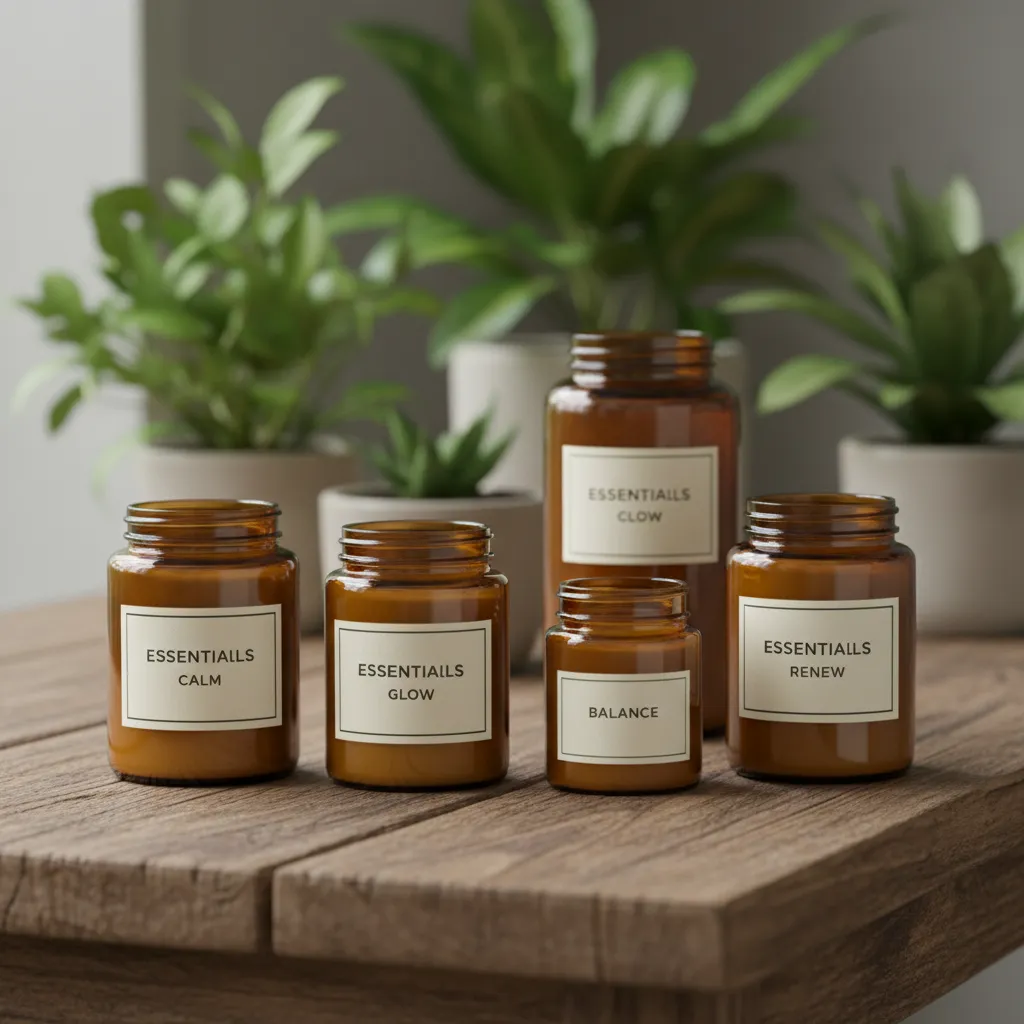
Proper storage extends the life of your rongoā. Amber or blue glass jars are superior to clear glass as they block UV light, which degrades active compounds. Store all products in a cool, dark place.
Labeling checklist:
- Name of the product.
- Ingredients (INCI names if selling).
- Date of manufacture / Batch number.
- Expiry date.
- Usage instructions and safety warnings (e.g., “External Use Only”).
By mastering these elements—identification, extraction, formulation, and preservation—you honor the plant, the tradition, and the person receiving the healing. Applied NZ herbalism is a journey of continuous learning, observing the seasons, and refining your craft.
Frequently Asked Questions
What are the best carrier oils for Kawakawa balm?
Olive oil is the most traditional and widely used carrier for Kawakawa balm due to its stability and moisturizing properties. However, sweet almond oil is excellent for lighter absorption, and coconut oil can be used to add antifungal properties, though it changes consistency with temperature.
How long does homemade Rongoā tonic last?
A water-based Rongoā tonic (decoction or infusion) typically lasts 3 to 5 days in the refrigerator. If you add alcohol (at least 20% by volume) or sugar (to make a syrup), the shelf life can be extended significantly, but fresh water preparations should always be consumed quickly to prevent bacterial growth.
Can I use fresh leaves for making herbal oils?
Using fresh leaves directly in oil is risky because the water content can cause mold and bacterial growth (botulism risk). It is highly recommended to wilt the leaves for 24–48 hours to reduce moisture content, or use the hot infusion method (double boiler) to evaporate the water during the process.
What is the difference between a balm and a salve?
The terms are often used interchangeably in herbalism. Generally, a salve is softer with a lower beeswax-to-oil ratio (often 1:5), designed to penetrate the skin easily. A balm typically has a higher beeswax content (1:3 or 1:4), creating a harder consistency that sits on top of the skin to form a protective barrier.
How do I identify Kawakawa correctly?
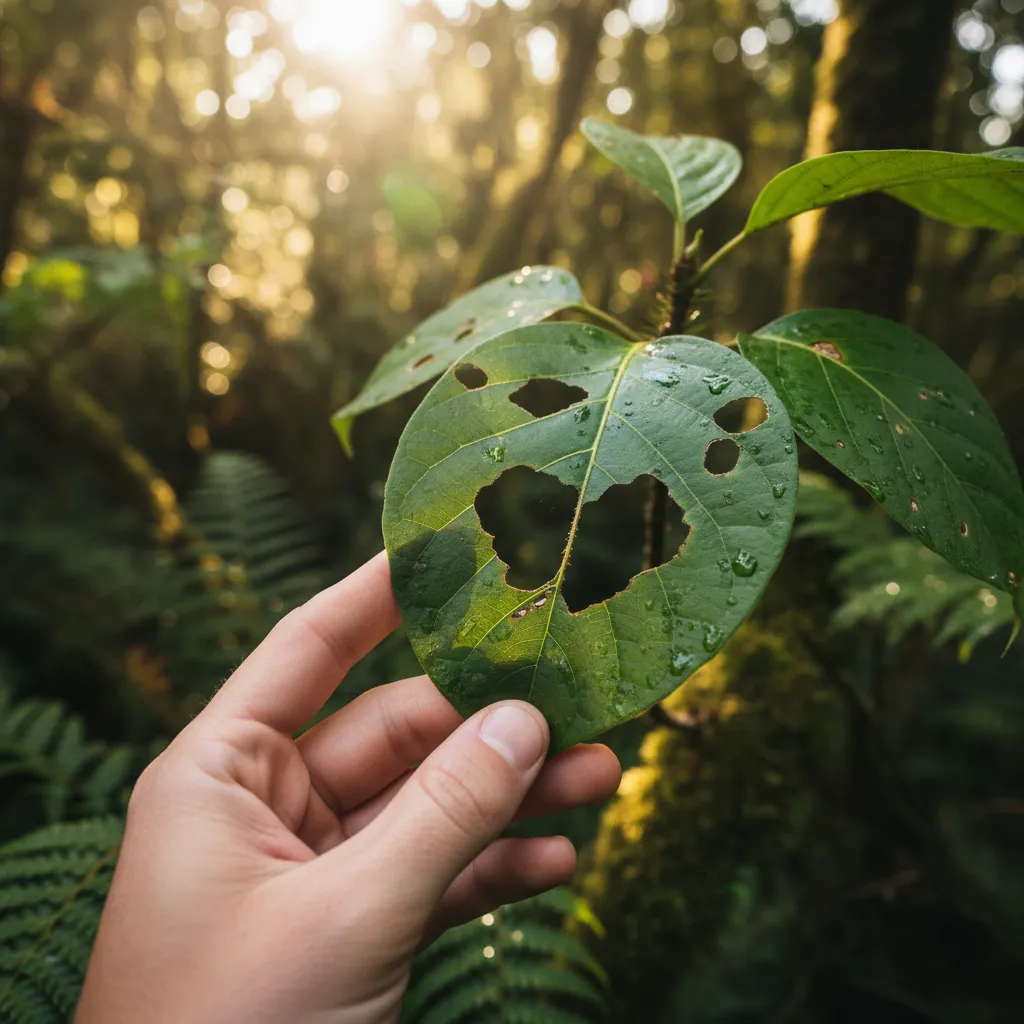
Kawakawa (Piper excelsum) is identified by its heart-shaped, bright green leaves with prominent veins radiating from the base. A key identifier is the holes in the leaves caused by the looper moth caterpillar; these leaves are traditionally considered the most medicinal. It grows as a shrub or small tree in coastal and lowland forests.
Is it safe to harvest Rongoā from the roadside?
No, you should avoid harvesting from roadsides due to the accumulation of heavy metals from car exhausts, dust, and potential chemical spraying by councils. Always harvest from deep within the bush or clean, private land, ensuring you have permission and are following Tikanga protocols.