Abhyanga benefits self massage practitioners by leveraging the synergistic effects of rhythmic touch and transdermal oil absorption to regulate the nervous system and detoxify the body. This Ayurvedic practice involves applying warm, herb-infused oils to the entire body, which enhances lymphatic drainage, reduces cortisol levels through oxytocin release, and nourishes the skin microbiome, offering a comprehensive approach to holistic wellness.
The Physiology of Touch: How Abhyanga Works
In the realm of integrative health, Abhyanga is far more than a mere beauty ritual; it is a sophisticated therapeutic modality deeply rooted in Ayurveda, the traditional medicine system of India. While modern spa culture often categorizes massage as a luxury, the science behind abhyanga benefits self massage reveals a powerful tool for physiological regulation. The skin is the body’s largest organ, rich in nerve endings that communicate directly with the central nervous system. When we perform self-massage, we are engaging in a bio-feedback loop that signals safety and relaxation to the brain.
Unlike deep tissue modalities that focus on breaking up muscle adhesions, Abhyanga prioritizes the flow of energy (Prana) and the lubrication of tissues (Dhatus). The rhythmic, uniform strokes used in this practice stimulate the sensory receptors known as mechanoreceptors. These receptors, when activated by the specific pressure and warmth of Abhyanga, send afferent signals to the brain that can downregulate the sympathetic nervous system (fight or flight) and upregulate the parasympathetic nervous system (rest and digest). This shift is fundamental to the healing process, allowing the body to divert resources from stress management to cellular repair and digestion.
Transdermal Absorption: The Science of Herbal Oils
One of the distinguishing features of Abhyanga is the generous use of oil, often infused with specific herbs. From a biochemical perspective, the skin is semi-permeable. While its primary function is to act as a barrier, the lipid-rich nature of the stratum corneum (the outermost layer of the epidermis) allows for the absorption of lipophilic (fat-loving) substances. This is the principle behind transdermal absorption.
Ayurvedic oils are typically cooked with herbs that possess specific medicinal properties. When these oils are applied warm and massaged into the skin for 15 to 20 minutes, the heat dilates the pores and the mechanical friction increases local blood circulation. This combination enhances the permeability of the skin, allowing the bioactive compounds in the herbs—and the fatty acids in the oil—to penetrate deeper into the tissue layers. For instance, sesame oil is a staple in Ayurveda, and similar phytochemical studies can be seen in Harakeke (Flax): Modern Research on Its Medicinal Properties. These oils are often rich in linoleic acid and have antioxidant properties that can protect skin cells from oxidative stress.
Furthermore, the oil acts as a carrier vehicle. According to studies on transdermal drug delivery, the vehicle used to deliver a substance is critical for absorption. The traditional processing of Ayurvedic oils (Sneha Kalpana) creates a lipid matrix that mimics the skin’s natural sebum, ensuring that the moisture and nutrients are not just sitting on the surface but are integrated into the physiology to combat dryness and systemic inflammation.
Lymphatic Drainage and Detoxification
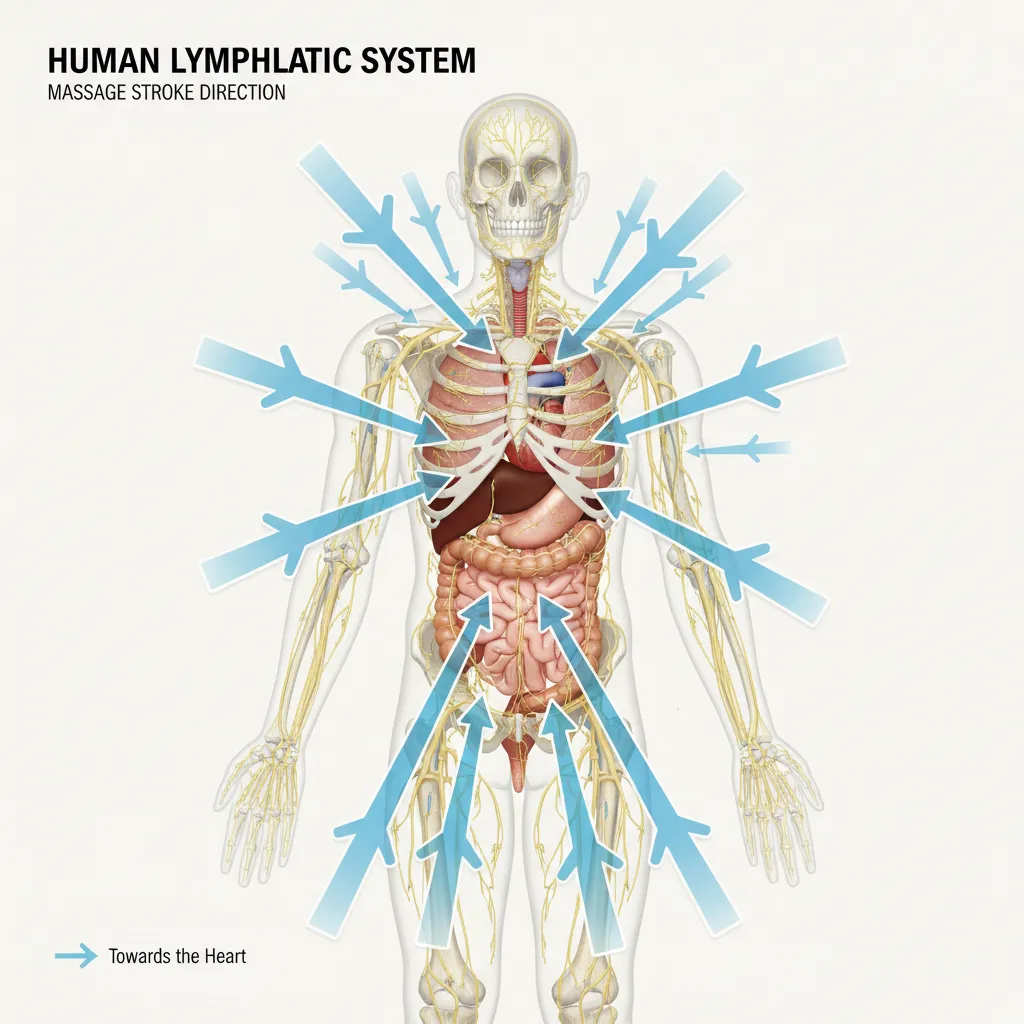
The lymphatic system is the body’s sewage treatment plant, responsible for removing metabolic waste, toxins, and excess fluid from the tissues. Unlike the circulatory system, which has the heart to pump blood, the lymphatic system relies on movement and muscular contraction to circulate lymph fluid. Sedentary lifestyles can lead to lymphatic stagnation, resulting in inflammation, water retention, and a sluggish immune response.
Abhyanga serves as a mechanical aid to the lymphatic system. The specific direction of strokes used in self-massage—long sweeping motions on the limbs directed toward the heart, and circular motions over the joints—mimics the natural flow of lymph. By applying consistent, moderate pressure, you manually assist the movement of lymph fluid into the lymph nodes where it can be filtered. This process helps to:
- Reduce edema and swelling in the extremities.
- Accelerate the removal of lactic acid after exercise.
- Boost immune function by ensuring the efficient transport of white blood cells.
Regular practice of Abhyanga effectively prevents the accumulation of “Ama” (toxins), keeping the body’s internal channels clear and functional.
Oxytocin and the Nervous System: The Stress Connection
Perhaps the most profound impact of abhyanga benefits self massage is on mental health and emotional stability. Touch is a primal need. In the absence of external physical contact, self-massage provides a vital substitute that triggers the release of oxytocin, often referred to as the “cuddle hormone” or “love hormone.” Oxytocin acts as a neuromodulator in the brain, countering the effects of cortisol, the primary stress hormone.
Research suggests that slow, gentle skin stimulation activates C-tactile afferent fibers, which are directly linked to the areas of the brain involved in emotional regulation. By dedicating 15 minutes a day to this practice, you are essentially engaging in a somatic therapy session. This creates a cascade of positive effects:
- Improved Sleep Quality: The sedation of the nervous system prepares the body for deep, restorative sleep.
- Reduced Anxiety: Lower cortisol levels lead to a tangible reduction in feelings of anxiety and overwhelm.
- Enhanced Body Connection: Regular self-touch fosters a positive relationship with one’s body, promoting self-acceptance and grounding.
Ayurvedic Doshas: Choosing the Right Oil
In Ayurveda, one size does not fit all. To maximize the therapeutic value of Abhyanga, you must select an oil that balances your dominant Dosha (constitution) or the current seasonal imbalance. Using the wrong oil can potentially aggravate a condition rather than heal it.
Vata Dosha (Air & Ether)
Individuals with a Vata imbalance often experience dry skin, cold extremities, anxiety, and joint pain. They require oils that are heavy, warming, and grounding.
- Best Oils: Cured Sesame Oil, Almond Oil, or specialized herbal blends like Mahanarayan Oil.
- Qualities: Sweet, heating, and unctuous.
Pitta Dosha (Fire & Water)
Pitta types are prone to overheating, skin rashes, inflammation, and irritability. They need cooling and soothing oils to temper the internal heat.
- Best Oils: Coconut Oil, Sunflower Oil, or herbal oils infused with sandalwood or rose.
- Qualities: Cooling, light, and calming.
Kapha Dosha (Earth & Water)
Kapha imbalances manifest as lethargy, water retention, oily skin, and weight gain. They benefit from stimulating, light, and warming oils.
- Best Oils: Mustard Oil, Corn Oil, or Safflower Oil. Sometimes a dry massage with silk gloves (Garshana) is preferred over oil.
- Qualities: Heating, light, and penetrating.
The Ritual: Step-by-Step Guide to Self-Massage
Executing the technique correctly is crucial to unlocking the full abhyanga benefits self massage offers. Follow this protocol for a restorative experience.
Preparation: Warm about ¼ to ½ cup of your chosen oil. You can do this by placing the oil bottle in a mug of hot water for a few minutes. Ensure the room is warm and free from drafts.
- Head and Scalp: Begin by applying oil to the crown of your head (Adhipati Marma). Massage vigorously in circular motions. This helps relieve tension headaches and nourishes the hair roots.
- Face and Ears: Use gentle, upward strokes on the face. Pay special attention to the ears, massaging the lobes and the area behind the ears, which are home to many nerve endings.
- Neck and Shoulders: Use broad strokes to release tension in the trapezius muscles.
- Arms and Hands: Use long, sweeping strokes on the long bones (humerus, radius, ulna) and circular motions over the joints (shoulders, elbows, wrists). Massage each finger individually.
- Torso: For the chest, use broad, clockwise circular motions. For the abdomen, follow the path of the colon: up the right side, across, and down the left side to aid digestion.
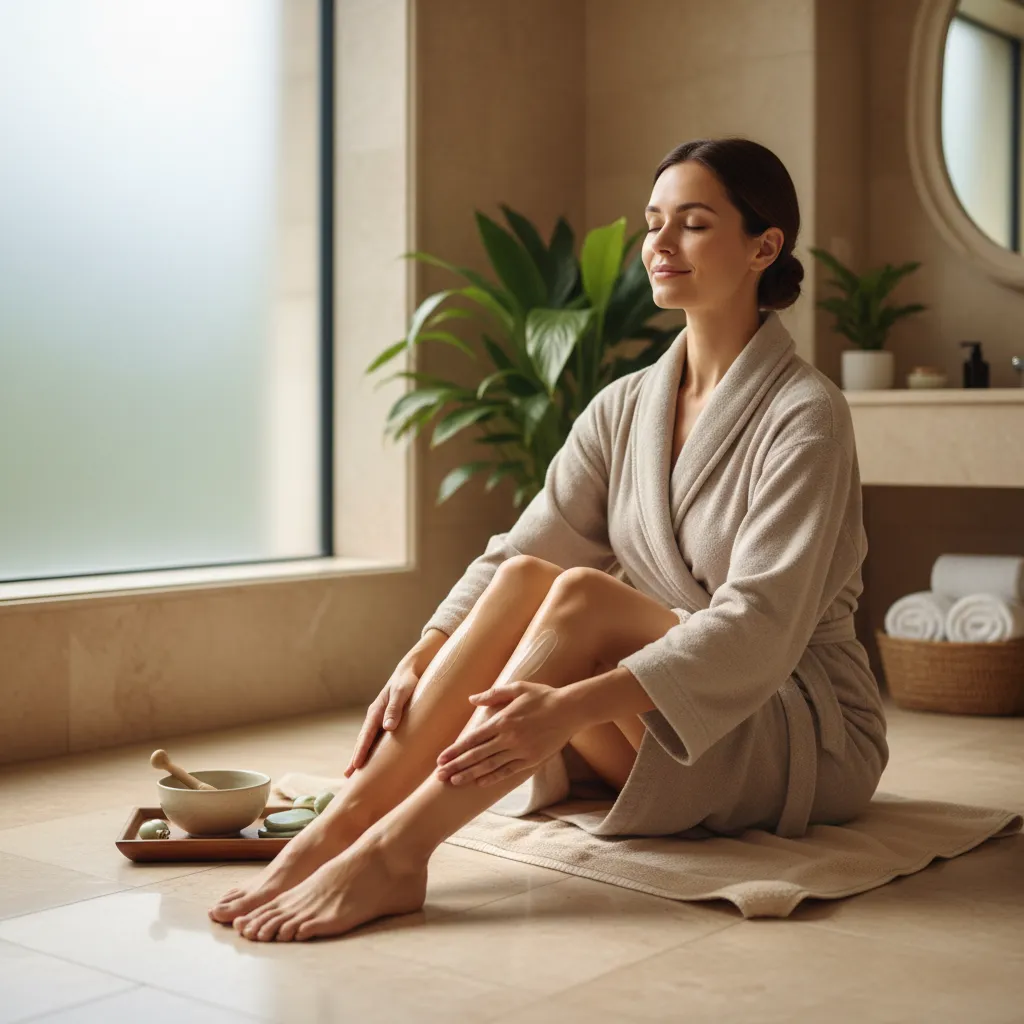
- Legs and Feet: Similar to the arms, use long strokes on the thigh and calf bones, and circular motions on the hips, knees, and ankles. Spend extra time on the soles of the feet, a practice known as Padabhyanga, which is linked to better sleep.
- Soak: Let the oil penetrate for at least 15-20 minutes. This is a good time to meditate or sit in a steam room if available.
- Cleanse: Shower with warm water. Use a gentle, natural soap only where necessary (groin, underarms) to avoid stripping the oil completely from the skin. The goal is to leave a thin, protective film.
Contraindications and Safety Precautions
While Abhyanga is generally safe and beneficial, there are specific circumstances where it should be avoided or modified to prevent adverse effects. According to general safety guidelines for massage therapy, you should avoid deep self-massage during acute illness.
- Fever or Flu: Massage increases circulation, which can spread infection through the system. Wait until you have fully recovered.
- Indigestion: Do not practice Abhyanga immediately after a heavy meal or if you have acute indigestion (Ajirna), as it draws blood flow away from the digestive organs.
- Menstruation: In traditional Ayurveda, deep Abhyanga is avoided during the heavy flow days of the menstrual cycle to respect the body’s natural downward flow of energy (Apana Vayu). Gentle application is acceptable, but vigorous massage is discouraged.
- Open Wounds or Rashes: Avoid applying oil to broken skin, infected areas, or acute rashes.
- Pregnancy: While massage is beneficial, specific pressure points should be avoided. Consult with a prenatal specialist before starting a new routine.
Conclusion
Integrating Abhyanga into your daily or weekly routine is a powerful act of self-care that bridges the gap between physical health and mental well-being. By understanding the science of transdermal absorption, lymphatic drainage, and nervous system regulation, you can appreciate that this is not just a superficial ritual. The abhyanga benefits self massage provides are cumulative; the more consistent your practice, the more resilient your physiology becomes against stress and aging. Choose your oil wisely, heat it gently, and take the time to honor your body with healing touch.
People Also Ask
How often should I do Abhyanga self-massage?
Ideally, Abhyanga can be practiced daily as part of a morning routine. However, if time is limited, aiming for 2-3 times per week provides significant benefits. Consistency is more important than duration; a quick 10-minute session is better than no session at all.
Should I shower before or after Abhyanga?
You should shower after Abhyanga. The warm water helps open the pores further, allowing the oil to penetrate deeper, while rinsing away toxins that have been released from the tissues. It also prevents the oil from staining your clothes.
What is the best time of day for Abhyanga?
The morning is traditionally considered the best time for Abhyanga, as it energizes the body, clears lethargy, and prepares the nervous system for the day. However, doing it in the evening with a calming oil (like Brahmi or Jatamansi) can be excellent for promoting deep sleep.
Can I leave the oil on overnight?
While leaving oil on for a long time can be nourishing, it is generally recommended to wash it off after 20-30 minutes. Leaving oil on overnight can sometimes clog pores, stain bedding, and trap toxins on the skin surface that the massage helped to release.
Is Abhyanga good for weight loss?
Yes, Abhyanga can support weight loss by stimulating the lymphatic system to remove metabolic waste and reducing cortisol, a hormone linked to belly fat. Using stimulating oils like Kapha oil or mustard oil and vigorous strokes can help mobilize fat tissues.
Can I use regular lotion instead of oil for Abhyanga?
Lotion is generally not recommended for traditional Abhyanga. Ayurvedic oils are lipophilic and penetrate the lipid barrier of the skin more effectively than water-based lotions. Oils also provide the necessary “slip” for the rhythmic strokes without dragging the skin.