
The best NZ natural health products reviews prioritize transparency, sourcing integrity, and therapeutic potency. Top-rated options consistently feature Manuka Honey with UMF 15+ certification, wild-harvested Kawakawa balms, and sustainably sourced Green Lipped Mussel extracts. When evaluating these products, consumers should look for independent third-party testing, adherence to Rongoā Māori principles, and GMP certification to ensure safety and clinical efficacy.
Navigating the ‘Natural’ Label in New Zealand
New Zealand’s reputation as a pristine, green haven has created a massive global demand for its health products. However, this reputation also invites “greenwashing.” As a consumer conducting a commercial investigation into the best NZ natural health products reviews, it is crucial to understand the regulatory landscape. Unlike prescription medicines, natural health products in New Zealand fall under a unique set of regulations that are currently evolving. While the Ministry of Health and Medsafe oversee safety, the definitions of “natural” can be legally ambiguous.
True quality in this niche is defined by more than just a “Made in New Zealand” sticker. It requires a synergy of botany, chemistry, and ethical harvesting. The most authoritative reviews look for specific certifications that validate the product’s journey from the soil to the shelf. The FernMark license program, for instance, is a government-accredited seal of trust, but for health products, we must dig deeper into manufacturing standards like GMP (Good Manufacturing Practice) and organic certifications such as BioGro.
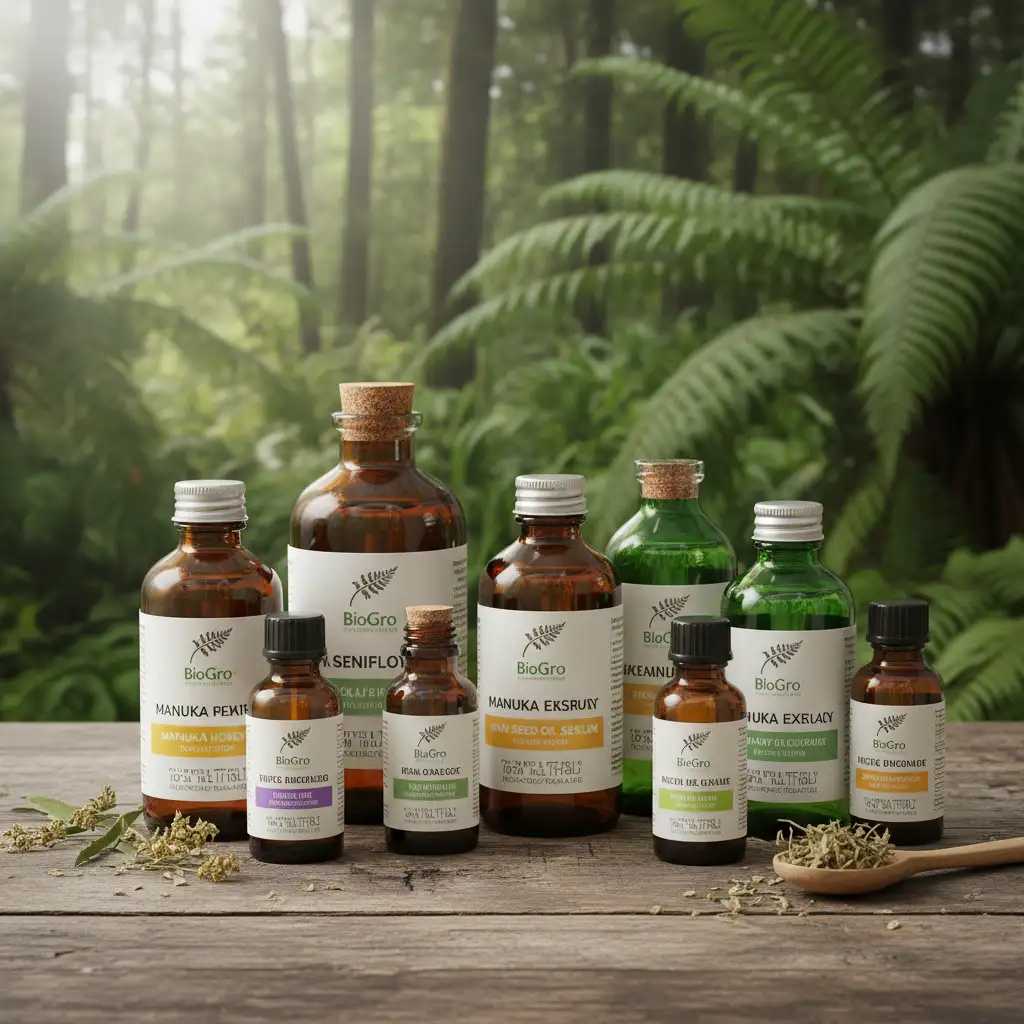
Furthermore, the integration of traditional Māori knowledge, or Rongoā, into commercial products requires cultural sensitivity and intellectual property respect. The best products are those that acknowledge the genealogy (whakapapa) of the plants they use, ensuring that the commercialization does not strip the ingredient of its mana (prestige/power).
Top Rated Native Ingredient Supplements
When reviewing the landscape of New Zealand wellness, four key ingredients dominate the market due to their clinically researched benefits and historical usage. Understanding these ingredients is the first step in identifying the best products.
1. Kawakawa (Macropiper excelsum)
Often referred to as the “pharmacy of the forest,” Kawakawa is a cornerstone of NZ natural health. High-quality reviews of Kawakawa products—specifically balms, teas, and tonics—focus on the extraction method. The leaves contain myristicin and diayangambin, which have anti-inflammatory and analgesic properties. The best products utilize a slow-infusion method in carrier oils (like almond or olive oil) rather than harsh chemical extraction, preserving the plant’s delicate volatile oils.
2. Horopito (Pseudowintera colorata)
Ancient and resilient, Horopito is known for its intense peppery taste and powerful antifungal properties, largely due to the compound polygodial. Commercial reviews should highlight the standardization of polygodial content. If a product claims to combat Candida or support gut health but does not list the standardized amount of active Horopito extract, it is likely ineffective. The best brands invest in science to stabilize this volatile compound.
3. Totarol (from Totara trees)
Extracted from the recycled heartwood of the Totara tree, Totarol is a potent antioxidant and antibacterial agent (gram-positive bacteria). It is frequently found in high-end skincare and oral health products. A top-tier review will check that the Totarol is sourced from reclaimed wood—old fence posts or fallen trees—rather than live harvesting, which aligns with conservation efforts.

Deep Dive: Manuka Honey Grading Systems
No discussion on best NZ natural health products reviews is complete without addressing the complex world of Manuka Honey. This is perhaps the most confusing category for international consumers due to competing grading systems. The two primary standards you will encounter are UMF (Unique Manuka Factor) and MGO (Methylglyoxal).
UMF vs. MGO: MGO measures the concentration of methylglyoxal, the compound responsible for the honey’s non-peroxide antibacterial activity. UMF, however, is a more comprehensive quality trademark that measures MGO plus Leptosperin and DHA (Dihydroxyacetone). Leptosperin is a genetic marker that proves the honey is genuine Manuka and not adulterated.
- UMF 5+ to 9+: Good for general nutrition and energy, but low therapeutic value.
- UMF 10+ to 15+: The “sweet spot” for immune support and daily wellness.
- UMF 20+ and above: High-grade, medicinal honey used for wound care, digestive health, and acute issues.
When reviewing Manuka products, beware of terms like “Active,” “Bio-Active,” or “K-Factor” unless they are accompanied by an MGO or UMF rating. These alternative terms are often unregulated marketing fluff used to sell low-grade honey at premium prices.
Green Lipped Mussel: Oil vs. Powder
New Zealand Green Lipped Mussel (Perna canaliculus) is globally renowned for joint support, rich in glycosaminoglycans and omega-3 fatty acids (specifically ETA, EPA, and DHA). However, the processing method dictates the efficacy, a critical point in any rigorous product review.
The Stabilization Factor
The lipids in Green Lipped Mussels oxidize extremely quickly once the mussel is harvested. If the mussel is not stabilized immediately, the anti-inflammatory benefits are lost. The best reviews favor cold-extracted oil over standard powders. While powders can be effective, they must be freeze-dried immediately. Heat-treated powders (often used in cheap pet supplements or budget human brands) effectively cook the active lipids, rendering them nutritionally void regarding inflammation control.
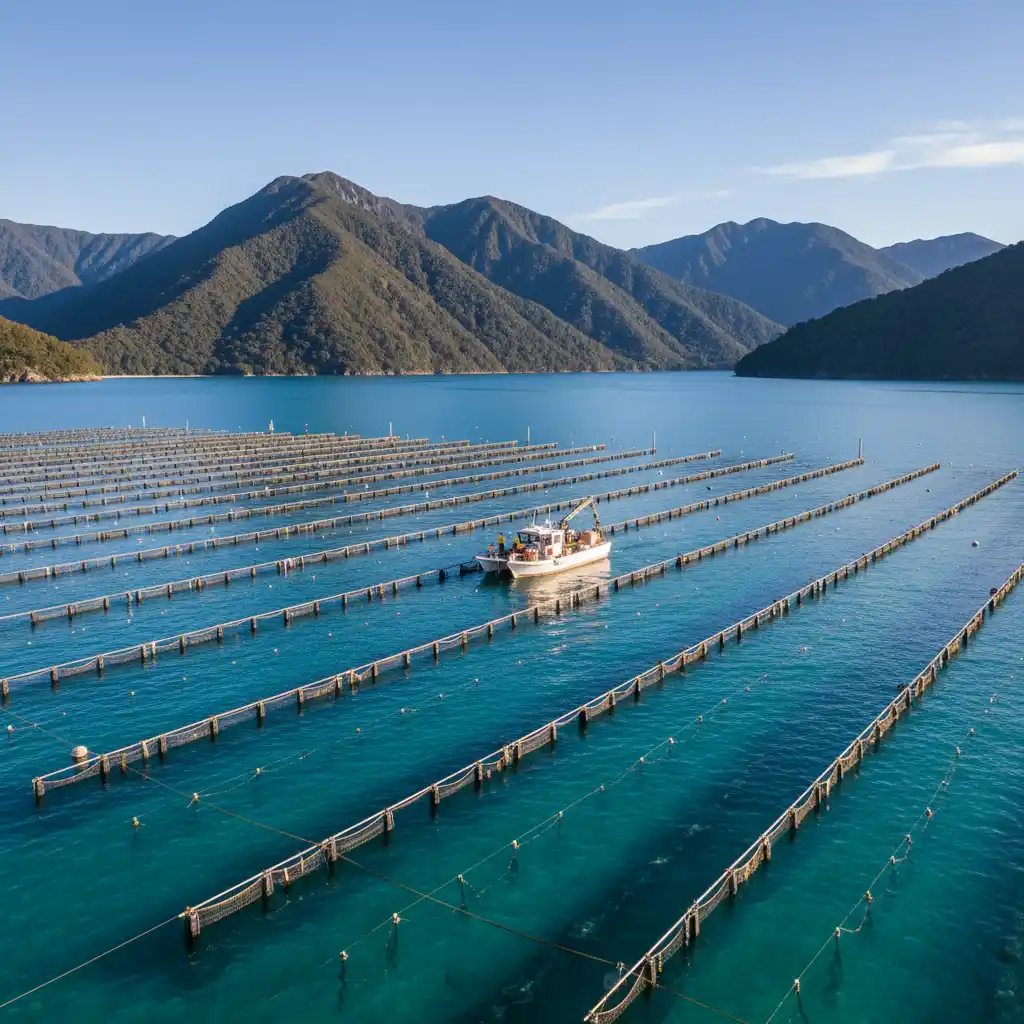
When investigating commercial options, look for brands that own their marine farms in the Marlborough Sounds or Coromandel, ensuring a short supply chain from ocean to encapsulation.
Sustainability Checks for Commercial Brands
In the realm of NZ native herbalism, sustainability is not just a buzzword; it is a necessity for the survival of the ecosystem. The concept of Kaitiakitanga (guardianship) should be evident in the brand’s operations. When reading or writing reviews, apply the following sustainability checks:
- Wild-Harvesting Ethics: For plants like Kawakawa and Kumarahou, are they wild-harvested? If so, does the brand follow tikanga (protocol)? This involves saying a karakia (prayer) and only taking what is needed, ensuring the plant can regenerate. Over-harvesting has become a significant issue with the rise in popularity of these herbs.
- Packaging: New Zealand struggles with plastic recycling infrastructure. Premium brands are shifting toward amber glass, sugarcane plastic, or compostable pouches. A high score in a review should be awarded to brands minimizing virgin plastic use.
- Water Quality Protection: For marine products, does the company contribute to water quality initiatives? Sustainable aquaculture is vital for the long-term viability of the Green Lipped Mussel industry.
Price vs. Quality: The True Cost of Health
There is a stark price disparity in the NZ natural health market. You might find a Manuka Honey jar for $20 NZD and another of the same size for $200 NZD. Understanding this discrepancy is key to a successful commercial investigation.
The “Tourist Trap” Phenomenon: Many souvenir shops sell products labeled “New Zealand Lanolin” or “Bee Venom” that are actually formulated with minimal active ingredients and a heavy base of cheap fillers like mineral oil or excessive water. These are designed for impulse buys, not long-term health.
Cost Per Serving Calculation: To truly evaluate value, consumers must look at the concentration of the active ingredient. For example, a cheap Propolis tincture might be 20% strength, while a premium one is 50% or PFL30 (Propolis Flavonoid Level). You may need to take three times the amount of the cheap product to get the same therapeutic effect as the expensive one, making the “expensive” product cheaper in the long run.
Clinical Dosage: High-quality reviews will always compare the product’s dosage against clinical trials. If a study shows 500mg of Blackcurrant extract is needed for eye health, but a supplement only provides 50mg, it is poor value regardless of the low price.
Frequently Asked Questions
Is Manuka honey worth the high price tag?
Yes, provided it is high-grade (UMF 10+ or higher). The unique non-peroxide antibacterial activity found in Manuka honey is not present in standard table honey. For therapeutic uses such as wound healing, sore throats, and digestive support, the investment is justified by clinical evidence.
What is Kawakawa balm used for?
Kawakawa balm is a versatile healing salve used for eczema, psoriasis, insect bites, minor cuts, and abrasions. Its anti-inflammatory and analgesic properties make it excellent for soothing irritated skin and reducing itching.
Are NZ natural health supplements regulated?
Yes, but differently from prescription drugs. They are regulated under the Dietary Supplements Regulations 1985 and overseen by Medsafe. However, efficacy claims are not always strictly policed, which makes third-party certifications like GMP and BioGro essential for verifying quality.
What is the best brand for Green Lipped Mussel oil?
While we do not endorse single brands, look for companies that use supercritical CO2 extraction methods. This cold extraction ensures the delicate omega-3 fatty acids are not destroyed by heat, offering superior anti-inflammatory benefits compared to standard powders.
Can I take Rongoā Māori medicine with prescription drugs?
You should always consult a healthcare professional. While natural, plants like Kawakawa and Kumarahou are bioactive and can interact with medications. For example, Kawakawa can have a blood-thinning effect and may interact with anticoagulants.
What does the FernMark logo mean on products?
The FernMark is a government-accredited trademark that verifies a product is authentically from New Zealand. It builds trust by ensuring the business is GST registered in NZ, has a substantial presence there, and complies with all relevant laws and regulations.